

We may earn a commission when you buy through links on this page, at no extra cost to you. Learn more.
A marsala cocktail uses Sicily’s fortified wine to add dried-fruit, toasted-nut, caramel and savory depth to drinks, either in place of vermouth or as the main ingredient. The best version starts with the right sweetness level: dry Marsala brings lift and saline edges, while sweet Marsala adds roundness to whiskey, bitters and citrus. Use a modest pour, taste before adding sweetener, and let the wine remain recognizable.
Marsala deserves a place behind the bar, not only beside the stove. Its range runs from bone-dry, nutty wines to amber, semisweet bottlings and rich ruby styles, so one bottle can support several very different cocktails. The key is to select by style and build around the wine’s natural strength rather than treating every Marsala as interchangeable.
What Marsala Brings to a Cocktail
Marsala is a fortified wine from western Sicily, and it contributes more than sweetness. Depending on the bottling, expect dried fig, raisin, toasted almond, orange peel, vanilla, spice, saltiness and oxidative notes that can recall old wood or caramel.
Marsala works in drinks that call for sweet vermouth, dry vermouth, Port or Sherry. Dry Marsala adds a savory, saline note to stirred drinks; sweet Marsala rounds whiskey and bitter aperitifs. Bartenders are using it in Manhattans, Negroni variations, Bloody Marsalas and tonics. Decanter’s report on Marsala’s revival notes its use as a vermouth or Port stand-in.
Alcohol is part of the equation. Marsala is fortified, commonly 15% to 20% ABV according to VinePair’s Marsala overview, so it is stronger than table wine but usually lighter than the gin, whiskey or rum used as a cocktail base. A two-ounce pour with a nonalcoholic mixer is gentler than a spirit-forward Manhattan, but it is not alcohol-free. Think of Marsala as both a wine and a modifier. A one-ounce measure can replace a portion of vermouth in a classic recipe; a two-ounce measure can take center stage in a highball or spritz-style build. For more on its strength before mixing, see our explainer on marsala alcohol content.
Choose the Right Marsala Style
Start with the sweetness and color terms on the bottle, then consider how long the wine has aged. Secco is dry, semisecco is medium-sweet, and dolce is sweet; oro, ambra and rubino describe gold, amber and ruby colors. These labels are practical cocktail clues, not decorative details.
Dry Marsala is the most flexible choice for savory drinks, tomato-based cocktails and recipes that already contain sweet liqueurs or fruit juice. Sweet Marsala is a natural fit for whiskey, coffee, chocolate, orange and aromatic bitters. Semisecco sits between the two and can be a useful all-purpose bottle when you want dried-fruit character without a heavy sugary finish.
| Label or category | What it indicates | Best cocktail use |
|---|---|---|
| Secco | Less than 40 g/L residual sugar | Bloody Marsala, dry tonic, savory aperitif |
| Semisecco | More than 40 and less than 100 g/L | Whiskey highball, bitters-and-soda drinks |
| Dolce | More than 100 g/L | Manhattan variation, coffee or dessert cocktail |
| Fine | At least 1 year of aging | Mixers where bright, direct fruit is welcome |
| Superiore | At least 2 years of aging | Stirred drinks that benefit from extra nutty depth |
| Superiore Riserva | At least 4 years of aging | Spirit-forward cocktails where Marsala should show |
| Vergine / Soleras | At least 5 years of aging | Dry, savory drinks and restrained aperitifs |
| Vergine Stravecchio / Riserva | At least 10 years of aging | Small, spirit-led serves where a little wine goes far |
The sweetness limits and minimum aging periods above follow the Marsala classifications described by the producer Cantina Martinez and Wine Enthusiast. A bottle marked Vergine is generally a dry, oxidative style, so it can be excellent where a cocktail needs complexity rather than sugar. Fine and Superiore bottlings are often sensible mixing choices because their flavor can be expressive without requiring a rare, long-aged wine.
Oro is gold, ambra is amber and rubino is ruby. Ruby Marsala uses red grapes and can show more fruit and tannin; gold and amber styles are the easiest starting points for classic cocktails. For a quick decision, choose secco or Vergine for savory drinks, semisecco for flexible highballs, and dolce for whiskey or dessert-led cocktails. If a recipe already includes sweet vermouth, amaro, syrup or liqueur, start with dry Marsala to avoid a cloying finish.
Match Marsala With Spirits and Mixers
Whiskey is one of the most natural partners for Marsala because its vanilla, oak and spice notes echo flavors developed during the wine’s aging. Gin can work too, especially with dry Marsala, citrus peel and herbal bitters; vodka gives the wine more room to speak without adding a strong competing flavor.
Use sweet Marsala as a partial or full stand-in for sweet vermouth in whiskey drinks, then adjust bitters to taste. Rye gives a drier, spicier result; bourbon adds vanilla and caramel. Aged rum also works, especially with orange bitters or a little coffee liqueur.
Dry Marsala pairs well with tomato, lemon, celery, olive brine and savory seasoning. That makes it a natural fit for a Bloody Mary variation, where the wine’s salinity and oxidative character can add depth alongside tomato juice and Worcestershire sauce. For a lighter drink, combine dry Marsala with chilled tonic or soda and a wide strip of orange peel. Citrus keeps Marsala lively: lemon sharpens dry styles, orange complements amber and sweet styles, and grapefruit adds a bitter edge to semisecco. Add juice in small increments. Port is generally fruitier and sweeter, while Sherry ranges from very dry to sweet. A tawny port cocktail also leans on nut, dried-fruit and caramel notes, but dry Marsala often has a more savory, coastal character. For a brighter white-wine direction, compare a riesling cocktail, where acidity and fruit lead.
Three Marsala Cocktail Recipes to Start With
These three builds show the range: a tall refreshing drink, a stirred whiskey cocktail and a savory brunch-style serve. Use a secco or Vergine Marsala for the tonic and Bloody versions, and choose a sweet Marsala for the Manhattan variation.
Marsala Tonic
Ingredients: 2 ounces dry or semisecco Marsala, 3 to 4 ounces chilled tonic water, ice, and an orange wheel or broad orange peel. Fill a chilled highball glass with ice, add the Marsala, and top with tonic. Stir once or twice, then garnish with orange. Start with 3 ounces of tonic if you want the wine to remain prominent; add more for a lighter, more refreshing finish.
The bitter quinine in tonic balances the wine’s dried-fruit character, while orange picks up its citrus and spice notes. If the drink tastes too dry, switch to semisecco rather than reaching immediately for simple syrup. A small pinch of salt can emphasize the wine’s savory side, but it should not taste salty.
Marsala Manhattan
Ingredients: 2 ounces rye whiskey or Irish whiskey, 1 ounce sweet Marsala, 2 to 4 dashes aromatic bitters, and an orange twist. Add the whiskey, Marsala and bitters to a mixing glass filled with ice. Stir until well chilled, strain into a chilled coupe or over one large cube, and express the orange peel over the surface before using it as garnish.
Sweet Marsala replaces the vermouth in this version, bringing raisin, walnut and caramel notes that sit comfortably beside whiskey. If the result seems too rich, use a higher-rye whiskey or reduce the Marsala to three-quarters of an ounce and add a quarter-ounce of dry Marsala. If it is too sharp, choose bourbon or add one extra dash of bitters rather than pouring in syrup.
Bloody Marsala
Ingredients: 1½ ounces dry Marsala, 4 ounces tomato juice, ½ ounce fresh lemon juice, 2 dashes Worcestershire sauce, 2 dashes hot sauce, and a pinch of celery salt. Add everything to an ice-filled mixing glass and roll gently between two glasses, or stir thoroughly without shaking hard. Pour into a tall glass over fresh ice and garnish with a celery stalk and lemon wedge.
Dry Marsala supplies a nutty, savory note that makes sense with tomato, Worcestershire and celery. Keep the hot sauce measured: chili heat can seem more intense alongside alcohol, so build gradually and taste before adding more. For a brinier version, add a small splash of olive brine; for a fresher version, increase the lemon by a teaspoon.
Treat these recipes as starting points. A deeply oxidative Vergine may need fewer bitters than a young Fine, while a sweet Dolce may need more citrus or a drier supporting ingredient. Record the proportions that work with your bottle so you can repeat the result.
Balance Sweetness, Bitterness and Acidity
The easiest way to improve a Marsala drink is to balance its basic elements before adding more ingredients. Sweetness should support the drink, bitterness should give it shape, and acidity should keep the finish lively instead of heavy.
Begin by choosing a sweetness level that fits the rest of the recipe. If the drink includes sweet vermouth, amaro, triple sec, fruit juice or syrup, dry Marsala is often the better first choice. If the other ingredients are sharp or bitter—such as rye whiskey, lemon, tonic or Campari—a semisecco or dolce Marsala can soften the edges. Keep in mind that a wine labeled dolce has more than 100 grams per liter of residual sugar, so even a modest amount can change the balance quickly. Acidity matters just as much. Lemon and lime juice add direct brightness, while grapefruit and orange bring a softer mix of acidity and aroma. Add citrus in quarter-ounce steps, stir, and taste; if the drink starts to taste hollow, pull back on the acid or add a little more Marsala rather than adding sugar by reflex.
Bitters help tie the wine to the base spirit. Aromatic bitters reinforce clove, baking spice and wood; orange bitters make a bridge to citrus; celery or savory bitters can work in tomato-based drinks. Start with 2 dashes for a stirred cocktail and increase only after tasting. Too much bitterness can flatten Marsala’s subtler dried-fruit and nut notes.
Tip: Build the first version with no added syrup. Measure the Marsala, spirit and citrus, taste, then add sweetener only if the drink still needs it. This prevents a semisecco or dolce wine from pushing the cocktail out of balance.
Texture matters: a stirred drink should feel cool and silky, while a highball should stay fizzy. Use large ice in short drinks and fresh ice in tall drinks. For a foamy sour, shake Marsala, spirit, lemon and a little egg white or aquafaba, then shake again with ice and fine-strain; keep the wine measure modest so the foam does not mask its aroma. Match the garnish to the wine: orange suits sweet styles, lemon suits dry styles, and celery suits savory drinks.
Serve, Store and Prepare Marsala Drinks Well
Marsala cocktails are best served cold, but the wine itself should not be frozen or buried under ice. Chill the bottle in the refrigerator before mixing, use a chilled coupe for stirred drinks, and use a tall glass filled with fresh ice for tonic or tomato-based drinks.
Serve a Marsala Manhattan in a coupe or Nick and Nora glass to concentrate its aromas, or over one large cube in a rocks glass. A Marsala Tonic belongs in a highball with room for 3 to 4 ounces of tonic and plenty of ice. Use a measured pour rather than free-pouring. A 2-ounce Marsala portion is a useful starting measure in a tall drink, while ¾ to 1 ounce is a practical range when the wine is replacing vermouth in a spirit-led cocktail. A typical 750-milliliter bottle contains about 25.4 ounces, which is enough for roughly twelve 2-ounce cocktail measures, with a little left for tasting or a smaller vermouth-style pour.
Prepare components ahead, not finished carbonated drinks. Pre-measure Marsala, whiskey and bitters for a small batch, refrigerate it, then stir individual servings with ice. Add tonic, soda, tomato juice and fresh citrus at serving time to preserve fizz and freshness. For a gathering, offer two options: a dry Marsala Tonic and a sweet Marsala Manhattan. Set out orange peel, lemon, olives and celery for garnish, plus small pours of secco and dolce so guests can compare the wine with the finished drinks. Marsala’s native Sicilian grapes, fortification and oxidative aging give it a distinct identity. Our Wine by Type guide places it alongside other fortified styles. Choose drinking Marsala rather than a salted cooking product, and avoid masking it with too many syrups or liqueurs.
Frequently Asked Questions
Who first made Marsala famous outside Sicily?
English merchant John Woodhouse helped establish the export trade in 1773 after encountering local wine in the port town. He added distilled spirit to stabilize it for the sea journey, helping create the fortified style that became internationally known.
Was Marsala always a fortified wine?
No. Local families in western Sicily had a tradition of keeping and topping up wine in a perpetual-aging practice before the export-oriented fortified style developed. Wine Enthusiast reports that Phoenicians shipped wines from the area more than 2,000 years ago, long before the modern Marsala category.
What is a carateddu in Marsala history?
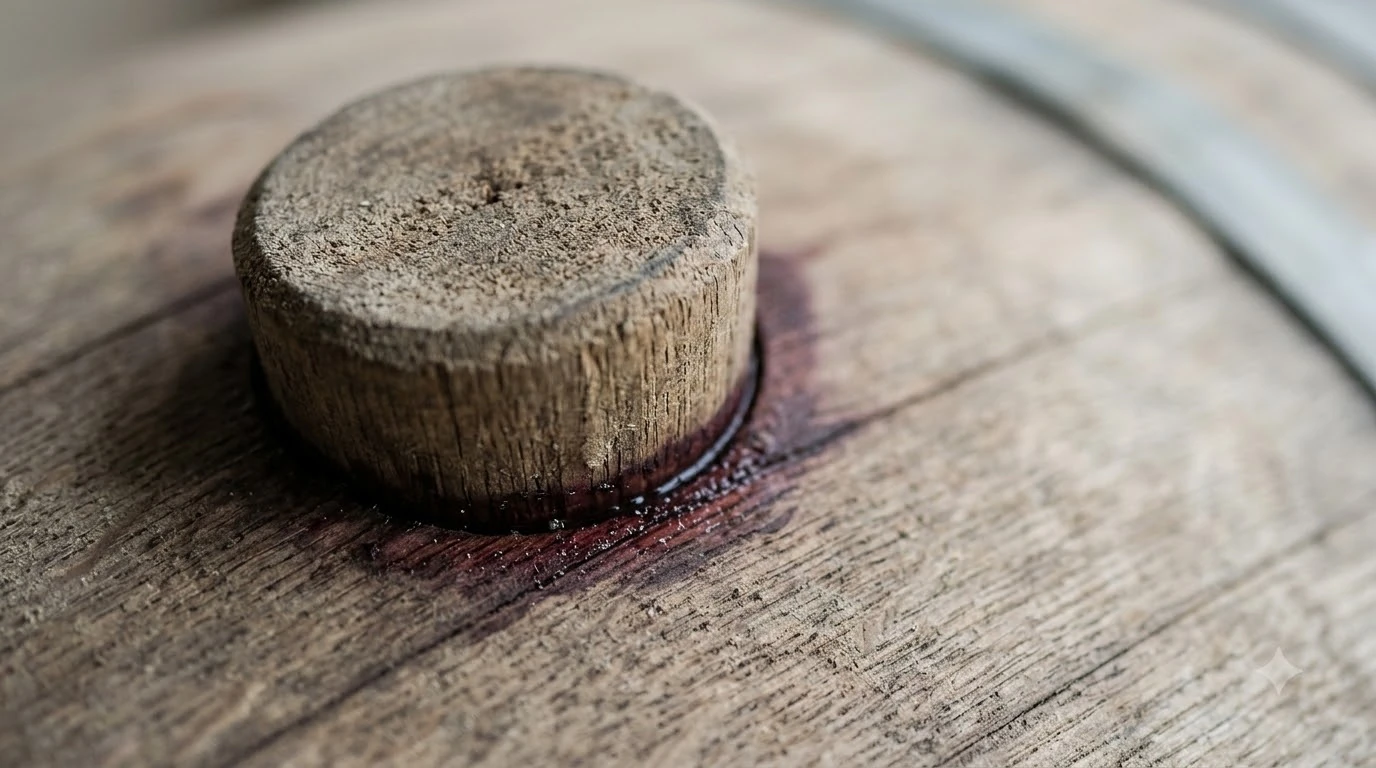
Cantina Martinez describes the carateddu as a small family barrel holding about 26 liters. Families traditionally topped it up each year, preserving wine across generations for celebrations and important guests.
Where can a wine legally be called Marsala DOC?
The production area lies in the province of Trapani in western Sicily, with specific exclusions for Alcamo, the Egadi Islands and Pantelleria. Cantina Martinez notes that the grapes must be grown, processed, aged and bottled inside the designated area.
Can Marsala be used in a cocktail without adding spirits?
Yes. Combine 2 ounces of Marsala with about 4 ounces of club soda, ice and a citrus peel for a simple highball. Compared with tonic, plain soda has no quinine bitterness, so the wine’s own aromas come through more clearly.
A well-made marsala cocktail can be dry and savory, bittersweet and spirit-forward, or long and refreshing. Start with one bottle that suits the drink you want, keep the proportions measured, and let the wine’s Sicilian character do the work.
More in Wine Types & Grapes
 Zinfandel Sugar Content: Dry Red vs. White Zinfandel GramsUpdated Nov 21, 2026
 Best Zinfandel Substitute Options for Sipping and CookingUpdated Nov 21, 2026
 Zweigelt Food Pairing: Best Dishes, Cheeses, and Serving TipsUpdated Nov 21, 2026
 Zinfandel Tannins Explained: How Structure Shapes Every BottleUpdated Nov 21, 2026
 Zinfandel Sweetness Level: Dry Red vs. Sweet White Zin ExplainedUpdated Nov 21, 2026
 Xinomavro Food Pairing: Best Dishes, Styles, and Serving TipsUpdated Nov 21, 2026