

We may earn a commission when you buy through links on this page, at no extra cost to you. Learn more.
Marlborough wineries sit in New Zealand’s largest winegrowing region, on the northeast tip of the South Island, and the area is best known for crisp Sauvignon Blanc. According to the regional tourism and wine body, the region holds almost 31,000 hectares of vines, roughly two-thirds of the national total, and more than 30 cellar doors that are mostly within a ten-minute drive of each other. Visitors can taste a wide range of styles without a long drive between stops.
This guide explains what makes Marlborough wineries different from other New Zealand wine areas, how the three main sub-regions shape the wine in the glass, and how to plan a visit or pick a bottle. If you are new to New Zealand wine, the wine regions overview is a useful starting point.
What Marlborough wineries are known for
Marlborough is the region that put New Zealand on the international wine map. The area’s cool, sunny climate, low rainfall and free-draining soils suit aromatic white grapes, and the wineries here built their reputation on Sauvignon Blanc in the 1980s. The producer-facing description of the region calls the climate “cool yet high sunshine,” which gives the grapes long ripening periods while keeping acidity high.
Most wineries here are family-owned or run as mid-sized estates, and many of them produce a range that goes well beyond Sauvignon Blanc. Pinot Noir, Riesling and Chardonnay are all significant, and a smaller number of producers make sparkling wine by the traditional method.
Because the region has so much vineyard area, it also supports a large group of mid-sized producers alongside the bigger brands. That mix gives visitors both scale and small-batch character in a single trip, and it is one reason the region draws wine lovers who want to compare many producers rather than visit just one estate.
The three sub-regions and how they shape the wine
Marlborough is usually split into three areas, and the differences between them are one of the best reasons to taste across several wineries.
| Sub-region | Soil and climate | Typical wines |
|---|---|---|
| Wairau Valley | Old gravelly riverbed soils, with cooler inland sites and sea-breeze-moderated coastal sites | Intense fruit and body, especially in Sauvignon Blanc |
| Awatere Valley | South of the Wairau, cooler, drier and windier | Bright, aromatic Pinot Noir and distinctive Sauvignon Blanc |
| Southern Valleys | Heavier, clay-rich soils in valleys such as Omaka, Fairhall and Waihopai | Pinot Noir and aromatic whites |
The Wairau Valley is where many of the largest wineries are based, and it offers the widest choice of cellar doors. The Awatere Valley is smaller and more distinct, and wineries there often work with the cooler conditions to keep flavours lifted.
Soil is the main reason the sub-regions differ. Gravelly riverbed soils drain quickly and hold some warmth in the day, which supports ripe, intense fruit. Heavier clay soils in the Southern Valleys hold more moisture and suit slower-ripening varieties, which helps explain why Pinot Noir and aromatic whites feature so strongly there. Tasting across the three areas makes these differences easy to notice.
Grape varieties and wine styles
Sauvignon Blanc remains the region’s signature wine, and it is usually the first thing people taste. The style is typically aromatic, with notes of passionfruit, gooseberry and fresh herbs, and a sharp, clean finish.
Many producers make Sauvignon Blanc in a fresh, unwooded style, while others experiment with barrel fermentation or longer contact with lees for a rounder, more textured wine. Those experiments are one reason the region’s Sauvignon Blanc is not a single style, and a flight that includes both approaches is a good way to see the range.
Pinot Noir is the second major focus, and readers who want to compare cool-climate reds from another angle can look at mendocino wineries in California. The regional description characterises it as mid-weight, with fine tannins and flavours of dark cherry and plum. Aromatic whites such as Riesling, Pinot Gris and Gewürztraminer are made in styles from bone dry to sweet, and Chardonnay is produced both oaked and unoaked. Smaller plantings of Grüner Veltliner, Viognier, Syrah and Tempranillo show up at some wineries as well.
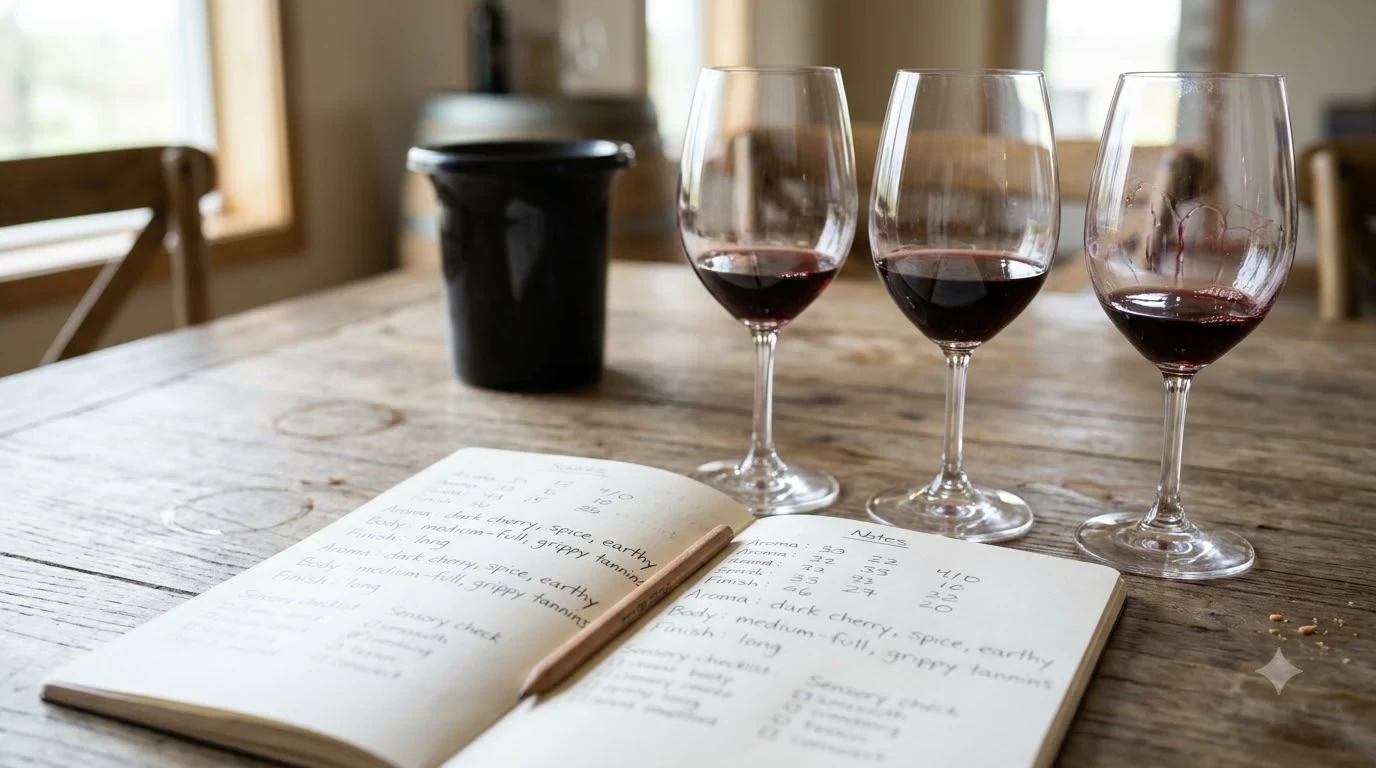
Because the range is so wide, a tasting flight is often the best way to see how the region’s wineries differ from one another.
Serving the wines at home
Sauvignon Blanc and the lighter aromatic whites are best served chilled but not ice cold, so the fruit and herbal notes stay visible. Pinot Noir is usually served lightly cool rather than warm, and a short rest in the glass helps the aromas open. Riesling can be served chilled, and the sweeter styles pair well with spicy food.
Tip: Ask for a flight that places an unoaked and an oaked Chardonnay side by side. The contrast shows how much winemaking choices shape the same grape.
Planning a visit to Marlborough wineries
Most visitors reach the region by flying into Blenheim, which is the main town and sits close to many cellar doors. Others arrive by the Cook Strait ferry to Picton and drive or take a heritage steam train to Blenheim. Because most cellar doors are clustered together, a single day can cover several wineries without long drives.
Many wineries offer seated tastings, guided tours or food pairings, and some take bookings for small groups. It is worth checking opening hours before you go, since some smaller estates keep limited days. If you plan to drive, arrange a designated driver or a tour, and pace your tastings with water and food.
If you prefer a slower pace, plan two or three cellar doors in a day and leave room for lunch. Many wineries have restaurants or platters, and pairing a tasting with food is a good way to see how a wine behaves with a meal. Spitting at tastings is normal and helps you judge several wines without overindulging.
Tips for a first visit
First-time visitors often find it helpful to start with the region’s signature style and then move toward more unusual wines. Ask staff which bottles are made in small quantities, since these are often the most interesting part of a tasting and are not always sold in larger shops.
Weather also affects the experience. Summer days can be warm and bright, while winter visits are quieter and may suit a more relaxed tasting. Wearing comfortable shoes is useful, because many cellar doors have gardens, lawns or outdoor terraces.
How to choose a bottle
When you pick a Marlborough wine, look at the grape first and the sub-region second. A Sauvignon Blanc from the Wairau Valley will usually show more fruit weight than one from the cooler Awatere, while an Awatere Pinot Noir tends toward brighter, more aromatic character. Labels often name the sub-region, which makes comparisons easier. For a contrasting style of red from a warmer, older-vine region, the guide to ribera del duero wineries shows a very different approach.
Vintage matters as well. Cool or warm seasons change ripeness and acidity, so two bottles of the same wine from different years can taste quite different. Check the vintage on the label and, where available, the producer’s tasting note for guidance on how that year shows up in the glass.
Wine shop staff and winery tasting notes are useful guides, and the more detailed producer descriptions often explain whether a bottle is made in a crisp, zesty style or a richer, more textured one.
If you are buying as a gift or for a dinner party, a Marlborough Sauvignon Blanc is a dependable choice because its style is widely recognised. A Pinot Noir is a good option for guests who prefer red wine, and a sparkling wine from the region can open a meal on a more celebratory note.
Frequently Asked Questions
Which grape are Marlborough wineries most known for?
Sauvignon Blanc is the region’s best-known wine and the style that first brought New Zealand wine international attention in the 1980s. Pinot Noir, Riesling and Chardonnay are also important.
How many wineries are in Marlborough?
The regional wine body describes more than 30 cellar doors, most within a ten-minute drive of each other. The exact number of wineries varies, since some producers do not run tasting rooms.
What is the difference between the Wairau and Awatere valleys?
The Awatere Valley lies south of the Wairau and is cooler, drier and windier. Wines from the Awatere often show brighter acidity and more aromatic character, while Wairau wines tend to have more fruit weight.
Do I need a car to visit Marlborough wineries?
A car gives the most flexibility, but many visitors use tours or taxis. Because the cellar doors are close together, a guided day trip is a practical option for anyone who does not want to drive.
Marlborough wineries offer one of the most concentrated wine experiences in New Zealand. Start with a Sauvignon Blanc to learn the region’s signature style, then move to Pinot Noir or an aromatic white to see how the sub-regions change the wine. For a broader view of the country, the regional description from the New Zealand wine body is a good next read.
More in Wine Regions
 Willcox Wine Trail: Discover Arizona’s High-Elevation Wine CountryUpdated Nov 20, 2026
 Yakima Valley Wine Region: Find the Best Styles to TryUpdated Nov 20, 2026
 Vosne Romanee Wine Tasting: Identify Aromas and Choose Better PairingsUpdated Nov 20, 2026
 Yakima Valley Wine Festival: Find the Best Seasonal Wine EventsUpdated Nov 20, 2026
 Wales Vineyards: Discover Cool-Climate Wines and Where to VisitUpdated Nov 20, 2026
 Yountville Wine Festival: Discover Napa Wines and Local FoodUpdated Nov 20, 2026