

We may earn a commission when you buy through links on this page, at no extra cost to you. Learn more.
Marlborough wine tasting is best approached as a comparison of the region’s three valleys, with Sauvignon Blanc as the starting point and Pinot Noir and aromatic whites completing the picture. On New Zealand’s South Island, long sunny days and cool nights help preserve acidity and fragrance. Wairau, Southern Valleys and Awatere each bring a different combination of soils, exposure and temperature to the glass. A focused day of three to five cellar doors gives visitors time to understand those differences without rushing.
Marlborough is one of the world’s most recognizable Sauvignon Blanc regions, but the best tasting itinerary is not simply a tour of similar crisp whites. Taste across subregions, ask how individual vineyards shape the wines, and leave room for Pinot Noir, Chardonnay, Riesling or traditional-method sparkling wine.
What Makes Marlborough Wines Distinctive
Marlborough’s signature is the meeting of strong sunshine, a maritime climate and cool nights. The region sits at 41.3° south on the northeast end of New Zealand’s South Island, between the influence of Cook Strait and the Pacific Ocean.
Wine Marlborough describes an average summer day-to-night temperature range of around 11 degrees Celsius. That shift slows sugar accumulation overnight and helps grapes retain natural acidity as they ripen. The organization reports approximately 2,500 hours of sunshine and 649 millimeters of average annual rainfall. That combination helps wines pair ripe fruit aromas with a crisp finish.
Soil and site matter as much as climate. River gravels, alluvial silts, clay-rich slopes and wind-blown loess create different growing conditions across short distances. Gravel drains quickly, while deeper silts and clay retain more water, so a flight from more than one vineyard or subregion can be more revealing than several wines with no indication of origin. For another aromatic tradition, compare Marlborough with Alsace wine tasting.
Commercial vines were first planted in Brancott Valley in 1973, with Sauvignon Blanc following two years later; the variety carried Marlborough onto the international stage in the 1980s. The region is not defined by one aroma or winemaking recipe. Stainless-steel fermentation commonly preserves the grape’s fresh citrus and herbal character; barrel fermentation, lees contact or a little time in bottle can create a rounder, more textured style. Ask whether a Sauvignon Blanc is intended to emphasize bright primary fruit, texture, or a combination of both.
How Wairau, Southern Valleys and Awatere Differ
The three main subregions offer a practical tasting framework: Wairau is often the classic, fruit-forward reference point, Southern Valleys can show a more citrus-and-gooseberry profile, and Awatere frequently has a cooler, more herbal edge.
Wairau Valley follows the broad plains and braided river system of the Wairau River. The mix of stony riverbed soils, alluvial deposits and sea-breeze-influenced sites creates several mesoclimates. Marlborough Sauvignon Blanc from Wairau is commonly associated with passion fruit, ripe citrus, blackcurrant leaf and fresh herbs. Central areas around Rapaura and Renwick have free-draining gravels and stony riverbeds; lower, more coastal sites can feel more maritime.
Southern Valleys includes the Omaka, Fairhall, Brancott, Ben Morven and Waihopai valleys. The soils tend to contain more clay than the Wairau plains, and the rolling terrain creates a patchwork of aspects and exposures. Sauvignon Blanc may lean toward gooseberry, lime, green apple and melon, while the clay-influenced sites are important for Pinot Noir. Compare a Southern Valleys Pinot Noir with a Wairau bottling to notice how the vineyard setting can affect body, fruit character and structure.
Awatere Valley lies south of Wairau and extends inland from the coast toward the Kaikōura ranges. It is generally cooler, drier and windier, with river terraces, gravelly soils and loess in different sites. Its Sauvignon Blanc can be pungent and herbaceous, with nettle, tomato leaf, green pepper or citrus notes. Pinot Noir is also grown here, often in a bright, aromatic style. These are tendencies, not rules: vineyard location, harvest decisions and cellar technique also shape the final wine. Use the figures below as regional context rather than as a promise that every vineyard behaves identically; the New Zealand Wine profile of Marlborough outlines the main subregions and their growing conditions.
| Regional marker | Reported figure | Why it matters in the glass |
|---|---|---|
| Vineyard area | 31,603 hectares | Wine Marlborough reports this is 74% of New Zealand’s planted, producing vineyard area. |
| Annual sunshine | About 2,500 hours | Supports fruit ripening and aromatic development. |
| Average annual rainfall | 649 mm | Relatively dry conditions shape vineyard management and site differences. |
| Summer day-to-night temperature range | About 11°C | Cool nights help preserve natural acidity. |
What to Taste Beyond Sauvignon Blanc
Sauvignon Blanc deserves the first pour, but Marlborough’s range becomes clearer when a tasting includes Pinot Noir and at least one aromatic white. Chardonnay and sparkling wine add another dimension, especially for visitors who expect every bottle from the region to taste sharply herbal.
Pinot Noir is the essential red comparison. Expect red cherry, raspberry, plum skin and sometimes earthy or savory notes, supported by gentle to moderate tannin and bright acidity. Southern Valleys clay soils are particularly associated with Pinot Noir, although the grape is planted across the region. Some examples receive time in oak, which can add spice and a broader texture without needing to dominate the fruit.
Pinot Gris, Riesling and Gewürztraminer show how the cool maritime climate supports aromatic whites beyond Sauvignon Blanc. Pinot Gris can range from light and crisp to richer, softly textured styles. Riesling may be dry or carry a trace of sweetness, while Gewürztraminer can bring lychee, rose and spice. Ask about residual sugar and acidity together; a wine with a little sweetness can still feel fresh if its acidity is lively.
Chardonnay and sparkling wine are useful tests of the region’s stylistic range. Chardonnay may be fermented or aged in stainless steel for a clean, citrus-led profile, or in oak for a fuller texture and notes of toast or spice. Traditional-method sparkling wines use a second fermentation in the bottle, producing finer bubbles and possible lees-derived notes such as bread dough. Tasting these styles beside Sauvignon Blanc shows that Marlborough can offer both vivid freshness and more layered, savory character. When browsing a list, look for a named subregion, vineyard or production choice: a single-vineyard Sauvignon Blanc, an oak-influenced Chardonnay and a Southern Valleys Pinot Noir make a useful three-wine contrast. The point is to learn which combination of fruit, acidity, texture and finish suits your palate. For wider comparisons among wine-growing areas and styles, browse the site’s Wine Regions collection.
How to Taste and Compare Wines at a Cellar Door
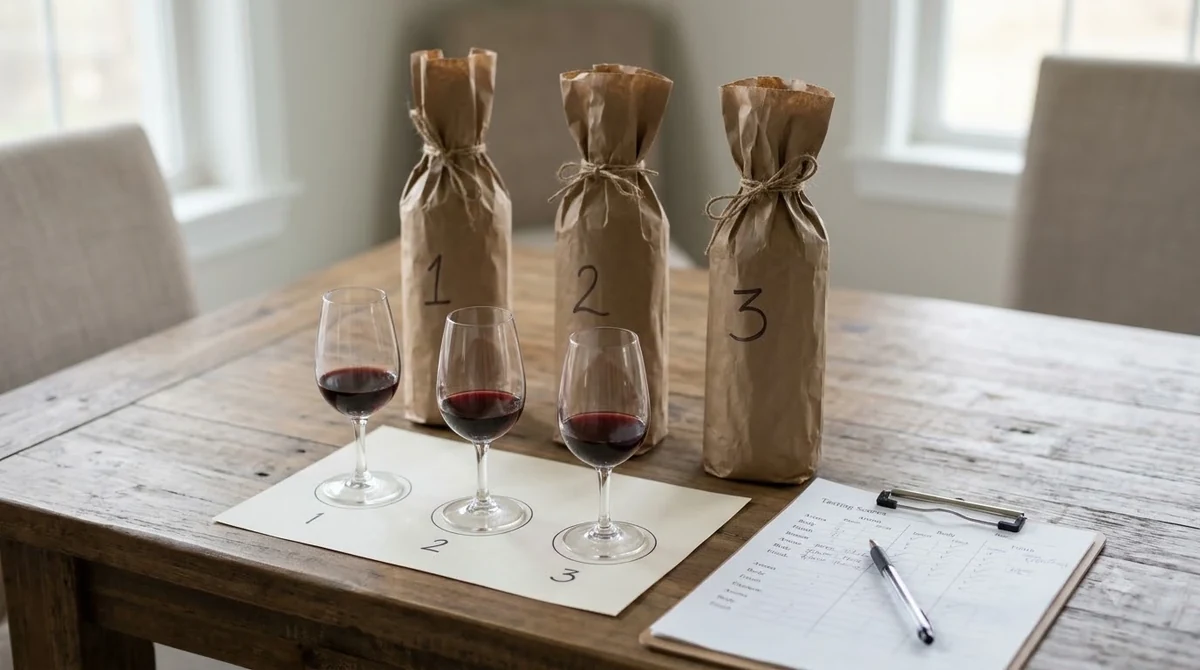
A deliberate flight is more useful than a long sequence of unrelated pours. Compare two or three Sauvignon Blancs first, then switch to Pinot Noir or an aromatic white so your palate can register different structures and flavors.
Begin with appearance, then smell before tasting. Note whether the Sauvignon Blanc suggests lime, grapefruit, passion fruit, cut grass or tomato leaf. On the palate, consider acidity, body, texture and the length of the finish. Citrus flavor is distinct from acidity, the mouthwatering sensation that gives a wine freshness. Ask the host whether the wine comes from Wairau, Southern Valleys or Awatere, and whether fermentation took place in stainless steel, oak or both.
For Pinot Noir, look for red-fruit clarity, savory notes, tannin texture and the role of oak. For Riesling or Pinot Gris, establish whether the wine is dry, off-dry or sweet before deciding how it balances. Ask whether contrasts come from site, harvest timing, ripeness, yeast, vessel or time on lees.
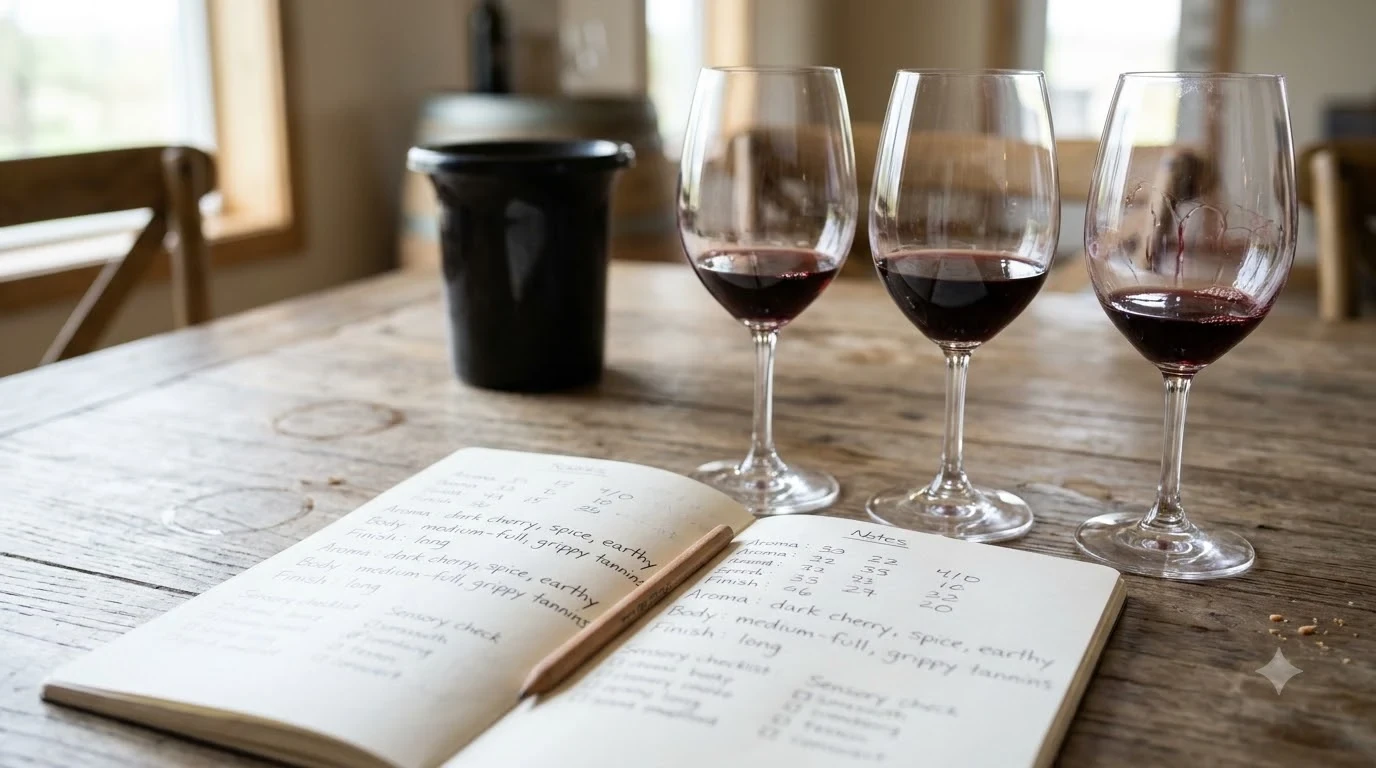
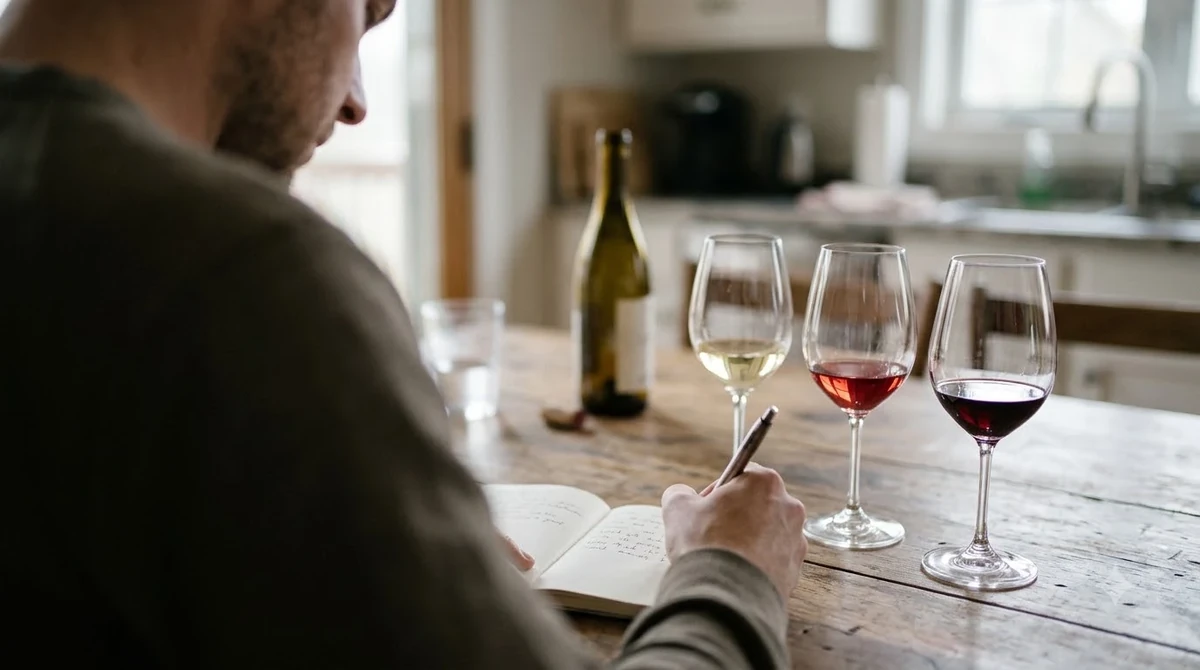
Take brief notes using plain terms such as “lime,” “ripe peach,” “grassy,” “silky,” “firm acidity” or “long finish.” Record the producer and subregion beside the note, because memory can blur wines together after several stops. If you find a style you particularly like, ask whether the cellar door offers another bottling from the same vineyard or a different vintage for comparison. A side-by-side tasting is often the clearest way to understand a producer’s choices.
Planning a Marlborough Wine Tasting Day
Allow time for fewer stops rather than trying to visit every cellar door. Wine Marlborough suggests three to five cellar doors for a typical day, with each tasting taking around 40 to 60 minutes.
The region has more than 30 cellar doors, and experiences range from informal tasting trays to guided presentations. Some sites also offer food, vineyard views or events, but opening patterns vary. Wine Marlborough notes that a number of tasting rooms close during winter even when the winery remains open for bottle sales, so confirm tasting availability and hours directly before setting out. Book lunch ahead, especially if you have a particular winery restaurant or a fixed midday window in mind.
Rapaura and Renwick are useful reference points for central Wairau, where the regional profile describes free-draining gravels and stony riverbeds. Group nearby cellar doors and avoid driving back and forth between valleys just to fit in one extra tasting. The official Marlborough cellar-door directory is a practical starting point for current visitor information and the wine trail map.
Cycling can suit the flatter vineyard areas, but plan for the distance between stops and time at each tasting. Use a guided tour, shuttle or designated driver when the itinerary includes alcohol, and leave time for water, food and a break. For a first visit, choose one main area and one contrasting area rather than trying to cover all three subregions in one afternoon: pair Wairau’s classic Sauvignon Blanc profile with Awatere’s herbal intensity, or focus on Southern Valleys for Pinot Noir. A second day makes it easier to explore another valley or book a deeper producer appointment.
Food Pairings and Serving Temperatures
Marlborough’s bright whites are natural partners for seafood, fresh herbs and dishes with citrus, while Pinot Noir works with poultry, mushrooms and salmon. Match acidity in the glass to acidity on the plate, and avoid letting a delicate wine disappear beneath heavy seasoning or intense chili heat.
Sauvignon Blanc’s high acidity cuts through fried fish, oysters, scallops and goat cheese. It also works with salads dressed with lemon or vinegar, provided the wine is at least as acidic as the dish. Herb-forward Awatere Sauvignon Blanc suits asparagus, parsley or cilantro; fruitier Wairau bottlings pair with prawns, fish tacos or grilled shellfish. For very spicy food, choose a lower-alcohol, softer wine because alcohol and tannin can make chili heat seem stronger. Pinot Noir’s lower-to-medium tannin suits roast chicken, duck, grilled salmon, lentils or mushrooms. Chardonnay can accompany creamy seafood or corn, while Riesling pairs with aromatic Asian dishes when sweetness balances the heat. Match the wine’s weight to the dish, not simply its color to the protein.
Serve Sauvignon Blanc, Pinot Gris and other light whites at 45–50°F; fuller Chardonnays show better around 50–55°F. Light-bodied Pinot Noir is best slightly cool, around 55–60°F, rather than warm room temperature. Sparkling wine is generally most refreshing at 40–50°F. A 750-milliliter bottle yields about five standard 5-ounce glasses.
Tip: Taste Sauvignon Blancs side by side at the same temperature, ideally 45–50°F, and begin with the lightest or least oaked example. Keeping serving conditions consistent makes differences in subregion, ripeness and texture easier to identify.
Food can also clarify a wine’s balance. Salt and fat soften tannin, which can make Pinot Noir seem rounder with a savory dish; very acidic foods can make a low-acid wine seem flat, so choose a lively white for vinaigrette, citrus or pickled ingredients. An aromatic white or Pinot Noir may bridge delicate seafood and a richer main course more gracefully than an intensely oaked or heavily tannic wine.
Frequently Asked Questions
These five quick answers cover regional language, sweetness, certification, sparkling production and transport choices that often come up while planning a visit.
What does “Kei Puta Te Wairau” mean?
The Māori phrase is commonly translated as “the place with the hole in the cloud.” It refers to the Wairau Valley’s reputation for sunshine and is associated with the local landscape, not a formal wine classification.
Does Marlborough make sweet wine?
Yes. Although dry Sauvignon Blanc is the best-known style, Pinot Gris and Riesling can be made with noticeable residual sugar, and late-harvest bottlings may be sweeter still. Ask for the wine’s sweetness level rather than assuming the grape name tells you how dry it will taste.
What is Appellation Marlborough Wine?
Appellation Marlborough Wine is a regional certification intended to protect the origin and reputation of Marlborough wines. Wine Enthusiast describes its eligibility rule as requiring 100% Marlborough-sourced fruit, and the program now covers varieties beyond Sauvignon Blanc, including Pinot Noir and Chenin Blanc.
Does Marlborough produce traditional-method sparkling wine?
Yes. The Méthode Marlborough certification covers sparkling wines made from Pinot Noir, Chardonnay and Pinot Meunier, with a second fermentation in the bottle and at least 36 months of aging. That extended time on lees can add texture and notes associated with bread or pastry.
Can visitors explore Marlborough without renting a car?
Yes. Guided wine tours and cycling routes offer alternatives to self-driving, and some operators provide transport between cellar doors. The best option depends on the distances between the wineries you select, so group stops by area and confirm pickup arrangements before booking.
A strong Marlborough itinerary makes room for both the familiar and the unexpected: compare Sauvignon Blanc across the valleys, then give Pinot Noir and aromatic whites equal attention. With a planned route, confirmed tasting hours and a safe way to travel, visitors can leave with a much clearer sense of how this South Island region expresses its place in the glass.
More in Wine Regions
 Willcox Wine Trail: Discover Arizona’s High-Elevation Wine CountryUpdated Nov 20, 2026
 Yakima Valley Wine Region: Find the Best Styles to TryUpdated Nov 20, 2026
 Vosne Romanee Wine Tasting: Identify Aromas and Choose Better PairingsUpdated Nov 20, 2026
 Yakima Valley Wine Festival: Find the Best Seasonal Wine EventsUpdated Nov 20, 2026
 Wales Vineyards: Discover Cool-Climate Wines and Where to VisitUpdated Nov 20, 2026
 Yountville Wine Festival: Discover Napa Wines and Local FoodUpdated Nov 20, 2026