

We may earn a commission when you buy through links on this page, at no extra cost to you. Learn more.
This mark west pinot noir review finds that Mark West is an approachable, medium-bodied California red with recognizable cherry and berry flavors, soft tannins, and an easygoing finish. It is a practical choice for casual dinners, grilled foods, and drinkers who prefer fruit-forward Pinot Noir over more restrained, earthy expressions. Its appeal comes from familiar flavors and straightforward drinking rather than the complexity of a premium single-vineyard wine.
Mark West has focused on Pinot Noir for decades, building a recognizable name around accessible California wine. The standard bottling offers a familiar introduction to the grape, while the brand’s Cellar Select expression provides a more specific picture of its current fruit and oak character. Understanding the flavor profile, body, alcohol level, serving temperature, and food compatibility makes it easier to decide whether this bottle belongs in your regular wine rotation.
Who This Wine Is For
Mark West Pinot Noir is best suited to drinkers who want a medium-bodied red with familiar fruit flavors, gentle tannins, and enough versatility for everyday meals. It is particularly appealing to people who are exploring Pinot Noir and prefer an approachable California interpretation over a more delicate Burgundy-style expression.

The standard Mark West Pinot Noir is positioned as a California wine with cherry, red berry, dark fruit, and baking-spice characteristics. Total Wine describes its finish as soft, silky, smooth, and gentle. These qualities make it relatively easy to enjoy without extensive preparation, formal tasting knowledge, or an elaborate meal. Someone transitioning from Merlot or softer Cabernet Sauvignon may also find its fruit-forward profile familiar, although Pinot Noir generally has lighter tannins than Cabernet Sauvignon.
The wine also makes sense for households that want a red suitable for several different dinner situations. It can accompany grilled chicken, roasted pork, mushroom dishes, and moderately seasoned beef without requiring a specialized menu. Its medium body provides more presence than many light-bodied reds but avoids the heavier structure associated with some high-tannin wines.
However, Mark West is not necessarily the right choice for someone seeking pronounced earthy aromas, firm acidity, complex mineral characteristics, or extended cellar potential. Those characteristics can be important in more traditional expressions of Pinot Noir, particularly wines from specific Burgundy vineyards or carefully selected Oregon growing sites. Mark West prioritizes approachable fruit and consistency rather than presenting itself as a specialist collector’s wine.
Newer wine drinkers may appreciate the recognizable cherry and strawberry flavors because they provide an uncomplicated introduction to the variety. Experienced drinkers can approach it as a convenient dinner-table red rather than expecting the layered development of an expensive vineyard-designated bottle. For a broader introduction to producers and styles, the Wine Brands section provides useful context for comparing different labels.
In short, choose Mark West if the main priorities are an accessible fruit profile, moderate structure, and food flexibility. Look elsewhere if the most important qualities are pronounced terroir, delicate floral aromas, or substantial aging complexity.
Key Factors to Compare Before Buying
Three factors deserve particular attention: fruit character, structural balance, and alcohol content. These characteristics help explain why Mark West appeals to casual red-wine drinkers and whether its particular style matches your preferences.
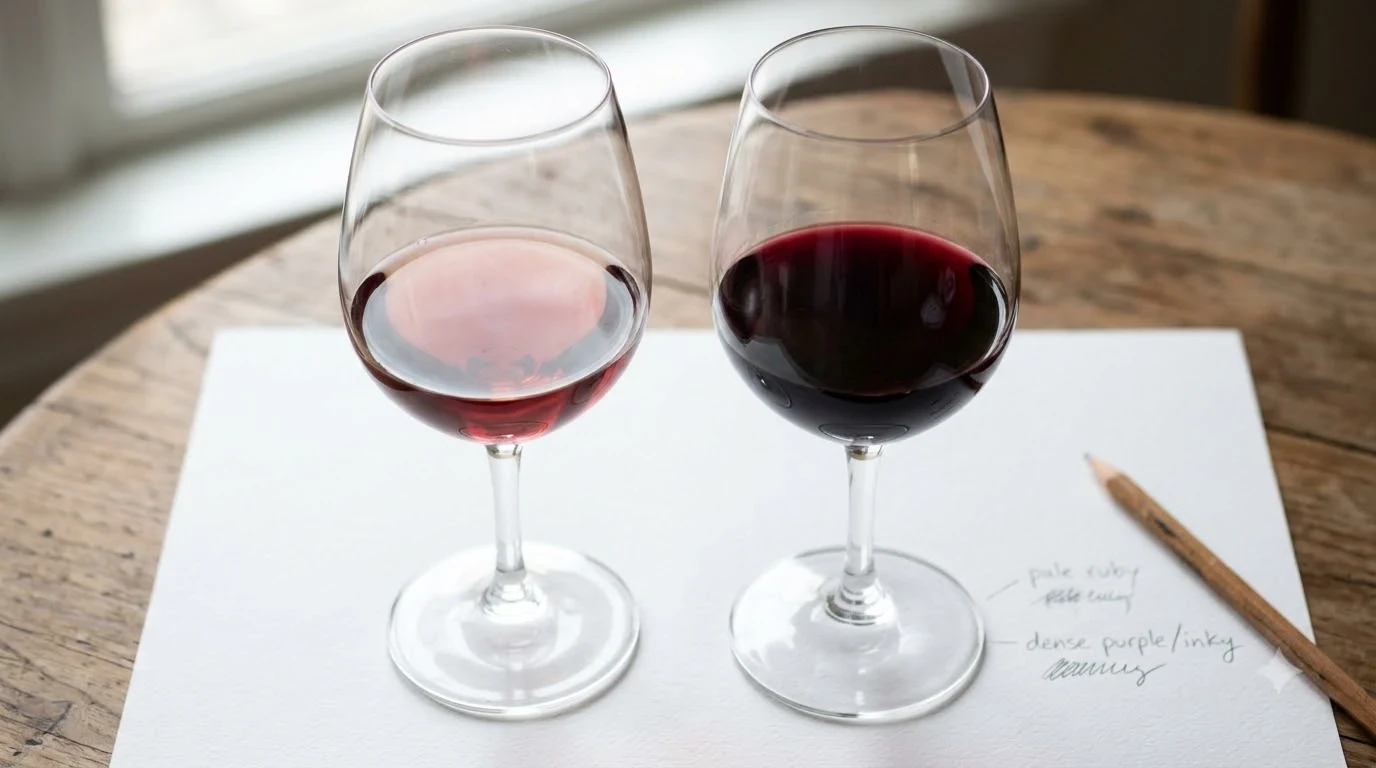
First, consider the difference between the standard bottling and the Cellar Select expression. The standard wine is commonly described through cherry, red berries, dark fruit, and baking spices. The official 2024 Cellar Select notes emphasize black cherry, mocha, vanilla, and caramel. Wine Enthusiast’s assessment of the 2024 vintage adds Bing cherry, ripe plum, citrus peel, pomegranate, strawberry, nutmeg, and maple. The precise profile therefore depends on the bottling and vintage being considered. The producer’s official Pinot Noir product information provides additional details about the Cellar Select expression and its recommended food pairings.
Second, look at body and tannin. Pinot Noir generally occupies the lighter-to-medium-bodied red category, with lower tannin than Cabernet Sauvignon. Mark West’s standard wine is described as medium-bodied, with a gentle finish. That combination makes it suitable for meals where a heavier red could overpower the food. It also helps explain why this wine works with poultry, pork, and certain seafood preparations.
Third, consider alcohol. Wine Enthusiast lists the 2024 Mark West Pinot Noir at 13.5% ABV in a 750 ml bottle. This is useful information for understanding the wine’s general strength and comparing it with other California reds. Individual bottlings and vintages can differ, so the specific alcohol figure should be treated as a product detail rather than a permanent characteristic of every Mark West Pinot Noir.
| Comparison factor | Mark West profile | What it means |
|---|---|---|
| Grape variety | Pinot Noir | Typically lighter tannins than Cabernet Sauvignon |
| Origin | California, USA | Fruit-forward regional style |
| Body | Medium | Suitable for everyday meals |
| Alcohol | 13.5% ABV for the reviewed 2024 bottling | Check the particular vintage information |
| Bottle size | 750 ml | About five standard 5 oz pours |
| Fruit characteristics | Cherry, strawberry, plum | Recognizable red and dark fruit flavors |
| Additional characteristics | Mocha, vanilla, caramel, baking spice | Some bottlings show noticeable oak-related notes |
| Tannin impression | Soft to integrated | Less drying than a strongly tannic red |
| Serving temperature | 55–60°F | Suitable for light-to-medium-bodied reds |
One useful way to evaluate the bottle is to consider how much fruit and oak you enjoy. Drinkers who like recognizable cherry and plum flavors may appreciate the standard style. People who prefer more pronounced mocha, vanilla, and caramel characteristics may find the Cellar Select tasting notes especially interesting.
It is also important to distinguish perceived sweetness from actual sugar content. Ripe fruit aromas and flavors can make a dry wine seem sweeter than it is. The presence of strawberry, plum, or caramel notes does not automatically mean the wine contains significant residual sugar. Mark West should generally be approached as a dry red unless a particular bottling is identified otherwise.
Finally, consider the intended occasion. A straightforward California Pinot Noir can be useful for informal dinners, weekend gatherings, and meals with several different components. A more complex wine may be preferable for a dedicated tasting or an occasion where subtle vineyard character is the main attraction.
Step-by-Step: How to Evaluate and Serve Mark West
A few simple steps can make the wine more enjoyable and help you identify whether its style suits your preferences. Temperature, glassware, pouring size, and food selection all influence how its fruit and structure come across.
-
Identify the bottling.
Start by distinguishing the standard Mark West Pinot Noir from the Cellar Select expression. The official 2024 Cellar Select description identifies black cherry, mocha, vanilla, and caramel aromas, while standard retail descriptions commonly emphasize cherry, strawberry, dark fruit, and baking spice. This distinction matters because different bottlings can present different combinations of fruit and oak.
-
Check the alcohol information.
Look for the ABV printed on the bottle. Wine Enthusiast lists 13.5% for the 2024 Mark West Pinot Noir. Alcohol contributes to the overall weight and warmth of a wine, although it is only one part of the tasting experience. Compare the specific bottle rather than assuming every vintage has identical alcohol content.
-
Allow the wine to reach an appropriate temperature.
Serve light-to-medium-bodied red wines around 55–60°F. A bottle stored in a warm room may benefit from a short period in the refrigerator before serving. Avoid serving Pinot Noir excessively warm, since elevated temperatures can make alcohol more noticeable and reduce the impression of freshness.
-
Choose suitable glassware.
A standard red-wine glass with a reasonably wide bowl works well. The bowl provides space for the aromas to collect, while the opening allows the wine to be directed comfortably toward the palate. A specialized Burgundy glass is optional rather than essential for an everyday California Pinot Noir.
-
Pour a measured serving.
A standard wine pour is 5 oz. A 750 ml bottle contains approximately 25.4 fluid ounces, which works out to about five standard pours. This is a useful serving calculation for planning dinner rather than filling glasses to the rim.
-
Assess the aroma before drinking.
Begin with the glass upright, then gently swirl it to release aromatic compounds. Look for cherry, strawberry, plum, and baking spice in the standard style. For the 2024 Cellar Select, black cherry, mocha, vanilla, and caramel are among the producer’s published aroma descriptors.
-
Taste the wine with food.
Try a small sip before eating, then taste it with grilled chicken, roasted pork, or a mushroom dish. Notice whether the fruit becomes more pronounced or whether the food makes the wine seem more balanced. This is a practical way to understand its food compatibility without requiring technical tasting experience.
There is generally no need for elaborate preparation. Unlike a young, highly structured Cabernet Sauvignon, an approachable Pinot Noir can often be poured shortly after opening. A brief period of exposure to air may help the aromas become more expressive, but extensive decanting is not normally necessary for this style.
Tip: If the bottle has been stored at ordinary room temperature, chill it briefly before serving. Aim for 55–60°F rather than serving it warm. Cooler serving temperatures help preserve the impression of fresh cherry and strawberry while keeping the alcohol less prominent.
For anyone comparing different bottlings, keep notes on the vintage, ABV, aroma, and finish. Two bottles carrying the same brand name may have slightly different characteristics because of changes in fruit sourcing, growing conditions, and winemaking decisions.
Types and Flavor Styles Explained
Mark West’s Pinot Noir range is best understood by separating the familiar standard bottling from its Cellar Select and Black Pinot Noir expressions. These names indicate different presentations of the grape rather than entirely different varieties.
The standard Pinot Noir is the straightforward option for drinkers who want recognizable California fruit. Retail descriptions highlight cherry, red berries, dark fruit, and baking spices, alongside a soft and gentle finish. It is the most natural starting point for someone who wants to understand the brand’s general style without searching for a specialized expression.
The Cellar Select bottling has a more specifically documented aroma profile in the producer’s 2024 description. Black cherry, mocha, vanilla, and caramel give it a richer aromatic impression. Wine Enthusiast also identifies ripe plum, pomegranate, strawberry, citrus peel, nutmeg, and maple in its description of the 2024 wine. These descriptors suggest a fruit-led wine with additional spice and oak-related character.
Black Pinot Noir is another expression worth distinguishing. Wine Enthusiast’s Mark West listings identify a 2023 Black Pinot Noir from the Central Coast separately from the California Pinot Noir bottling. Retail descriptions characterize Black Pinot Noir as bolder, richer, and more plush than the standard expression. This makes it a possible alternative for drinkers who prefer darker fruit and a fuller impression.
Understanding the fruit profile
Cherry is one of the most recognizable characteristics associated with Mark West Pinot Noir. Red cherry and strawberry typically create a fresh, approachable impression, while plum and darker fruit provide additional depth. These characteristics are familiar in many California Pinot Noir wines, particularly those designed for immediate enjoyment.
Oak-related aromas can add another dimension. Vanilla, caramel, mocha, and baking spice can make the wine seem rounder and richer. However, these notes should not be confused with actual sweetness. A dry wine can have pronounced vanilla or ripe-fruit aromas while retaining a dry finish.
Understanding body and tannin
Pinot Noir generally has lower tannin than Cabernet Sauvignon and often presents more visible acidity. This combination allows the grape to work with dishes that might be overwhelmed by a heavily structured red. Mark West’s medium-bodied presentation provides enough flavor to accompany roasted meat without relying on aggressive tannins.
The wine’s style also helps explain its appeal to people who are not particularly interested in powerful reds. Instead of a dense structure, the emphasis is on fruit, accessible texture, and a relatively gentle finish. This is a useful distinction when deciding between Pinot Noir, Merlot, Syrah, and Cabernet Sauvignon.
For a drinker who wants more detail about the standard bottle’s strength, the Mark West Pinot Noir alcohol content information is a useful next step. Alcohol level is particularly relevant when comparing different vintages and expressions.
Common Mistakes When Choosing Mark West Pinot Noir
The most common buying mistakes involve confusing fruitiness with sweetness, expecting every vintage to taste identical, and treating all Pinot Noir wines as interchangeable. Understanding these differences helps set realistic expectations before opening a bottle.
Mistake 1: Assuming fruity wine means sweet wine.
Mark West Pinot Noir has prominent fruit descriptors, including cherry, strawberry, plum, and dark fruit. Those characteristics describe aromas and flavors rather than necessarily indicating residual sugar. A wine can smell like ripe berries and still finish dry. Anyone specifically seeking a sweet red should not rely on fruit descriptions alone when selecting a bottle.
Mistake 2: Expecting a light Burgundy-style expression.
Pinot Noir is grown in many regions, and the resulting wines can vary substantially. Some Burgundy examples emphasize earth, flowers, acidity, and restrained fruit. Mark West’s California style places greater emphasis on recognizable fruit and approachable texture. The two approaches should not be judged as if they were intended to deliver identical experiences.
Mistake 3: Serving the wine too warm.
Many people serve red wine at ordinary room temperature, even when the room is considerably warmer than traditional cellar conditions. A Pinot Noir served at 70°F or above can feel heavier and more alcoholic. Aim for 55–60°F to preserve its fruit character and provide a fresher overall impression.
Mistake 4: Pairing it with extremely spicy food.
Although Pinot Noir can accompany moderately seasoned dishes, intense chili heat may make alcohol and tannin seem more pronounced. A heavily spiced meal can overwhelm the wine’s relatively gentle structure. If serving it with spicy shrimp or jalapeño dishes, keep the heat moderate and include enough richness or cooling ingredients to balance the meal.
Mistake 5: Pairing it with very oily fish without considering tannin.
Pinot Noir is generally more suitable for certain salmon and grilled fish preparations than highly tannic reds, but food preparation still matters. Oily fish can clash with more tannic red wines, creating an unpleasant impression. A lightly seasoned salmon fillet with a modest amount of sauce is a more sensible starting point than a heavily charred, intensely seasoned seafood dish.
Mistake 6: Expecting the same flavor from every vintage.
Vintage conditions affect grape development, acidity, fruit concentration, and the final balance of a wine. The official 2024 Cellar Select notes differ in detail from broader retail descriptions of the standard wine. This does not necessarily indicate a quality problem; it reflects differences in bottling and vintage presentation.
Mistake 7: Assuming every Mark West expression has the same body.
The standard Pinot Noir, Cellar Select, and Black Pinot Noir should not automatically be treated as identical wines. The Black expression is described as richer and more plush, while the standard wine is associated with a gentler profile. Comparing the actual expression is more useful than choosing solely by the brand name.
Mistake 8: Over-decanting a wine that is ready to drink.
Decanting is useful for some young, concentrated reds and older bottles with sediment, but it is not a universal requirement. An approachable Pinot Noir generally does not need 60 minutes of aeration. Open the bottle, pour a small sample, and allow the glass to develop naturally before deciding whether additional air would help.
Care, Serving, and Storage Tips
Proper storage and serving conditions help preserve the wine’s fruit character. The most important factors are stable temperature, protection from sunlight, suitable bottle positioning, and careful refrigeration after opening.
For unopened bottles, a storage temperature near 55°F is a useful target. Consistency matters more than achieving an exact number, because repeated temperature fluctuations can be damaging over time. Avoid leaving wine in a hot kitchen, beside a radiator, or in a car where temperatures can change quickly.
Store bottles on their sides when they use natural cork closures, particularly if they will remain unopened for an extended period. Horizontal storage helps keep the cork in contact with the wine. If the bottle has a screw cap, horizontal storage is less important, although a cool, dark environment remains beneficial.
Light is another consideration. Direct sunlight and strong artificial lighting can negatively affect wine over time. A dark cupboard, dedicated wine refrigerator, or temperature-controlled storage space is preferable to an exposed kitchen shelf. Avoid storing bottles directly beside appliances that produce heat or vibration.
Serving temperature and glassware
Serve Mark West Pinot Noir around 55–60°F. If the bottle has been stored in a room that is warmer than this range, place it in the refrigerator briefly before opening. If it becomes too cold, allow it to warm gradually in the glass.
A conventional red-wine glass is sufficient. A Burgundy-style bowl can help collect the aromas, but specialized glassware is not essential for enjoying an everyday wine. Clean glassware without detergent residue also helps prevent unwanted aromas from interfering with the wine’s natural characteristics.
Storage after opening
Once opened, reseal the bottle securely and place it in the refrigerator. Even red wines benefit from refrigeration after opening because cooler temperatures slow the oxidation process. Before serving another glass, allow the wine to warm slightly toward its preferred serving temperature.
Still wines generally retain their best qualities for approximately three to five days after opening when properly resealed and refrigerated. The actual condition depends on the wine, how much air remains in the bottle, and how consistently it has been stored. A half-full bottle generally has more air exposure than a nearly full one.
Do not leave the bottle uncorked on a dining table overnight. Oxygen exposure gradually changes the wine’s aromas and flavors. If you expect to drink the remaining wine over several days, a suitable stopper can make storage more convenient.
Food pairing ideas for different occasions
Food pairing is one of the strongest practical reasons to keep an approachable Pinot Noir available. Its moderate tannin and fruit-driven character allow it to accompany several everyday dishes.
For poultry, try roasted chicken with herbs, grilled chicken breast, or turkey with mushroom gravy. The wine’s cherry and plum characteristics provide a pleasant contrast to the savory flavors of roasted meat. Avoid excessively sweet sauces that might make the wine taste more acidic or less balanced.
For pork, roasted pork tenderloin and grilled pork chops are sensible options. The wine’s fruit can complement the meat’s mild richness without the aggressive tannin that sometimes accompanies fuller reds. A preparation with rosemary, thyme, or mushrooms can also connect naturally with the wine’s spice and earthy characteristics.
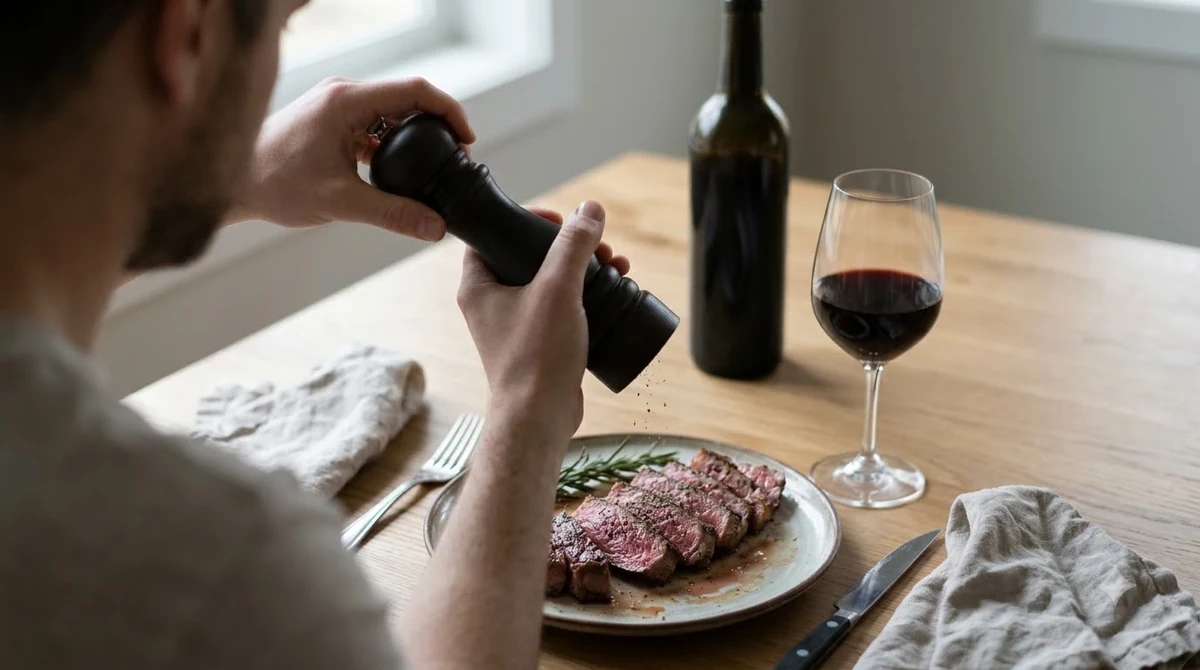
For beef, the producer specifically recommends tri-tip with its 2024 Cellar Select Pinot Noir. Roasted vegetables are another official pairing suggestion. A moderately seasoned grilled steak can also work, particularly when the dish does not rely on very sweet barbecue sauce or excessive chili heat.
For vegetarian meals, roasted mushrooms, lentils, grilled eggplant, and herb-seasoned vegetables can provide satisfying combinations. Mushroom dishes are particularly useful because their savory character can complement the wine’s fruit and spice notes.
For a more detailed list of meal ideas, the Mark West Pinot Noir food pairing guide can help match the bottle with specific ingredients and cooking methods.
Frequently Asked Questions
Is Mark West Pinot Noir suitable for beginners?
Yes. Pinot Noir is often a useful starting point for someone moving from white wine toward red wine because it generally has less tannin than Cabernet Sauvignon. Mark West’s recognizable cherry and strawberry characteristics also provide an accessible introduction to California red wine. A conventional red-wine glass is sufficient for serving it.
Does Mark West Pinot Noir use a cork or screw cap?
Retail product information identifies the standard Mark West Pinot Noir as using a twist-off closure. This makes opening the bottle convenient without a corkscrew. Closure details can vary between packaging versions, so do not assume every special expression uses the same closure.
Can Mark West Pinot Noir be used for cooking?
It can be used in savory preparations that call for dry red wine, including mushroom sauces, pan sauces, and some braised dishes. Use a wine whose fruit and seasoning profile works with the recipe rather than choosing one based on sweetness. Avoid recipes that require a very concentrated or heavily tannic red if you want a more delicate sauce.
Should Mark West Pinot Noir be served in a Burgundy glass?
A Burgundy glass is optional rather than necessary. Its wider bowl can provide more room for aromas to develop, but a standard red-wine glass works perfectly well for ordinary meals. The more important serving consideration is keeping the wine close to 55–60°F.
Does Mark West Pinot Noir need to be aged before drinking?
The standard style is designed for approachable drinking rather than requiring extended bottle aging. There is little reason to purchase it solely for long-term cellaring. Store an unopened bottle away from heat and sunlight, and enjoy it while its fruit-forward character remains appealing.
Mark West Pinot Noir is a sensible choice for drinkers who value familiar California fruit, medium body, and a smooth finish over elaborate structure or long-term aging potential. Its standard bottling offers an uncomplicated introduction to the grape, while Cellar Select provides a more specifically documented combination of cherry, mocha, vanilla, and caramel characteristics. Choose the expression that matches your preferred flavor profile, serve it slightly cool, and pair it with roasted poultry, pork, mushrooms, or moderately seasoned grilled food.
More in Wine Brands
 Underwood Wine Price: Compare Bottles, Cans, and Pack SizesUpdated Nov 21, 2026
 Zenato Wine Price: Compare Styles and Choose the Right BottleUpdated Nov 21, 2026
 Zuccardi Wine Price: Compare Bottles and Find the Right RangeUpdated Nov 21, 2026
 Yellow Tail Moscato Review: Taste, Sweetness and Serving TipsUpdated Nov 21, 2026
 Wolf Blass Yellow Label Review: Choose Your Best StyleUpdated Nov 21, 2026
 Wolffer Estate Rose Review: Choose the Right Bottle for Your TableUpdated Nov 21, 2026