

We may earn a commission when you buy through links on this page, at no extra cost to you. Learn more.
Margaux wine tasting introduces you to some of Bordeaux’s most elegant red wines, known for their Cabernet Sauvignon blends, floral aromas, fine tannins and distinctive gravel-soil character. Located on Bordeaux’s Left Bank in the Médoc, Margaux produces structured wines that balance concentrated dark fruit with freshness and finesse. Understanding its vineyards, grape varieties, classifications and traditional tasting characteristics makes it easier to appreciate the differences between individual estates and vintages.
Margaux is one of Bordeaux’s most recognizable wine appellations, attracting visitors interested in historic châteaux, carefully crafted red blends and distinctive vineyard landscapes. Its reputation rests on more than famous estates: the combination of gravelly soils, maritime influences and complementary grape varieties creates a recognizable regional identity. Whether you are planning a visit to France or exploring Margaux bottles at home, learning what to look for can make every tasting more rewarding.
Where Margaux Is Located and What Makes Its Terroir Special
Margaux occupies a prominent position in the Médoc, on Bordeaux’s Left Bank between the Atlantic Ocean and the Gironde Estuary. Its gravel terraces, moderate maritime climate and varied vineyard exposures help explain why the appellation produces wines associated with fragrance, elegance and aging potential.
The appellation covers approximately 1,500 hectares and includes four principal communes: Arsac, Labarde, Margaux-Cantenac and Soussans. The central village of Margaux and the neighboring vineyards of Cantenac are particularly important to its reputation. Although the area is geographically compact compared with major wine-producing regions elsewhere, its estates display considerable differences in soil composition, vineyard management and winemaking philosophy.
Much of the region’s distinctive geology comes from deposits left by the Garonne River during the Quaternary period. Gravel, rounded stones and sand form terraces above older geological layers containing limestone and clay-marl. These soils vary from one vineyard parcel to another, creating different growing conditions within the same appellation.
Gravel is especially important because it drains water efficiently and absorbs warmth during the day. The stones can help moderate soil temperatures, while the underlying layers influence how much water remains available to vine roots. On suitable sites, these conditions support the slow development of Cabernet Sauvignon, a grape that needs sufficient warmth and time to reach full maturity.
The climate adds another important influence. The Atlantic Ocean and Gironde Estuary moderate temperature extremes, helping reduce the risks associated with severe cold and excessive summer heat. Maritime conditions also mean that rainfall, particularly around harvest, can influence the quality and character of individual vintages.
The appellation’s history stretches back to the Gallo-Roman period, although its modern vineyard landscape developed significantly after drainage projects during the 17th century. Château Margaux appeared in historical records in 1705, and the appellation received official recognition in 1954.
For wine lovers comparing Bordeaux regions, Margaux provides an interesting contrast with neighboring Pauillac and Saint-Julien. Pauillac is often associated with greater power and concentration, while Margaux is especially admired for its perfume, refined tannins and graceful structure. Exploring Bolgheri wine tasting also provides a useful comparison because both regions use Cabernet Sauvignon prominently, although their climates, soils and blending traditions differ.
The Grapes and Blending Style Behind Margaux Wines
Margaux produces exclusively red appellation wines, with Cabernet Sauvignon serving as the principal grape. Merlot, Cabernet Franc and Petit Verdot complete the traditional blend, each contributing a different element of fruit, texture, aroma or structure.
Cabernet Sauvignon represents approximately 60% of the planted vineyard area, according to the Maison du Vin de Margaux. It provides the backbone of many wines, contributing dark-fruit flavors, firm tannins, acidity and the structural foundation required for extended aging.
In the glass, Cabernet Sauvignon commonly suggests blackcurrant, blackberry, cedar and sometimes graphite-like notes. With bottle age, these youthful fruit characteristics can develop into more complex aromas involving tobacco, leather, dried herbs and earth. Its tannic structure is one reason many prestigious Margaux wines benefit from several years of maturation.
Merlot provides an important counterbalance. It is harvested earlier than Cabernet Sauvignon and generally contributes rounder fruit, a softer texture and a fuller impression of sweetness on the palate. Plum, ripe cherry and black fruit are common descriptors. Its presence helps balance Cabernet Sauvignon’s firmer structure.
Cabernet Franc is generally used in smaller proportions. It contributes freshness, aromatic finesse and additional complexity, sometimes introducing herbal or floral characteristics. Petit Verdot is another complementary variety, typically harvested late and used to strengthen color, tannins and spicy aromas.
Malbec, also called Côt, and Carmenère are permitted varieties in the appellation, although the Maison du Vin de Margaux identifies Cabernet Sauvignon, Merlot, Cabernet Franc and Petit Verdot as the four dominant varieties in the current vineyard landscape.
Not every château uses the same proportions. A blend can reflect the estate’s soil types, individual vineyard parcels, growing conditions and desired house style. This is why two wines carrying the Margaux designation can taste noticeably different even when they come from the same vintage.
For visitors, tasting wines from several producers side by side is one of the best ways to understand this variation. Compare the intensity of black fruit, the prominence of floral notes, the firmness of the tannins and the length of the finish rather than assuming that every bottle should taste identical.
Understanding the 1855 Classification and Famous Margaux Châteaux
The 1855 Bordeaux classification is an important part of Margaux’s identity, with 21 classified growths among the 61 estates recognized in the original Médoc classification. It provides historical context for understanding the region’s prestigious estates, although it should not be treated as a complete ranking of every wine produced today.
The classification was established in connection with the Paris Universal Exhibition under Napoleon III. Médoc estates were organized into five growth levels, ranging from First Growth to Fifth Growth. Margaux is unusual because it has classified estates represented at every one of these five levels.
Château Margaux is the appellation’s most internationally recognized estate and one of the four original First Growths in the 1855 Médoc classification. It is also the only classified château that carries the name of its appellation.
Other important estates include Château Rauzan-Ségla, Château Palmer, Château Brane-Cantenac, Château Giscours and Château d’Issan. Their different vineyard locations, blending approaches and winemaking decisions provide useful examples of the diversity found within Margaux.
Château Palmer, for example, is particularly associated with an expressive style that can show ripe fruit and aromatic complexity. Château Brane-Cantenac is another important name for visitors interested in the relationship between vineyard conditions and the refined structure associated with the appellation.
The classification also includes estates that may offer different interpretations of Margaux depending on their individual circumstances. Some emphasize Cabernet Sauvignon and long-term structure, while others produce wines with a more immediate impression of fruit and softer texture.
It is important to remember that classification is a historical designation rather than a guarantee that every bottle from a higher-ranked estate will be preferable to every bottle from a lower-ranked producer. Vintage conditions, vineyard management, storage and personal taste all influence the experience.
The appellation also includes non-classified producers and estates belonging to categories such as Crus Bourgeois and Crus Artisans. These producers can provide valuable opportunities to explore the regional style without limiting a tasting to the most famous château names.
For a broader understanding of the terminology used across European wine regions, the Wine Regions resource offers useful background on appellations, geographical classifications and regional wine styles.
Planning a Margaux Wine Tasting and Château Visit
A successful Margaux visit combines advance planning with a clear idea of what you want to learn. The best approach is to arrange winery appointments, select a manageable number of estates and leave enough time to compare wines without rushing between tastings.
Margaux lies approximately 30 kilometers north of Bordeaux, making it a practical destination for a day trip from the city. Visitors can explore the Médoc wine route, admire château architecture and experience the vineyards that produce the appellation’s famous Cabernet Sauvignon blends.
Start by deciding whether you prefer a technical winery visit, a historic estate experience or a comparative tasting. Some visits focus on vineyard management and soil differences, while others explain fermentation, barrel aging and blending decisions. A well-structured appointment can cover several of these subjects.
The Maison du Vin de Margaux is a useful starting point for regional information. Located at Place de la Trémoille in Margaux, it provides an introduction to the appellation and can help visitors understand the local wine landscape. Its official website, Maison du Vin de Margaux, provides information about the vineyards, grape varieties and regional wine tourism.
Before selecting a château, check its current visitor arrangements. Some estates welcome individual visitors, while others primarily accommodate organized groups or require reservations well in advance. Availability can also vary according to harvest activity, private events and seasonal schedules.
Choosing the Right Number of Tastings
Two or three well-planned château visits can provide a more useful experience than attempting to visit many estates in a single afternoon. Each appointment gives you time to understand the producer’s approach, taste the wines carefully and ask questions about the vintage.
A practical itinerary might include one classified growth, one smaller independent producer and a regional tasting. This creates opportunities to compare different levels of production and discover how individual estates interpret the same appellation.
Ask whether the tasting includes multiple vintages or wines from different vineyard sites. A vertical tasting compares several vintages of the same wine, while a horizontal tasting compares different producers or wines from the same vintage. Both formats can reveal important differences.
When to Visit
Spring and early autumn are attractive periods for exploring the Médoc. Spring offers fresh vineyard growth and generally pleasant conditions for walking around estates, while early autumn brings the excitement of the harvest season.
Harvest timing varies according to weather and grape maturity, so an autumn visit does not automatically guarantee that visitors can observe picking or winemaking operations. Some estates limit tours during their busiest working periods.
October is also associated with Margaux Saveurs, a regional event featuring tastings, workshops, concerts and meals. Its activities provide another way to experience the local wine culture beyond individual château appointments.
Tip: Contact each château directly before traveling, confirm the tasting language and appointment time, and ask whether the visit includes vineyard access or only the cellar and tasting room. Build travel time into your schedule rather than planning back-to-back appointments.
How to Taste Margaux Wine and Recognize Its Characteristics
A structured tasting helps reveal why Margaux is associated with elegance rather than sheer weight. Examine the wine’s appearance, aromas, acidity, tannins, fruit concentration and finish to understand how its components work together.
Begin by pouring a moderate sample into a clean wine glass. A standard tasting pour is approximately 5 ounces for a normal serving, although smaller amounts are more practical when comparing several wines. Hold the glass by its stem and examine the color against a white background.
Young Margaux wines commonly show deep ruby or garnet shades, sometimes with purple reflections. Older bottles can develop lighter brick or tawny edges as their pigments change during bottle maturation. Color alone does not establish quality, but it can offer clues about development.
Examining the Aromas
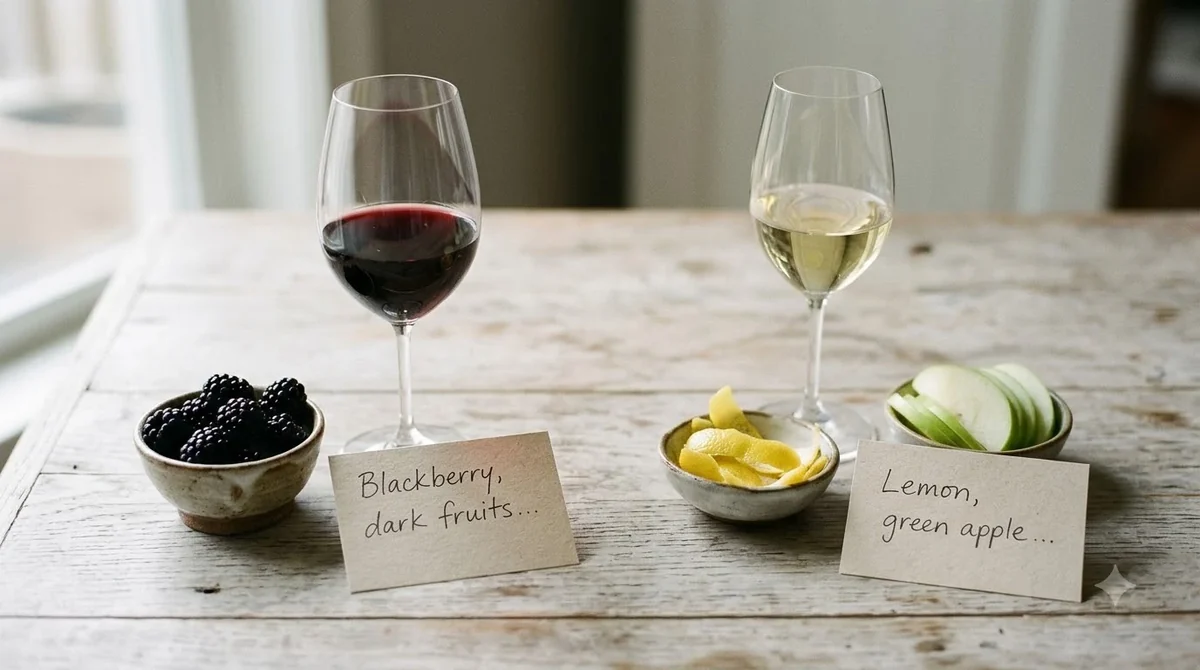
Swirl the glass gently to release aromatic compounds, then smell the wine before taking a sip. Look for blackcurrant, blackberry, plum and cherry, followed by secondary impressions such as cedar, tobacco, dried herbs and subtle spices.
Floral aromas are another characteristic often associated with Margaux. Violet and rose-like impressions can contribute to the wine’s perfume, especially in examples where the fruit and oak are well integrated.
As the wine develops in the glass, its aromatic profile may change. A young bottle might initially emphasize dark fruit and oak, then reveal herbal, earthy or floral characteristics after several minutes of exposure to air.
Evaluating Structure and Texture
Take a small sip and allow the wine to cover the palate. Notice whether the tannins feel fine and polished or firm and gripping. Cabernet Sauvignon is naturally high in tannin, but the perceived texture of a Margaux blend depends on the proportions of other grapes, extraction techniques and aging.
Acidity provides another important point of comparison. It keeps the wine fresh and prevents ripe fruit flavors from feeling overly heavy. A balanced example should show a relationship between fruit concentration, acidity and tannic structure rather than allowing one component to dominate.
Pay attention to the middle of the palate and the finish. Does the wine maintain its fruit character after the initial sip? Are the tannins integrated? Does the finish introduce additional aromas such as cedar, spice or dried flowers?
These observations help distinguish wines with different levels of maturity. A younger Margaux might display assertive fruit and noticeable tannins, while an older bottle can show more developed aromas and a softer overall impression.
Decanter’s regional profile of Margaux discusses the influence of lighter gravel soils and Cabernet Sauvignon on the appellation’s refined style. It is useful background when comparing Margaux with neighboring Médoc wines.
Margaux Wine Tasting Notes, Vintages and Aging Potential
Margaux is known for wines that can combine immediate aromatic appeal with considerable bottle-aging potential. Their development depends on vintage conditions, estate practices, grape maturity and the balance between fruit, acidity and tannins.
Young examples frequently emphasize blackcurrant, blackberry and plum. These fruit characteristics may be accompanied by cedar, vanilla, cocoa or toasted oak, depending on the producer’s barrel choices and maturation methods.
With additional bottle age, the fruit can become less overt and more complex. Secondary and tertiary aromas may include dried leaves, leather, tobacco, forest floor and subtle earthy notes. Tannins can become more integrated, giving the wine a smoother impression.
There is no single drinking window that applies to every Margaux wine. Some approachable bottlings can be enjoyed relatively young, while prestigious classified growths may require many years to show their full potential.
Vintage conditions also matter. Weather influences flowering, fruit development, ripeness and harvest decisions. A warm growing season may produce richer fruit and a fuller impression, while cooler or more challenging conditions can result in wines with different levels of concentration and structure.
When comparing vintages, focus on the relationship between fruit, tannin and acidity rather than relying entirely on a general vintage ranking. A well-made wine from a less celebrated vintage can still provide a rewarding experience.
Young, full-bodied Margaux wines may benefit from decanting for approximately 30 to 60 minutes. This allows the wine to open aromatically and can help soften the initial impression of firm tannins. Older bottles require more caution because prolonged exposure to air can cause delicate aromas to fade.
Storage conditions are equally important. Keep bottles in a dark, stable environment near 55 degrees Fahrenheit, away from temperature fluctuations, direct sunlight and vibration. Bottles sealed with traditional corks are generally stored horizontally to keep the cork from drying out.
For an older bottle, consider standing it upright before opening so sediment can settle. Pour carefully and stop when sediment approaches the neck. Decanting should be based on the wine’s condition rather than performed automatically for every vintage.
Food Pairings and Serving Margaux Wine Correctly
Margaux’s Cabernet Sauvignon-based structure makes it particularly suitable for dishes with savory flavors, roasted meat and moderate richness. Protein and fat can soften the perception of tannins, while complementary herbs and cooking methods help bring out the wine’s aromatic complexity.
Roast beef is a classic pairing because its savory character works naturally with dark fruit, cedar and the firm structure of Cabernet Sauvignon. Grilled lamb is another excellent option, especially when seasoned with rosemary, thyme, garlic or black pepper.
Beef tenderloin, slow-roasted short ribs and herb-crusted lamb chops can also work well. Rich meat dishes provide enough texture to balance the wine, while browned surfaces contribute savory flavors that complement its development.
For poultry, choose dishes with more pronounced flavors and texture. Roast duck, particularly when served with mushrooms or a savory reduction, can pair effectively with a mature Margaux. The wine’s acidity and developed aromas help balance the richness of the meat.
Cheese and Vegetable Pairings
Hard cheeses such as aged Comté and mature Gouda can be good choices because their savory flavors and firm textures complement the wine’s tannins. Mild, creamy cheeses may work with softer, more approachable Margaux bottlings, although very salty or strongly flavored cheeses can overwhelm delicate aromas.
Mushroom-based dishes are another natural match. Roasted mushrooms, mushroom risotto and dishes containing porcini can echo the earthy characteristics that develop in aged Bordeaux reds.
For vegetables, consider grilled eggplant, roasted root vegetables and dishes containing caramelized onions. Their savory and slightly sweet flavors can complement the wine without competing with its structure.
Avoid pairing heavily tannic Margaux with oily fish such as sardines or mackerel. Fish oils can create an unpleasant interaction with substantial red-wine tannins. Delicate white fish is also generally better suited to wines with less tannic structure.
Serving Temperature and Glassware
Serve full-bodied Margaux wines at approximately 60 to 65 degrees Fahrenheit. This range allows the wine to express its aromas while keeping the alcohol and warmth from becoming overly prominent.
Serving a bottle too warm can make its alcohol feel more noticeable and reduce the impression of freshness. Serving it too cold can suppress its aromas and make the tannins seem harder.
Use a large Bordeaux-style glass with enough room for swirling. Its generous bowl allows the wine to release its aromatic compounds, while the narrower opening concentrates those aromas toward the nose.
A 750-milliliter bottle provides approximately five standard 5-ounce glasses. When serving several wines during a comparative tasting, smaller pours allow guests to evaluate more examples without filling their glasses completely.
Once opened, an unfinished bottle of still Margaux can generally be refrigerated for three to five days with a suitable closure. Allow the wine to return to its preferred serving temperature before drinking again. Better-quality preservation systems can help slow oxidation, although no method completely stops the wine’s development after opening.
Frequently Asked Questions
Is Margaux a village, an appellation or a wine producer?
Margaux refers to both a locality and a legally defined wine appellation in Bordeaux’s Médoc. The name also appears in Château Margaux, the famous First Growth estate. The appellation covers several communes, so not every wine labeled Margaux comes from the village immediately surrounding the château.
Are all Margaux wines made by Château Margaux?
No. Margaux is a regional appellation containing numerous independent estates and wine producers. Château Margaux is only one producer within the appellation, alongside other classified growths, Crus Bourgeois and smaller independent vineyards.
Does Margaux produce white Bordeaux wine?
White wine is not permitted under the Margaux red-wine appellation designation. Individual estates may produce white wines under other applicable Bordeaux designations, but those wines do not carry the Margaux red appellation classification.
What does the word Cru Classé mean on a Margaux bottle?
Cru Classé identifies an estate included in the historic Bordeaux classification established in 1855. The classification places recognized Médoc estates into five growth levels, from Premier Grand Cru Classé to Cinquième Grand Cru Classé. It is an estate classification rather than a direct assessment of the individual bottle’s condition or current vintage quality.
Can beginners enjoy Margaux wine without extensive Bordeaux knowledge?
Yes. Beginners can approach Margaux by starting with the main fruit and structural characteristics rather than memorizing château classifications. Comparing a younger wine with a more mature example, or tasting two producers side by side, makes it easier to recognize the differences in aroma, tannin and texture.
Margaux wine tasting offers an opportunity to understand the relationship between Bordeaux’s gravelly vineyards, traditional grape varieties and distinctive château styles. From the historic estates of the 1855 classification to smaller independent producers, the appellation offers plenty of variation while retaining its recognizable emphasis on fragrance, balance and fine tannins. Whether exploring the Médoc in person or opening a bottle at home, paying attention to terroir, structure and maturity will help you appreciate what makes Margaux special.
More in Wine Regions
 Willcox Wine Trail: Discover Arizona’s High-Elevation Wine CountryUpdated Nov 20, 2026
 Yakima Valley Wine Region: Find the Best Styles to TryUpdated Nov 20, 2026
 Vosne Romanee Wine Tasting: Identify Aromas and Choose Better PairingsUpdated Nov 20, 2026
 Yakima Valley Wine Festival: Find the Best Seasonal Wine EventsUpdated Nov 20, 2026
 Wales Vineyards: Discover Cool-Climate Wines and Where to VisitUpdated Nov 20, 2026
 Yountville Wine Festival: Discover Napa Wines and Local FoodUpdated Nov 20, 2026