

We may earn a commission when you buy through links on this page, at no extra cost to you. Learn more.
Madeira alcohol content typically ranges from 17% to 22% ABV, making this fortified Portuguese wine considerably stronger than ordinary table wine. Its alcohol comes partly from fermentation and partly from the addition of neutral grape spirit. Although dry Sercial and sweet Malvasia can taste very different, both belong to the same general alcohol-strength range.
Madeira has a distinctive combination of concentrated flavor, pronounced acidity, and relatively high alcohol. Produced on the Portuguese island of Madeira, this fortified wine is known for its unusual heat-assisted or naturally warm cask-aging methods. Understanding its alcohol percentage helps you compare different bottles, select an appropriate serving size, and recognize why a small glass can deliver a more concentrated experience than a typical pour of white or red wine.
Typical Madeira Alcohol Content and ABV Range
Madeira generally contains 17% to 22% alcohol by volume. This range is established by its protected designation of origin specifications and applies across the principal traditional sweetness categories.
According to the Portuguese Instituto da Vinha e do Vinho, Madeira has an acquired alcoholic strength between 17% and 22% ABV and a minimum total alcoholic strength of 17.5%. The distinction matters because acquired alcohol describes the alcohol already present in the finished wine, while total alcoholic strength also accounts for the potential alcohol associated with remaining fermentable sugars.
For everyday comparisons, the acquired ABV is the most useful number. A bottle marked 19% ABV contains 19% alcohol by volume, regardless of whether its flavor is dry, medium-sweet, or sweet. The strength is substantially higher than that of many conventional wines, which commonly fall around 11% to 14% ABV.
There is an exceptional regulatory allowance for Madeira with a minimum acquired strength of 15.5% ABV, subject to authorization by the relevant regional authority for shipment or export. This is an exception rather than the ordinary strength expected from commercially available Madeira. It should not be confused with the standard 17% to 22% range.
The following comparison illustrates how Madeira fits among familiar wine categories. The figures for ordinary wines are representative ranges rather than universal legal requirements.
| Wine category | Typical ABV | Alcohol strength |
|---|---|---|
| Light white wine | 9%–12% | Lower |
| Regular table wine | 11%–14% | Moderate |
| Full-bodied red wine | 13%–15% | Moderate to high |
| Marsala | 15%–20% | Fortified |
| Madeira | 17%–22% | Fortified, high |
| Port | 19%–22% | Fortified, high |
These comparisons explain why Madeira is usually served in smaller quantities than ordinary table wine. A glass of Madeira can contain a similar amount of alcohol to a considerably larger serving of a lower-strength wine.
For example, a 5-ounce serving of wine at 12% ABV contains approximately 0.6 fluid ounces of pure alcohol. A 2-ounce serving of Madeira at 20% ABV contains approximately 0.4 fluid ounces. The smaller Madeira serving therefore contains less alcohol in this example, even though the wine itself has a substantially higher ABV.
Why Madeira Is a Fortified Wine
Madeira reaches its characteristic alcohol strength through fortification, a winemaking technique that involves adding distilled grape spirit to fermenting or partially fermented wine. This addition raises the final ABV and changes how much natural sugar remains in the finished bottle.
Madeira producers use neutral grape spirit with an alcohol strength of approximately 96%. This highly concentrated spirit is different from the finished wine. It is added in a controlled quantity to bring the wine into its characteristic 17% to 22% ABV range.
Before fortification, grape juice undergoes fermentation as yeast converts natural grape sugar into alcohol. The timing of the spirit addition influences the final sweetness. If a producer fortifies relatively early, more natural grape sugar remains. If fermentation continues longer before fortification, more sugar has already been converted into alcohol.
This relationship explains why two Madeira wines can have similar alcohol percentages but very different sweetness levels. A dry Sercial and a rich Malvasia can both contain around 19% ABV. Their main difference is the amount of residual sugar and the resulting balance of sweetness and acidity.
The Decanter explanation of Madeira production and traditional styles describes how fortification with 96% grape spirit establishes the wine’s characteristic strength. It also highlights the relationship between grape varieties, residual sugar, and the different expressions found in Madeira.
Fortification does not mean every bottle tastes equally strong
Alcohol percentage and perceived alcohol intensity are related, but they are not identical. A wine with pronounced sweetness, acidity, and concentrated flavors may feel different from a dry wine with the same ABV.
Sweetness can make alcohol seem less obvious, particularly in a rich dessert-style Madeira. Conversely, a drier wine may reveal more of its alcoholic warmth because there is less sweetness to soften the overall impression. Neither sensation changes the actual percentage of alcohol in the bottle.
Acidity is another important part of the experience. Madeira’s characteristic freshness helps balance its concentrated flavors and prevents many sweet examples from tasting excessively heavy.
Tip: Compare the ABV printed on two Madeira bottles rather than judging strength from sweetness. A dry Sercial can contain just as much alcohol as a sweet Malvasia.
How Madeira Grape Varieties Affect Sweetness and Flavor
The traditional Madeira grape varieties are associated with different sweetness categories, but they do not establish separate alcohol-strength ranges. Sercial, Verdelho, Boal, and Malvasia are the four classic names to recognize when choosing a bottle.
Each grape variety contributes a different balance of sweetness, acidity, and flavor. The Portuguese regulatory specifications distinguish the traditional styles through sweetness classifications, while the finished wines remain within the general Madeira alcohol-strength range.
Sercial: The driest traditional style
Sercial is associated with dry and extra-dry Madeira. It generally offers a lighter impression, noticeable acidity, and flavors that can include citrus peel, almonds, and dried fruit.
Its relatively restrained sweetness makes Sercial a useful introduction for people who prefer dry wines. It can work as an aperitif and pairs well with salty snacks, olives, and savory appetizers. Despite its dry character, Sercial still typically contains 17% to 22% ABV.
Verdelho: Medium-dry Madeira
Verdelho usually falls into the medium-dry category. It combines some residual sweetness with refreshing acidity, often producing flavors of dried citrus, nuts, and spice.
This style can accompany savory dishes more easily than very sweet dessert wines. It is a practical choice for people who want a little sweetness without moving into the richer end of the Madeira spectrum.
Boal or Bual: Medium-sweet Madeira
Boal, also known as Bual, is associated with medium-sweet Madeira. Its richer texture and flavors of caramel, dried fruit, toasted nuts, and spice make it suitable for cheese courses and desserts.
Although Boal tastes sweeter than Sercial, it does not automatically contain more alcohol. Both wines are produced within the same general fortified-wine strength range.
Malvasia or Malmsey: The sweetest classic style
Malvasia, commonly called Malmsey in English, is the traditional sweet Madeira style. It can feature concentrated flavors of raisins, figs, caramel, honey, and roasted nuts.
Its sweetness makes it a natural companion for desserts, particularly those featuring chocolate, dried fruit, or caramel. The wine’s acidity provides an important counterbalance to the richer flavor profile.
Tinta Negra: A versatile grape
Tinta Negra is another important Madeira grape. Unlike the traditional associations of the four classic varieties, Tinta Negra can be used to produce wines across different sweetness categories.
This versatility makes it particularly relevant to understanding Madeira production. A Tinta Negra bottle does not automatically indicate a dry or sweet wine, and the grape name alone does not determine the finished ABV.
How Estufagem and Canteiro Aging Influence Madeira
Madeira uses two principal aging methods: estufagem and canteiro. Both contribute to its characteristic concentrated, oxidative style, but they use different approaches to temperature and time.
Estufagem involves controlled heating after fortification. In the production process described by the Madeira Wine Company, certain wines are warmed to approximately 45 degrees Celsius over four months, then stabilized and aged in wooden vats for another two years.
This method provides a more controlled and relatively efficient way of developing Madeira’s characteristic cooked-fruit, caramel, and nutty flavors. It is particularly associated with younger, more accessible styles.
Canteiro takes a slower approach. Fortified wine ages in wooden casks stored beneath the rafters of warm buildings, where natural environmental warmth gradually influences the wine.
The Madeira Wine Company describes a minimum four-year cask-aging period for its canteiro wines. During this process, evaporation reduces the volume in the cask, while controlled exposure to oxygen helps develop more complex aromas and flavors.
The two methods influence the wine’s character rather than creating two separate alcohol categories. A wine produced using estufagem can have a similar ABV to one aged using canteiro.
Age statements also deserve attention. A five-year Colheita and a 20-year Frasqueira represent different aging commitments, but neither label automatically indicates a higher alcohol percentage.
Does aging increase Madeira’s alcohol content?
Alcohol levels can change during aging because some liquid evaporates from wooden casks. However, evaporation does not mean every older Madeira necessarily has a higher final ABV. The finished wine must still comply with the applicable production requirements.
The difference between these methods is more significant for aroma, texture, and complexity than for predicting alcohol strength. Consumers should consider the aging description and sweetness category separately from the ABV.
Madeira Alcohol Content Compared With Port and Marsala
Madeira, Port, and Marsala are all fortified wines, but their alcohol levels and production traditions are not identical. Comparing their typical ABV ranges helps explain where Madeira sits among other popular fortified styles.
Madeira generally contains 17% to 22% ABV. Port commonly falls around 19% to 22%, while Marsala often ranges from approximately 15% to 20%, depending on its classification and production style.
Port is generally stronger than many conventional table wines and is often sweeter, although dry and white styles are also available. Its fortification process stops fermentation at a chosen point, preserving natural grape sugar in many styles.
Marsala is an Italian fortified wine from Sicily. Its production and classification system includes different sweetness levels and aging categories, which influence the character of the finished wine. Some examples are relatively dry, while others are distinctly sweet.
Madeira stands out because of its characteristic heating and oxidative aging methods. Its distinctive combination of acidity, concentration, and warmth makes it different from both Port and Marsala, even when their ABV ranges overlap.
Choosing between the three fortified wines
Choose Madeira if you enjoy concentrated flavors of dried fruit, roasted nuts, caramel, and pronounced acidity. Its versatility allows it to accompany aperitifs, savory dishes, cheese, and desserts.
Port may be more suitable if you prefer a sweeter, fuller style with flavors of dark berries, plums, and chocolate. Marsala is a useful choice for people interested in Italian fortified wine styles and culinary applications, including sauces and desserts.
For a closer comparison, the Marsala alcohol content guide explains the typical strength differences between Marsala styles. You can also explore tawny Port alcohol content to understand how another popular fortified wine compares with Madeira.
Sweetness should remain a separate consideration when making the choice. A sweet Madeira does not necessarily have more alcohol than a dry Port or a medium-sweet Marsala. The ABV and sweetness classification describe different characteristics.
Madeira Serving Size, Temperature, and Food Pairings
Madeira is generally served in smaller pours than ordinary table wine because its alcohol concentration is higher. A modest serving allows its concentrated flavors to develop without requiring a large glass.
A 2-ounce pour is a practical starting point for sipping Madeira, although serving sizes vary according to the occasion and wine style. For comparison, a standard table-wine serving is commonly 5 ounces.
Consider the alcohol calculation when comparing portions. A 2-ounce serving at 20% ABV contains approximately 0.4 fluid ounces of pure alcohol, while a 5-ounce serving at 12% ABV contains approximately 0.6 fluid ounces.
The following table provides useful examples of the alcohol contained in different Madeira pours.
| Serving size | Madeira ABV | Pure alcohol |
|---|---|---|
| 1 oz | 17% | 0.17 oz |
| 2 oz | 17% | 0.34 oz |
| 2 oz | 20% | 0.40 oz |
| 2 oz | 22% | 0.44 oz |
| 3 oz | 20% | 0.60 oz |
These calculations use the standard relationship between liquid volume and alcohol by volume. They are useful for comparing pours, but actual servings depend on how much wine is poured into the glass.
Serving temperature
Temperature affects how Madeira’s aromas, acidity, sweetness, and alcoholic warmth are perceived. Slightly cooler temperatures can make a rich fortified wine feel fresher and more balanced.
As a practical starting point, serve dry Sercial and medium-dry Verdelho around 50 to 55 degrees Fahrenheit. Medium-sweet Boal and sweet Malvasia can also be served slightly chilled, with approximately 50 to 55 degrees Fahrenheit providing a useful starting range.
Avoid serving Madeira excessively warm. Higher temperatures can make the alcohol feel more prominent and can reduce the refreshing impression created by the wine’s acidity.
Food pairing ideas
Dry Sercial works well with salted almonds, olives, seafood appetizers, and savory snacks. Its acidity can complement foods that contain salt and a little fat.
Verdelho pairs naturally with roasted poultry, smoked fish, and moderately seasoned dishes. Its balance of acidity and sweetness provides flexibility across savory courses.
Boal can accompany aged cheeses, roasted nuts, dried figs, and desserts containing caramel. Malvasia is particularly suitable for chocolate desserts, fruit tarts, and dishes featuring raisins or toasted nuts.
Sweet Madeira should generally be at least as sweet as the dessert it accompanies. Otherwise, the dessert can make the wine taste less sweet and more acidic.
Chili-heavy foods require additional care because alcohol can intensify the perception of heat. A strongly fortified Madeira is usually more comfortable alongside mildly seasoned food than extremely spicy dishes.
How to Store Madeira and Preserve Its Quality
Madeira has a reputation for exceptional stability, partly because fortification, acidity, and oxidative aging give it greater resistance to deterioration than many conventional wines. Nevertheless, appropriate storage helps preserve its flavor and aroma after opening.
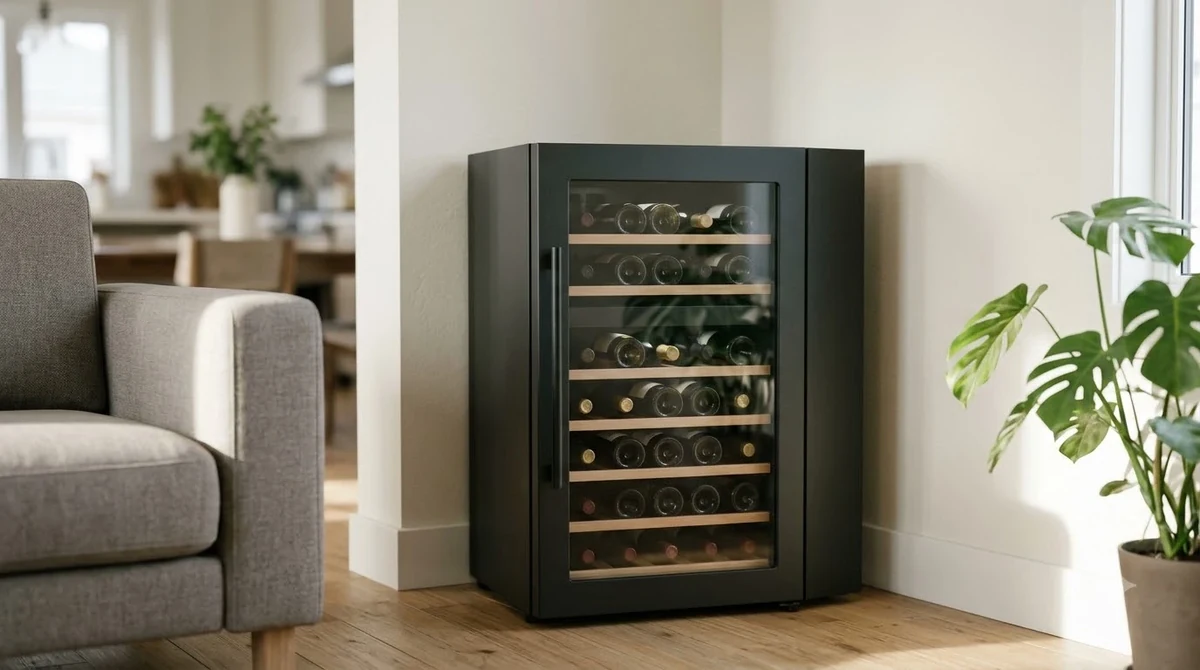
Unopened bottles should generally be kept away from direct sunlight, excessive heat, and major temperature fluctuations. A cool storage environment around 55 degrees Fahrenheit is a useful target for wine storage.
Traditional wine bottles with natural cork closures are commonly stored on their sides to help keep the cork from drying out. Once opened, the bottle should be closed securely and stored in a cool location or refrigerator, depending on the producer’s recommendations.
Unlike delicate young white wines, Madeira can remain enjoyable for a considerable period after opening. Its fortified structure and oxidative character help it withstand contact with air. The exact period depends on the wine’s style, age, storage conditions, and how much liquid remains in the bottle.
For best results, use a clean stopper and avoid leaving the bottle open for extended periods. Keeping less air inside the bottle also helps reduce further oxidation.
Does Madeira lose its alcohol after opening?
Madeira does not normally lose a meaningful amount of alcohol simply because a bottle has been opened and stored properly. Its ABV remains broadly stable under ordinary storage conditions.
What can change is the wine’s aromatic character. Exposure to oxygen, heat, and light can gradually alter delicate aromas, particularly in bottles that have been stored carelessly or left open for long periods.
For consumers who enjoy comparing different fortified wines, exploring ice wine alcohol content also provides an interesting contrast. Ice wine is generally an unfortified dessert wine, so its alcohol strength is usually substantially lower than Madeira’s.
Madeira is one of several important categories covered in Wine by Type, where understanding production methods and wine styles can make selecting a bottle much easier.
Frequently Asked Questions
Can Madeira wine contain 23% alcohol?
Standard Madeira protected by its designation of origin rules has an acquired alcoholic strength of no more than 22% ABV. A bottle claiming 23% should not automatically be assumed to meet the standard Madeira specification. Confirm the wine’s actual identity and classification before comparing it with traditional Madeira.
Does Madeira contain sulfites?
Madeira, like many other wines, can contain sulfites produced naturally during fermentation or introduced during winemaking. Sulfur dioxide is commonly used in wine production to help protect wine against oxidation and unwanted microbial activity. The amount varies between producers and individual bottlings.
Can Madeira be used in cooking without changing its alcohol content?
No. Cooking can change the amount of alcohol remaining in a dish because alcohol evaporates at different rates depending on cooking time, temperature, surface area, and preparation method. Adding Madeira to a sauce does not guarantee that all its alcohol will disappear during cooking.
Does Madeira have more alcohol than sherry?
It depends on the sherry style. Many sherries fall around 15% to 17% ABV, while some styles can reach higher strengths. Madeira’s standard 17% to 22% ABV range generally places it toward the stronger end of the fortified-wine category.
Is Madeira made from red or white grapes?
Madeira can be produced from both red and white grape varieties. Tinta Negra is a particularly important red-skinned variety, while Sercial, Verdelho, Boal, and Malvasia are traditional white grape varieties. The finished wine’s color does not necessarily indicate whether red or white grapes were used.
Madeira typically contains 17% to 22% ABV, placing it above most ordinary table wines and alongside other fortified wines such as Port and Marsala. Its alcohol strength is largely independent of sweetness, so understanding the grape variety, production method, and label classification is the best way to choose a bottle that suits your preferences.
Whether you prefer the dry freshness of Sercial or the rich sweetness of Malvasia, Madeira offers a distinctive combination of acidity, concentration, and fortified-wine character. A smaller pour and an appropriate serving temperature help showcase what makes this Portuguese wine special.
More in Wine Types & Grapes
 Zinfandel Sugar Content: Dry Red vs. White Zinfandel GramsUpdated Nov 21, 2026
 Best Zinfandel Substitute Options for Sipping and CookingUpdated Nov 21, 2026
 Zweigelt Food Pairing: Best Dishes, Cheeses, and Serving TipsUpdated Nov 21, 2026
 Zinfandel Tannins Explained: How Structure Shapes Every BottleUpdated Nov 21, 2026
 Zinfandel Sweetness Level: Dry Red vs. Sweet White Zin ExplainedUpdated Nov 21, 2026
 Xinomavro Food Pairing: Best Dishes, Styles, and Serving TipsUpdated Nov 21, 2026