

We may earn a commission when you buy through links on this page, at no extra cost to you. Learn more.
The maconnais wine region is the southernmost major vineyard area of Burgundy, best known for expressive Chardonnay wines from a wide range of village and regional appellations. Its rolling limestone and clay hills also support Gamay-based reds and rosés, along with smaller plantings of other grapes. Understanding the place names on the label makes it easier to find everything from crisp, uncomplicated whites to layered Pouilly-Fuissé.
Often written Mâconnais in French, this part of Burgundy rewards a closer look than its reputation as a source of everyday white wine might suggest. The landscape is varied, the appellation system is more layered than it first appears, and its wines can show markedly different levels of richness, freshness, and mineral character.
Where the Mâconnais Sits in Burgundy
The Mâconnais occupies southern Burgundy in the French department of Saône-et-Loire, between the Grosne River to the west and the Saône River to the east. It runs for about 35 kilometers from the area near Sennecey-le-Grand in the north toward Saint-Vérand in the south, linking the vineyard country around Tournus and Mâcon with the first hills of Beaujolais.
Unlike the long, continuous slopes that define some other parts of Burgundy, the vineyards here appear in a succession of ridges, valleys, and isolated hillsides. The Monts du Mâconnais generally run north to south, with different slopes facing east, west, or south. That changing orientation matters: a sun-facing site can ripen Chardonnay earlier and give a broader impression, while a higher or cooler exposure can preserve more tension and citrus character.
The local tourism authority counts about 5,600 hectares of vines spread across 89 municipalities, roughly one-quarter of Burgundy’s vineyard area. The region is bordered by the Côte Chalonnaise to the north, the Charolais hills to the west, the Saône plain to the east, and the granite hills of Beaujolais to the south. Its southern position gives it a somewhat warmer, more moderate continental climate than northern Burgundy, although altitude and exposure create meaningful differences between nearby sites. The vineyard map and regional context are summarized by Mâcon South Burgundy.
The dramatic Roche de Solutré and Roche de Vergisson are useful geographic landmarks. These limestone escarpments rise above vineyards near Fuissé, Solutré-Pouilly, and Vergisson, and they help explain why Pouilly-Fuissé has become the best-known name in the area. Farther north, wooded hilltops and gentler slopes around Lugny, Chardonnay, and Tournus create a less dramatic but equally varied landscape.
Chardonnay, Gamay, and the Wines They Make
Chardonnay is the defining grape of the Mâconnais: the Mâcon South Burgundy tourism authority reports that it represents about 85% of the region’s planted vines. It is used for most of the area’s white wines, from straightforward Mâcon-Villages to more concentrated bottlings from Pouilly-Fuissé, Saint-Véran, and Viré-Clessé.
In a cooler or higher site, Chardonnay can lean toward lemon, green apple, white flowers, and a chalky or stony impression. Warmer slopes and riper harvest conditions often bring yellow apple, pear, peach, melon, and a fuller middle palate. These are broad tendencies rather than fixed rules: a producer’s harvest date, fermentation vessel, lees contact, and use of oak can alter the finished wine as much as the village name.
Gamay is the main red grape in the area. The regional tourism authority records about 345 hectares of Gamay, particularly on granite or volcanic subsoils in the southern part of the vineyard. Depending on the producer and site, it can make juicy reds with cherry, raspberry, and violet notes, as well as rosé. Pinot Noir also appears, while Aligoté contributes a smaller share of white wines.
Most bottles encountered from the Mâconnais are white, but the regional Mâcon appellation can include white, red, and rosé wines. Mâcon-Villages is a white-wine appellation, as are the familiar communal Chardonnay appellations such as Pouilly-Fuissé and Saint-Véran. This distinction matters when buying: a label that simply says Mâcon does not promise the same grape or color as one that says Mâcon-Villages.
Appellations, Village Names, and Premier Cru Labels
The label hierarchy begins with broad regional designations and becomes more specific as it identifies a village or a classified vineyard site. The Mâconnais includes Burgundy-wide regional appellations, Mâcon-specific regional appellations, and five principal communal appellations: Pouilly-Fuissé, Pouilly-Loché, Pouilly-Vinzelles, Saint-Véran, and Viré-Clessé.
At the broadest level, Bourgogne or another regional Burgundy designation may cover wines from a wider area. Mâcon is the regional appellation specific to the district and can be made in white, red, or rosé. Mâcon-Villages is reserved for white wine, while Mâcon followed by a village name identifies a more tightly defined geographic origin, such as Mâcon-Lugny, Mâcon-Chardonnay, or Mâcon-Pierreclos. For a broader explanation of regional naming systems, see our Wine Regions overview.
The five communal appellations offer a more precise sense of place. Pouilly-Fuissé applies to white wine from Fuissé, Solutré-Pouilly, Vergisson, and Chaintré. Saint-Véran is spread across a cluster of communes around the Pouilly-Fuissé area, while Viré-Clessé sits farther north. Pouilly-Loché and Pouilly-Vinzelles are smaller neighboring appellations. A village name therefore identifies origin, but it does not automatically mean that every parcel within the commune carries the same appellation level.
| Regional measure | Reported figure | What it tells you |
|---|---|---|
| Total vineyard area | 5,600 hectares | The broad scale of the Mâconnais vineyard |
| Municipalities covered | 89 | The vineyard is distributed across many villages |
| Chardonnay share | About 85% | White wine is the region’s dominant style |
| Gamay plantings | 345 hectares | The main red grape has a meaningful foothold |
| Pouilly-Fuissé Premier Cru | 22 climats; 194 hectares | Selected sites cover about 24% of the appellation |
Premier Cru designations identify selected vineyard sites rather than an entire village. In Pouilly-Fuissé, 22 climats were recognized as Premier Cru, covering 194 hectares, or about 24% of the appellation’s area, across the four communes. Pouilly-Loché and Pouilly-Vinzelles gained their first Premier Cru sites for the 2024 vintage. When comparing labels, move from the broad designation to the village name and then to any named climat or Premier Cru statement; a more specific label tells you more about origin, but does not guarantee you will prefer the wine.
Soils, Slopes, and the Character of the Wines
The Mâconnais is not one uniform strip of limestone. It is a mosaic of limestone, clay, marl, sandstone, granite, and locally siliceous or volcanic material, so neighboring hillsides can give Chardonnay quite different profiles and can determine where Gamay thrives.
Limestone and clay-limestone soils are especially important around the southern Chardonnay appellations. They can support wines with ripe orchard fruit, floral aromas, and a firm mineral impression. In and around Pouilly-Fuissé, the steep limestone formations near Solutré and Vergisson are among the region’s most recognizable features, while clay-rich sections can contribute a broader texture and a more generous impression of fruit.
Exposure and elevation add another layer. South-facing slopes generally receive more direct sun, which can help grapes reach fuller ripeness; cooler or higher sites may hold freshness for longer. Decanter’s regional reporting contrasts warmer areas such as Fuissé and Milly-Lamartine with higher, cooler sites around Mâcon-Davayé and Mâcon-Vergisson. That contrast is a useful reminder that a village name covers more than one microclimate.
In the southern part of the vineyard, granite and volcanic-influenced soils are more favorable to Gamay. The resulting reds are usually better understood through fruit, texture, and freshness than through heavy tannin or long oak aging. For Chardonnay, differences between limestone, marl, and clay can show up as changes in weight, acidity, fruit ripeness, and the way the finish feels.
Producers, Cellar Choices, and Aging Potential
Winemaking in the Mâconnais ranges from fresh, uncomplicated bottlings designed for early drinking to detailed single-site wines that can develop in bottle. Stainless steel or other neutral vessels can preserve primary fruit and a clean, direct style, while barrel fermentation or aging may add texture, spice, toast, and a more rounded impression.
Oak is not a reliable shortcut for judging quality. A restrained barrel program can build texture without covering up Chardonnay’s orchard fruit and mineral character; excessive new oak can make a wine taste more like its barrel than its vineyard. Some producers favor tank fermentation and aging, while others use older barrels, larger casks, or a mix of vessels to shape the balance they want.
Decanter has highlighted producers such as Domaine Leflaive, Les Héritiers du Comte Lafon, Bret Brothers, Domaine Rijckaert, Domaine Thibert, Domaine Merlin, and Domaine de la Soufrandière in its Mâconnais appellation feature. The names are useful starting points, not a required shopping list. Within a producer’s range, compare a regional Mâcon bottling with a named-village wine and, where available, a Premier Cru cuvée to see how the expression changes as the vineyard source narrows.
Simple Mâcon and Mâcon-Villages wines are often made to be enjoyed while their fruit is fresh, whereas concentrated village and Premier Cru wines may reward a few years in a good cellar. The strongest examples can develop notes of toasted nuts, honey, dried flowers, and richer orchard fruit while retaining enough acidity to stay lively. Storage conditions matter more than a label’s prestige: keep bottles in a cool, dark place with a stable temperature, ideally near 55°F, and away from vibration or strong light.
How to Serve, Pair, and Choose a Bottle
Serve a fuller-bodied Mâconnais Chardonnay slightly cool, around 50–55°F, so its texture and aroma are clear without letting the wine feel warm. A lighter, fresher Chardonnay can be served closer to 45–50°F, while a red made from Gamay is often more expressive around 55–60°F. For food, match the wine’s weight to the dish: a fresh Mâcon-Villages works with roast chicken, grilled fish, shellfish, or goat cheese, while a richer Pouilly-Fuissé can stand up to roast poultry with cream sauce, lobster, scallops, or buttery mushrooms.
Gamay-based Mâcon reds suit charcuterie, roast pork, grilled sausages, mushroom tart, and weeknight dishes with herbs. Their fruit and lighter tannin make them more adaptable than many firm, heavily tannic reds. For spicy food, avoid pairing high alcohol or pronounced tannin with strong chili heat; a fruit-forward, modestly alcoholic red or a bright white is usually a safer match.
When shopping, first decide whether you want white, red, or rosé, then read the appellation name. Mâcon-Villages is a useful entry point for straightforward Chardonnay; Mâcon plus a village name narrows the origin; Saint-Véran, Viré-Clessé, Pouilly-Loché, Pouilly-Vinzelles, and Pouilly-Fuissé signal communal appellations. Readers may compare the region with the Savoie wine region, where alpine geography creates a different white-wine profile, or explore the Switzerland wine region, where Chasselas has a distinct local tradition.
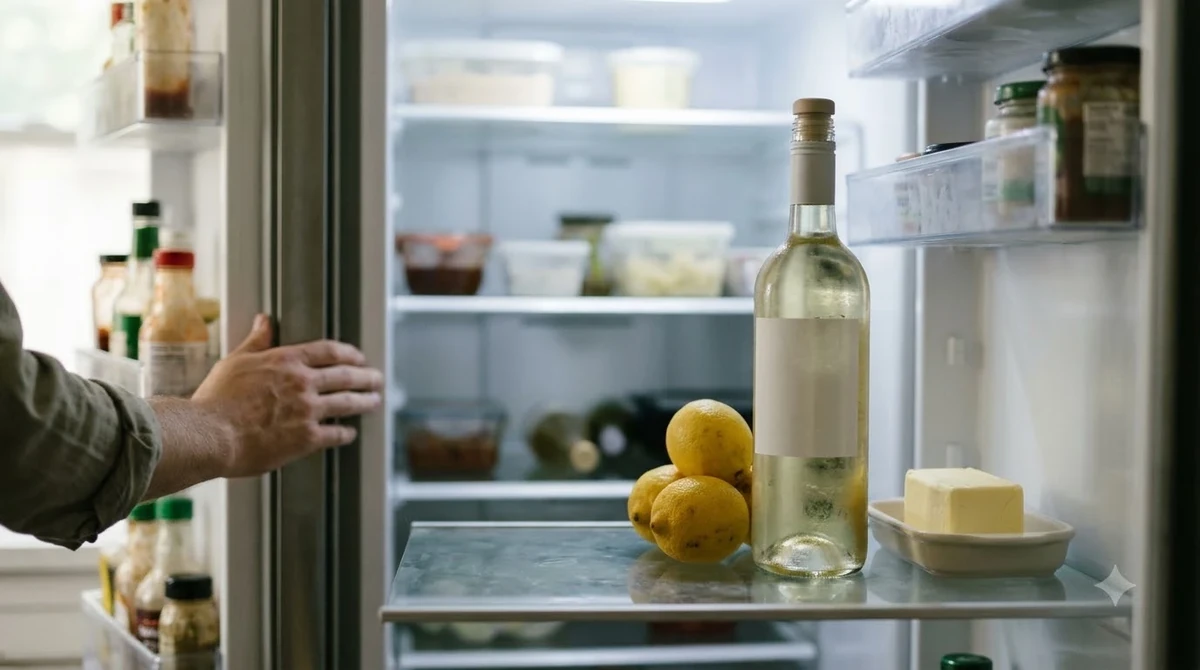
Tip: Open a bottle about 10 minutes before serving and pour a small taste. If the Chardonnay seems muted straight from the refrigerator, let it warm gradually in the glass rather than leaving the bottle out for a long time. For a meal built around shellfish or goat cheese, keep the wine on the cooler side; for roast chicken or a creamy sauce, allow a little more warmth so its texture comes forward.
Frequently Asked Questions
The region’s 35-kilometer north-to-south span and five principal communal appellations explain why bottles from the Mâconnais can vary more than a single regional name might suggest. These quick answers cover a few details that help clarify its history and labels.
Does the Mâconnais have any Grand Cru vineyards?
No. The Mâconnais has regional and communal appellations, along with selected Premier Cru sites, but it does not have Grand Cru appellations. This is different from parts of the Côte d’Or, where Grand Cru vineyards form the highest tier of Burgundy’s classification system.
When did Viré-Clessé become its own appellation?
Viré-Clessé was recognized as a communal appellation in 1998. It brings together vineyards around the villages of Viré and Clessé in the northern Mâconnais, giving the area a distinct identity rather than treating its wines only as Mâcon-Villages.
Can Mâconnais Chardonnay be made in a sweet style?
Most Mâconnais Chardonnay is dry, but Viré-Clessé regulations also recognize traditional sweeter expressions. The demi-sec category is associated with 4–8 grams per liter of residual sugar, while the named Levrouté style is associated with 8–18 grams per liter.
What does the word climat mean on a Burgundy wine label?
A climat is a precisely identified vineyard site with its own recognized boundaries and combination of soil, exposure, and local history. In Burgundy, the term is more specific than a general description of the weather, and it can appear on labels when the appellation rules allow that named site to be shown.
Why is the village of Chardonnay significant?
The village of Chardonnay lies in the northern Mâconnais, near the Tournus area. The grape’s name and the village’s name are historically linked, but a bottle labeled Mâcon-Chardonnay identifies the wine’s place of origin as well as its regional appellation context.
The Mâconnais offers a clear route into white Burgundy, but it is not a single style: village, slope, soil, and cellar choices all shape what ends up in the glass. Start with a regional Mâcon or Mâcon-Villages, then move to a named village or Premier Cru to discover how much character can fit within this southern corner of Burgundy.
More in Wine Regions
 Willcox Wine Trail: Discover Arizona’s High-Elevation Wine CountryUpdated Nov 20, 2026
 Yakima Valley Wine Region: Find the Best Styles to TryUpdated Nov 20, 2026
 Vosne Romanee Wine Tasting: Identify Aromas and Choose Better PairingsUpdated Nov 20, 2026
 Yakima Valley Wine Festival: Find the Best Seasonal Wine EventsUpdated Nov 20, 2026
 Wales Vineyards: Discover Cool-Climate Wines and Where to VisitUpdated Nov 20, 2026
 Yountville Wine Festival: Discover Napa Wines and Local FoodUpdated Nov 20, 2026