


We may earn a commission when you buy through links on this page, at no extra cost to you. Learn more.
Luigi Bormioli Atelier wine glasses are a strong choice for wine drinkers who want clear crystal glassware, generous varietal-specific bowls and a refined presentation without moving into traditional luxury stemware. The collection includes dedicated shapes for Cabernet Sauvignon, Pinot Noir, Barolo, Riesling, Sauvignon Blanc and sparkling wine, alongside practical stemless alternatives. Its SON.hyx crystal construction, distinctive curved bowl design and emphasis on durability make it appealing for both regular entertaining and everyday wine service. However, buyers should consider the relatively large capacities, storage requirements and preference for specialized glasses before choosing a complete set.
Wine glasses influence more than the appearance of a dinner table. Bowl dimensions affect how wine moves when swirled, how much air reaches the liquid and how easily aromas collect near the rim. Luigi Bormioli approaches these details through its Atelier collection, offering several shapes intended for particular wine varieties rather than relying on one universal glass. The result is a coordinated collection that gives buyers several ways to build a wine glass cabinet around their drinking habits.
Specs and Key Features of the Atelier Collection
The Atelier collection combines SON.hyx high-tech crystal glass with a contemporary bowl design and wine-specific capacities. Its defining features are clear construction, a curved lower bowl transition and a selection of shapes for different wine styles.
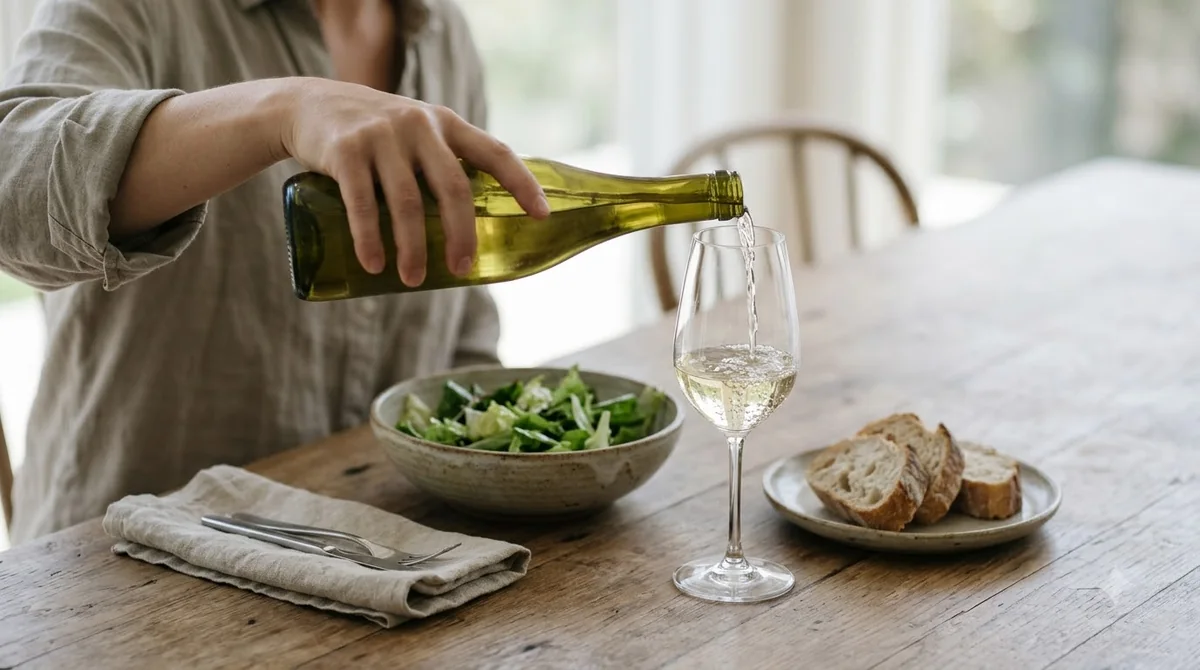
According to the manufacturer’s collection description, the glass is designed to provide crystalline transparency, lasting brilliance and resistance to intensive washing. The catalog also identifies titanium reinforcement as part of the Atelier glass technology. These characteristics distinguish the collection from inexpensive everyday glassware that prioritizes basic function over clarity, design and varietal-specific proportions.
The collection is not a single glass design sold in different sizes. Instead, it includes distinct options for structured reds, aromatic whites, lighter reds and sparkling wines. The Cabernet/Merlot glass has a 70 cl capacity, while the Pinot Noir/Rioja model holds 61 cl. The Barolo/Shiraz glass is larger still, with an 80 cl capacity. Those differences are meaningful because a broad bowl provides room for swirling, while a smaller bowl can help keep a more delicate wine’s aromas concentrated.
The American product range also includes stemless variations. This is useful for buyers who like the Atelier appearance but prefer glassware that is easier to place on a crowded table or store in a more compact cabinet. The stemmed and stemless options do not need to be treated as competing products: they can serve different occasions within the same household.
| Atelier glass | Capacity | Height | Intended wine |
|---|---|---|---|
| Barolo / Shiraz | 80 cl / 27 oz | 24.2 cm | Full-bodied reds |
| Cabernet / Merlot | 70 cl / 23.75 oz | 24.4 cm | Cabernet and Merlot |
| Orvieto / Chardonnay | 70 cl / 23.75 oz | 21.7 cm | Chardonnay and related styles |
| Pinot Noir / Rioja | 61 cl / 20.6 oz | 22 cm | Pinot Noir and Rioja |
| Chianti | 55 cl / 18.5 oz | 23.2 cm | Chianti |
| Riesling / Tocai | 44 cl / 15.9 oz | 22 cm | Riesling and aromatic whites |
| Sauvignon | 35 cl / 11.8 oz | 20.3 cm | Sauvignon Blanc |
| Prosecco / Champagne | 27 cl / 9.5 oz | 25.4 cm | Sparkling wine |
These measurements come from the manufacturer’s Atelier catalog. They describe the total capacity of each glass, not the amount of wine that should be poured into it. A standard wine serving is approximately 5 oz, so even the smaller 35 cl Sauvignon glass has considerable room above a normal serving. The large red wine bowls are particularly spacious, which is useful for swirling but can make the glasses look oversized next to conventional dinnerware.
The construction deserves attention as well. The manufacturer identifies the material as SON.hyx high-tech crystal glass. The collection page describes it as colorless and brilliant, while the catalog associates Atelier with titanium reinforcement. Buyers interested in the technical details can consult the official Luigi Bormioli Atelier collection specifications for the manufacturer’s description of the glass and its washing resistance.
One important distinction concerns the difference between technical durability and physical indestructibility. A glass designed to resist shocks and intensive washing can still break if knocked against a sink, dropped onto tile or squeezed against other glassware. Reinforcement is a practical advantage, not a reason to handle stemware carelessly.
The manufacturer also describes the curved point where the bowl meets its lower section as a feature that improves resistance and helps indicate the intended pouring level. That visual detail gives Atelier glasses a recognizable profile while serving a practical purpose at the table.
What Owners Like About the Atelier Glasses
The collection’s strongest selling points are its visual clarity, selection of dedicated wine shapes and combination of elegant proportions with everyday practicality. These features make it especially appealing to households that enjoy several wine varieties and want their glassware to reflect those differences.

Clear crystal presentation is an obvious attraction. Transparent glass makes it easier to appreciate the color of a young Pinot Noir, the pale straw appearance of Sauvignon Blanc or the deeper garnet tones of an aged red. The absence of noticeable color in the glass is particularly useful during comparative tastings, where appearance is one of the characteristics people examine.
The curved bowl also gives the collection a recognizable appearance. Instead of a completely conventional transition from bowl to stem, the lower bowl has a more pronounced shape. This creates a distinctive silhouette without adding decorative patterns or colored finishes that might distract from the wine.
Varietal-specific choices are another advantage. Someone who frequently serves Cabernet Sauvignon and Pinot Noir can choose different bowls for those wines instead of using the same general-purpose glass for everything. The Cabernet/Merlot option has a 70 cl capacity, while the Pinot Noir/Rioja glass has a 61 cl capacity. Both provide room for movement, but their different proportions offer a useful way to distinguish between wine styles.
The collection also includes dedicated white wine options. The 44 cl Riesling/Tocai glass is a useful middle ground for aromatic whites, while the smaller 35 cl Sauvignon model provides a more compact serving environment. The differences are relevant for buyers who regularly serve both intensely aromatic Sauvignon Blanc and wines that benefit from a little more room in the bowl.
There is also considerable choice for entertaining. The American collection lists six-piece sets across several stemmed and stemless styles. That makes it easier to purchase matching glasses for a dinner party rather than assembling a collection from unrelated designs.
Dishwasher resistance is another major attraction. Luigi Bormioli’s Italian collection description states that Atelier products are designed to remain unchanged after more than 4,000 dishwasher cycles. This is a substantial durability claim, particularly for glassware intended for frequent service. It makes the collection more appealing to people who do not want every wine glass to require a separate handwashing routine.
However, good dishwasher habits still matter. Glasses should be spaced so that they cannot strike each other during a cycle. A suitable glassware program and detergent intended for the appliance can also help preserve clarity. The manufacturer’s durability claim should be understood as resistance under suitable washing conditions, not a guarantee against every possible cause of damage.
Finally, the collection offers a useful balance between formal and casual presentation. Stemmed glasses work naturally at a dinner table, while stemless versions provide a less formal alternative for outdoor meals, relaxed gatherings and smaller dining areas. Having both styles can be more practical than insisting on one glass format for every occasion.
Common Complaints and Potential Drawbacks
The most important compromises are the large bowl dimensions, the storage space required by stemmed glasses and the possibility that some buyers will not benefit from owning so many specialized shapes. Atelier offers plenty of variety, but that variety is not automatically an advantage for every wine drinker.
The large capacities can be excessive for some households. An 80 cl Barolo/Shiraz glass has a total capacity of approximately 27 oz. That is a substantial vessel for a dining table, especially when the usual serving is only about 5 oz. Someone accustomed to compact restaurant stemware may initially find the Atelier red wine glasses unusually large.
Large bowls are not inherently a problem. They provide room for swirling and can help wine aromas collect above the liquid. Nevertheless, they need more cabinet space and require a little more attention during handling. The 24.4 cm height of the Cabernet/Merlot glass and the 24.2 cm height of the Barolo/Shiraz model can also be restrictive in cabinets with low shelves.
Specialized glasses require more purchasing decisions. A buyer who chooses the Cabernet/Merlot, Pinot Noir/Rioja, Riesling/Tocai and Sauvignon glasses may end up with four different shapes. That is useful for someone who enjoys exploring wine styles, but it can become unnecessary complexity for a household that mainly drinks one or two familiar varieties.
A good all-purpose glass can handle a broad range of wines adequately. The advantages of separate shapes become more noticeable when someone frequently compares different grape varieties or hosts wine-focused dinners. Otherwise, a smaller selection may deliver most of the practical value with less storage space and lower organizational effort.
Stemmed glasses require careful handling. Their long stems are attractive and make it possible to hold the glass without warming the wine bowl directly. However, stems are vulnerable points if glasses are crowded together or lifted from the dishwasher by the bowl. Titanium reinforcement can improve resistance, but it does not eliminate the possibility of breakage.
Stemless versions avoid the long-stem issue but introduce a different compromise. Holding a stemless glass means placing a hand around the bowl, which can warm chilled wine more quickly. Fingerprints can also become more visible on the surface, particularly when the glass is handled repeatedly during a tasting.
There is also a practical question about the difference between the official Italian collection and the US selection. Product availability and presentation can vary by market. The American site lists 13 Atelier products, while the Italian site presents a broader assortment of glassware and related pieces. Buyers should therefore compare the exact product description and dimensions of the model being considered rather than assuming that every catalog item is available in every country.
Finally, the collection’s elegant design may not suit buyers who prefer particularly simple, compact or heavy-base glassware. Atelier has a recognizable curved profile and relatively generous bowls. Someone who wants a minimal, everyday tumbler or a basic restaurant-style wine glass may prefer a more straightforward design.
Tip: Before ordering a complete set, measure the vertical clearance in your glass cabinet and check the maximum bowl diameter. A glass measuring approximately 24 cm tall with a 10 cm or wider bowl needs more room than many standard wine glasses.
Who Should Buy Atelier and Who Should Skip It
Atelier is best suited to wine drinkers who value presentation, enjoy more than one grape variety and want glassware that can handle regular use. It is less compelling for people who prioritize compact storage, minimal maintenance or a single inexpensive glass for every occasion.
Who should buy it
Regular red wine drinkers are among the strongest candidates. Cabernet Sauvignon, Merlot, Pinot Noir, Rioja, Barolo and Shiraz all have dedicated options in the collection. The larger red wine bowls provide room to swirl, while the range of capacities lets buyers choose according to their preferred wines.
For Cabernet Sauvignon, the Cabernet/Merlot glass is a natural starting point. Cabernet generally has relatively high tannin, so a generous bowl can be useful for swirling and releasing aromas before drinking. Merlot has medium, softer tannin, but it also works well in this larger format.
Pinot Noir drinkers have a dedicated 61 cl option. Pinot Noir generally has lower-to-medium tannin and higher acidity than many full-bodied red varieties. Its glass should offer room for aromas without requiring the particularly large bowl used for Barolo or Shiraz.
White wine enthusiasts can also find useful options. The Riesling/Tocai and Sauvignon glasses are designed around different capacities, giving buyers a choice between a moderately sized bowl and a more compact shape. The Chardonnay/Orvieto model is considerably larger, with a capacity of 70 cl, making it a different proposition from the smaller Sauvignon glass.
People who entertain frequently may appreciate the matching six-piece sets. A consistent design across six places gives the table a coordinated appearance, and the different varieties can be assigned to particular wines during a tasting dinner.
Buyers who value dishwasher compatibility should also consider Atelier. The manufacturer’s claim of resistance through more than 4,000 dishwasher cycles makes the collection particularly interesting for households that use their wine glasses regularly rather than reserving them for special events.
Who should skip it
Buyers with limited cabinet space may find the collection inconvenient. Large bowls and tall stems are not ideal for compact shelves, particularly if the kitchen already has limited room for plates, water glasses and serving pieces.
People who drink a broad mixture of wine styles but do not pay much attention to glass shapes may also be better served by a simpler all-purpose option. A dedicated glass for every variety can be enjoyable, but the practical difference is not equally important to every wine drinker.
Those who frequently serve wine outdoors should consider the stemless range or a separate set of more casual glasses. A long-stemmed crystal glass is not the most convenient choice for a picnic table, patio gathering or crowded buffet.
Similarly, buyers who want very small pours in compact glasses may find Atelier unnecessarily spacious. The collection is designed around aroma development and presentation, not minimal serving vessels.
For a wider comparison of different shapes, bowl sizes and materials, the wine glasses buying guide can help establish whether a varietal-specific collection makes sense for your needs. Buyers who mainly drink Cabernet Sauvignon and other full-bodied reds can also compare the options in our guide to red wine glasses.
How Atelier Compares to Alternative Wine Glasses
Atelier stands out through its combination of varietal-specific sizing, distinctive curved bowls and SON.hyx crystal construction. Its main alternative is not necessarily another premium collection; it may be a simpler all-purpose glass or a stemless design that better matches the way someone drinks wine.
The first comparison is between a specialized glass and a general-purpose wine glass. An all-purpose model is designed to work reasonably well with many different styles. It is convenient because a household can use the same glass for Sauvignon Blanc, Chardonnay, Pinot Noir and Cabernet Sauvignon without maintaining separate sets.
Atelier takes a different approach. It gives buyers a Cabernet/Merlot glass, a Pinot Noir/Rioja glass, a Riesling/Tocai glass and a Sauvignon glass, among other options. The differences in capacity are clear: 70 cl for Cabernet/Merlot, 61 cl for Pinot Noir/Rioja, 44 cl for Riesling/Tocai and 35 cl for Sauvignon.
That distinction is useful for people who enjoy tasting different varieties side by side. It is less important for someone who simply wants a reliable glass for a casual weeknight dinner.
The second comparison is between stemmed and stemless wine glasses. The stemmed Atelier models provide a traditional wine presentation and allow the drinker to hold the glass by the stem. This reduces direct contact with the bowl, helping maintain the wine’s serving temperature.
The stemless Cabernet model has a capacity of 23.3 fl oz, while the stemmed Cabernet model holds 23.8 fl oz according to the US collection. The capacities are close, so the main distinction is the handling experience rather than a major difference in bowl volume.
Stemless glasses are often more convenient for informal settings. They are easier to place on crowded tables and do not have a long stem that can catch on other objects. However, they require holding the bowl itself, which can warm chilled wines more quickly.
For buyers who prefer the stemless format, our stemless wine glasses guide provides a useful way to compare compact alternatives and everyday drinking options.
The third comparison is between specialized white wine glasses. Atelier’s Riesling and Sauvignon models illustrate why a manufacturer might offer more than one white wine shape. The 44 cl Riesling/Tocai glass has more capacity than the 35 cl Sauvignon glass. Both are designed for white wine, but they give the buyer different proportions and presentation styles.
Chardonnay drinkers have another option in the Orvieto/Classico/Chardonnay model, with a capacity of 70 cl. This is considerably larger than the Sauvignon glass and may appeal to people who prefer a more generous bowl.
It is important not to assume that a larger glass automatically improves every wine. Serving temperature, wine style and pouring volume remain important. A high-acid Sauvignon Blanc served at approximately 45 to 50 degrees Fahrenheit can still taste fresh and expressive in a smaller glass, while a fuller Chardonnay served around 50 to 55 degrees Fahrenheit may suit a larger bowl.
The final comparison is about overall ownership. The official collection’s dishwasher-resistance claim is an advantage over delicate glassware that requires frequent handwashing. Nevertheless, a durable glass is not necessarily the most convenient glass for every kitchen. Storage, cabinet clearance, dishwasher layout and the number of glasses needed all matter.
For readers researching other manufacturers and glassware collections, the Glassware Brands directory provides a broader starting point. The important decision is whether you want a dedicated collection that differentiates wine varieties or a smaller assortment that prioritizes versatility.
Frequently Asked Questions
Are Luigi Bormioli Atelier wine glasses made from real crystal glass?
Yes. The manufacturer identifies Atelier as SON.hyx high-tech crystal glass. SON.hyx is the material designation associated with the collection, rather than a reference to a decorative coating or colored finish. The glasses are designed to provide clear presentation and lasting brilliance.
Can Atelier wine glasses be used for water and cocktails?
Yes. The wider Atelier assortment includes water glasses, cocktail glasses, tumblers and other drinkware in addition to wine stemware. The collection therefore offers ways to coordinate different drinks at the same table. A dedicated water glass is a practical companion to the wine glasses during dinner service.
Do Atelier glasses have a special pouring mark?
The manufacturer describes the curved point of the bowl as a natural visual indication of the intended pouring level. This is a design feature rather than a guarantee that every glass has a separate printed measurement scale. It can help create more consistent servings when filling matching glasses for guests.
Can Atelier glasses be used for wine tastings?
Yes. The dedicated shapes can be useful for comparing grape varieties, particularly when a tasting includes Cabernet Sauvignon, Pinot Noir, Riesling and Sauvignon Blanc. For a formal tasting, use consistent serving volumes and temperatures so that the glass shape is not confused with differences caused by wine preparation.
Are the Atelier glasses suitable for sparkling wine beyond Champagne?
Yes. The 27 cl Prosecco/Champagne flute is listed for both sparkling wine categories. It can also be used for other sparkling styles, including Cava and traditional-method sparkling wines. For sparkling service, a serving temperature around 40 to 50 degrees Fahrenheit helps preserve freshness and maintain an enjoyable drinking experience.
Luigi Bormioli Atelier is a compelling collection for buyers who appreciate clear crystal glassware, varietal-specific proportions and a design that balances formal presentation with practical durability. The Cabernet, Pinot Noir, Riesling and Sauvignon options provide a useful starting point, while stemless alternatives offer flexibility for more casual occasions. Choose the shapes that match the wines you actually drink, and consider cabinet space before purchasing a complete collection.
More in Wine Glasses
 Spiegelau Crystal Wine Glasses That Bring Clarity to Every PourUpdated Nov 21, 2026
 Zalto Crystal Wine Glasses: Are They Worth the Investment?Updated Nov 21, 2026
 Villeroy And Boch White Wine Glasses for a More Cohesive TableUpdated Nov 21, 2026
 Zalto Wine Glasses On Sale: Find the Right Denk’Art GlassUpdated Nov 21, 2026
 Zwiesel Glas Champagne Glasses: Features, Quality and Buying AdviceUpdated Nov 21, 2026
 Zwiesel Glas Decanter Review: A Durable, Elegant Choice for Wine ServiceUpdated Nov 21, 2026