

We may earn a commission when you buy through links on this page, at no extra cost to you. Learn more.
Low sugar merlot is typically a dry red wine containing approximately 1–4 grams of residual sugar per liter, or about 0.15–0.59 grams in a standard 5-ounce glass. Merlot is naturally suited to dry winemaking, with fermentation converting most grape sugar into alcohol. Its ripe plum, cherry and blackberry flavors can create a sweet impression without indicating substantial sugar. Choosing a bottle with a documented residual-sugar measurement is the most reliable way to find a genuinely dry Merlot.
Merlot is a familiar choice for shoppers who enjoy smooth, fruit-forward red wine without the pronounced tannins of Cabernet Sauvignon. Its approachable character makes it useful for everyday dinners, casual entertaining and meals featuring roasted vegetables or grilled meat. However, not every bottle has exactly the same sweetness level. Understanding residual sugar, fermentation and regional winemaking styles makes it easier to compare bottles and select a Merlot that fits your preferences.
How Much Sugar Does Merlot Usually Contain?
Most traditional Merlot is fermented until dry, leaving relatively little residual sugar in the finished wine. A practical starting point is approximately 1–4 grams per liter, equivalent to around 0.15–0.59 grams in a 5-ounce serving.
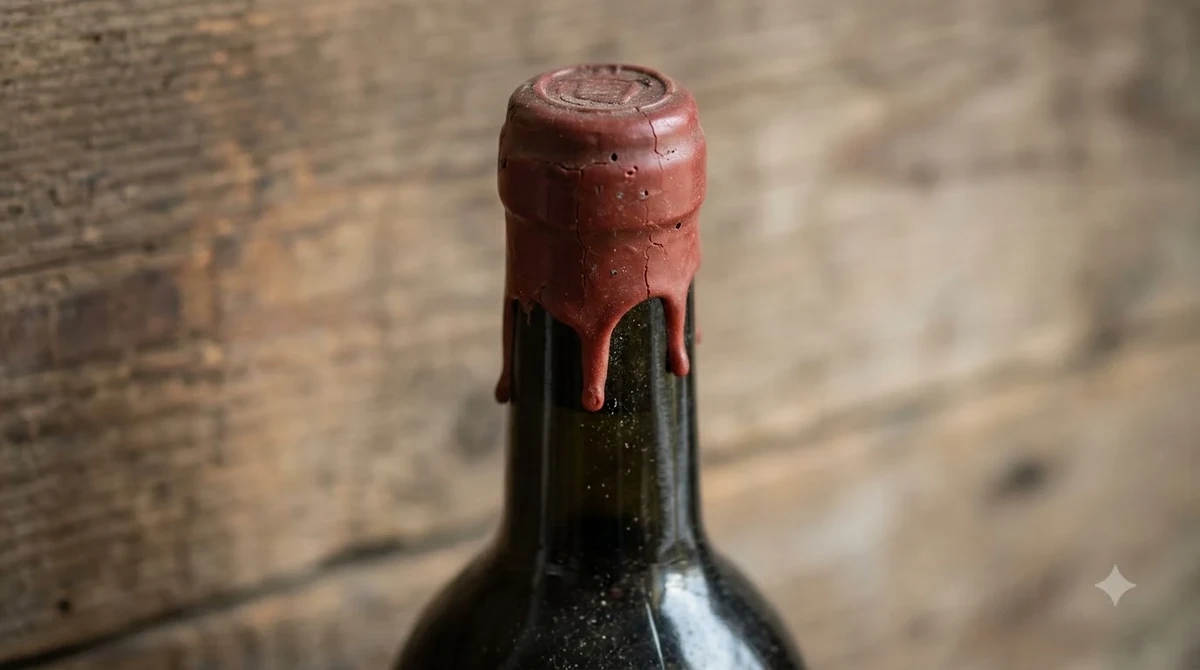
Residual sugar, often abbreviated as RS, refers to the glucose and fructose remaining after alcoholic fermentation. During fermentation, yeast consumes the natural sugars in grape juice and produces alcohol and carbon dioxide. When fermentation runs to completion, most fermentable sugar is converted, resulting in a dry wine.
The exact amount depends on the grapes, fermentation decisions and the finished wine’s acidity. Some winemakers leave a small amount of residual sugar to create a rounder impression. Others allow fermentation to continue until very little fermentable sugar remains. Consequently, two Merlots can have similar fruit flavors but different laboratory measurements.
The following calculations illustrate how different residual-sugar levels translate into actual serving quantities. The figures assume a standard 5-ounce pour, approximately 148 milliliters, and a 750-milliliter bottle.
| Residual sugar | Sugar per 5 oz glass | Sugar per 750 ml bottle | General classification |
|---|---|---|---|
| 0 g/L | 0 g | 0 g | Bone dry |
| 1 g/L | 0.15 g | 0.75 g | Very dry |
| 2 g/L | 0.30 g | 1.50 g | Very dry |
| 3 g/L | 0.44 g | 2.25 g | Dry |
| 4 g/L | 0.59 g | 3.00 g | Dry |
| 6 g/L | 0.89 g | 4.50 g | Higher residual sugar |
| 9 g/L | 1.33 g | 6.75 g | Dry only under specified acidity conditions |
| 12 g/L | 1.78 g | 9.00 g | Medium-dry threshold under OIV definitions |
These are mathematical examples rather than measurements of specific commercial bottles. The calculation is straightforward: multiply the residual-sugar figure in grams per liter by 0.148 for a 5-ounce serving or by 0.75 for an entire 750-milliliter bottle.
According to the International Organisation of Vine and Wine, dry wine generally contains no more than 4 grams of sugar per liter. An exception permits up to 9 grams per liter when total acidity is sufficiently high relative to the sugar level. This distinction matters because sweetness classification is not determined by residual sugar alone. The OIV’s international wine definitions explain the relationship between sugar concentration and acidity in dry-wine classification.
For shoppers comparing bottles, a Merlot with a documented 2 g/L measurement contains approximately 0.30 grams of residual sugar per standard glass. That is a useful reference point for understanding what very dry red wine looks like in practical terms.
Why Merlot Can Taste Sweet Without Containing Much Sugar
Merlot’s ripe fruit character is one reason people sometimes mistake dry red wine for a sweeter style. Plum, black cherry and blackberry aromas can suggest sweetness even when the actual residual-sugar concentration is low.
The distinction between fruitiness and sweetness is important. Fruitiness describes aromas and flavors perceived through the nose and palate. Sweetness describes a taste sensation influenced by sugar and the wine’s overall composition. A wine can smell like ripe cherries or taste reminiscent of dark fruit while remaining completely dry.
Merlot’s natural texture also influences how people perceive it. Compared with Cabernet Sauvignon, it generally has softer, more approachable tannins. Its rounded mouthfeel can create an impression of richness that some drinkers interpret as sweetness. However, smoothness does not establish how much sugar remains in the bottle.
Winemaking can add further complexity. Oak aging may introduce vanilla, baking spice, cocoa and toasted notes. These characteristics can suggest dessert-like flavors without requiring the addition of sugar. Similarly, grapes harvested at full ripeness can develop concentrated fruit aromas that make a wine seem sweeter than its analytical measurements suggest.
Three characteristics that are easy to confuse
- Fruitiness: Aromas of plum, blackberry, cherry and other ripe fruit.
- Softness: A rounded texture with less aggressive tannin and a smoother finish.
- Residual sweetness: The actual glucose and fructose remaining after fermentation.
These characteristics can occur together, but they do not have to. A Merlot can be intensely fruity, smooth and low in residual sugar. Another bottle might taste similarly ripe but retain more sugar, creating a noticeably sweeter finish.
For shoppers, this means that tasting descriptions alone are not sufficient for comparing sweetness. Words such as smooth, juicy, plush and ripe generally describe texture or flavor rather than a verified sugar concentration. Decanter’s overview of the Merlot grape variety also explains how its plummy fruit character and mellow tannins can create a sweet impression even in wines fermented to dryness.
How to Identify Dry Merlot When Shopping
The most dependable way to select low-sugar Merlot is to look for technical information showing residual sugar in grams per liter. A measurement around 1–4 g/L provides a useful starting point for shoppers seeking a traditional dry red.
Start by examining the producer’s technical information. Many wineries publish technical sheets containing alcohol by volume, acidity, fermentation details and residual sugar. The residual-sugar entry is particularly useful because it provides a measurable figure instead of relying on general tasting descriptions.
If a technical sheet lists 2.5 g/L, for example, a standard 5-ounce glass contains approximately 0.37 grams of residual sugar. That is considerably more informative than descriptions such as smooth, ripe or fruit-forward.
Next, distinguish between sweetness terminology and marketing language. Terms such as dry red, traditional Merlot and Bordeaux-style Merlot can indicate the intended wine style, but they do not guarantee a particular sugar measurement. A dry designation is useful, although regional definitions and acidity rules differ.
What to look for in a bottle
- Residual sugar: Prefer a published figure of approximately 1–4 g/L.
- Fermentation description: Look for language indicating that fermentation proceeded to dryness.
- Wine style: Traditional dry red Merlot is generally a sensible starting point.
- Alcohol level: Compare ABV separately because alcohol is not the same thing as residual sugar.
- Producer information: Prefer wineries that provide technical details about individual bottlings.
Another useful consideration is whether the wine is a varietal Merlot or a red blend. A bottle featuring Merlot alongside Cabernet Sauvignon or Cabernet Franc can still be dry. The grape combination alone does not establish its sugar concentration.
Tip: When comparing two bottles, prioritize their published residual-sugar measurements rather than relying on words such as smooth, jammy or ripe. A Merlot with 2 g/L contains approximately 0.30 grams of residual sugar per 5-ounce glass, making the comparison much more meaningful.
For a broader explanation of wine labels, grape varieties and purchasing terminology, explore our Wine Buying Guides. The same approach can help compare other dry reds, including low sugar cabernet sauvignon, which generally has firmer tannins and a more structured palate.
Merlot Regions and Styles Worth Comparing
Merlot is grown in several major wine-producing countries, and its flavor profile changes according to climate, vineyard conditions and winemaking choices. Bordeaux, California, Chile and Tuscany offer useful starting points for understanding the grape’s different expressions.
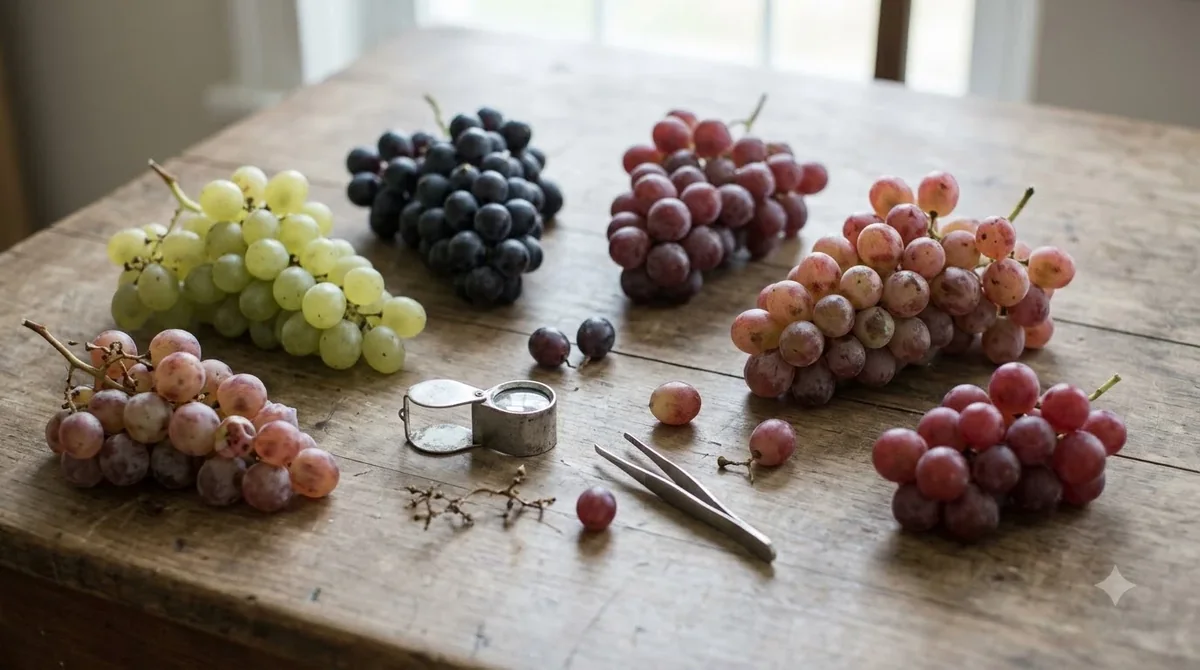
Bordeaux, France is Merlot’s traditional home. On the Right Bank, appellations such as Saint-Émilion and Pomerol are particularly associated with Merlot-based wines. These bottles may include Cabernet Franc, while some blends also contain other traditional Bordeaux varieties. Their flavor profiles can include plum, dark cherry, savory herbs and earthy characteristics.
Merlot also plays an important role in Bordeaux’s Left Bank blends, where Cabernet Sauvignon often contributes more structure. These wines may have firmer tannins and a more pronounced black-fruit character. A Bordeaux blend is not necessarily sweeter or drier than a varietal Merlot; residual sugar depends on the finished wine.
California offers a range of Merlot styles, from approachable fruit-forward wines to more structured examples from cooler vineyard locations. Sonoma County and Napa Valley are familiar starting points for shoppers exploring American Merlot. Depending on the producer, flavors may include black cherry, blackberry, plum, vanilla and cocoa.
Chile is another useful region to investigate. Chilean Merlot can display juicy red and black fruit, with herbal or savory notes depending on the growing location. The grape is also planted in Australia and New Zealand, where different climates contribute to further stylistic variation.
Tuscany and Umbria in Italy provide additional examples of Merlot in both varietal bottlings and blends. Tuscany is particularly interesting for wines that combine Merlot with other international grapes. The resulting styles can be more concentrated and structured than lighter everyday reds.
None of these regions automatically guarantees low residual sugar. Geography can help shoppers anticipate flavor, body and structure, but a producer’s fermentation choices determine how much sugar remains in the finished wine.
A practical buying strategy is to compare one California Merlot with one Bordeaux or Chilean example. Look at their residual-sugar measurements, ABV and tasting descriptions together. This gives a clearer picture of how different producers balance fruit concentration, acidity, alcohol and texture.
Low Sugar Merlot Compared With Other Red Wines
Merlot is a useful option for shoppers who prefer softer tannins and approachable fruit flavors. Cabernet Sauvignon, Pinot Noir and Syrah offer different structural characteristics, but none of these grape varieties automatically guarantees a lower residual-sugar concentration.
The important distinction is between grape variety and winemaking style. A producer can make a dry Merlot, a dry Cabernet Sauvignon or a dry Pinot Noir. The same grape can also be used to produce a wine with more noticeable residual sweetness.
Merlot typically has medium tannins and a softer texture than Cabernet Sauvignon. Cabernet Sauvignon has higher tannin levels and often shows cassis, blackcurrant and firmer structure. Both grapes are frequently used in Bordeaux blends.
Pinot Noir generally has low-to-medium tannins and higher acidity, with flavors of cherry, raspberry and cranberry. It can be a good alternative for someone who prefers a lighter-bodied red. Syrah, by comparison, often has medium-plus to high tannins and flavors of dark berries, pepper and spice.
| Red wine variety | Typical tannin level | Common flavor profile | Low-sugar shopping consideration |
|---|---|---|---|
| Merlot | Medium, softer | Plum, cherry, blackberry | Look for dry examples with measured RS |
| Cabernet Sauvignon | High | Cassis, blackcurrant, cedar | Choose traditionally dry bottlings |
| Pinot Noir | Low to medium | Raspberry, cranberry, cherry | Look for dry, cool-climate examples |
| Syrah | Medium-plus to high | Blackberry, pepper, dark fruit | Compare RS independently of tannin |
| Malbec | Medium to high | Black plum, blackberry, spice | Check producer information for RS |
The comparison highlights an important point: tannin is not a measurement of sugar. A Cabernet Sauvignon can be highly tannic and very dry, while a soft Merlot can also be very dry. Likewise, a smooth wine is not automatically a sweet wine.
Shoppers interested in other wine categories can also compare low sugar moscato and low sugar rose. These styles have different flavor profiles and production methods, so their sweetness levels should be evaluated independently rather than inferred from their color or grape variety.
For someone who enjoys the combination of ripe fruit and softer tannins, Merlot remains a particularly versatile choice. Its structure is approachable without requiring the wine to retain noticeable residual sugar.
Food Pairings That Complement Dry Merlot
Dry Merlot pairs particularly well with roasted meat, mushrooms, poultry and savory vegetable dishes. Its medium tannins and rounded fruit character make it versatile enough for everyday meals without overpowering moderately flavored ingredients.
For a straightforward dinner, grilled chicken with rosemary, roasted potatoes and sautéed mushrooms makes a natural match. The wine’s plum and cherry characteristics complement the savory ingredients, while its softer tannins avoid the aggressive drying sensation associated with more tannic reds.
Beef is another reliable pairing. Grilled steak, roast beef and slow-cooked short ribs provide enough richness and savory flavor to balance Merlot’s fruit concentration. Fat and protein-rich dishes also soften the perception of tannin, creating a more harmonious experience.
Vegetarian dishes deserve equal consideration. Roasted eggplant, mushroom risotto, lentil dishes and grilled portobello mushrooms can all work well with dry Merlot. Earthy flavors are particularly useful because they complement the savory characteristics found in many Bordeaux and cooler-climate examples.
Pairings by meal
- Chicken: Roast chicken with thyme, garlic and potatoes.
- Beef: Grilled sirloin, beef stew or braised short ribs.
- Pork: Roasted pork tenderloin with rosemary and roasted apples.
- Vegetarian: Mushroom risotto, roasted eggplant or lentil casserole.
- Cheese: Gouda, aged cheddar and other flavorful semi-firm cheeses.
Food sweetness requires a little more attention. A dessert that is sweeter than the wine can make the Merlot taste acidic, thin or unexpectedly bitter. For fruit-based dishes, choose a wine that can match the sweetness of the food rather than assuming every Merlot will work with dessert.
Very spicy meals also require care. Chili heat can become more pronounced alongside alcohol and tannin, so heavily spiced dishes may overwhelm a full-bodied Merlot. Mildly seasoned grilled foods and savory dishes are generally easier matches.
Acidity matters as well. Tomato-based dishes can be challenging when the wine lacks sufficient acidity to balance them. A fresh tomato sauce with herbs may work better with a more lively red than a very ripe, low-acid Merlot.
Ultimately, the best pairing is one in which neither the food nor the wine overwhelms the other. Merlot’s balanced fruit, medium tannins and flexible texture make it particularly useful for meals built around meat, mushrooms and roasted vegetables.
Serving and Storing Merlot Properly
Merlot is generally best served slightly cooler than typical room temperature, with light-bodied examples around 55–60°F and fuller-bodied examples around 60–65°F. Appropriate serving temperature helps preserve its fruit aromas while preventing alcohol from dominating the palate.
For an approachable, fruit-forward Merlot, try serving it near 58°F. A fuller Bordeaux-style example may benefit from approximately 62°F. If the wine is too warm, alcohol can become more noticeable and the fruit may seem less defined. If it is too cold, the aromas can become restrained and the tannins may appear firmer.
A standard 750-milliliter bottle provides approximately five standard 5-ounce glasses. Pouring a consistent amount makes it easier to compare different bottles and appreciate their differences in texture and aroma.
When to decant Merlot
Most young, approachable Merlots can be served shortly after opening. However, younger full-bodied red wines may benefit from 30–60 minutes of decanting. Exposure to air can help soften the initial impression of tannin and make the wine’s aromas easier to appreciate.
Decanting is particularly useful for structured Merlot from Bordeaux or concentrated examples from California. It is not necessary for every bottle, and delicate or older wines may require a gentler approach.
Storage after opening
Once opened, reseal the bottle and store it in the refrigerator. Most still wines remain enjoyable for approximately 3–5 days under appropriate storage conditions, although aroma and flavor can gradually change as oxygen affects the wine.
For unopened bottles, a cool, dark storage location near 55°F is a useful target. Bottles with traditional cork closures are generally stored horizontally to keep the cork from drying out. Avoid locations exposed to direct sunlight, heating equipment or frequent temperature fluctuations.
These basic practices help preserve the wine’s fruit character and structure. Proper storage is especially useful when opening a bottle over several meals rather than finishing it in one sitting.
Frequently Asked Questions
Is Merlot suitable for someone who prefers a less fruity red wine?
Yes. Cooler-climate Merlot can show more savory characteristics, including herbs, tobacco and earthy notes alongside its fruit. Bordeaux examples can also display herbal and mineral impressions that provide an alternative to heavily ripe fruit styles.
Does Merlot contain naturally occurring grape sugar?
Yes. Merlot grapes contain glucose and fructose before fermentation. These sugars provide the raw material for yeast to produce alcohol, and the amount remaining depends on fermentation and the final composition of the wine.
Can Merlot be made without oak aging?
Yes. Merlot can be aged in stainless steel, concrete or other neutral vessels rather than new oak barrels. These approaches can preserve a more direct expression of cherry, plum and fresh grape characteristics while reducing the vanilla and toasted-spice notes commonly associated with new oak.
Is Merlot used to make wine blends outside France?
Yes. Merlot is an important blending grape in several international wine regions. In Tuscany, it can appear alongside Sangiovese or Cabernet Sauvignon, while Australian and American producers also use it in blends with other Bordeaux varieties.
What does the term varietal Merlot mean on a bottle?
Varietal Merlot identifies a wine primarily associated with the Merlot grape rather than a blend marketed under a regional or proprietary name. In the United States, federal labeling rules generally require at least 75% of the wine to come from the named grape variety for a varietal designation.
Choosing a low-sugar Merlot is primarily a matter of understanding residual sugar rather than judging a wine by its fruitiness, smoothness or color. Start with dry examples and compare published measurements whenever possible. With the right bottle, Merlot offers generous plum and cherry flavors, approachable tannins and excellent versatility at the dinner table.
More in Wine Buying Guides
 Cheap Red Blend: How to Find a Flavorful Bottle for LessUpdated Nov 20, 2026
 Pinot Grigio Gift: How to Choose a Bottle They’ll EnjoyUpdated Nov 20, 2026
 Best White Wine at Total Wine for Every MealUpdated Nov 20, 2026
 Wine Fridge Replacement Shelves: Find the Right FitUpdated Nov 20, 2026
 Best Sparkling Wine Under 20: Find Bubbles Worth BuyingUpdated Nov 20, 2026
 Best Wine For Birthday Celebrations With Perfect Party PairingsUpdated Nov 20, 2026