

We may earn a commission when you buy through links on this page, at no extra cost to you. Learn more.
The loureiro grape is a white variety from northern Portugal that makes light, aromatic wines with bright acidity and notes of citrus, white blossom and bay leaf. It is one of the main grapes in Vinho Verde, the crisp, often slightly spritzy white wine of the Minho region, and it also appears in single-varietal bottlings from Portugal and from Galicia in Spain. Most loureiro wines contain roughly 10 to 11.5 percent alcohol, which makes them easy to drink with seafood, salads and lighter meals. Serve them chilled, around 45 to 50 F, so the fresh fruit and floral lift stay in focus.
If you have spent time in a Portuguese wine shop or scanned a Spanish white list, you have probably seen this name without a clear idea of what it tastes like. Loureiro rarely takes the front label the way Alvarinho does, yet it is quietly present in a large share of the white wines made in northern Portugal. This guide covers where the variety came from, how it tastes, which styles you are likely to find, what to serve it with, and how to store it at home. The advice is practical, so you can apply it the next time you are choosing a bottle for a weeknight dinner or a relaxed lunch with friends.
Where the Loureiro Grape Comes From
Loureiro is closely tied to the Minho, the cool and damp northwest corner of Portugal where the Atlantic shapes the climate. Its roots point to a single river valley, and that origin still matters to producers who want to explain the character of their wines.
According to the Wines of Portugal regional body, the variety most likely began in the valley of the River Lima, toward the north of the Minho and Vinho Verde region. It has since spread across the wider region, but the Lima valley remains the reference point people return to when they describe the grape’s best expression. Wine Radar also describes Loureiro as the most important white grape of Vinho Verde after Alvarinho, which shows how central it has become to the region’s identity.
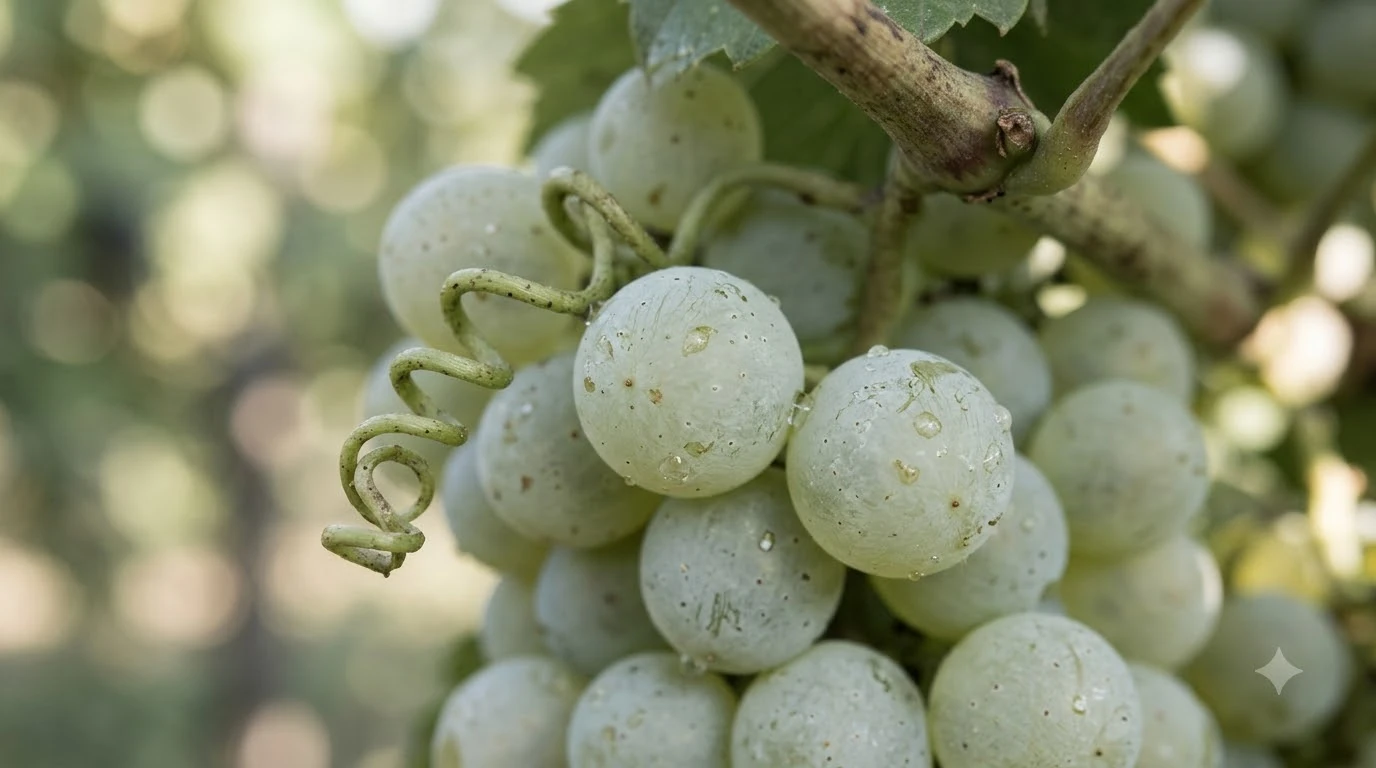
The vine itself is vigorous and high yielding. Wines of Portugal notes that it has only recently been recognised as a noble variety, a status shift that helps explain why more producers now bottle it on its own. The bunches are elongated and relatively compact, with medium-sized grapes that turn a yellowish green as they ripen. A vigorous vine needs careful canopy and crop management, because a heavy harvest can dilute the aromatic intensity that makes the variety worth planting in the first place.
Loureiro also grows across the border in Galicia, where it appears in local whites and blends. Wine Radar’s catalog lists Loureiro wines from Vinho Verde, Rías Baixas, Ribeiro, Douro and Alentejo, with Vinho Verde by far the largest group. That spread explains why you may see the name on Portuguese and Spanish labels, even though the Lima valley remains its home base.
How the Loureiro Grape Tastes
Loureiro wines are dry, light bodied and bright, with aromas that often recall bay laurel, white blossom and citrus. Acidity is the feature most people notice first.
The name itself is a useful clue. Wines of Portugal explains that Loureiro means laurel or bay, and the aroma is said to resemble laurel flowers, along with orange blossom, acacia and lime blossom, layered over apple and peach fruit. Wine Folly lists grapefruit, lime, lime blossom, bay leaf and a saline note among the primary flavors, so you may pick up both fruity and herbal signals on the same sip.
On the palate, the wines are built around freshness. Wine Folly describes a dry, light-bodied style with high acidity, no tannin and an alcohol range of 10 to 11.5 percent. Decanter’s review of a Vinho Verde Loureiro points to brisk acidity, low alcohol and juicy flavors of mandarin, nectarine and floral notes, which is a good picture of the grape at its freshest. Wine Radar adds that the wines are pale and fragrant, with vibrant acidity and a slight natural spritz that keeps them lively without any sweetness.
| Characteristic | Typical loureiro | What it means for you |
|---|---|---|
| Alcohol by volume | 10 to 11.5 percent | Light enough for lunch and easy with seafood |
| Body | Light | Refreshing texture, not heavy or oily |
| Acidity | High | Cuts through fried food and citrus dressings |
| Tannin | None | Clean finish, easy with mild spice |
| Sweetness | Dry | Best with savory food, not sweet desserts |
| Serving temperature | 45 to 50 F | Chill for two to three hours before pouring |
| Pour size | 5 ounces | About five glasses from a 750 ml bottle |
| Open bottle in the fridge | 3 to 5 days | Reseal tightly and keep chilled |
Those numbers explain why loureiro feels so easy to drink. The modest alcohol keeps the wine light on the palate, the acidity keeps it crisp from the first sip to the last, and the lack of tannin means the finish stays clean rather than drying.
Loureiro Wine Styles: Blends, Single Varietals and Sparkling
Most loureiro is still white, and you will find it in traditional Vinho Verde blends as well as in single-variety bottlings. A small share of the grape goes into sparkling wines, and a very small number of Port-style wines also use it.
Traditionally, Loureiro was blended with other local grapes. Wines of Portugal notes that it was often blended with Arinto, known locally as Pedernã, and with Alvarinho or Trajadura. Blending gave winemakers a way to round out the grape’s sharp acidity and spread its aromas across a wider profile, which is why classic Vinho Verde whites often list several grapes.
Today the picture is changing. Wine Radar notes that Loureiro increasingly stands alone in serious varietal bottlings, and it points to Quinta do Ameal as an estate whose single-variety wines demonstrate the grape’s quiet ageability. A varietal bottling lets you taste the grape without partners, which makes it the best way to learn its personality. Once you know the single-variety style, the blends make much more sense.
The style split is heavily weighted toward white. Wine Radar’s catalog shows about 89 percent of Loureiro wines as white, 4 percent sparkling, 3 percent red and 1 percent each for rosé and Port. If you want a broader view of how white grapes and styles compare, our wine by type guide is a helpful next step.
Food Pairings That Suit Loureiro
Loureiro works best with food that has its own freshness, such as seafood, salads and salty or fried dishes. Its low alcohol and absence of tannin also make it easy to match with mild spice.
Wine Radar lists fish, poultry and vegetables as natural partners, which covers a wide range of everyday cooking. Wine Folly goes further toward tradition, recommending salt cod, fish soups and other classic Portuguese dishes. Those foods have the savory depth and texture to hold up against the wine’s bright aromatics without drowning them out.
Acidity is the key rule here. Acidic food needs a wine with equal or higher acidity, so a lemon-dressed shellfish platter, a ceviche or fried calamari with lemon all work well with loureiro. The wine keeps pace with the citrus rather than being flattened by it. The same acidity also cuts through the oil in fried batter, which is why fried fish and crisp potatoes with a squeeze of lemon are a natural match.
Spice is another area where this grape is forgiving. Chili heat is amplified by alcohol and tannin, and loureiro offers little of either, so a lightly spiced stir-fry or a Thai-style salad is more comfortable with it than with a bold, tannic red. Keep the heat moderate, though, because very hot dishes can still overwhelm the delicate floral notes. Dessert needs its own care. Wine should be at least as sweet as the dessert, and loureiro is dry, so a lemon tart or chocolate cake will make the wine taste sour. Save this bottle for savory courses and choose a sweeter white for the final course.
Serving Loureiro: Temperature, Pouring and Glassware
Serve loureiro chilled, at around 45 to 50 F, in a standard white wine glass. Pour about 5 ounces per person so the aromas have room to open.
Temperature shapes how the wine feels in the mouth. If the bottle is too cold, the aromas stay closed and the acidity can dominate; if it is too warm, the wine can taste flat and slightly heavy. A light white in the 45 to 50 F range keeps the citrus and blossom in balance. If a bottle has been sitting at room temperature, a couple of hours in the refrigerator will usually bring it into that range.
Glassware matters less than temperature, but it still helps. A standard white wine glass with a moderately sized bowl concentrates the laurel and blossom aromas near the rim, which suits this variety well. Avoid very wide glasses that let the aroma disperse quickly, and do not fill the glass past its widest point so there is room to swirl and smell.
Portion size is a simple planning tool. A 750 ml bottle holds roughly 25 ounces, which gives about five pours of 5 ounces each. That is enough for four people to have one glass each, with a little left over for the cook. For a party, a starting point is roughly one bottle for every four guests, adjusted for how many glasses each person typically pours.
Tip: After the first pour, keep the rest of the bottle in the refrigerator rather than on the counter. Chilled wine holds its acidity and aromas longer, and that matters for a fresh white where freshness is the whole point.
Storing Loureiro and Deciding How Long to Keep It
Most loureiro is made for early drinking, although a few serious bottlings can rest for several years. Store unopened bottles on their side in a cool, dark spot near 55 F.
Wine Folly gives a cellar window of three to five years for this grape, while Wine Radar points to the quiet ageability of serious estate wines. In practice, a fresh bottling bought for a summer lunch is generally best enjoyed within a year, while a more concentrated estate example may repay a few years of patience. Check the vintage on the label, and read any producer advice printed on the back before deciding.
Storage conditions matter more than many buyers expect. Keeping bottles on their side keeps a natural cork moist, and a steady temperature near 55 F, away from heat, sunlight and vibration, slows the aging of aromatic whites. A closet or lower cabinet in a cool room works well. Screwcaps, which are common on fresh whites, do not need that moisture, but the same rule of a cool and stable spot still applies.
Once opened, the clock starts. The general guidance for still wines is three to five days in the refrigerator, so reseal the bottle tightly or use a wine stopper and keep it chilled between glasses. Leftover loureiro is best used within a few days, because the bright acidity and aromatic lift fade gradually and the wine loses the sharp, fresh edge that made it appealing in the first place.
Loureiro Versus Alvarinho and Other Portuguese Whites
Loureiro and Alvarinho are the two names most often mentioned together in Vinho Verde, and both are dry, crisp and refreshing. Comparing them side by side helps you choose the right bottle for a specific meal.
Alvarinho is the more famous name. Decanter notes that it is the white grape most people associate with Portugal, and that it is the same grape as Spain’s Albariño. Loureiro sits beside it as the other important white of Vinho Verde, and Wine Radar describes Alvarinho as the top white of the region and Loureiro as the next most important.
The difference shows up mainly in aroma. Loureiro leans toward laurel, orange blossom and lime, and its bay leaf character gives it a herbal edge that sets it apart from many other Portuguese whites. Its mild spritz and high acidity make it a lively companion for seafood, and once you know the laurel signature, it becomes much easier to spot in a lineup of similar whites.
If you enjoy crisp whites from Spain, the airen grape is another white worth comparing with loureiro to see how a different white profile stacks up. The best approach is to compare a few whites side by side at the same temperature and in the same glass, so the differences in aroma and acidity are easy to notice. Keep notes on which style matches your favorite dishes, and you will have a shortlist that works for your home cooking.
Frequently Asked Questions
Is loureiro a red or a white grape?
Loureiro is a white grape, and it belongs to the species Vitis vinifera, the same species behind most of the world’s classic fine wines. A red wine labeled with this name is rare enough that it is worth verifying with the producer before you buy.
Should loureiro be decanted before serving?
No. Wine Folly’s handling guidance lists decanting as unnecessary for this wine, so there is no need to aerate it or wait. Open the bottle and pour straight into a chilled glass to keep the aromas bright.
Which producers make loureiro wines?
Wine Radar’s listing shows Quinta da Aveleda, Anselmo Mendes and Aphros among the producers with the most Loureiro wines in its catalog. Quinta de Santa Cristina, Soalheiro and Herdade do Esporão also appear among the producers with several listings, so the grape is represented by a wide mix of estates.
Is loureiro a good first white for someone new to wine?
It can be a good starting point. Decanter’s reviewer calls it a summer all-rounder that works on its own or with lighter dishes, which makes it an approachable choice while you are still learning how different whites taste. Pair it with simple seafood or a green salad to see how the acidity behaves with food.
Are loureiro wines usually sealed with a screwcap?
Screwcaps are common for this style, and Decanter’s review of one Vinho Verde Loureiro lists a screwcap closure. That choice fits a light, early-drinking white meant to show fresh fruit and acidity, and it also makes resealing an open bottle simple.
Loureiro rewards anyone who wants a dry, aromatic white with food-friendly acidity and a light touch. Start with a chilled bottle from the Vinho Verde region, pour it alongside a seafood dinner, and compare it with the next white on your shelf. Once you recognize the laurel and blossom signature, you will find it easy to spot again.
More in Wine Types & Grapes
 Zinfandel Sugar Content: Dry Red vs. White Zinfandel GramsUpdated Nov 21, 2026
 Best Zinfandel Substitute Options for Sipping and CookingUpdated Nov 21, 2026
 Zweigelt Food Pairing: Best Dishes, Cheeses, and Serving TipsUpdated Nov 21, 2026
 Zinfandel Tannins Explained: How Structure Shapes Every BottleUpdated Nov 21, 2026
 Zinfandel Sweetness Level: Dry Red vs. Sweet White Zin ExplainedUpdated Nov 21, 2026
 Xinomavro Food Pairing: Best Dishes, Styles, and Serving TipsUpdated Nov 21, 2026