

We may earn a commission when you buy through links on this page, at no extra cost to you. Learn more.
The louis martini wine price typically ranges from about $15 to $25 for Sonoma County Cabernet Sauvignon, while Napa Valley and vineyard-designated Cabernet Sauvignon bottles generally cost more. Premium releases such as Monte Rosso and Lot No. 1 occupy considerably higher price tiers. The right bottle depends on whether you want an everyday California Cabernet, a distinctive vineyard expression, or a special-occasion wine.
Louis M. Martini is an established California winery with a long association with Cabernet Sauvignon and the vineyards of Napa and Sonoma. Its range includes accessible regional wines alongside more expensive selections from recognized vineyard sites. Understanding the differences between these bottles makes it easier to judge whether a particular retail price represents a sensible purchase. This guide compares typical American retail price ranges, explains what influences the cost, and identifies the bottles worth considering for different occasions.
Who Should Consider Louis Martini Wine?
Louis M. Martini is worth considering for Cabernet Sauvignon drinkers who appreciate ripe dark fruit, noticeable oak influence, and structured red wines. Its range covers several price levels, making the winery relevant to both casual buyers and people looking for more distinctive Napa and Sonoma selections.
The entry-level Sonoma County Cabernet Sauvignon is the natural starting point for shoppers who want a recognizable California Cabernet without paying premium vineyard-wine prices. Retail descriptions emphasize dark fruit, black tea, cocoa, dried herbs, cedar, and supple tannins. These characteristics make it a practical choice for a dinner featuring grilled steak, burgers, or aged cheese.
Buyers interested in a more specific regional expression can consider Alexander Valley or Napa Valley Cabernet Sauvignon. These wines occupy higher price categories and offer an opportunity to compare Cabernet from different California growing areas. For collectors and special occasions, the winery’s Monte Rosso Vineyard and Lot No. 1 bottlings sit further up the range.
The winery’s background also gives the brand an identity beyond its more accessible Cabernet. Louis Martini purchased Monte Rosso Vineyard in 1936 and developed a reputation around Napa and Sonoma wine production. Its portfolio now includes several grape varieties, although Cabernet Sauvignon remains its central point of recognition.
Shoppers researching the broader portfolio can also explore Louis Martini wine to understand the different bottles and styles associated with the producer.
Key Factors That Influence Louis Martini Wine Price
The most important price differences involve the wine’s geographic designation, vineyard source, positioning within the portfolio, and availability. A regional Sonoma County Cabernet and a vineyard-designated Monte Rosso Cabernet are not interchangeable products, even though both carry the same winery name.
Geographic origin is an important starting point. Sonoma County Cabernet is generally the more accessible option, while Napa Valley Cabernet commands a higher typical retail range. Alexander Valley provides another regional selection between the entry-level and more premium categories. The geographic designation helps explain the intended positioning of each bottle.
Vineyard designation can make a significant difference. Monte Rosso is a historic vineyard associated with Louis Martini’s development of its California wine identity. Vineyard-specific releases are positioned differently from county-wide blends, and their retail prices reflect that distinction.
Production and positioning also matter. The winery’s regular regional Cabernet is intended to provide an approachable expression of the grape, while premium selections such as Lot No. 1 are positioned for buyers seeking a more exclusive bottle. Vintage availability can further influence what retailers charge.
The following comparison uses approximate US retail ranges for 750 ml bottles. The ranges are based on the categories and listings reviewed at ReserveBar, including its Sonoma, Napa, Alexander Valley, Monte Rosso, and Lot No. 1 selections. Prices vary by state and retailer, and individual vintages may fall outside these estimates.
| Wine category | Typical US retail range | Positioning |
|---|---|---|
| Sonoma County Cabernet Sauvignon | About $15–$25 | Everyday regional Cabernet |
| Alexander Valley Cabernet Sauvignon | About $30–$45 | Regional step-up selection |
| Napa Valley Cabernet Sauvignon | About $35–$55 | Premium regional Cabernet |
| Monte Rosso Vineyard Cabernet Sauvignon | About $100–$130 | Vineyard-designated premium wine |
| Lot No. 1 Cabernet Sauvignon | About $175–$225 | High-end special-occasion release |
| Monte Rosso Gnarly Vine Zinfandel | About $75–$100 | Premium vineyard-associated Zinfandel |
For an independent comparison of the producer’s actual portfolio listings, see ReserveBar’s Louis M. Martini collection. Its listings illustrate the substantial difference between regional Cabernet and premium vineyard-designated releases. These are retailer examples, not guaranteed nationwide prices.
For a broader view of producers and styles at different spending levels, the Wine Brands section offers additional background for comparing California wine labels.
Step-by-Step: How to Choose the Right Louis Martini Bottle
Choosing the right Louis Martini wine becomes easier when you begin with your spending range and intended occasion. Rather than automatically selecting the most expensive Cabernet, compare the regional designation, tasting profile, and food you plan to serve.
-
Set your budget.
Start by deciding whether you want an everyday bottle in the approximate $15 to $25 range, a regional step-up selection around $30 to $55, or a premium bottle costing more than $100. ReserveBar’s listings illustrate how substantially the price changes between Sonoma County, Napa Valley, and Monte Rosso Cabernet Sauvignon. Prices vary by state and retailer.
-
Choose the geographic designation.
Sonoma County is a sensible entry point for shoppers seeking an accessible California Cabernet. Napa Valley is a logical option for those interested in a more premium regional selection. Alexander Valley provides another geographically identified expression worth comparing.
-
Decide whether you want a regional blend or vineyard-specific wine.
A county-wide Cabernet can combine fruit from different vineyard sources, while Monte Rosso Vineyard Cabernet identifies a more specific origin. Buyers who value vineyard character and a more premium presentation may prefer the latter.
-
Compare the grape composition.
Cabernet Sauvignon is the primary variety in the brand’s best-known red wines, but blends can include other grapes. Before buying, distinguish between a wine labeled Cabernet Sauvignon and one confirmed to contain only that variety. Blending can influence structure, color, and the final flavor profile.
-
Match the flavor profile to your preferences.
Dark fruit, black tea, cocoa, cedar, and dried herbs are useful reference points for the Sonoma County Cabernet. Monte Rosso Vineyard Cabernet has a more specifically described profile of red currant, dark cherry, boysenberry, and cardamom.
-
Check the vintage and bottle format.
Most of the retail comparisons in this guide concern 750 ml bottles. Different vintages may have different availability and pricing, so compare equivalent bottle sizes and vintages before deciding that one retailer offers better value.
-
Compare the final retail offer.
Look at the full cost, including applicable taxes and shipping, rather than comparing shelf prices alone. Also consider whether the seller identifies the exact wine and vintage clearly.
Tip: If you are buying Louis Martini for the first time, begin with Sonoma County Cabernet Sauvignon. Its lower price category gives you an opportunity to understand the winery’s dark-fruit and oak-influenced style before spending substantially more on Monte Rosso or Lot No. 1.
Louis Martini Wine Types and Styles Explained
Louis Martini’s portfolio extends beyond one Cabernet Sauvignon, although its red Cabernet releases remain the main attraction for many buyers. Understanding the differences between regional wines, vineyard selections, and alternative varieties helps explain why bottles from the same producer can occupy very different price brackets.

Sonoma County Cabernet Sauvignon
This is the most practical starting point for someone researching the brand. Retail descriptions emphasize concentrated dark fruit, black tea, cocoa, cedar, dried herbs, and supple tannins. The wine is full-bodied and dry, making it appropriate for meals that include substantial protein and rich flavors.
Its flavor profile makes it a familiar style for people who enjoy classic California Cabernet. The combination of dark fruit and savory oak-related notes gives it enough structure for grilled meat without requiring a particularly elaborate meal. It is also a useful reference point for understanding the winery’s broader Cabernet portfolio.
The H-E-B Sonoma County Cabernet Sauvignon listing provides a retailer description of its 750 ml bottle, full-bodied dry style, flavor characteristics, and suggested steak and cheese pairings.
Napa Valley and Alexander Valley Cabernet Sauvignon
These bottles are useful alternatives for buyers who want to move beyond a broad Sonoma County designation. Napa Valley Cabernet is positioned at a higher price level, while Alexander Valley provides another regional expression within the producer’s California range.
Neither regional designation automatically guarantees that a particular bottle will suit every Cabernet drinker. Consider the vintage, producer notes, and intended occasion rather than assuming that a higher price always means a better personal match.
For someone who already enjoys Sonoma County Cabernet, comparing a Napa Valley release can be a useful next step. It provides an opportunity to explore another regional expression without immediately moving into the highest vineyard-designated price category.
Monte Rosso Vineyard Cabernet Sauvignon
Monte Rosso has a particularly important place in the winery’s history. Louis Martini purchased the vineyard in 1936, and its name remains associated with the producer’s more distinctive premium wines.
The winery describes its 2021 Monte Rosso Cabernet Sauvignon through red currant, dark cherry, boysenberry, and cardamom. Its vineyard-specific identity and much higher price category make it more appropriate for buyers who deliberately want a premium bottle rather than an everyday dinner wine.
Shoppers should also distinguish Monte Rosso Cabernet Sauvignon from the vineyard’s other bottlings. The winery’s portfolio includes Monte Rosso Gnarly Vine Zinfandel, which provides a different grape variety and a different style of red wine.
Lot No. 1 Cabernet Sauvignon
Lot No. 1 is positioned among the winery’s higher-end Cabernet releases. The winery describes the 2021 vintage with black currant, dried bay leaf, red cherries, and dark chocolate. This combination provides a useful indication of the wine’s dark-fruit and savory flavor direction.
Its price category is substantially above that of Sonoma County Cabernet. Buyers should therefore approach it as a special-occasion or premium purchase, not simply as a more expensive replacement for the entry-level bottle.
For shoppers comparing premium releases, the vintage and availability deserve particular attention. Lot No. 1 may be listed in different vintages by different retailers, so the name alone is not enough to establish that two bottles are equivalent.
Merlot, Zinfandel, and Other Varieties
The portfolio also includes Merlot, Cabernet Franc, Malbec, Petite Sirah, Sauvignon Blanc, and Zinfandel. The 2023 Napa Valley Merlot is described with cherry, cardamom, and red plum notes. This makes it a useful alternative for shoppers who want a red wine with a different structural profile from Cabernet Sauvignon.
Merlot generally has softer tannins than Cabernet Sauvignon, making it suitable for buyers who prefer a less firm red wine. Zinfandel provides another direction, often emphasizing ripe fruit and spice. These alternatives allow shoppers to remain with the same producer while exploring different grape varieties.
The Monte Rosso Vineyard Gnarly Vine Zinfandel is another premium vineyard-associated wine. Its price category places it above the most accessible regional bottles, making it a consideration for shoppers specifically interested in vineyard-associated Zinfandel.
Common Mistakes When Comparing Louis Martini Prices
Price comparisons can be misleading if shoppers treat every Louis Martini bottle as the same wine. Differences in geographic origin, vineyard designation, vintage, and grape composition need to be considered before deciding whether one bottle offers better value.
Comparing Different Regional Designations
A common mistake is comparing Sonoma County Cabernet directly with Napa Valley Cabernet and assuming that the difference in price is purely retailer markup. These wines have different geographic designations and occupy different positions in the portfolio.
The same principle applies to Alexander Valley and Monte Rosso. A regional Cabernet and a vineyard-designated Cabernet should be compared within their respective categories whenever possible. The higher-priced wine is not automatically the better choice for an everyday meal.
Assuming Every Cabernet Is 100% Cabernet Sauvignon
Cabernet Sauvignon wines can contain permitted blending varieties. The grape variety named on the front label does not necessarily represent the entire composition of the finished wine.
These additions can influence the wine’s color, structure, and flavor. Buyers who specifically want a single-variety Cabernet should distinguish between the grape named on the front label and the actual blend composition.
Ignoring Vintage Differences
Retailers may list different vintages of the same Louis Martini wine at the same time. A bottle from one harvest should not automatically be treated as equivalent to another simply because the front label has the same regional designation.
Older vintages may also be difficult to find consistently. Availability can be limited to individual stores or specialist retailers, which can produce a wider price spread than the current regional bottlings.
Paying a Premium Without Understanding the Wine
Monte Rosso and Lot No. 1 are positioned well above the regular Sonoma County Cabernet. That higher spending level makes more sense for someone who specifically wants a vineyard-designated or premium release.
If your priority is a full-bodied red for grilled food, the less expensive Sonoma County Cabernet may be sufficient. Spending considerably more is not necessary simply to enjoy the winery’s recognizable Cabernet-oriented style.
Confusing Retail Prices With Winery Positioning
A single retailer’s listing is not a universal price benchmark. Local taxes, distribution arrangements, shipping, vintage availability, and store location can all affect the final amount paid.
For a more focused look at the producer’s core red wines, compare the details in Louis M. Martini wine and Louis M. Martini red wine before making a decision.
Serving and Storage Tips for Louis Martini Wines
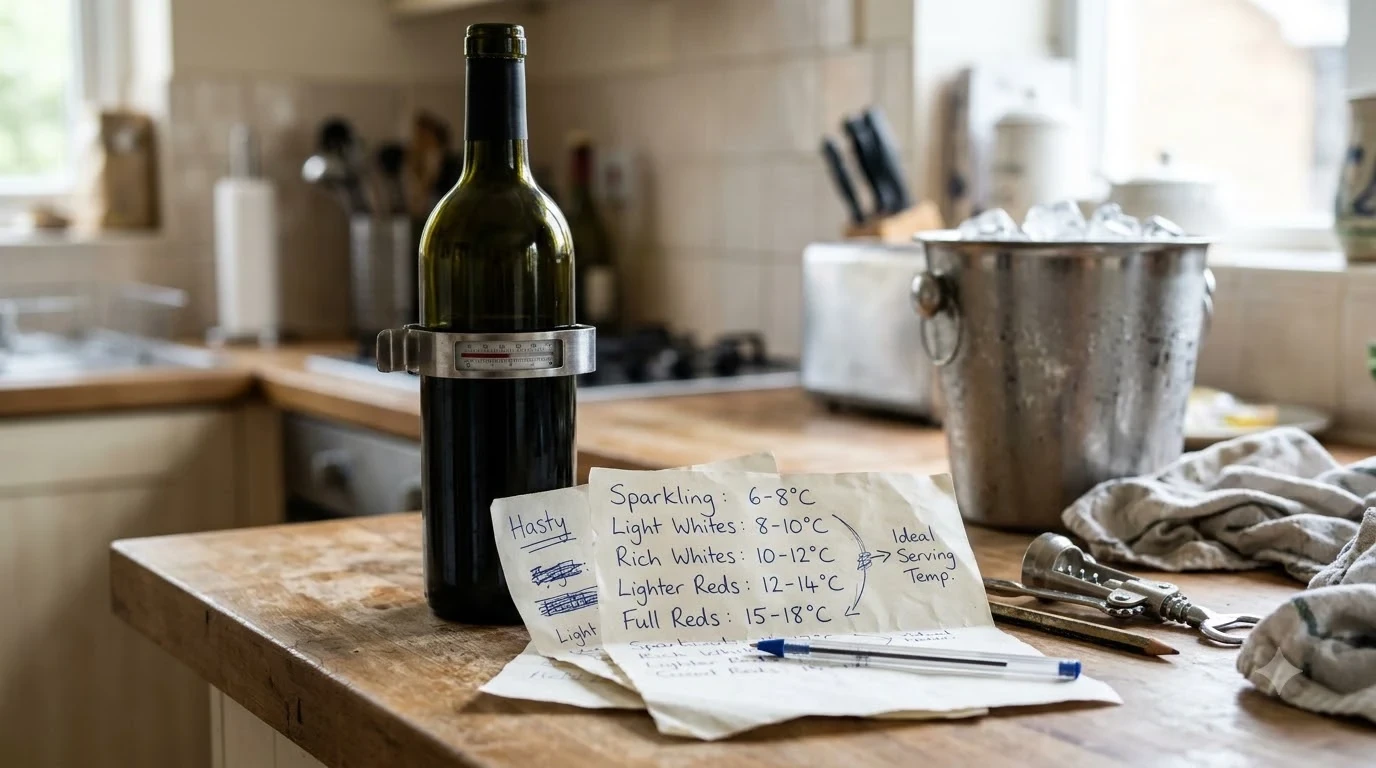
Proper serving temperature and storage can make a meaningful difference to the way a Cabernet Sauvignon or other red wine presents itself. Louis Martini’s fuller-bodied reds generally benefit from moderate serving temperatures, appropriate glassware, and protection from excessive heat.
Serve Cabernet Sauvignon at the Right Temperature
Full-bodied red wines are best served around 60 to 65 degrees Fahrenheit. This temperature range helps preserve the wine’s structure without making alcohol aromas overly prominent. Serving a bottle too warm can make its alcoholic character seem stronger and its fruit less balanced.
For Sonoma County, Napa Valley, or Monte Rosso Cabernet, open the bottle shortly before serving and allow it to approach the desired temperature. If the wine has been stored in a warm room, a brief period in a cool environment can help bring it into the appropriate range.
Decant Young, Full-Bodied Cabernet
Young, full-bodied red wines can benefit from approximately 30 to 60 minutes of decanting. This gives the wine time to interact with air and can help its aromas become more expressive.
Decanting is particularly worth considering for structured Cabernet Sauvignon releases. It is not mandatory, however, and the appropriate approach depends on the bottle’s age and condition. Older wines may need gentler handling rather than extended exposure to air.
Store Bottles Consistently
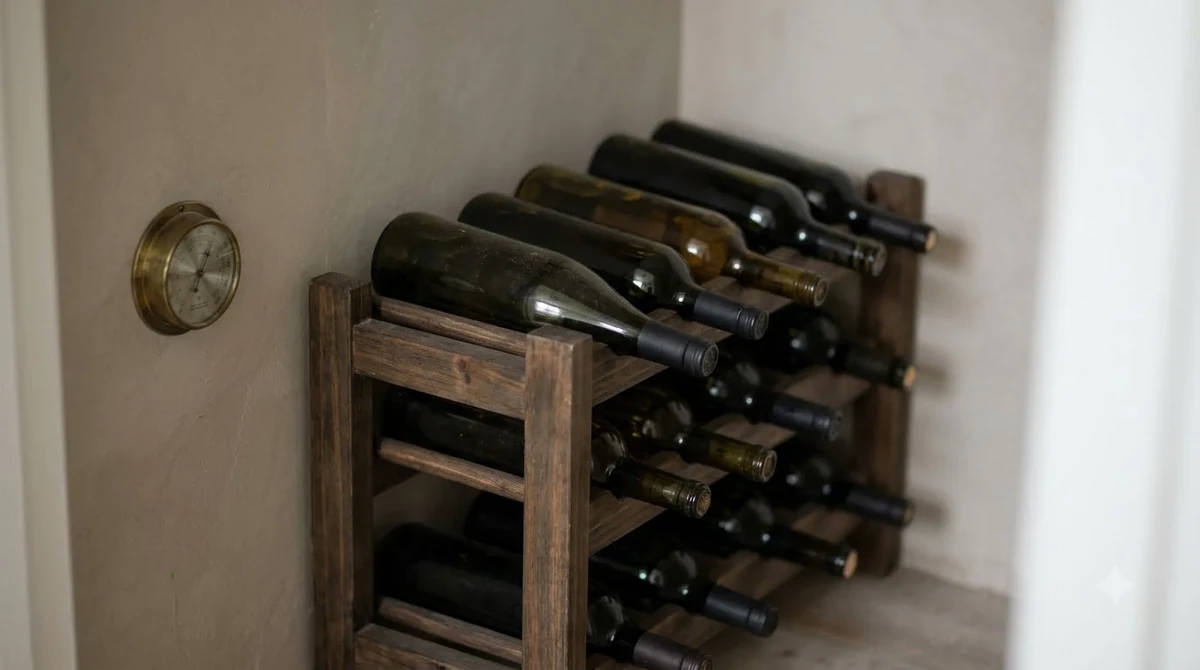
For bottles intended for storage, a temperature near 55 degrees Fahrenheit is a useful target. Keep bottles away from direct sunlight, heating equipment, and repeated temperature changes. Traditional cork-finished bottles are generally stored horizontally to keep the cork from drying out.
For everyday Sonoma County Cabernet, long-term cellaring is not necessary. Buy according to your drinking schedule and avoid keeping bottles in a hot kitchen or near a sunny window.
Preserve Opened Bottles
After opening a bottle, reseal it securely and place it in the refrigerator. Most opened still wines retain their best qualities for approximately three to five days, although the actual period depends on the wine, storage conditions, and exposure to oxygen.
Allow refrigerated red wine to warm slightly before pouring. A short period outside the refrigerator can bring the wine closer to its preferred serving temperature and make its fruit and oak characteristics easier to appreciate.
Choose Food That Matches the Structure
Cabernet Sauvignon generally has substantial tannin, which makes it particularly suitable for dishes containing protein and fat. Grilled ribeye, roast beef, lamb, and aged cheddar are practical pairings. Fat and salt can soften the perception of tannin, helping the wine feel more balanced with the meal.
For the Sonoma County Cabernet, steak and bold cheese are particularly straightforward choices. Merlot can work well with roast poultry, pork, and mushroom-based dishes, while Zinfandel is a useful option for grilled meats and flavorful tomato-based meals.
Frequently Asked Questions
Does Louis Martini produce wine outside California?
Louis M. Martini is identified with California wine production, particularly Napa and Sonoma. Its historic identity and current portfolio are closely associated with these wine-growing areas rather than an international collection of regional wines. The winery’s heritage also connects to Genoa, Italy, through founder Louis Martini.
What does the gryphon on the Louis Martini label represent?
The gryphon is a traditional symbol associated with Genoa, Italy, where Louis Martini was born. The winery connects the emblem with qualities including wisdom, courage, and leadership. It provides a visual link between the founder’s Italian origins and the winery’s California history.
Who is the winemaker behind The Gryphon Cabernet Sauvignon?
The winery identifies Zach Watkins as its winemaker. The Gryphon represents a stylistic direction inspired by classic Napa Cabernet Sauvignon from the 1960s and 1970s. The producer describes the wine as having varietal character, energy, and liveliness.
Does Louis Martini offer winery tasting experiences?
Yes. The winery promotes tasting flights and culinary experiences at its restored Napa Valley location. Its membership program also includes access to selected releases, events, and winery experiences. Visitors should review the winery’s experience information before planning a visit.
Can Louis Martini wines be purchased in different grape varieties?
Yes. The producer’s portfolio includes Cabernet Sauvignon, Merlot, Cabernet Franc, Malbec, Petite Sirah, Sauvignon Blanc, and Zinfandel. This means shoppers interested in the winery are not limited to Cabernet Sauvignon. Availability varies by release and retailer, particularly for vineyard-specific selections.
Louis M. Martini offers a wide price spectrum, from approachable Sonoma County Cabernet Sauvignon to premium vineyard-designated wines and Lot No. 1. For most everyday buyers, the Sonoma County bottle is the logical starting point, while Napa Valley and Monte Rosso provide alternatives for more specialized purchases. Compare the wine’s origin, vintage, and intended occasion before paying a premium, and choose the bottle that best matches your budget and preferred Cabernet Sauvignon style.
More in Wine Brands
 Louis Latour Wine Price: Compare Bottles by Style and TierUpdated Nov 20, 2026
 Yellow Tail Moscato Price: What to Expect Before You BuyUpdated Nov 20, 2026
 Sutter Home Sweet Red Review: Find the Right Food PairingsUpdated Nov 20, 2026
 Franzia Chillable Red Review: Find the Right Serving StyleUpdated Nov 20, 2026
 Veuve Clicquot Rose Review: Flavor, Food Pairings and Buying AdviceUpdated Nov 20, 2026
 Rombauer Wine Price: Compare Bottles Before You BuyUpdated Nov 20, 2026