

We may earn a commission when you buy through links on this page, at no extra cost to you. Learn more.
Louis Latour wine comes from a family-owned Burgundy négociant house based in Beaune, and it covers both estate-grown and purchased wines from many parts of Burgundy. The house has been in business since 1797 and still belongs to the founding family. Its range spans white and red Burgundy, with wines that reflect the origin of the grapes rather than a single house style.
This guide explains what the house is, how its history shaped its wines, and which regions and styles are worth knowing. It also compares Louis Latour with other Burgundy houses and gives practical advice on buying, storing and pairing its bottles.
What Is Louis Latour?
Louis Latour is a négociant-éleveur, which means the house buys grapes or wine from growers and also makes wine from its own vineyards. According to the house, its domaine covers 50 hectares and includes a large collection of Grand Cru vineyards in the Côte d’Or. That mix of owned vines and bought fruit is the core of the brand.
The house describes itself as independent and managed by the founding family. Louis Latour is also a member of the Henokiens Club, a group of companies that have stayed in founding family ownership for at least 200 years. For American shoppers, the easiest way to think about the brand is as a traditional Burgundy producer that makes wines across several parts of the region.
The house logo appears on bottles shipped around the world, so look for it on the label when you shop. The company says its wines are shaped by their origin and made in the traditional style of the house, with an emphasis on elegance and finesse.
History of the Louis Latour Estate in Beaune
The house traces its roots to the eighteenth century, when the family began acquiring vineyards around Corton. The modern Maison Louis Latour was created in 1797, and by the 1860s the wines were already sold internationally. The house’s own timeline notes that its wines reached the United States, along with several European cities, during that period.
The most dramatic chapter came when phylloxera, an aphid from California, spread through French vineyards and damaged much of Burgundy. The family replanted damaged vines while trying to keep the traditions of the vineyards. Later, in 1891, the Latour family bought the Corton Grancey estate, which had also been hit hard by the disease.
The winery itself reflects that long history. The Historic Winery page on the house website describes the Corton Grancey Cuverie as a gravity-fed building cut into the hillside, with cellars dug into the bedrock. Modern investments followed, including renovations in the 2010s and a purchase in Chablis in 2003.
Louis Latour Wines Worth Trying
The Louis Latour range is easier to understand when you sort it by origin. The house groups its wines into domaine bottlings from its own vineyards and négociant bottlings made from grapes sourced across Burgundy. Its website also lists separate estates in the Ardèche, the Var, Chablis and Beaujolais, so the portfolio reaches beyond the Côte d’Or.
When you shop, use the label to guide you. A village or Grand Cru name usually signals a more specific origin, while a regional Bourgogne label points to a broader blend of sources. The table below gives a simple way to compare the main categories.
| Category | Where the grapes come from | What to look for on the label |
|---|---|---|
| Domaine wines | Louis Latour’s own vineyards, many on the Corton hillside | Domaine or estate wording, specific vineyard names |
| Négociant wines | Grapes and wine bought from growers across Burgundy | Village or regional names with the Louis Latour logo |
| Grand Cru bottlings | Top-rated single vineyards in the Côte de Nuits and Côte de Beaune | The Grand Cru vineyard name on the label |
| Other regional estates | Properties in the Ardèche, the Var, Chablis and Beaujolais | The estate name and regional appellation |
Because the house works across so many sites, tasting notes can vary widely. Read the back label or the producer’s technical sheet for the grape and village details. If you like a particular bottle, the producer’s site is the best place to find the next vintage in the same family of wines.
Burgundy Regions and Vineyards Behind the Brand
Burgundy is a region of many small appellations, and Louis Latour sources from several of them. The Côte de Nuits and Côte de Beaune are the core of the house’s identity, since they hold the Grand Cru vineyards that the company is known for. Pinot Noir and Chardonnay dominate these slopes.
The Corton hillside is central to the story. The house’s own Corton Grancey cellars sit among the vineyards of Aloxe-Corton, and the company describes its wines as strongly shaped by their place of origin. This focus on terroir helps explain why the house emphasizes single-site bottlings as well as blends.
Outside the Côte d’Or, the house has invested in Chablis and Beaujolais, and it also works with estates in the south of France. For you as a buyer, this means the name Louis Latour can appear on a Chardonnay from Chablis as well as a red from the Côte de Beaune. Check the regional name before you assume a bottle will taste like the others.
Louis Latour vs. Louis Jadot and Other Burgundy Houses
Louis Latour and Louis Jadot are both large Burgundy names, and many shoppers compare them. Both are established houses that buy from growers and also make wine in Burgundy. The difference usually comes down to how each house sources its fruit, the mix of Grand Cru and village wines in its range, and the style each one aims for.
Louis Latour stresses its own domaine and its historic cellars, while the house’s wines are often described as elegant and carefully aged in oak. If you want to see how another house approaches the same region, read the Louis Jadot wine guide alongside this one.
Other Burgundy houses differ again. Some focus more on one commune or on small growers, while others specialize in a narrow range of Grand Cru bottles. A simple way to compare is to pick one village wine from each house, taste them side by side, and note which style you prefer. For a wider view of Burgundy producers, the Wine Brands section groups brands by category.
How to Buy, Price, and Store Louis Latour Wine
Buying Louis Latour is straightforward once you know what to check. Prices vary by vintage, village and retailer, and they change over time, so compare current shelf prices at a shop or a licensed online retailer rather than relying on older lists. Prices shown here are not given, and any figure you see should be checked as of Nov 2026.
Use a simple checklist when you shop:
- Look for the Louis Latour logo and the exact village or vineyard name.
- Check the vintage year, since weather changes the character of each harvest.
- Decide whether you want a regional bottle for everyday drinking or a village or Grand Cru bottle for a special meal.
- Compare two or three options from the same category before choosing.
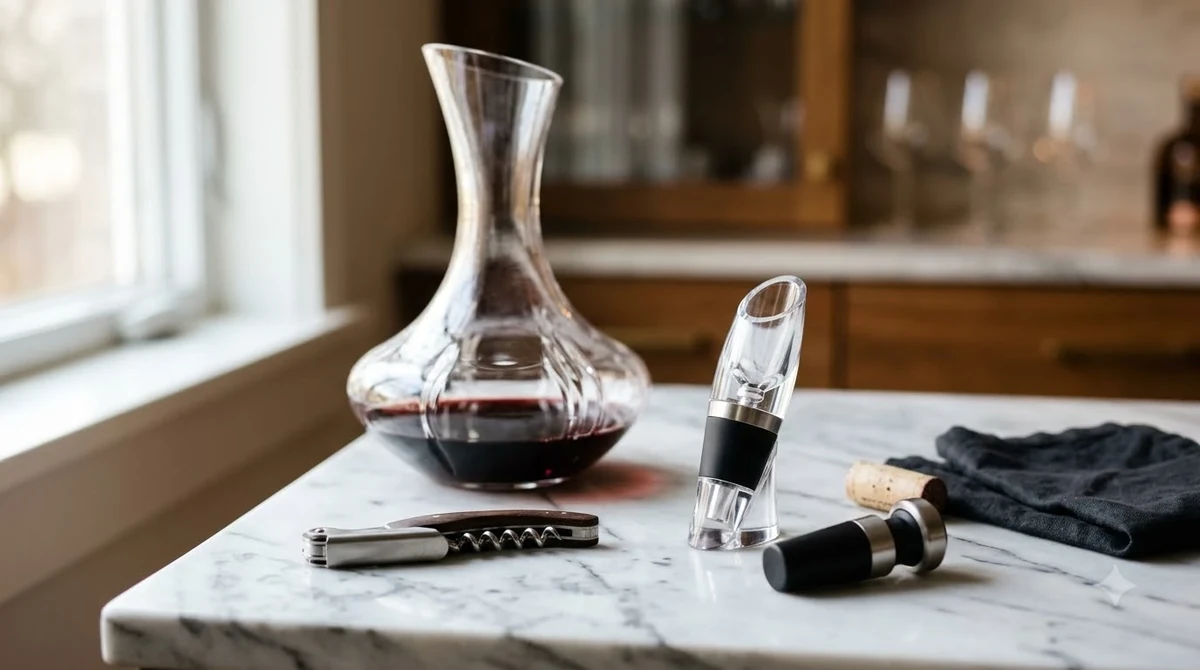
Storage matters for Burgundy, especially for reds. Keep bottles lying on their side in a cool, dark place with steady temperature. The house’s cellars are built for that purpose, and the company notes that its historic cellars have no light, vibrations or big swings in heat and moisture. At home, a closet away from the stove or a wine fridge will do. Avoid storing bottles near a heater or in a garage that gets hot in summer.
Best Food Pairings for Louis Latour Wines
Food pairing depends on the style of the bottle. Lighter white Burgundy, such as a Chardonnay from Chablis or a regional white, suits roast chicken, creamy pasta, and fish with butter or herbs. Its acidity cuts through rich sauces and keeps the palate fresh.
Red Burgundy made from Pinot Noir is more delicate than many reds, so it works well with roast poultry, mushrooms, duck, and salmon. Village and Grand Cru reds from the Côte de Nuits can handle richer dishes, such as beef or lamb, while lighter regional reds suit simpler meals. Aged bottles often pair best with dishes that have depth but not heavy spice.
Serve red Burgundy slightly cool rather than warm, and give whites a short time out of the fridge before pouring. Serve at a relaxed pace, and remember that moderation matters with any wine. If you are hosting, plan for a few glasses rather than a full bottle per person.
Frequently Asked Questions
Is Louis Latour wine still family owned?
According to the house, Maison Louis Latour remains independent and managed by the founding family. The company says it has been family owned since its founding in 1797. Its website also notes that the house is part of the Henokiens Club for long-established family companies.
Where are Louis Latour wines made?
The main base is in Beaune, in the heart of the Côte de Beaune. The house also makes wines from its vineyards on the Corton hillside and from estates in other regions, including Chablis and Beaujolais. The label usually indicates the origin of the wine.
What should I look for when choosing a Louis Latour bottle?
Start with the village or vineyard name, since it signals the origin and often the style. Then check the vintage and whether the bottle is a domaine or négociant wine. Comparing two bottles from the same category is a good way to learn your preferences.
How should I store Louis Latour wine at home?
Keep bottles in a cool, dark place with a steady temperature, away from heat and vibration. Lay bottles on their side if they have corks you plan to keep for a long time. A wine fridge is useful if your home runs warm.
Louis Latour is a useful starting point for understanding Burgundy, since its range covers many villages and styles. Start with a regional or village bottle, then move up to a specific vineyard once you know what you like. For more context on related brands, explore the Chateau Latour wine guide, which covers a very different Bordeaux estate.
More in Wine Brands
 Underwood Wine Price: Compare Bottles, Cans, and Pack SizesUpdated Nov 21, 2026
 Zenato Wine Price: Compare Styles and Choose the Right BottleUpdated Nov 21, 2026
 Zuccardi Wine Price: Compare Bottles and Find the Right RangeUpdated Nov 21, 2026
 Yellow Tail Moscato Review: Taste, Sweetness and Serving TipsUpdated Nov 21, 2026
 Wolf Blass Yellow Label Review: Choose Your Best StyleUpdated Nov 21, 2026
 Wolffer Estate Rose Review: Choose the Right Bottle for Your TableUpdated Nov 21, 2026