

We may earn a commission when you buy through links on this page, at no extra cost to you. Learn more.
Lombardy wine tasting introduces you to some of northern Italy’s most distinctive wines, from traditional-method Franciacorta sparkling wine to elegant Valtellina Nebbiolo and refreshing Lugana whites. The region offers an unusually broad selection of wine styles, including sparkling, still red, white, rosé, and sweet wines. Its different landscapes, from the Alpine vineyards of Sondrio to the shores of Lake Garda, give each wine area a recognizable character. For the most rewarding tasting, compare wines from Franciacorta, Valtellina, Lugana, and Oltrepò Pavese.
Lombardy is often associated with Milan, fashion, and its famous lakes, but its wine culture deserves equal attention. Five DOCG designations and 21 DOC designations represent a wide range of local winemaking traditions. Whether you prefer Champagne-style sparkling wines, aromatic whites, lighter expressions of Nebbiolo, or fruit-forward reds, Lombardy offers plenty to explore. Understanding its principal wine areas makes it easier to choose bottles, organize winery visits, and recognize the differences between regional styles.
Understanding Lombardy’s Wine Geography and Regional Styles
Lombardy’s wine identity comes from its varied geography, which creates several distinct growing environments within one region. The Alpine north, the lakeside vineyards, and the southern hills each contribute different grape varieties and wine styles.
Lombardy occupies a large part of northern Italy, extending from the Alps toward the Po Valley. Its neighboring regions include Piedmont, Veneto, and Emilia-Romagna. Northern vineyards experience cooler mountain conditions, while the southern growing areas generally have warmer continental influences. The region also contains diverse soils, including glacial deposits, dolomite, clay, and limestone.
For wine tasting, it helps to divide Lombardy into four principal areas. Franciacorta, near Lake Iseo, is best known for traditional-method sparkling wine. Valtellina, in the province of Sondrio, specializes in Nebbiolo grown in an Alpine environment. Lugana occupies the southern Lake Garda area and produces predominantly white wine. Oltrepò Pavese, in the province of Pavia, is particularly important for Pinot Nero, sparkling wine, and local red varieties.
Other wine areas add further variety. Valcalepio and Scanzo are associated with the Bergamo province, while Valtenesi and Garda produce wines influenced by the lakeside climate. Lambrusco Mantovano represents another regional tradition, particularly for drinkers interested in fruity red wines.
The region’s official designations help identify these differences. Lombardy has five DOCG and 21 DOC designations, covering everything from traditional-method sparkling wine to sweet red wine. These classifications are useful starting points when choosing a tasting flight, although the grape variety, producer, and individual vineyard conditions remain important.
Visitors interested in comparing Lombardy with other wine-producing destinations can also explore the wider selection of Wine Regions before planning a northern Italian wine itinerary.
Franciacorta and Oltrepò Pavese: Lombardy’s Traditional-Method Sparkling Wines
Franciacorta is the essential starting point for anyone exploring Lombardy’s sparkling wines. Oltrepò Pavese Metodo Classico offers another important expression, with Pinot Nero playing a particularly significant role.
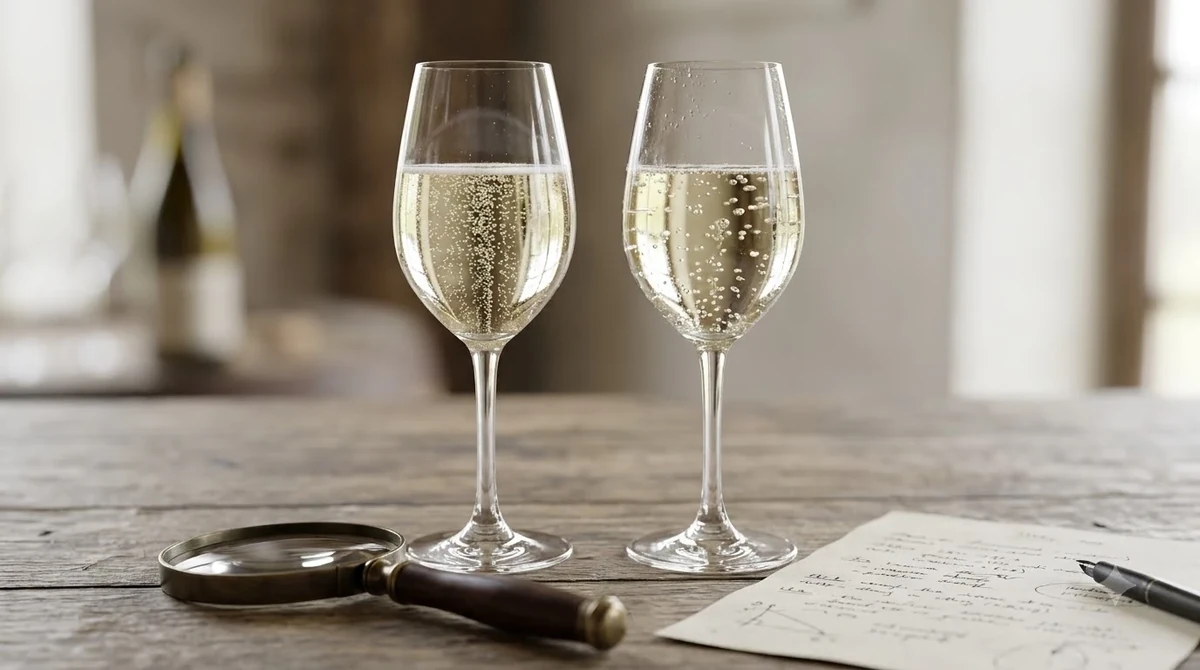
Franciacorta DOCG is produced around Lake Iseo in the province of Brescia. It uses the traditional method, meaning the second fermentation takes place inside the bottle. Chardonnay and Pinot Nero are central grape varieties, while Pinot Bianco is also permitted, with a maximum proportion of 50% under the designation’s composition requirements. This production approach creates wines with fine bubbles, refreshing acidity, and the potential for flavors associated with extended contact with yeast.
In a tasting, begin with a non-vintage Franciacorta Brut. Look for citrus, green apple, pear, and delicate floral aromas. As the wine develops in the glass, some examples reveal toast, almond, pastry, or biscuit notes. The balance between acidity and mousse makes this style particularly suitable as an aperitif or alongside food. The official Lombardy tourism guide to Franciacorta wine also describes its five principal styles: Franciacorta, Satèn, Rosé, Millesimato, and Riserva.
Different Franciacorta styles offer useful comparisons:
- Brut: A dry, versatile style with fresh fruit and balanced acidity.
- Satèn: A distinctive, softer-textured sparkling expression with a creamy impression.
- Rosé: A pink sparkling wine that highlights the character of Pinot Nero.
- Millesimato: A vintage-dated wine made from grapes harvested in a particular year.
- Riserva: An extended-aged expression that can show greater complexity and developed yeast-derived aromas.
Oltrepò Pavese Metodo Classico DOCG is another excellent sparkling wine to include. It comes from the Pavia province, south of the Po River, and requires at least 70% Pinot Nero. Chardonnay, Pinot Grigio, and Pinot Bianco can complete the composition. Pinot Nero gives the wine structure and red-fruit character, making it an interesting comparison with Chardonnay-led Franciacorta.
Try these two sparkling wines side by side rather than treating them as interchangeable. Compare the intensity of the fruit, the texture of the bubbles, the freshness, and the finish. A Franciacorta Brut followed by an Oltrepò Pavese Metodo Classico Brut provides a useful introduction to Lombardy’s sparkling wine identity.
For food, pair both wines with fried seafood, grilled prawns, savory pastries, or delicate cheeses. Franciacorta also works particularly well with risotto alla Milanese. The wine’s acidity cuts through the richness of butter and cheese, while its bubbles refresh the palate between bites.
Valtellina: Discovering Alpine Nebbiolo and Its Subzones
Valtellina offers one of Lombardy’s most distinctive red wine experiences. Its Nebbiolo-based wines combine freshness, aromatic complexity, and fine tannins in a style that differs from the more powerful expressions associated with warmer growing regions.
Located in the province of Sondrio in northern Lombardy, Valtellina is an Alpine valley where Nebbiolo is locally called Chiavennasca. The region’s vineyards are associated with steep slopes, mountain conditions, and a landscape very different from the southern Po Valley. The cooler environment contributes to wines that can be aromatic and relatively light in color while maintaining notable acidity and structure.
Valtellina Superiore DOCG is an important designation for understanding the area. Its wines must contain at least 90% Nebbiolo. Rather than relying on heavy extraction or pronounced oak flavors, many examples emphasize red cherry, raspberry, dried herbs, floral notes, and earthy complexity.
Several named subzones help distinguish different expressions within Valtellina Superiore:
- Grumello: An important subzone associated with aromatic red fruit and structured wines.
- Sassella: Known for distinctive hillside vineyards and elegant, refined Nebbiolo expressions.
- Inferno: A subzone whose name reflects the warmth of its steep vineyard terrain.
- Valgella: Another significant growing area that contributes a range of Nebbiolo styles.
- Maroggia: A smaller named subzone within the Valtellina Superiore designation.
When tasting Valtellina Superiore, pay attention to the relationship between its pale color and its tannic structure. Nebbiolo can produce substantial tannins even when the wine does not look deeply colored. Expect red fruit, rose, violet, dried herbs, and earthy notes, with the exact balance depending on the producer and vineyard.
Sforzato di Valtellina DOCG, also called Sfursat di Valtellina, provides a more concentrated comparison. It is made using partially dried grapes, a technique that reduces water content and concentrates sugars and flavor compounds. The designation requires at least 90% Nebbiolo. The resulting wine is generally fuller and more powerful, with dried fruit, spice, and greater alcoholic warmth than a typical Valtellina Superiore.
For a structured tasting, serve Rosso di Valtellina first, followed by Valtellina Superiore and then Sforzato. This progression moves from a more approachable expression to a more concentrated style. It also makes it easier to understand how grape selection, vineyard conditions, and the drying process affect the finished wine.
Traditional food pairings include pizzoccheri, a buckwheat pasta dish associated with the Alpine food culture of the area, as well as bresaola, roasted meats, and aged mountain cheeses. Salt and fat can soften Nebbiolo’s tannins, making rich local dishes particularly useful partners. Avoid pairing these tannic reds with oily fish, where the combination can create an unpleasant metallic impression.
Lugana, Garda, and Valtenesi: Exploring Lombardy’s Lake Wines
The southern shores of Lake Garda offer a different side of Lombardy wine culture. Lugana is the region’s leading white wine identity, while Garda and Valtenesi provide additional white, red, and rosé styles.
Lugana DOC is based on Trebbiano di Soave, also commonly called Turbiana in the local wine context. The designation requires at least 90% of this grape variety. The proximity of Lake Garda influences the local growing environment, helping create conditions suitable for fresh, aromatic white wines.
A young Lugana is a useful first wine for anyone beginning a Lombardy tasting. Look for lemon, green apple, pear, white flowers, and subtle herbal notes. The palate is generally refreshing, with acidity that makes the wine particularly versatile with food. Some examples develop almond, mineral, or more complex savory characteristics as they mature.
Different Lugana categories offer a useful tasting comparison:
- Lugana: The standard expression, usually fresh, approachable, and fruit-driven.
- Lugana Superiore: A more structured category with additional aging requirements.
- Lugana Riserva: An age-worthy style that can develop more complex aromas and flavors.
- Lugana Vendemmia Tardiva: A late-harvest expression with greater fruit concentration.
- Lugana Spumante: A sparkling version that provides a different interpretation of Turbiana.
Garda DOC is another designation worth exploring. It allows several grape varieties and wine styles, including white wines made with varieties such as Riesling, Chardonnay, Garganega, and Pinot Bianco. Red wines can include Merlot, Cabernet Sauvignon, Corvina, and Pinot Nero. This diversity makes Garda particularly useful for a tasting that compares several grape varieties from one broad geographical area.
Valtenesi, on the western side of Lake Garda, is especially interesting for rosé. Groppello is an important local grape, and the area’s rosé wines are often known as Chiaretto. These wines generally emphasize fresh red berries, floral notes, and lively acidity rather than heavy body or pronounced oak.
For a lake-focused tasting, serve Lugana first, then compare a Garda red and a Valtenesi Chiaretto. The contrast between white wine freshness, red wine structure, and rosé fruit character provides a broad introduction to the local styles. This selection is particularly useful during warmer months, when lighter wines and fresh food are especially appealing.
Good food matches include freshwater fish, grilled white fish, lake-perch risotto, vegetable antipasti, and fresh cheeses. Lugana’s acidity makes it suitable for seafood with lemon or herbs. Chiaretto works well with tomato-based appetizers and lighter grilled dishes.
Oltrepò Pavese and Southern Lombardy’s Red Wine Traditions
Oltrepò Pavese is one of Lombardy’s most varied wine areas, combining Pinot Nero, traditional-method sparkling wines, and characterful local red grapes. It is an especially rewarding destination for tasters who want to explore more than the region’s famous sparkling wines.
Located south of the Po River in the province of Pavia, Oltrepò Pavese has a strong connection with Pinot Nero. The grape is used for traditional-method sparkling wines as well as still red wines. This makes the area particularly useful for understanding how the same variety can produce very different results depending on the winemaking approach.
Start with a still Pinot Nero from Oltrepò Pavese. Look for red cherry, raspberry, violet, and earthy notes. Compared with many heavier Italian reds, Pinot Nero can have a lighter body and more delicate tannins. Its acidity makes it a versatile partner for poultry, mushroom dishes, and roasted pork.
Bonarda dell’Oltrepò Pavese DOC is another important wine to discover. It requires at least 85% Croatina, with Vespolina and/or Uva Rara permitted as additional varieties. The wine can offer vibrant dark fruit, plum, blackberry, and a noticeable savory character. Some examples are still, while others are lightly sparkling, making it important to consider the individual style before serving.
Buttafuoco dell’Oltrepò Pavese DOC offers a more structured red wine experience. Its composition includes Barbera and Croatina, each permitted between 25% and 65%, with Uva Rara and/or Vespolina also permitted within the designation’s rules. This combination can produce a more concentrated wine with ripe fruit, spice, and firm structure.
Another regional specialty is Sangue di Giuda dell’Oltrepò Pavese DOC. This is a sweet red wine made using a permitted blend that includes varieties such as Barbera, Croatina, and Uva Rara. Its fruit-forward profile makes it an interesting choice for the dessert portion of a tasting flight.
Beyond Oltrepò Pavese, southern and central Lombardy offer additional wines worth recognizing. Lambrusco Mantovano DOC represents the province of Mantua, with several permitted Lambrusco varieties. These wines offer a different regional sparkling tradition from Franciacorta, often with a more direct emphasis on fresh grape fruit and approachable drinking.
For food pairings, Bonarda works well with salami, sausages, tomato-based pasta, and grilled meats. Buttafuoco can accompany braised beef and aged cheeses. Pinot Nero is more suited to roasted poultry and mushroom risotto, while Sangue di Giuda should be served with desserts that are at least as sweet as the wine itself.
Those who enjoy comparing regional red wines from different countries may also find Willcox wine tasting interesting, particularly for its different approach to warm-climate red wine styles.
Planning a Lombardy Wine Tasting and Winery Visit
A successful Lombardy wine trip begins with choosing a manageable geographical area rather than attempting to visit every appellation. Franciacorta, Valtellina, Lugana, and Oltrepò Pavese each offer enough variety for a dedicated tasting itinerary.
Franciacorta is a practical starting point for visitors interested in sparkling wine. The vineyards are concentrated around Lake Iseo, particularly in the province of Brescia. Towns and communities in the area include Erbusco, Adro, and Cazzago San Martino. A visit can combine vineyard scenery, cellar tours, sparkling wine tastings, and local food.
For a first visit, arrange two winery appointments in the same area rather than scheduling too many stops. Begin with an introduction to the traditional method, then visit a producer offering several Franciacorta categories. This allows enough time to compare Brut, Satèn, Rosé, and vintage expressions without rushing through each tasting.
Valtellina requires a different approach. The province of Sondrio offers a useful base for exploring the valley and its Nebbiolo vineyards. Plan a longer visit if you want to compare subzones such as Sassella, Grumello, and Inferno. The mountainous landscape and distance between some wineries make advance planning particularly important.
Lugana is a convenient choice for visitors already exploring Lake Garda. The area can be incorporated into a trip involving Sirmione and the southern lakeshore. Plan a tasting that includes a young Lugana, a more mature expression, and a rosé or red wine from another nearby designation.
Oltrepò Pavese is especially rewarding for visitors interested in Pinot Nero and traditional-method sparkling wine. It can be approached through the province of Pavia, with time allocated for winery visits and local food experiences.
The Lombardy regional tourism authority identifies September and October as important harvest months. During this period, vineyards and cellars become particularly active, and some wineries organize harvest-related experiences, local food events, and educational activities. Its guide to harvest time in Lombardy describes vineyard visits, grape harvesting, cellar activities, and seasonal food-and-wine events.
However, harvest season can also be a busy time for producers. Contact wineries in advance to confirm their visitor policies, available tasting formats, languages, and appointment times. Some estates accept individual visitors, while others may require advance group reservations.
Tip: Plan no more than two or three substantial winery tastings in one day. Reserve appointments in advance, arrange transportation before sampling wines, and leave enough time between visits to appreciate each producer’s style.
A useful alternative to a multi-day trip is a regional tasting at a specialist wine bar or Italian restaurant. Ask for a flight featuring Franciacorta, Lugana, Valtellina Superiore, and Oltrepò Pavese Pinot Nero. This provides a representative introduction to Lombardy without requiring travel between distant vineyard areas.
For comparison, visitors interested in French regional wine traditions can also explore Alsace wine tasting. Both regions offer varied wine styles, although their principal grapes and production traditions differ considerably.
Serving Temperatures, Tasting Techniques, and Food Pairings
Serving temperature has a major influence on how Lombardy wines express their aromas, acidity, and structure. A simple tasting sequence, appropriate glassware, and carefully selected food pairings help reveal the differences between sparkling wines, whites, rosés, and reds.
Use the following temperatures as practical starting points for a regional tasting:
| Wine style | Serving temperature | Suggested Lombardy example |
|---|---|---|
| Traditional-method sparkling | 40–50°F | Franciacorta Brut |
| Light white wine | 45–50°F | Young Lugana |
| Fuller white wine | 50–55°F | Mature Lugana |
| Rosé wine | 45–50°F | Valtenesi Chiaretto |
| Light red wine | 55–60°F | Oltrepò Pavese Pinot Nero |
| Full-bodied red wine | 60–65°F | Sforzato di Valtellina |
| Sweet red wine | 43–50°F | Sangue di Giuda |
These temperatures are useful guidelines rather than rigid requirements. Very cold sparkling wine can seem less aromatic, while an overly warm red can emphasize alcohol and make its structure seem heavier. If a wine is too cold, allow it to warm gradually in the glass.
For a tasting flight, start with the lightest and driest wines before moving toward fuller and sweeter styles. A suitable sequence is Franciacorta Brut, Lugana, Valtenesi Chiaretto, Oltrepò Pavese Pinot Nero, Valtellina Superiore, Sforzato, and finally Moscato di Scanzo or Sangue di Giuda.
Pour approximately 5 ounces for a standard serving, although smaller tasting pours are more practical when sampling several wines. A standard 750-milliliter bottle contains approximately five 5-ounce glasses. For a tasting involving seven different wines, smaller pours make it easier to compare styles without overwhelming the palate.
When evaluating each wine, consider four basic characteristics:
- Appearance: Observe color, clarity, and the bubbles in sparkling wine.
- Aroma: Look for fruit, flowers, herbs, spice, and developed notes such as toast or dried fruit.
- Palate: Consider acidity, sweetness, tannin, body, and alcohol.
- Finish: Notice how long the flavors remain after swallowing or spitting.
Food pairing should reflect the structure of each wine. Franciacorta and Oltrepò Pavese sparkling wines are excellent with fried appetizers, seafood, and rich risotto. Lugana suits freshwater fish, grilled vegetables, and delicate cheeses. Valtenesi Chiaretto pairs well with salads, tomato dishes, and light appetizers.
For reds, consider the tannin level before choosing food. Valtellina Superiore is generally more delicate than many powerful Nebbiolo wines, but its tannins still benefit from dishes containing protein and fat. Bresaola, roasted poultry, and aged cheese are useful choices. Buttafuoco and Sforzato can accompany richer meat dishes, braised beef, and hearty winter preparations.
Sweet wine requires a different approach. Moscato di Scanzo and Sangue di Giuda should be served with desserts that are at least as sweet as the wine. Dark chocolate, fruit pastries, and dried-fruit desserts can be good options depending on the wine’s sweetness and acidity.
Storage also matters if you purchase bottles during a visit. Keep unopened wine in a cool, dark location near 55°F, with cork-finished bottles stored on their sides. Once opened, refrigerate still wines and generally aim to finish them within three to five days. Sparkling wines are best consumed within one to three days when properly resealed and refrigerated.
For another Italian regional comparison, Bolgheri wine tasting offers an interesting contrast through its Tuscan red blends and more structured Cabernet Sauvignon-based wines.
Frequently Asked Questions
Is Lombardy a good region for wine beginners?
Yes. Lombardy offers recognizable styles such as dry sparkling wine, refreshing white wine, and aromatic red wine. Beginners can start with Franciacorta Brut and Lugana before exploring Nebbiolo from Valtellina. The differences between these wines make the region particularly useful for learning about grape varieties and production methods.
What is the difference between Chiavennasca and Nebbiolo?
Chiavennasca is the local name for Nebbiolo grown in Valtellina. It is not a separate grape variety. The name reflects the region’s longstanding viticultural vocabulary and its distinctive Alpine wine tradition.
Is Moscato di Scanzo a white or red wine?
Moscato di Scanzo DOCG is a red wine made from 100% Moscato di Scanzo. It is a distinctive sweet wine associated with the hills around Scanzorosciate in the Bergamo area. Its production and grape identity distinguish it from the better-known white Moscato wines produced elsewhere in Italy.
Can you find organic wines during a Lombardy wine tasting?
Yes. Organic wine production can be found among producers in several Lombardy wine areas, including Franciacorta, Oltrepò Pavese, and Valtellina. Certification and farming practices vary between estates. Visitors interested in organic production can ask wineries about vineyard management, certification, and cellar practices when arranging appointments.
Which Lombardy wine is most suitable for a sparkling wine enthusiast?
Franciacorta DOCG is the most recognizable starting point, particularly for someone who enjoys traditional-method sparkling wines. Oltrepò Pavese Metodo Classico is another excellent choice, especially for Pinot Nero enthusiasts. A comparison between a Chardonnay-led Franciacorta and a Pinot Nero-focused Oltrepò sparkling wine can reveal interesting differences in aroma, texture, and structure.
Lombardy rewards wine drinkers who look beyond its best-known labels and explore the character of its individual growing areas. From Franciacorta’s traditional-method bubbles to Valtellina’s Alpine Nebbiolo, Lugana’s refreshing whites, and Oltrepò Pavese’s expressive reds, the region offers a memorable range of tasting experiences. Start with four representative appellations, compare their grapes and production methods, and use local food pairings to discover why Lombardy deserves a place among Italy’s most interesting wine destinations.
More in Wine Regions
 Willcox Wine Trail: Discover Arizona’s High-Elevation Wine CountryUpdated Nov 20, 2026
 Yakima Valley Wine Region: Find the Best Styles to TryUpdated Nov 20, 2026
 Vosne Romanee Wine Tasting: Identify Aromas and Choose Better PairingsUpdated Nov 20, 2026
 Yakima Valley Wine Festival: Find the Best Seasonal Wine EventsUpdated Nov 20, 2026
 Wales Vineyards: Discover Cool-Climate Wines and Where to VisitUpdated Nov 20, 2026
 Yountville Wine Festival: Discover Napa Wines and Local FoodUpdated Nov 20, 2026