

We may earn a commission when you buy through links on this page, at no extra cost to you. Learn more.
The Lombardy wine region is a large northern Italian wine area that produces roughly 1.3 million hectolitres a year, split about 55 percent red and 45 percent white. Its vineyards are spread across several distinct zones, from sparkling wine country on Lake Iseo to Alpine Nebbiolo slopes in the Valtellina and the rolling hills of the Oltrepò Pavese. Each zone has its own grapes and rules, so the region is best understood as a group of smaller areas rather than one style.
This guide explains where the Lombardy wine region sits, which main zones are worth knowing, how the grapes differ from one area to the next, and how the region fits into the wider Italian wine map. The figures come from a reference overview of Lombardy wine, so they describe the region as a whole rather than the style of any single estate.
Where the Lombardy wine region sits
Lombardy is the large northern Italian region centred on Milan, and its wine country spreads across the foothills of the Alps, the shores of several lakes, and the plains of the Po valley. Because the land runs from mountains to lowlands, the climate and soils change a lot within a short distance, and that variety is the main reason the region produces such a wide range of wines.
The wine industry is not new. The reference overview dates the wine industry to 1967. Since then, the region’s main zones have built up their own rules on grapes, ageing, and alcohol, which is why the labels can tell you a lot about what is in the bottle.
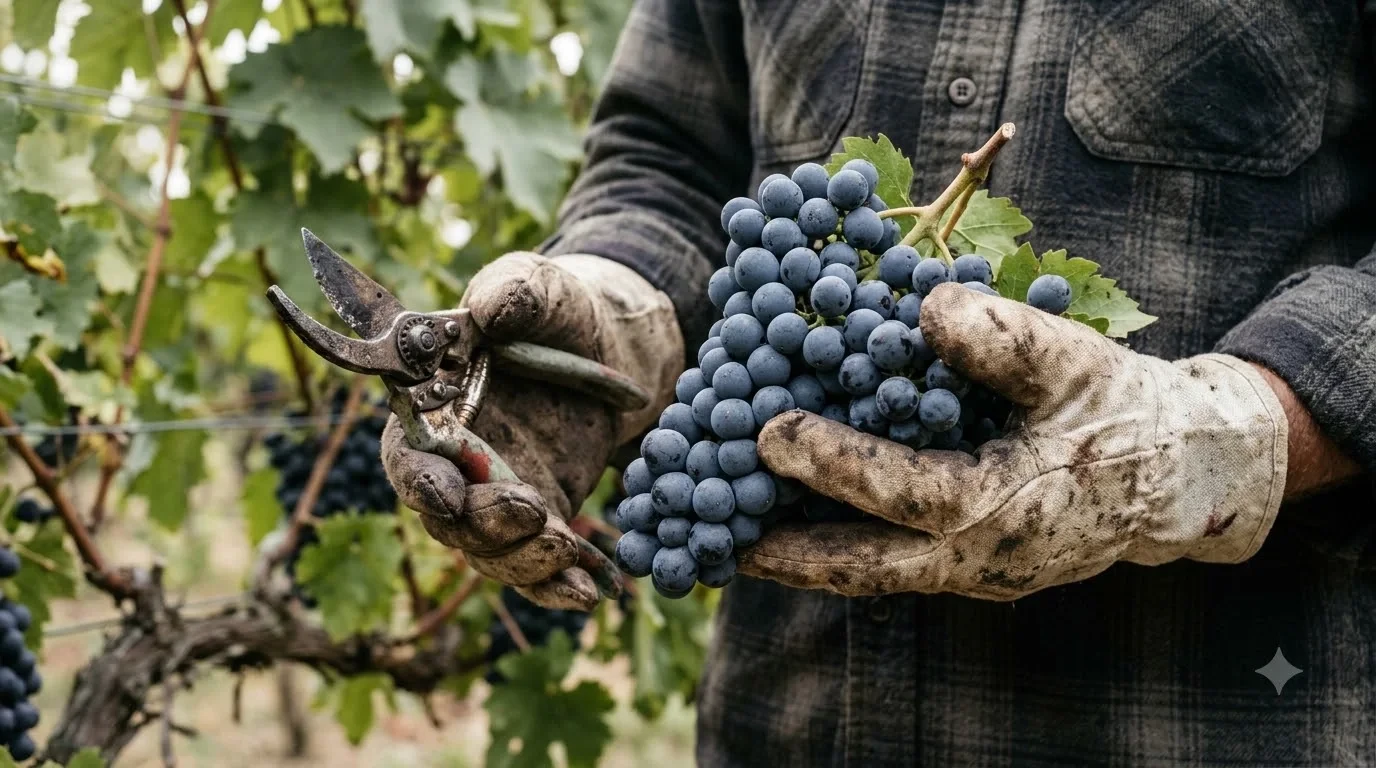
For a first visit or a first purchase, it helps to think of Lombardy in four parts: the sparkling hills around Lake Iseo, the Alpine valley of the Valtellina, the wide hills of the Oltrepò Pavese, and the lakeside vineyards around Lake Garda.
Franciacorta: sparkling wine on Lake Iseo
Franciacorta is the region’s most famous zone and its best-known sparkling wine. The vineyards sit along Lake Iseo, and the DOCG rules call for wines made mainly from Chardonnay and Pinot bianco, with at most 15 percent Pinot nero. Producers also make still Bordeaux-style reds and oaked Burgundian-style Chardonnays, so the zone is not only about bubbles.
The rules for sparkling wine are strict. Non-vintage bottles must age at least 18 months, and vintage-dated wines at least 30 months. The brut style can contain up to 20 grams of sugar per litre, which is more than the 15 grams allowed in Champagne brut. That difference gives Franciacorta a slightly rounder, softer character for many drinkers.
Valtellina: Nebbiolo in the Alps
The Valtellina is an Alpine valley along the Adda river, and it is the main Nebbiolo zone in Lombardy. Locally, the grape is called Chiavennasca. The reference overview notes that the Valtellina is the only major Italian region outside Piedmont to focus on Nebbiolo, which makes it an interesting place for those who know the grape from Barolo or Barbaresco.
The wines are usually described as lighter and less tannic than their Piedmont counterparts, with bright red fruit and a fresh, mountain-inflected finish. Valtellina Superiore must age at least two years, and its Riserva must age at least four. Sforzato, an Amarone-style wine made from partly dried grapes, must reach at least 14.5 percent alcohol.
| Zone | Main grapes | Typical style |
|---|---|---|
| Franciacorta | Chardonnay, Pinot bianco, Pinot nero | Sparkling wine by traditional method, plus some still reds and oaked whites |
| Valtellina | Nebbiolo (Chiavennasca) | Lighter, fresher Nebbiolo; Sforzato as a richer dried-grape style |
| Oltrepò Pavese | Pinot nero, Barbera, Croatina, Riesling Italico | Sparkling Metodo Classico, reds, and frizzante styles |
| Lake Garda | Barbera, Groppello, Trebbiano | Chiaretto rosé and Lugana white |
Oltrepò Pavese: the hills south of the Po
The Oltrepò Pavese produces more than half of Lombardy’s wine, according to the reference overview, and about two-thirds of its DOC wines. It sits on rolling hills south of the Po river, and its wine mix is more varied than most other zones. Its DOCG sparkling wine, known as Metodo Classico, is made mostly from Pinot nero.
Other reds use Barbera, Croatina, Uva Rara, and Vespolina, and whites include Chardonnay, Moscato, and Riesling Italico. The zone is also known for frizzante styles such as Buttafuoco and Sangue di Giuda, both made from Croatina. These lightly sparkling reds are an easy way to taste the local character.
Lake Garda and the lakeside vineyards
The Lombardy side of Lake Garda has its own wine identity. The Chiaretto rosé blends Barbera, Groppello, Marzemino, and Sangiovese, and Lugana whites are made from Trebbiano. The lake’s mild microclimate helps the vineyards along its shores, and the region’s wines from this area have a fresh, easy-drinking style that suits warm afternoons.
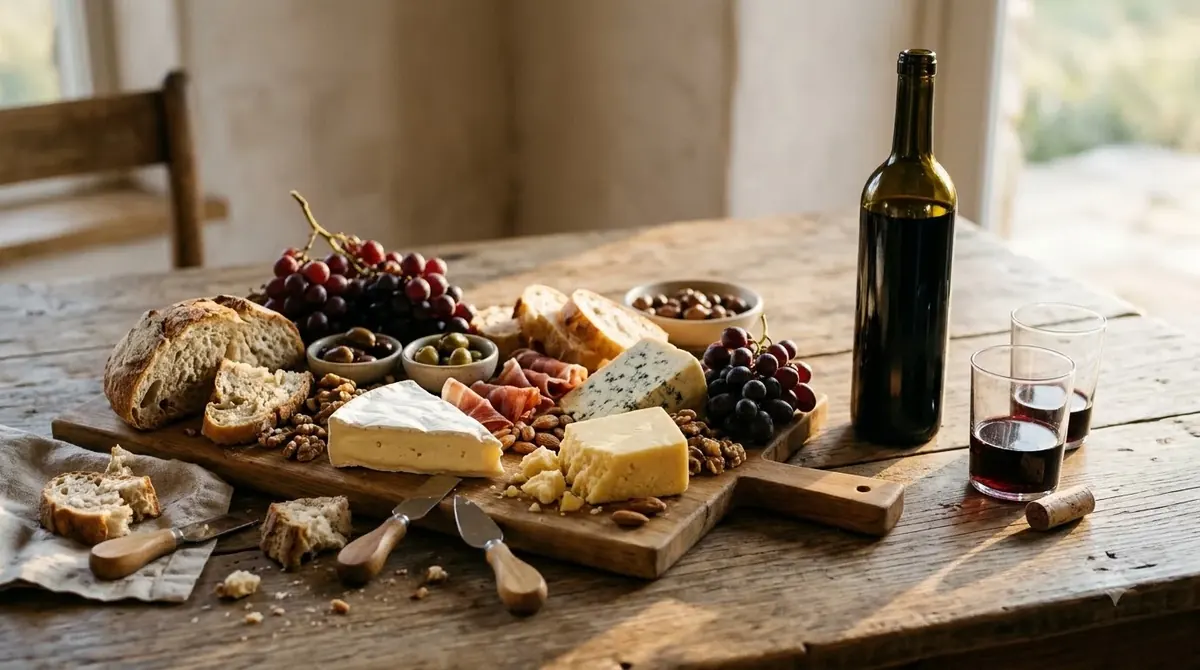
These lakeside wines are often a good starting point for visitors who want to try the region’s whites and rosés without committing to a heavy red. They pair well with fish from the lake, soft cheeses, and simple salads.
Production balance and the wider region
Lombardy produces about 1.3 million hectolitres of wine a year, with about 55 percent of it red and 45 percent white by grape variety. That balance is unusual among Italian regions, where one colour often dominates. It means the region can supply everyday drinkers and collectors with a wide choice across price and style.
The region also works with a broad mix of sweet and dry styles. Moscato is made as frizzante, fortified, and passito wine, so the same grape can produce a light, fizzy bottle or a rich dessert wine depending on the producer. Looking at the grape and the style together is the simplest way to find what you like.
Tip: When you pick a Lombardy wine, check the zone name first. Franciacorta, Valtellina, and Oltrepò Pavese each signal a different grape and style, and the label usually tells you what to expect.
Frequently Asked Questions
What is the Lombardy wine region known for?
It is known for Franciacorta sparkling wine, the Nebbiolo of the Valtellina, the sparkling and frizzante wines of the Oltrepò Pavese, and the rosé and white wines of the Lake Garda shore. The region makes both red and white wine in roughly equal shares.
Is Franciacorta the same as Champagne?
No. Franciacorta is an Italian sparkling wine made by the traditional method, but it is produced under its own DOCG rules. Its brut style can contain more sugar than Champagne brut, so it often tastes a little softer.
Does Lombardy make Nebbiolo?
Yes. The Valtellina is the main Nebbiolo zone in Lombardy, where the grape is called Chiavennasca. The wines are usually lighter and less tannic than Nebbiolo from Piedmont.
Where should I start if I am new to Lombardy wine?
Start with a Franciacorta sparkling wine or a Chiaretto rosé from Lake Garda. Both are approachable, and they show the region’s range well before you try a heavier Valtellina red.
The Lombardy wine region rewards anyone who likes exploring Italian wine by zone rather than by one famous name. Read the wine regions guide to see how Lombardy compares with other Italian areas, then try one bottle from each of two zones to taste how the landscape changes the wine.
For a reference overview of the region’s zones, production split, and key grapes, the entry on Lombardy wine on Wikipedia is a useful starting point. If you are interested in how another Italian region handles its own zones and appellations, the guide to emilia romagna wine region covers a neighbouring area with a very different wine mix.
More in Wine Regions
 Willcox Wine Trail: Discover Arizona’s High-Elevation Wine CountryUpdated Nov 20, 2026
 Yakima Valley Wine Region: Find the Best Styles to TryUpdated Nov 20, 2026
 Vosne Romanee Wine Tasting: Identify Aromas and Choose Better PairingsUpdated Nov 20, 2026
 Yakima Valley Wine Festival: Find the Best Seasonal Wine EventsUpdated Nov 20, 2026
 Wales Vineyards: Discover Cool-Climate Wines and Where to VisitUpdated Nov 20, 2026
 Yountville Wine Festival: Discover Napa Wines and Local FoodUpdated Nov 20, 2026