

We may earn a commission when you buy through links on this page, at no extra cost to you. Learn more.
Littorai wine is a small, family-owned California range focused on Pinot Noir and Chardonnay from cool coastal vineyards. The winery describes its wines as coming from the coastal mountains of Sonoma and Mendocino counties, and it works from a Sebastopol estate. Expect Pinot Noir that is light to medium-bodied and bright, with a more restrained style than many warm-climate California reds. Serve the reds slightly cool and pair them with salmon, duck or mushroom dishes.
Littorai is a name many Pinot Noir drinkers come across once they start looking past the supermarket shelf. The brand sits in a part of California where the ocean cools the vines for much of the growing season, and that climate shapes the wines in a very direct way. This guide covers the winery’s background and sites, the general style of Pinot Noir and Chardonnay from the coast, how to serve them, and which foods suit them best.
A family winery built on cool-climate sites
According to the winery’s own history page, Littorai was founded in 1993 by Heidi and Ted Lemon. The first wines were made from purchased grapes, including Pinot Noir from Anderson Valley and Chardonnay from the Sonoma Coast, and the couple later began buying and leasing vineyard land. The winery’s Gold Ridge Estate, where it is based, was completed in 2008. Ted Lemon trained in Burgundy and worked as a winemaker in Meursault, which helps explain the emphasis on site and restraint that runs through the range.
The homepage describes the brand as a small, family-owned winery making Chardonnay and Pinot Noir from what it calls the true north coast of California. The winery’s address is in Sebastopol, and the wines come from the coastal mountains of Sonoma and Mendocino counties. The name itself is a plural form of a Latin word for the coasts, which fits the focus on cool, maritime vineyards.
What Littorai Pinot Noir generally tastes like
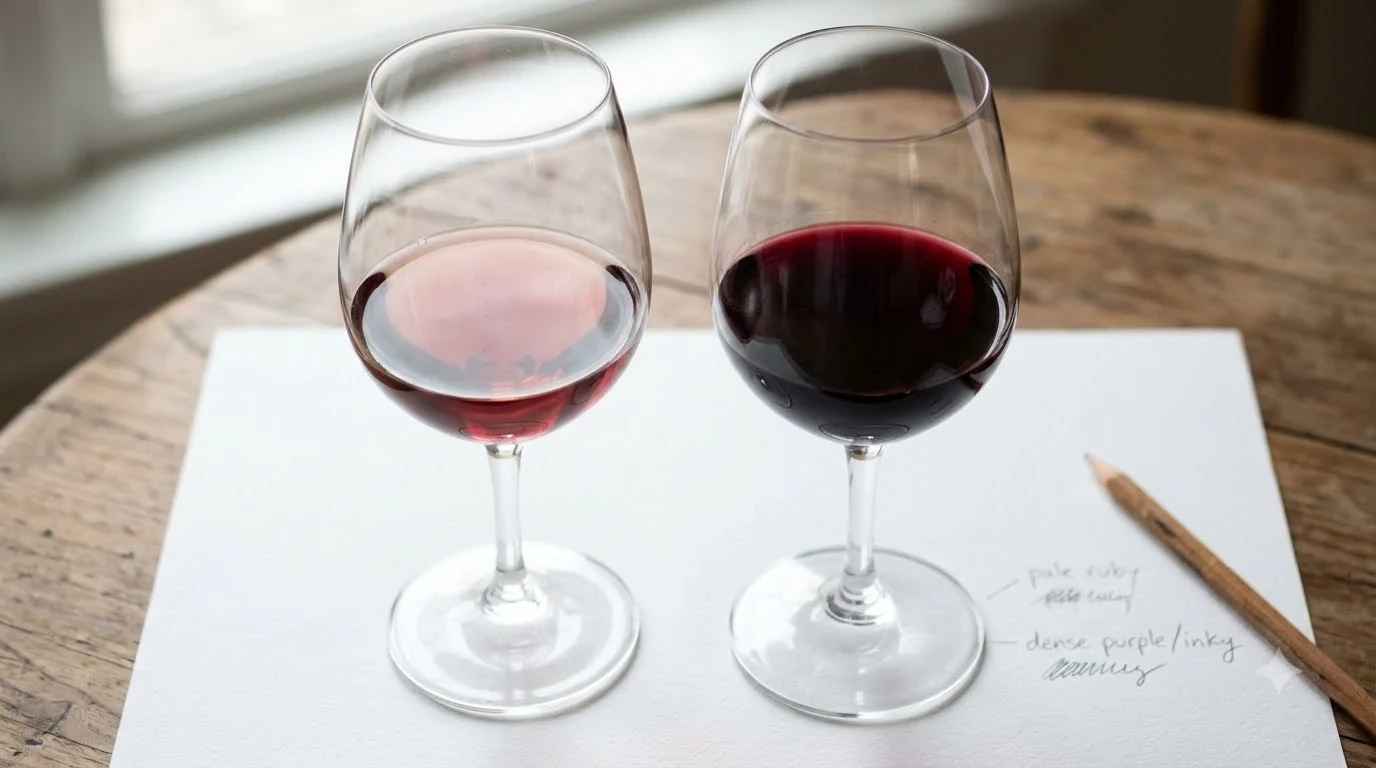
The winery does not publish detailed tasting notes on the pages we read, so it helps to start with the grape. Wine Folly’s Pinot Noir guide describes the grape with ripe cherry and raspberry flavors, earthy notes of forest floor and tea leaves, and sometimes a touch of clove. Oak aging adds vanilla and smoke, and older bottles may show mushroom and leather. The wine is light to medium-bodied, with low tannins from thin skins and medium-high acidity, and typical alcohol runs from 12% to 14% ABV.
Cool-climate coastal Pinot tends to show more acidity and a brighter, more tart fruit profile than the riper bottles of warmer regions. Wine Folly notes that Oregon examples are lighter in color and more tart than many Californian wines, with cranberry and Bing cherry flavors. That lighter, more lifted style is the best starting point for thinking about what a coastal Littorai bottle is trying to do: keep the fruit clean and let the site show through.
| Aspect | What to expect from coastal Pinot Noir |
|---|---|
| Body | Light to medium |
| Tannin | Low, from thin skins |
| Acidity | Medium-high |
| Core fruit | Cherry, raspberry, cranberry in cooler sites |
| Savory notes | Forest floor, tea leaves, mushroom with age |
| Alcohol | Typically 12% to 14% ABV |
Chardonnay from the same coast
Littorai’s range also includes Chardonnay, and the winery’s site names individual vineyards such as the Charles Heintz and Mays Canyon sites among the places its fruit comes from. Chardonnay grown in cool coastal conditions tends to keep more acidity than the broad, buttery style many people associate with the grape, so the wine can feel fresher and more precise. The exact winemaking choices for each bottle, including oak use and fermentation, are best checked on the back label or the winery’s technical notes, since those details vary by release.
Whether you are buying Pinot Noir or Chardonnay, the key idea is the same. The winery frames its work around the vineyard site rather than a fixed house style, so bottles from different vineyards can taste quite different from one another.
How to serve Littorai Pinot Noir
Pinot Noir shows its best when it is served a little cooler than room temperature. Wine Folly recommends about 55 to 60°F (12 to 15°C), in an aroma collector glass with a wide bowl and a narrower rim. That shape concentrates the delicate aromas and keeps the wine from tasting heavy. A young bottle often benefits from about 30 minutes of decanting, which lets the fruit and savory notes settle and open up.
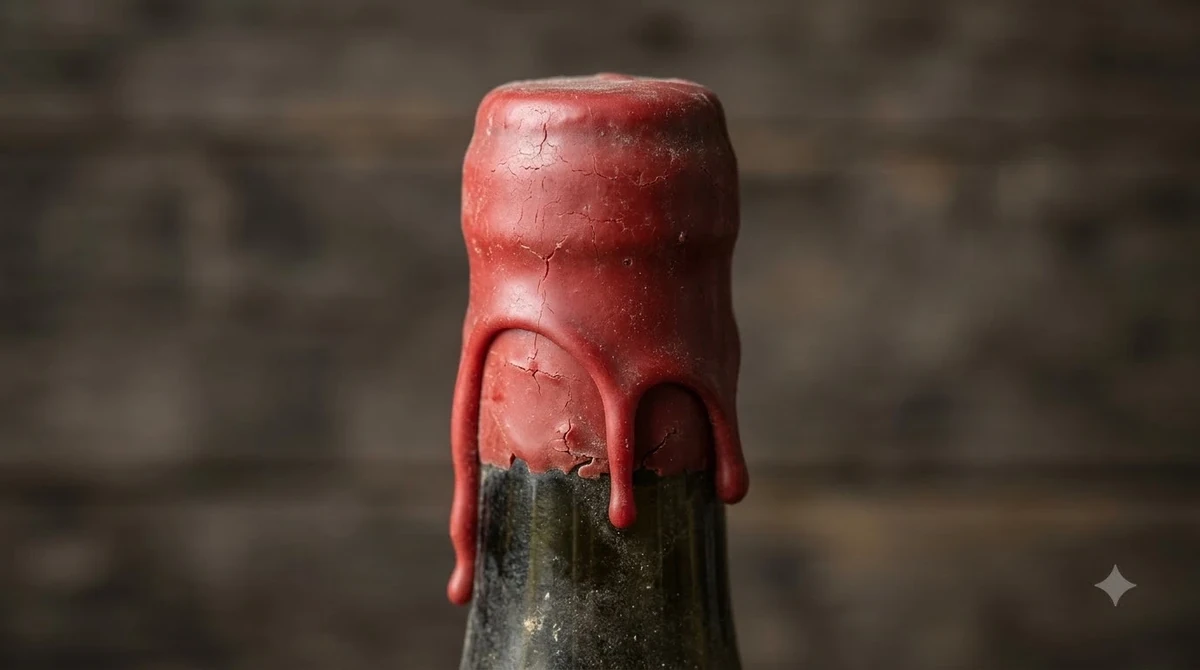
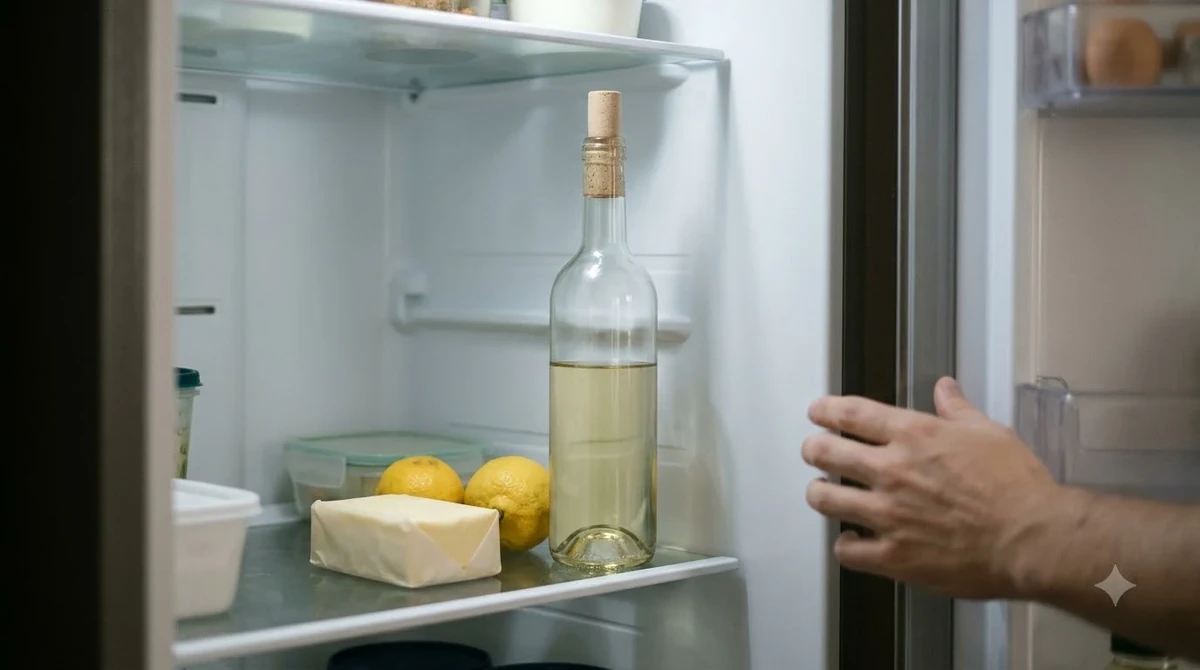
Many Pinot Noirs also evolve well in the cellar. Wine Folly says most bottles develop over five to ten years, and the best examples can age for up to twenty. If you buy a bottle to hold, store it on its side in a cool, dark place with steady temperature. For a bottle you plan to open soon, a short time in the fridge before pouring helps bring it into the right range.
Food pairings for coastal Pinot and Chardonnay
Pinot Noir is one of the most food-friendly reds, and its acidity cuts through rich dishes without overwhelming them. Wine Folly points to salmon and richer meats such as duck as classic matches. Spiced duck brings out the wine’s nuance, and mushroom-based or earthy dishes highlight its fruit. A roast chicken with herbs or a simple mushroom risotto are also dependable choices.
Chardonnay from a cool site pairs with dishes that have enough body to match its texture but not so much richness that they drown its acidity. Roast fish, shellfish, creamy pasta with lemon and herbs, and soft cheeses all work well. Because the wine tends to be fresh and precise, it can handle lighter sauces without becoming heavy.
Tip: When you pair a delicate Pinot Noir, avoid heavy barbecue sauces and very spicy chili. They will hide the fruit and make the wine taste thin.
Who should try these wines
Littorai suits drinkers who enjoy a bright, site-driven style of Pinot Noir or Chardonnay and who want wines that feel fresh rather than syrupy. They are a good fit for dinner parties with fish or poultry, for collectors interested in small, vineyard-focused producers, and for anyone who has found some California reds too big and jammy for everyday meals.
They may be less satisfying for people who want a bold, oak-heavy Chardonnay or a dense, high-alcohol red. Those drinkers may find the coastal style too restrained at first. If you want to compare a different American producer, the Spottswoode wine page covers a Napa estate with a more structured style, and the wine brands guide lists more names to explore.
Frequently Asked Questions
Where are Littorai wines made?
The winery is based at Gold Ridge Estate in Sebastopol, California, and says its wines come from the coastal mountains of Sonoma and Mendocino counties. Some of its named vineyards are on the Sonoma Coast and in Anderson Valley.
Is Littorai Pinot Noir heavy or light?
Coastal Pinot Noir is generally light to medium-bodied, with low tannins and medium-high acidity. It is usually more bright and savory than the riper, jammier style of many warm-climate California reds.
Should I decant Littorai Pinot Noir?
A young bottle often benefits from about 30 minutes in a decanter, which helps the fruit and savory notes open up. Older bottles should be poured gently, since they may carry some sediment.
What food goes best with Littorai Pinot Noir?
Salmon, duck, roast chicken with herbs and mushroom-based dishes are classic matches. The wine’s acidity and gentle tannins suit these foods without overwhelming them.
Littorai wine rewards attention to temperature, glassware and food. Its coastal style is more about freshness and place than power, and a bottle opened at the right temperature with a simple meal can be memorable. Start with Pinot Noir if you want the clearest sense of the winery’s approach, and try the Chardonnay if you enjoy crisp, precise whites.
More in Wine Brands
 Underwood Wine Price: Compare Bottles, Cans, and Pack SizesUpdated Nov 21, 2026
 Zenato Wine Price: Compare Styles and Choose the Right BottleUpdated Nov 21, 2026
 Zuccardi Wine Price: Compare Bottles and Find the Right RangeUpdated Nov 21, 2026
 Yellow Tail Moscato Review: Taste, Sweetness and Serving TipsUpdated Nov 21, 2026
 Wolf Blass Yellow Label Review: Choose Your Best StyleUpdated Nov 21, 2026
 Wolffer Estate Rose Review: Choose the Right Bottle for Your TableUpdated Nov 21, 2026