

We may earn a commission when you buy through links on this page, at no extra cost to you. Learn more.
Lisbon vineyards are the Atlantic-influenced vineyards of Portugal’s Lisboa wine region, stretching north of the capital and producing everything from crisp Arinto whites to distinctive Ramisco reds and rare fortified wines. The region includes nine protected designations of origin, with coastal sites shaped by sea breezes and inland vineyards sheltered by hills. For wine lovers, the names to know first are Bucelas, Colares, Carcavelos, Alenquer, and Óbidos.
Lisbon is an unusually rewarding base for exploring Portuguese wine because the vineyards begin close to the city and extend through a varied coastal landscape. The name on a bottle may be Lisboa, or it may identify one of several much smaller appellations, each with a different combination of grapes, soils, and wine traditions. Understanding that distinction makes it easier to choose a bottle, plan a winery visit, or recognize why two wines from the same broad region can taste so different.
Lisbon Vineyards and the Atlantic Climate
The defining influence across the Lisboa region is the Atlantic, but its effect changes with distance from the coast and the shelter of the hills. The Portuguese Institute of Vine and Wine reports a temperate climate with limited temperature swings and annual rainfall of about 600 to 700 millimeters; maritime air and the local relief help preserve acidity and moderate alcohol.

Vineyards close to the ocean experience stronger winds, cool air, and frequent humidity, while inland sites receive more warmth and shelter. Slopes and mountain barriers create local differences, with the Serra de Montejunto dividing exposed western sites from more protected ground to the east.
That variety explains why Lisboa can produce light, fresh wines as well as fuller reds and concentrated blends. A regional style called Vinho Leve is known for its low alcohol; the Institute of Vine and Wine gives a typical range of 9 to 10 percent. The name refers to a light-bodied, refreshing wine rather than a single grape variety, and the style is especially associated with the region’s Atlantic character.
The Portuguese Institute of Vine and Wine’s Lisboa profile outlines the region’s clay-limestone and sandy-clay formations, including the distinctive soils of Bucelas and Colares. Those differences help explain why the whites often show marked acidity while the reds range from open and fruity to structured.
Nine Appellations in Three Geographic Groups
Lisboa is one broad wine region with nine designations of origin, commonly arranged in three geographic groups. Three lie south near the capital, five occupy the central belt, and one sits at the northern end, making the designation on a bottle a useful first clue to its origin.
| Geographic group | Number of appellations | Designations | What to look for |
|---|---|---|---|
| Southern Lisboa | 3 | Bucelas, Colares, Carcavelos | Arinto whites, sand-grown Ramisco, and fortified wine |
| Central Lisboa | 5 | Alenquer, Arruda, Lourinhã, Óbidos, Torres Vedras | Blended whites and reds, sparkling wines, and regional diversity |
| Northern Lisboa | 1 | Encostas d’Aire | Wines from limestone hills, including the historic wines of Ourém |
The nine names are not interchangeable. Bucelas is associated with Arinto-based whites, Colares with vines in coastal sand, and Carcavelos with rare fortified wine. Lourinhã is an exception among the central appellations because its protected designation is reserved for high-quality grape spirit rather than still wine.
Alongside the individual designations, the larger IGP Lisboa category allows producers to make a wide range of red, white, rosé, sparkling, lightly sparkling, and fortified wines. It gives winemakers more room to work with different grapes and blends across the region. This is why a bottle labeled Lisboa may be quite different from a wine carrying a more specific name such as Bucelas or Colares. Readers building a broader map of appellations can use the site’s guide to Wine Regions to understand how regional and protected-origin labels fit into the wider wine system.
Colares: Sand, Ramisco, and Malvasia
Colares is the region’s most unusual vineyard landscape, known for vines planted close to the Atlantic in loose sandy soils. Its two principal grapes are the red Ramisco and the white Malvasia de Colares, and the appellation’s small scale makes both styles distinctive discoveries.
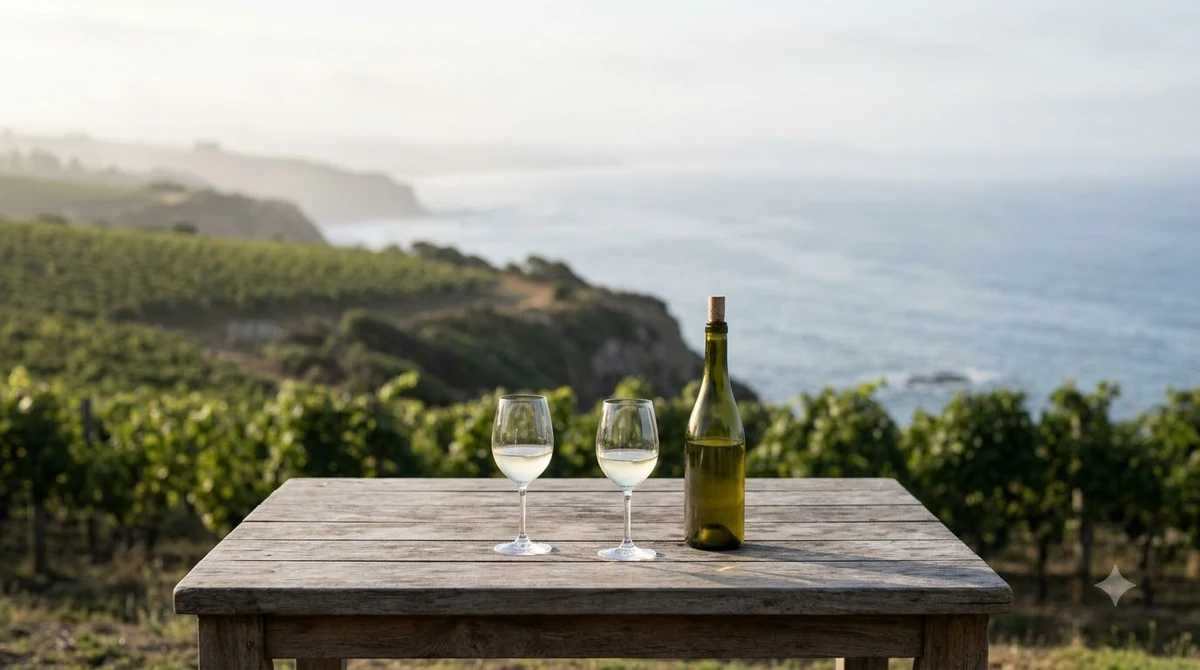
The local distinction between chão de areia and chão rijo describes two very different growing environments. Chão de areia refers to the coastal dunes and loose sand, while chão rijo refers to firmer limestone and marl soils. The sandy ground has an exceptional historical role: phylloxera devastated European vineyards in the nineteenth century, but vines planted in deep sand were protected because the pest did not thrive there. Colares preserved the tradition of ungrafted, or own-rooted, vines on these sites.
Ramisco is a red grape associated almost entirely with Colares. Naturally high in acidity and tannin, it can produce firm, reserved wines when young that develop with time. Atlantic humidity, sandy ground, and traditional viticulture create a style unlike a ripe, plush red from a warmer inland district.
Malvasia de Colares gives the appellation its white counterpart, generally emphasizing freshness and a coastal impression. The contrast between its aromatic white character and Ramisco’s structured red profile shows how two grapes express the same exposed landscape differently. Decanter notes that Colares rules preserve local clones of both grapes on ungrafted vines in sandy soils.
Bucelas and Carcavelos: Two Distinct Traditions
Bucelas and Carcavelos are both close to Lisbon, yet they represent very different wine histories. Bucelas is a white-wine stronghold built around Arinto, while Carcavelos is a small, historic source of fortified wine with a sweet, balanced style.
Bucelas sits northeast of Lisbon and is especially valued for Arinto, a white grape known for retaining acidity. In this appellation, Arinto can give wines with bright citrus character, freshness, and the structure to develop in bottle. The hard limestone and marl soils locally known as caeiras are part of the area’s identity. A good Bucelas is a natural choice for shellfish, grilled fish, and other dishes where crisp acidity helps refresh the palate.
Carcavelos lies west of Lisbon, near the Atlantic and the Tagus estuary. It is one of Portugal’s smallest and rarest wine designations, and its traditional wine is fortified rather than a conventional dry table wine. Galego Dourado is a key local grape, with Castelão and Arinto also appearing in the blend. The style can combine sweetness with balancing acidity and notes of dried fruit, spice, honey, or toast. It can work as an aperitif or alongside desserts that are not sweeter than the wine.
Tip: When comparing the southern appellations, taste a dry Arinto-led Bucelas beside a Carcavelos fortified wine. The contrast between fresh acidity and sweet, fortified depth is a quick way to understand why the two names should not be treated as a single style.
These wines have long histories beyond Portugal. Bucelas was known in England by the sixteenth century as “Lisbon Hock,” and its reputation grew during the French invasions of 1808 to 1810. The regional wine body’s Lisboa region profile provides more background on the region’s grapes and appellations.
Central Lisboa: Alenquer, Arruda, Óbidos, and Torres Vedras
The central appellations account for five of Lisboa’s nine designations and offer the widest range of still-wine styles. Alenquer, Arruda, Óbidos, and Torres Vedras are especially useful names to recognize, while Lourinhã is set apart by its spirit-making rules.
Alenquer lies around the eastern and southern sides of the Montejunto hills. Its landscape includes both Atlantic-exposed and more sheltered vineyards, and the appellation is known for white, red, and rosé wines. Red blends can draw on Portuguese grapes such as Castelão and Touriga Nacional as well as international varieties such as Syrah and Cabernet Sauvignon. The variation in exposure means that a producer’s exact site can matter as much as the broad appellation name.
Arruda is known for red and white wines, with reds especially prominent, and it also produces Vinho Leve. Torres Vedras, closer to both the sea and the hills, makes maritime-influenced whites and reds, often with a fresh, balanced profile.
Óbidos, near the Peniche peninsula, is associated with white wines and sparkling wines as well as still reds. At the northern edge of the central belt, Lourinhã is reserved for aguardente, or wine spirit; farther north, Encostas d’Aire has limestone hills and the historic wines of Ourém. These central zones are useful for exploring beyond the three famous southern names: a tasting might compare a white from Torres Vedras, a red blend from Alenquer, and a sparkling wine from Óbidos, while producers can also use the flexible Lisboa regional category for cross-area blends.
Grapes and Wine Styles to Know
Arinto is the leading white grape to learn first, but it is only one part of Lisboa’s grape mix. Fernão Pires, Malvasia, Seara-Nova, and Vital also contribute to the region’s whites, while Castelão, Aragonez, Tinta Miúda, Touriga Nacional, and Syrah help shape its reds.
Arinto is prized for its firm natural acidity, especially in Bucelas, where it can produce crisp, citrus-led whites with a mineral edge. Fernão Pires is generally more aromatic and can bring floral, orchard-fruit, or tropical notes to a blend. Malvasia is important in Colares, and Vital is associated with fresh, mineral whites in some inland and hillside sites. Each grape responds differently to the Atlantic climate, so a blend can balance freshness, aromatics, and texture.
For reds, Castelão can produce fresh or more structured wines depending on ripeness and winemaking. Aragonez, known elsewhere as Tempranillo, contributes fruit and body; Touriga Nacional adds color and structure. Syrah, Cabernet Sauvignon, Tinta Miúda, and Trincadeira broaden the range, so a Lisboa label may signal a local blend, an international variety, or both.
Wine style is not dictated by grape alone. Coastal whites often emphasize acidity and a lighter frame, while sheltered vineyards can produce riper fruit and fuller body. Reds range from fresh bottles to more structured wines; rosé, sparkling wine, and fortified Carcavelos add further options. Readers who enjoy maritime climates may also compare Tasmania vineyards and Uruguay vineyards, where coastal influence shapes wine style. Decanter’s overview of Lisboa’s producers and grape diversity shows why the region cannot be reduced to one signature variety: Arinto, Ramisco, Malvasia, and Castelão each have a distinct role.
Visiting Lisbon Vineyards: Routes, Tastings, and Timing
Lisbon works well as a starting point for wine visits because several vineyard areas are within reach of the city. The regional wine body describes tastings, harvest experiences, and stays among the vines less than an hour from Lisbon, although the actual drive depends on the estate, traffic, and the number of stops.
For a first outing, choose one cluster rather than trying to cover all nine appellations in a day. Colares combines sandy vineyards and Atlantic scenery near Sintra; Bucelas suits visitors interested in Arinto whites; Carcavelos offers its rare fortified wine near the western edge of the capital.
A longer day can head toward Alenquer, Torres Vedras, or Óbidos, where the landscape shifts between coastal roads, hills, and historic towns. Official tourism routes connect wine estates and tasting rooms with palaces, museums, and local food culture in places such as Colares, Mafra, Bucelas, and Oeiras.
Book winery visits ahead of time, especially for small producers and specialist wines such as Colares Ramisco or Carcavelos. A tasting appointment is more useful than arriving unannounced because some estates have limited opening hours or require advance arrangements. Confirm whether the visit includes a vineyard walk, cellar tour, or only a seated tasting, and ask whether the tasting is focused on one designation or a range of Lisboa wines. Harvest season is active but busy for producers; spring and early fall suit vineyard walks, while summer can bring beach traffic and winter can be wet and windy. Leave time between appointments rather than scheduling tastings in widely separated districts.
Frequently Asked Questions
These five questions cover details that often surprise visitors, including historic names, the special rules for Lourinhã, and the region’s sparkling wine tradition.
Why was Bucelas wine called “Lisbon Hock” in England?
Wines of Portugal records that Bucelas was already known in England during the second half of the sixteenth century under the name “Lisbon Hock.” Its reputation grew again during the French invasions of 1808 to 1810, when the Duke of Wellington admired the wine and sent it to England for King George III. The historic nickname is a useful reminder that this small white-wine district once had an international profile.
What makes Lourinhã different from the other Lisboa designations?
Lourinhã is Portugal’s only DOC set aside exclusively for aguardente, or grape-based wine spirit. The Wine Enthusiast regional feature identifies Tália, also known as Ugni Blanc, as the key grape for this brandy. That makes Lourinhã a spirits appellation within a region otherwise better known for table wines.
Does the Lisboa region make traditional sparkling wine?
Yes. The Portuguese Institute of Vine and Wine identifies sparkling wines under both the Óbidos and Bucelas designations. Its regional profile describes these wines as pale citrus in color, with fruit aromas and a fine, persistent bead. This is a useful reason to look beyond Lisboa’s better-known still whites and reds.
What is a quinta when visiting wineries in Portugal?
A quinta is an estate or rural property, and the term appears frequently in the names of Portuguese wine producers. The Wine Enthusiast regional feature connects the word historically with “quinta parte,” or one-fifth, referencing an old tax said to have been levied on production. In practical travel planning, a quinta may include vineyards, a winery, lodging, or a tasting space, but the facilities differ from estate to estate.
Are Colares wines always made from vines growing in sand?
No. The Colares landscape includes both sandy chão de areia and firmer chão rijo soils of limestone and marl. The signature ungrafted-vine tradition is associated with the sandy sites, while the appellation also includes vineyards on the firmer soils. The two soil settings are part of the reason Colares can offer more than one expression of its coastal character.
Lisbon’s vineyards offer much more than a convenient day trip from the capital: they bring together Atlantic whites, structured reds, rare fortified wines, and historic sand-grown vines. Start with Bucelas, Colares, and Carcavelos to understand the region’s best-known signatures, then explore Alenquer, Óbidos, and Torres Vedras for a wider view of Lisboa’s range.
More in Wine Regions
 Willcox Wine Trail: Discover Arizona’s High-Elevation Wine CountryUpdated Nov 20, 2026
 Yakima Valley Wine Region: Find the Best Styles to TryUpdated Nov 20, 2026
 Vosne Romanee Wine Tasting: Identify Aromas and Choose Better PairingsUpdated Nov 20, 2026
 Yakima Valley Wine Festival: Find the Best Seasonal Wine EventsUpdated Nov 20, 2026
 Wales Vineyards: Discover Cool-Climate Wines and Where to VisitUpdated Nov 20, 2026
 Yountville Wine Festival: Discover Napa Wines and Local FoodUpdated Nov 20, 2026