

We may earn a commission when you buy through links on this page, at no extra cost to you. Learn more.
Limari wine is wine from Chile’s Limarí Valley, best known for fresh, mineral Chardonnay and increasingly distinctive coastal Syrah, Pinot Noir, Sauvignon Blanc, and traditional-method sparkling wines. The valley sits in the Coquimbo Region, where the Pacific Ocean and the morning Camanchaca fog temper a semi-arid climate. Calcareous soils give many bottlings a recognizable mineral edge, while warmer inland sites and high-elevation vineyards add further variety. Knowing the grape, vineyard location, and style on the label makes it easier to choose a bottle for the table.
Limarí is one of Chile’s northern fine-wine regions, but it does not fit the simple image of a hot desert vineyard. Coastal air, river-fed agriculture, limestone-bearing ground, and a mix of lowland and mountain sites create several distinct expressions. Chardonnay is the clearest starting point, though the region offers more than one style and is worth exploring across both white and red grapes.
Where the Limarí Valley Sits in Chile
The Limarí Valley lies in Chile’s Coquimbo Region, south of the Elqui Valley and north of the Choapa Valley. Its vineyards follow the Limarí River system from the Pacific-influenced coast toward inland communities such as Ovalle, Monte Patria, Punitaqui, and Río Hurtado, so the name covers a landscape rather than one uniform vineyard setting.
The valley’s agricultural history predates its reputation for premium wine. The area has long been associated with Pisco grapes, and regional identity also includes archaeological petroglyphs and goat-cheese production. Wine has become a more visible part of the story as growers have focused on varieties suited to the valley’s coastal conditions, particularly Chardonnay, Sauvignon Blanc, Syrah, and Pinot Noir. The combination gives the region a different profile from Chile’s better-known central valleys, where warmer inland sites and larger red-wine categories often dominate.
For comparisons with other Chilean appellations, treat Limarí as a coastal-to-inland region rather than one uniform climate zone. Wines of Chile highlights its Chardonnay, Syrah, calcareous soils, and Pacific influence. That context is useful when exploring other Wine Regions, where place names often signal differences in climate, elevation, and soil.
Pacific Fog, Sunshine, and a Semi-Arid Climate
Limarí’s climate is shaped by a contrast: the region is dry and sunny, but coastal vineyards receive cooling influence from the Pacific and the morning fog called Camanchaca. That mix slows ripening and helps explain why a valley at this latitude can produce fresh Chardonnay and Pinot Noir instead of only full-bodied wines.
The Camanchaca typically moves inland from the ocean during the morning, bringing moisture and lowering temperatures before it dissipates. Afternoon maritime breezes continue to moderate coastal sites, while the strong sunlight supports ripening during the clearer parts of the day. Wine Enthusiast’s regional report describes the same combination of lower temperatures, reduced sunlight, morning fog, and increased humidity near the Pacific; it connects those conditions with slow grape development, especially for delicate varieties such as Chardonnay and Pinot Noir. The result is not a single flavor formula, but a longer, cooler ripening pattern that can preserve natural acidity.
Water is a practical concern in this semi-arid landscape. Vineyards depend on river and groundwater resources, and the quality as well as the quantity of irrigation water can matter. Wine Enthusiast reports that Tabalí has blended aquifer water with river water to reduce salinity before irrigation in some areas. That detail shows how the ocean’s influence can be both beneficial and challenging: the coastal air cools vines, but strong breezes and saline conditions require careful site management.
Conditions change inland, where less marine influence and more direct sunlight can encourage riper fruit than in coastal sites. A coastal bottling may emphasize freshness and savory or mineral notes, while a warmer inland wine may show more generous fruit. These are tendencies, not guarantees: grape variety, slope, exposure, picking decisions, and cellar choices also shape the finished wine.
Limestone, Calcareous Ground, and River Terraces
Limarí is particularly associated with calcareous soils, a relatively uncommon feature in Chilean wine country. Limestone-bearing sites, coastal terraces, and varied river-basin soils help explain why the region’s wines can show a stony or saline impression alongside ripe fruit.
“Limestone” does not mean that Limarí is one continuous bed of white rock. Some sites contain marine limestone; others sit on river-deposited alluvial material with stones, finer sediments, and clay horizons. Drainage, water retention, and soil depth all matter to vine roots, so a grower choosing a site for Chardonnay or Pinot Noir considers more than a geological label.
Talinay is one of the region’s best-known coastal vineyard names. Decanter’s review of Tabalí’s Talinay Limestone Vineyard Chardonnay describes a site about 12 kilometers from the Pacific on pure limestone, and notes lime zest, green apple, crunchy pear, salinity, and firm acidity in the 2021 wine. Those tasting impressions offer a useful example of how place can be expressed in a specific bottling, though one wine should not be treated as a template for every Limarí Chardonnay.
Other vineyard sites demonstrate the valley’s geological variety. In a Decanter profile, winemaker Marcelo Retamal describes using limestone soils at Talinay for Pinot Noir and granite-calcareous-clay soils at Quebrada Seca for Chardonnay. That contrast is a reminder that the region’s identity comes from a patchwork of sites, not from limestone alone. When a label names Talinay, Quebrada Seca, or another vineyard, the name can be a useful clue for readers who want to compare the effects of location within the valley.
Key Grapes and the Styles They Produce
Chardonnay is Limarí’s signature fine-wine grape, with Syrah as its leading red-wine reference and Sauvignon Blanc and Pinot Noir important in coastal sites. The Wines of Chile chart also lists other traditional plantings. The hectare figures below are the values displayed on its regional overview; because the page does not attach a census year, treat them as a snapshot of relative scale rather than a dated current inventory.
| Grape variety | Area listed (hectares) | What it contributes to the regional picture |
|---|---|---|
| Chardonnay | 780 | The leading listed variety and the valley’s signature premium white |
| Syrah | 332 | A major red variety, suited to both coastal and warmer sites |
| Pedro Jiménez | 282 | A significant traditional planting in a valley with a Pisco history |
| Tintorera | 215 | A substantial red-grape planting beyond the best-known fine-wine names |
| Sauvignon Blanc | 196 | A fresh white option that benefits from coastal conditions |
| Pinot Noir | 155 | A cool-site red with a lighter frame than Syrah |
| Pinot Gris | 134 | An additional white variety in the regional mix |
| Moscatel de Alejandría | 86 | An aromatic grape associated with the area’s older Pisco and grape-growing traditions |
| Cabernet Sauvignon | 83 | A smaller listed planting compared with Chardonnay and Syrah |
Limarí Chardonnay is the first bottle to seek out. Expect citrus, lemon or lime zest, green apple, white flowers, stone fruit, and a firm line of acidity. Some examples are restrained rather than overtly tropical; lees contact or oak can add texture. The region’s coastal influence and calcareous sites often favor freshness and mineral detail over a soft, very ripe style. Wine Enthusiast’s report on Chile’s northern valleys discusses the role of coastal cooling and limestone in Limarí Chardonnay.
Syrah offers a different expression, ranging from fresher, savory examples to fuller wines with darker fruit as sites become warmer. It has more tannin than Pinot Noir and generally feels firmer on the palate. Pinot Noir is the more delicate red option, while Sauvignon Blanc brings a crisp, high-acid white style. Traditional-method sparkling wines add another reason to look beyond still Chardonnay.
There is also a mountain dimension. Wines of Chile points to recent Malbec plantings near Río Hurtado at elevations between 1,600 and 1,800 meters above sea level. Those high sites should not be confused with the fog-cooled coastal vineyards: elevation, exposure, and mountain temperatures create another set of growing conditions. The variety mix shows why Limarí is not simply “a Chardonnay region,” even though Chardonnay remains its clearest calling card.
Producers, Vineyard Names, and Bottles to Recognize
Tabalí is one of the names most closely associated with Limarí, particularly through its Talinay vineyard wines. Other producers and labels also source fruit from the valley, and the most useful way to explore them is to compare named sites and grape varieties rather than assume every bottle from the same producer has the same style.
Tabalí’s Talinay Chardonnay is a practical benchmark for the coastal, limestone-influenced expression. Wine Enthusiast’s review of the 2022 bottling lists 13% alcohol and describes white flowers, citrus, apricot, ripe lemon, baking spice, fresh acidity, and a mineral-textured palate. Decanter’s review of the 2021 Talinay Limestone Vineyard Chardonnay records 12.5% alcohol and describes a medium-bodied, dry wine made from 100% Chardonnay. The two reviews are different vintages, but both point toward freshness, citrus, and a strong sense of place rather than a heavy, buttery style.
Limarí is not limited to one estate. Wine Enthusiast notes that Santa Rita and Amelia, the Concha y Toro label, have also sourced grapes and produced wines from the valley. Decanter’s profile of Marcelo Retamal describes his Reta project using coastal Limarí fruit for Chardonnay and Pinot Noir, with Talinay fruit selected for Pinot Noir and Quebrada Seca fruit for Chardonnay. For a broader introduction to the Limarí wine region, compare bottles that name a subarea or vineyard rather than choosing by producer alone.
Look first at the grape and vineyard name. A coastal Chardonnay from Talinay is quite different from a high-elevation Malbec near Río Hurtado, even if both say Limarí Valley. Then consider oak aging, fermentation vessel, and lees contact: neutral vessels can foreground citrus and mineral detail, while oak may add spice, creaminess, or structure.
Food Pairings, Serving Temperatures, and Storage
Limarí’s fresh whites are natural partners for seafood, shellfish, and dishes with citrus or herbs, while its reds suit roasted poultry, pork, and grilled meats. The best match depends on acidity, tannin, weight, and seasoning, so choose a wine that can meet the intensity of the dish rather than relying only on color.
Pair Chardonnay or Sauvignon Blanc with oysters, scallops, ceviche, grilled white fish, shrimp, or roast chicken with lemon. Their acidity balances citrus, vinaigrette, or herb sauce, and a saline note can complement seafood. Fuller Chardonnay can handle fish with butter or creamy pasta. Pinot Noir suits salmon, mushrooms, roast chicken, and pork tenderloin better than a highly tannic red; oily fish can clash with tannic reds. Syrah is a better match for grilled lamb, beef, sausages, and roasted vegetables. Salt and fat soften tannin, but very spicy chili dishes can taste hotter because alcohol and tannin amplify heat. Sweet dishes need a wine at least as sweet as the dessert.
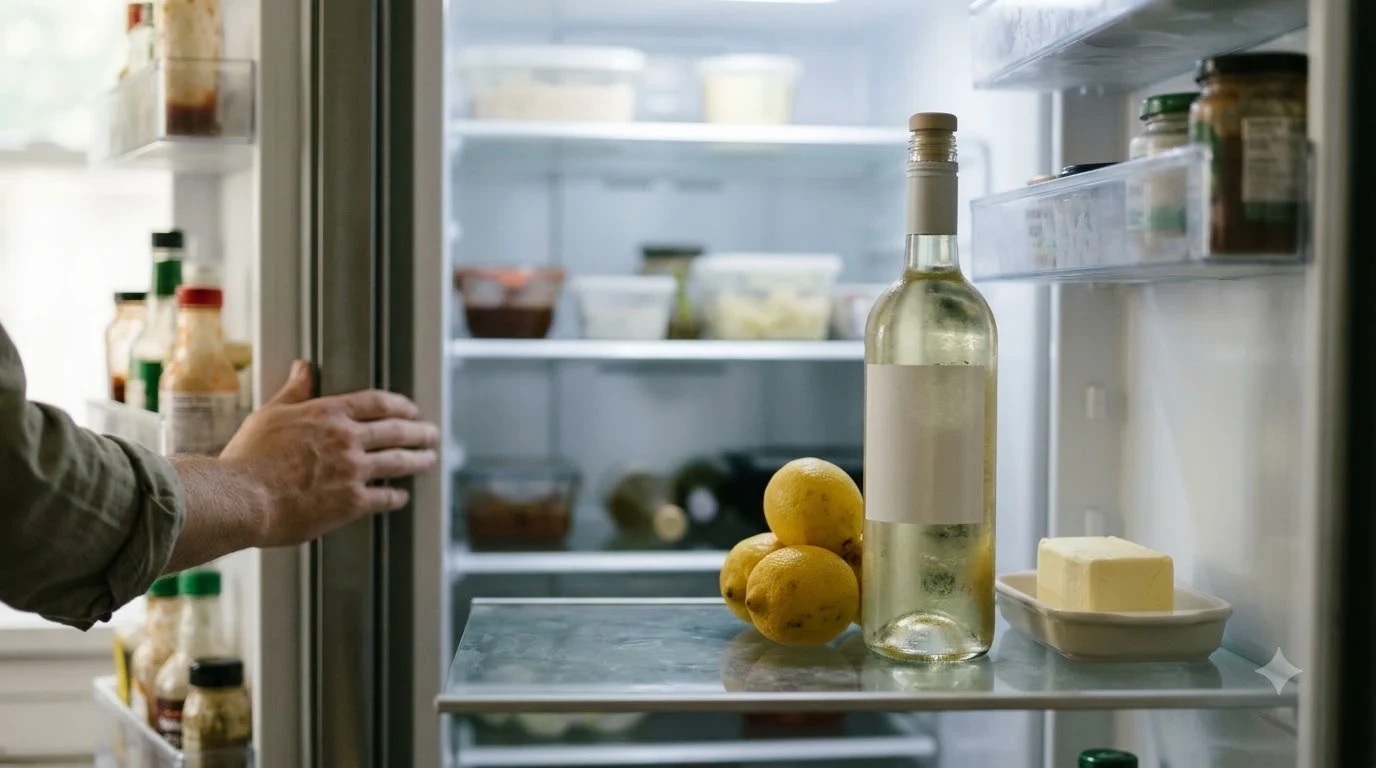
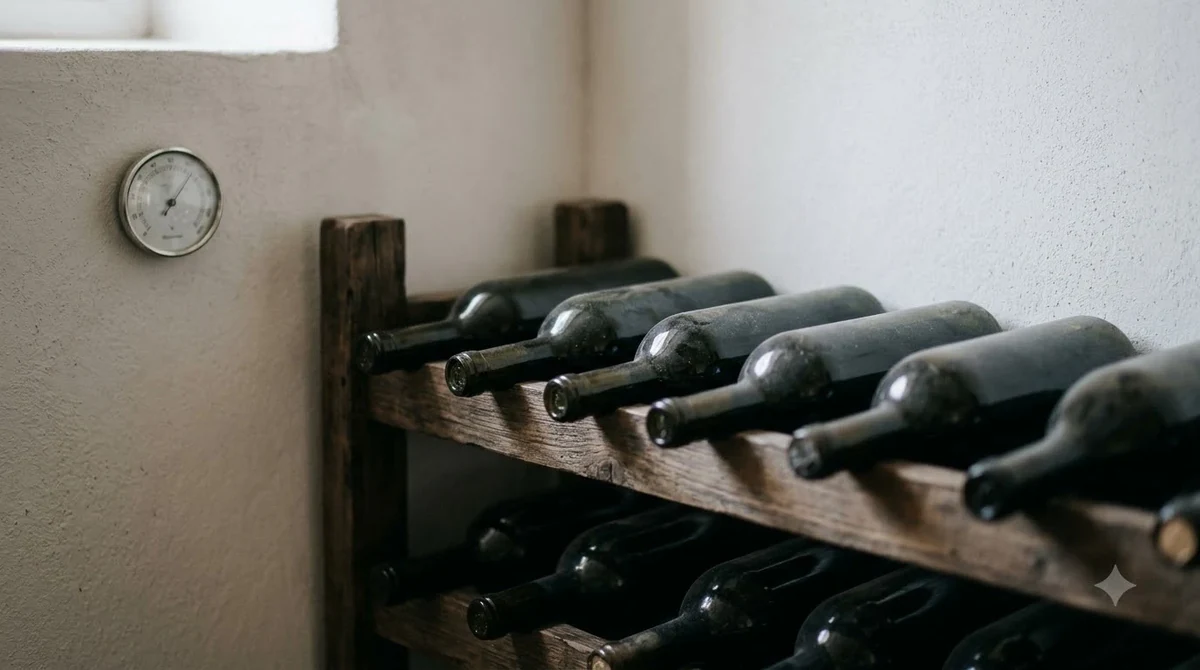
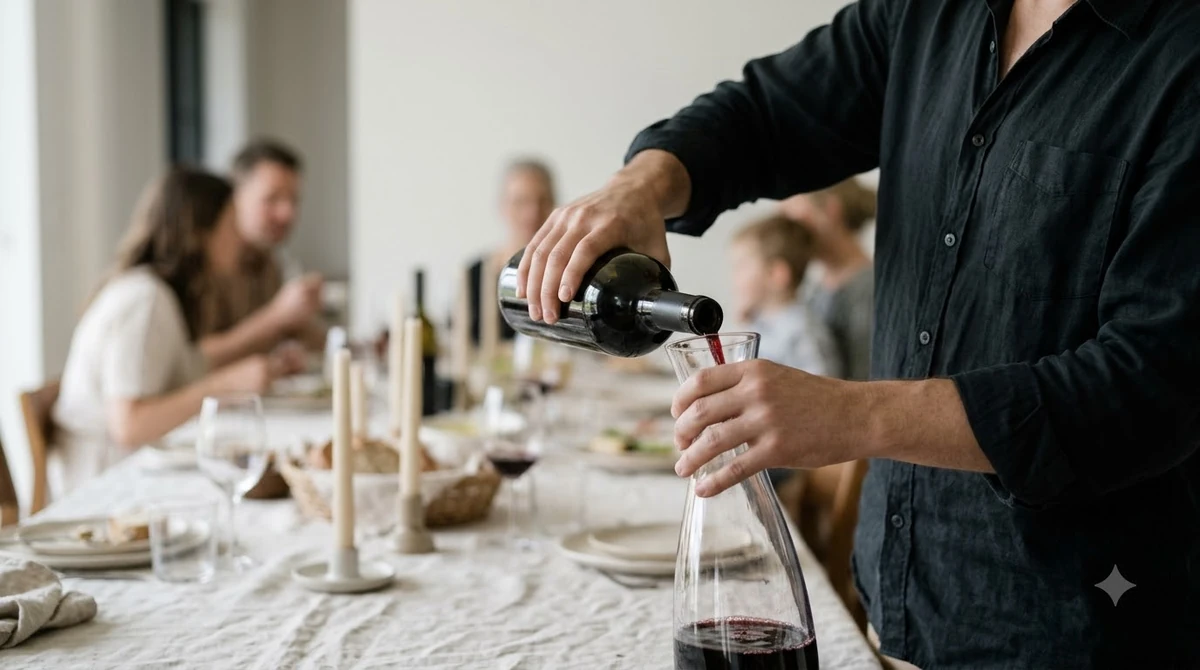
Serve sparkling Limarí wines at 40–50°F, light whites and rosé at 45–50°F, and fuller Chardonnay at 50–55°F. Pinot Noir can be served at 55–60°F and fuller Syrah around 60–65°F. Store unopened bottles on their side near 55°F in a cool, dark place. A 750-milliliter bottle gives about five 5-ounce pours; refrigerate opened still wine and finish it within 3–5 days, or sparkling wine within 1–3 days with a stopper. Young, full-bodied reds may benefit from 30–60 minutes in a decanter.
Tip: Chill a Limarí Chardonnay in the refrigerator, then let it sit briefly in the glass if its aromas seem muted. Aim for about 50–55°F for a fuller example, and keep a bottle of sparkling wine colder at 40–50°F.
Frequently Asked Questions
These quick answers cover the valley’s main grapes, its official place-name, and a few practical distinctions between the coastal and inland parts of Limarí.
Is Limarí an official Chilean wine appellation?
Yes. Chile’s wine-zoning framework recognizes the Limarí Valley as a subregion within the Coquimbo wine region. Its named areas include Ovalle, Monte Patria, Punitaqui, and Río Hurtado.
Does Limarí produce only still wine?
No. The valley is also known for traditional-method sparkling wines, which undergo their second fermentation in the bottle. That method creates a different texture from tank-fermented sparkling wine and makes the region worth exploring beyond its still Chardonnay.
Why is Pedro Jiménez planted in Limarí?
Pedro Jiménez is one of the grape varieties authorized for Chilean Pisco, alongside several Muscat varieties and Torontel. That distilling tradition helps explain why the grape remains part of the valley’s agricultural mix alongside varieties grown for still wine.
Can Limarí wine be aged?
Some structured Chardonnay and Syrah can develop with bottle age, especially when they have concentrated fruit and balanced acidity. For collectors, the producer’s recommended drinking window and the conditions in which the bottle has been stored are more useful guides than the region name alone.
What is notable about Quebrada Seca?
Decanter describes Quebrada Seca as the oldest plot of Chardonnay in Limarí. The same profile notes that a grower helped preserve part of the drought-affected vineyard.
Limarí is most rewarding when approached through its individual sites: coastal Chardonnay, refined Pinot Noir, expressive Syrah, and high-elevation plantings each tell a different part of the valley’s story. Start with a cool-climate Chardonnay, then compare a red or sparkling bottling to see how the Pacific, limestone, and inland terrain shape the region’s range.
More in Wine Regions
 Willcox Wine Trail: Discover Arizona’s High-Elevation Wine CountryUpdated Nov 20, 2026
 Yakima Valley Wine Region: Find the Best Styles to TryUpdated Nov 20, 2026
 Vosne Romanee Wine Tasting: Identify Aromas and Choose Better PairingsUpdated Nov 20, 2026
 Yakima Valley Wine Festival: Find the Best Seasonal Wine EventsUpdated Nov 20, 2026
 Wales Vineyards: Discover Cool-Climate Wines and Where to VisitUpdated Nov 20, 2026
 Yountville Wine Festival: Discover Napa Wines and Local FoodUpdated Nov 20, 2026