

We may earn a commission when you buy through links on this page, at no extra cost to you. Learn more.
The limari wine region in northern Chile is best known for fresh, mineral-driven Chardonnay, elegant Syrah, and coastal wines shaped by limestone-rich soils and cool Pacific influences. Located in the Coquimbo Region, the valley combines a semi-arid climate with morning coastal fog and afternoon ocean breezes. Its distinctive growing conditions make it one of Chile’s most interesting places for discovering wines with bright acidity, restrained fruit, and a strong sense of place.
Chile is often associated with Cabernet Sauvignon from Maipo, Carménère from Colchagua, and Sauvignon Blanc from Casablanca. Limarí offers a different perspective on the country’s wine industry. Its vineyards benefit from an unusual combination of intense sunshine, limited rainfall, maritime cooling, and calcareous soils. Chardonnay leads the region’s fine-wine reputation, but Pinot Noir, Syrah, Sauvignon Blanc, and traditional-method sparkling wines also deserve attention. Understanding its geography, grapes, and winemaking styles makes it easier to recognize what distinguishes a bottle from this northern Chilean valley.
Location and History of the Limarí Valley
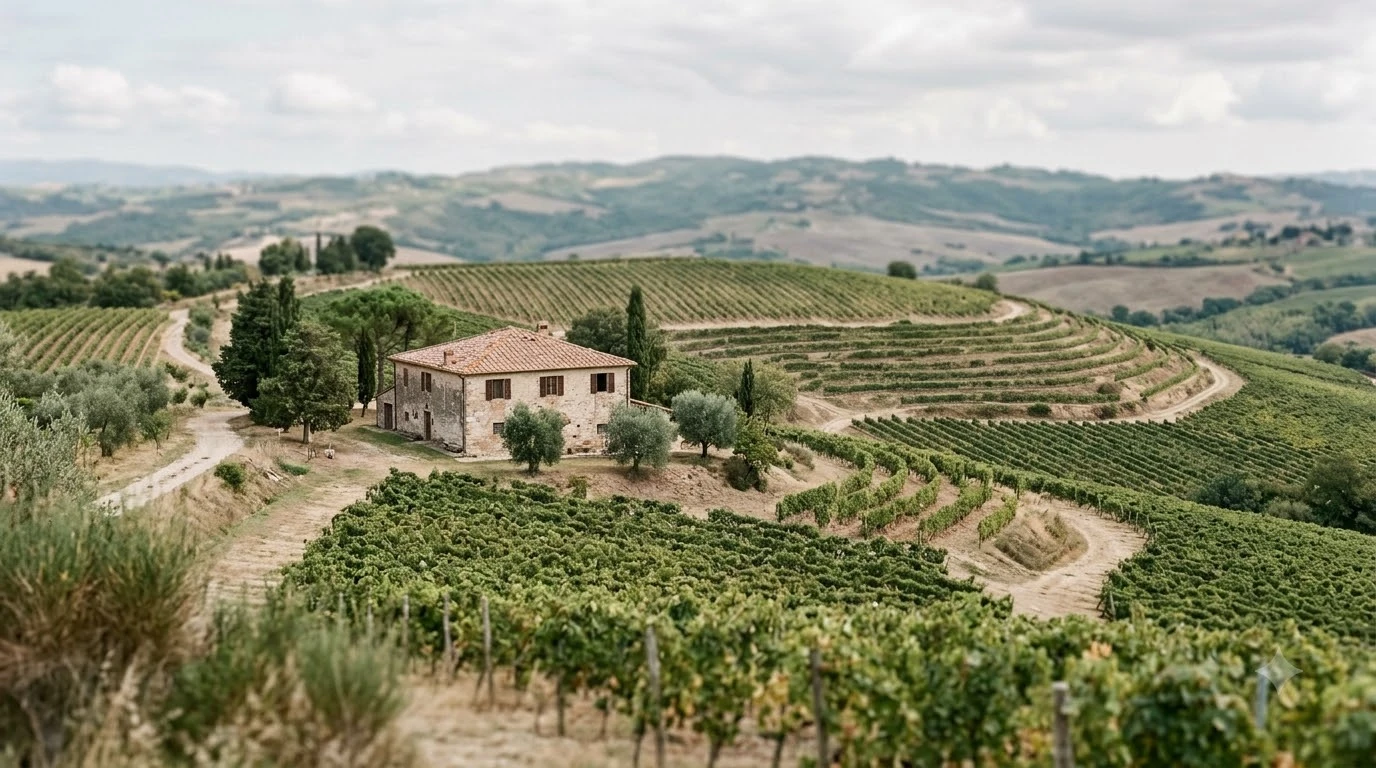
The Limarí Valley lies in Chile’s Coquimbo Region, approximately 300 kilometers north of Santiago. Its vineyards extend through an agricultural landscape influenced by the Limarí River, the Andes, and the Pacific Ocean, creating different growing conditions between coastal and inland locations.

The valley has a longer agricultural history than its modern reputation for fine wine might suggest. Wines of Chile describes Limarí as an area historically associated with petroglyphs, pisco production, and goat cheese. Viticulture developed alongside these established agricultural activities, eventually attracting attention for the quality of its still wines. The transition toward premium wine production brought particular recognition to Chardonnay, a variety that responds well to the region’s combination of cool coastal conditions and distinctive soils.
Limarí belongs to Chile’s northern wine-growing area, alongside neighboring valleys such as Elqui and Choapa. These regions share an arid or semi-arid environment, but their vineyard conditions are not identical. Limarí has developed a particularly strong identity around its coastal Chardonnay and Syrah. Its location also creates opportunities for producers to work with different elevations and exposures rather than relying on one uniform valley climate.
One important distinction is the relationship between the coastal vineyards and the warmer inland areas. Vineyards closer to the Pacific receive more maritime influence, while inland locations experience different temperature patterns and growing conditions. This variation helps explain why wines carrying the same regional designation can have noticeably different personalities.
For wine enthusiasts exploring Chile, Limarí provides a useful comparison with better-known regions. The Wine Regions resource offers a broader way to understand how geography and climate influence regional wine styles. Limarí is especially interesting because it demonstrates how a relatively dry northern environment can produce whites with freshness and reds with considerable aromatic detail.
The region also has a connection to traditional sparkling wine production. Producers have explored the potential of bottle-fermented wines, adding another dimension to a region that is often introduced through Chardonnay. This combination of historical agriculture and modern winemaking makes Limarí more diverse than its reputation as a specialist Chardonnay area might initially suggest.
Climate, Camanchaca Fog, and Coastal Influence
Limarí has a semi-arid climate with abundant sunshine, limited rainfall, and significant cooling influences from the Pacific Ocean. The morning Camanchaca fog and afternoon maritime breezes help preserve freshness in grapes grown in a naturally warm environment.
The Camanchaca is a coastal fog that moves inland during the morning. It brings moisture and reduces the intensity of early sunlight before gradually dissipating as the day progresses. This natural cooling effect is important because it helps moderate vineyard temperatures without removing the region’s access to sunlight.
The Pacific Ocean provides another important influence. Afternoon breezes help cool the vineyards, slowing the progression of grape ripening in suitable locations. This is particularly beneficial for varieties such as Chardonnay, Sauvignon Blanc, and Pinot Noir, which can lose freshness if they ripen too quickly under excessive heat.
Although sunshine is plentiful, the valley receives relatively little rainfall. Water availability is therefore an important consideration for vineyard management. Irrigation plays a significant role in maintaining healthy vines, and producers must consider soil characteristics, water resources, and vineyard location when deciding how to manage their plantings.
These climatic conditions create an interesting balance. Grapes can develop ripe flavors while retaining the acidity needed for fresh, structured wines. Chardonnay may show citrus, orchard fruit, and herbal characteristics rather than becoming excessively tropical or heavy. Sauvignon Blanc can retain lively acidity, while Pinot Noir benefits from a longer, more moderate ripening period in suitable coastal sites.
Temperature differences between coastal and inland vineyards also influence the final wine. A vineyard receiving regular maritime cooling may produce fruit with a different balance of acidity and ripeness from a warmer inland planting. This variation encourages winemakers to select vineyard sites carefully rather than treating the valley as a single growing environment.
The climate also explains why Limarí should not be confused with a uniformly hot desert wine region. Its northern latitude provides strong sunlight, but the Pacific creates conditions suitable for varieties traditionally associated with cooler climates. That combination is central to the region’s identity and helps distinguish its wines from richer styles produced farther inland.
Calcareous Soils and Distinctive Vineyard Terroir
Limarí’s calcareous soils are among its most important distinguishing features, particularly for Chardonnay. The valley contains varied soil compositions, including limestone-rich areas that contribute to the distinctive character associated with several of its most recognized vineyard sites.
Calcareous soil contains calcium carbonate, a mineral component commonly associated with limestone and chalk. These soils are relatively uncommon in Chile compared with the volcanic and other soil types found across many of the country’s established wine regions. Their presence gives Limarí an important point of difference when comparing Chilean Chardonnay styles.
The relationship between soil and wine is complex. Soil influences drainage, water availability, vine growth, and the conditions under which grapes develop. It does not automatically create a particular flavor, but it forms part of the environmental combination that determines how vines perform in a vineyard.
Quebrada Seca is an important example of a Limarí vineyard location associated with calcareous soils. Decanter has highlighted a Maycas del Limarí Chardonnay from this site, describing its combination of bright acidity, herbal character, citrus notes, and mineral impressions. The wine illustrates how coastal conditions and limestone-rich ground can work together to produce a distinctive regional expression. Readers can explore Decanter’s South American Chardonnay panel tasting for additional context on this vineyard and its wine.
Other parts of the valley contain different soil structures, and this variation matters to vineyard planning. A producer may select one location for Chardonnay and another for Syrah based on drainage, water retention, exposure, and temperature. Understanding these differences helps explain why vineyard-specific wines can offer more detail than a general regional description.
The higher-elevation areas near Río Hurtado provide another example of Limarí’s geographical diversity. Wines of Chile identifies vineyards in this mountainous area at approximately 1,600 to 1,800 meters above sea level, where producers have explored Malbec. These elevations create conditions that differ significantly from the coastal vineyards.
For consumers, the most useful point is that Limarí is not defined by limestone alone. Its identity comes from the interaction of soil, altitude, sunlight, fog, and ocean influence. A coastal Chardonnay and a high-elevation Malbec can therefore express very different aspects of the same broader valley.
Main Grapes and Wine Varieties
Chardonnay is the leading variety associated with Limarí, while Syrah, Sauvignon Blanc, and Pinot Noir form an important supporting group. The region also grows Pedro Jiménez, Pinot Gris, Moscatel de Alejandría, and other grapes, reflecting its broader agricultural and winemaking history.
According to the regional variety figures published by Wines of Chile, Chardonnay accounts for 780 hectares, making it the largest listed variety in Limarí. Syrah follows with 332 hectares, while Pedro Jiménez accounts for 282 hectares. These figures illustrate that the valley has a broader vineyard composition than its international Chardonnay reputation might suggest.
| Grape variety | Planted area | Typical regional role |
|---|---|---|
| Chardonnay | 780 hectares | Signature white wine |
| Syrah | 332 hectares | Important red wine |
| Pedro Jiménez | 282 hectares | Traditional regional grape |
| Tintorera | 215 hectares | Red wine production |
| Sauvignon Blanc | 196 hectares | Fresh aromatic white |
| Pinot Noir | 155 hectares | Cool-climate red |
| Pinot Gris | 134 hectares | Additional white variety |
| Moscatel de Alejandría | 86 hectares | Traditional aromatic grape |
| Cabernet Sauvignon | 83 hectares | Supporting red variety |
Source: Wines of Chile regional variety figures. Hectares represent reported planted areas for the listed varieties.
Chardonnay
Chardonnay is the variety most closely associated with Limarí’s premium wine identity. Its regional expression often emphasizes citrus, apple, mineral impressions, and fresh acidity. Depending on the producer and winemaking approach, the wine may also show white peach, chamomile, subtle tropical fruit, or restrained oak influences.
Some producers use oak fermentation or maturation to introduce texture and additional complexity. Others emphasize stainless steel or less intrusive winemaking to preserve the fruit’s natural freshness. Both approaches can work well because Chardonnay is versatile enough to express differences in vineyard conditions and cellar decisions.
Syrah
Syrah is the region’s leading red-wine variety in terms of the listed red grapes. Limarí examples can offer dark berries, black pepper, herbs, and savory notes. Cooler coastal conditions may help produce a fresher and more restrained style than the richer, more concentrated Syrah associated with warmer growing environments.
Its structure makes it particularly useful at the dinner table. Syrah generally has medium-plus to high tannin, which makes it a natural partner for grilled beef, lamb, and dishes with substantial savory flavors. Its acidity and aromatic complexity can also make it a compelling alternative to more familiar Chilean Cabernet Sauvignon.
Sauvignon Blanc and Pinot Noir
Sauvignon Blanc benefits from the coastal environment, where moderate temperatures help preserve its naturally high acidity. Typical flavors include lime, grapefruit, fresh herbs, and sometimes subtle tropical fruit. It is particularly attractive to drinkers who enjoy dry whites with a crisp finish.
Pinot Noir provides another expression of the valley’s cooler vineyard sites. Its generally lower tannin compared with Syrah and Cabernet Sauvignon allows red cherry, raspberry, earthy notes, and delicate spice to remain prominent. Limarí Pinot Noir is an interesting choice for those who prefer aromatic, lighter-bodied reds rather than heavily extracted wines.
Notable Wine Styles, Producers, and Bottles
Limarí’s wine identity is built around several distinct styles, from mineral-driven Chardonnay to aromatic Syrah and traditional-method sparkling wine. Producers including Tabalí, Maycas del Limarí, Concha y Toro, Miguel Torres, and Undurraga have helped demonstrate the range of the valley’s potential.
Tabalí is listed by Wines of Chile among the wineries associated with the Limarí and Choapa area. Its presence reflects the importance of the valley in the development of Chilean wines with a clear regional identity. When exploring its wines, Chardonnay and Syrah are useful starting points for understanding the local style.
Maycas del Limarí is another important name for Chardonnay enthusiasts. Its Quebrada Seca wine has received attention for its relationship with the calcareous soils of the valley. Decanter’s panel tasting highlighted the wine’s concentration, bright acidity, herbal notes, citrus character, and mineral qualities. The example demonstrates how vineyard location can become central to a wine’s identity.
Concha y Toro’s Amelia range also provides useful examples of Limarí Chardonnay and Pinot Noir. Wine Enthusiast’s regional coverage includes these wines, with descriptions emphasizing chalky aromas, chamomile, raspberries, and delicate spice in different bottlings. These examples show that the region is capable of producing both structured whites and nuanced reds.
Miguel Torres is another producer represented in Wine Enthusiast’s Limarí coverage. Its Cordillera de los Andes Chardonnay is described with lime, herbal notes, apple, and apricot, supported by lively acidity. These characteristics make the wine a useful illustration of the region’s fresh, fruit-focused white-wine profile.
Syrah also deserves attention rather than being treated as a secondary curiosity. Wine Enthusiast’s coverage includes Chono Single Vineyard Syrah, with aromatic references to cinnamon and red plum. Such descriptions illustrate how Limarí reds can combine fruit expression with spice and freshness.
Traditional-method sparkling wine adds further variety. In this production method, the second fermentation takes place inside the bottle, creating the bubbles and contributing to the wine’s texture. Limarí’s combination of acidity and coastal conditions provides an interesting setting for producers exploring this style.
When choosing a first bottle, Chardonnay remains the most representative starting point. Drinkers who prefer red wine can begin with Syrah, while Pinot Noir offers a more delicate alternative. Sauvignon Blanc is a sensible choice for anyone looking for a bright, aromatic white.
Food Pairings, Serving Temperatures, and Storage
Limarí wines work particularly well with seafood, grilled poultry, vegetables, and dishes that highlight fresh herbs and citrus. Their acidity and varied structures make them adaptable at the table, although the best pairing depends on whether the bottle is Chardonnay, Sauvignon Blanc, Pinot Noir, or Syrah.
Pairing Chardonnay with Food
Limarí Chardonnay is a natural match for grilled fish, roasted chicken, scallops, and creamy seafood dishes. Its acidity can cut through rich sauces, while its citrus and mineral character complements delicate ingredients. A lightly oaked Chardonnay can also work with roast poultry, mushrooms, and dishes containing butter or cream.
For shellfish, try grilled prawns with lemon, baked scallops, or crab served with a modest amount of butter. The wine’s freshness helps balance the richness without overwhelming the natural sweetness of the seafood.
Pairing Sauvignon Blanc with Food
Sauvignon Blanc is particularly effective with oysters, ceviche, goat cheese, and herb-forward salads. Its naturally high acidity complements acidic ingredients, so lime-based seafood dishes can be excellent partners when the wine has comparable freshness.
Fresh goat cheese is another useful pairing because its tangy flavor works well with a crisp white. Grilled vegetables, asparagus, and dishes containing parsley or cilantro can also complement the wine’s herbal characteristics.
Pairing Pinot Noir and Syrah
Pinot Noir works well with roast chicken, duck, grilled salmon, mushroom dishes, and pork tenderloin. Its relatively low-to-medium tannin and bright acidity make it more flexible than heavily structured reds. It is also a useful option for meals containing earthy ingredients such as lentils and roasted mushrooms.
Syrah is better suited to stronger flavors. Grilled lamb, beef short ribs, sausages, and roasted eggplant are all suitable options. Its peppery and savory character can complement charred foods, while the protein and fat in meat help soften its tannin.
For spicy dishes, choose carefully. Alcohol and tannin can intensify the sensation of chili heat, so a highly alcoholic or strongly structured Syrah may be less comfortable with very hot food. A fresher Pinot Noir or aromatic white may be more appropriate for moderately spicy dishes.
Serving Temperatures
Serving temperature can change how a wine smells and tastes. White wines that are too cold may hide their aromas, while reds served too warm can seem heavier and more alcoholic than intended.
Tip: Serve Limarí Chardonnay at approximately 50–55 F if it has a fuller texture or oak influence. A lighter Sauvignon Blanc is usually better at 45–50 F, while Pinot Noir benefits from a cooler 55–60 F serving temperature.
The following temperatures provide a practical starting point for the region’s main styles:
- Chardonnay: 50–55 F for fuller-bodied examples.
- Sauvignon Blanc: 45–50 F for freshness and aromatic definition.
- Pinot Noir: 55–60 F to preserve delicate fruit and freshness.
- Syrah: 60–65 F for fuller-bodied examples.
- Sparkling wine: 40–50 F to maintain freshness and bubbles.
Storage and Drinking Windows
Store unopened bottles in a cool, dark place with a relatively stable temperature. Around 55 F is a useful storage target, and bottles sealed with natural cork are generally stored on their sides to keep the cork from drying out.
Most everyday Limarí whites are enjoyable while their fruit and acidity remain lively. More structured Chardonnay may develop additional complexity with bottle age, but not every bottling is intended for extended cellaring. Pinot Noir and Syrah also vary according to vineyard quality, vintage, and winemaking decisions.
Once opened, still wines generally keep for three to five days in the refrigerator when properly resealed. Sparkling wines usually retain their best qualities for approximately one to three days with a suitable sparkling-wine stopper. Allow refrigerated whites to warm slightly before serving if their aromas seem muted.
For further comparisons, the Savoie wine region offers another perspective on wines shaped by distinctive mountain and cool-climate conditions. The Tasmania wine region is also an interesting comparison for drinkers interested in fresh Chardonnay and Pinot Noir from maritime-influenced vineyards.
Frequently Asked Questions
These five questions cover additional details about Limarí’s geography, grape-growing conditions, regional identity, and wine characteristics that can help readers explore Chilean bottles with greater confidence.
What does the name Limarí mean?
Limarí takes its name from the river that runs through the valley in northern Chile. The Limarí River is an important geographical feature in the province of Limarí and supports agricultural activity in an otherwise dry environment. Its watershed is part of the broader Coquimbo landscape.
Is Limarí an official Chilean wine appellation?
Limarí Valley is recognized within Chile’s Denomination of Origin system. Chilean wine labeling rules connect geographical designations with defined growing areas, allowing consumers to identify the origin claimed by a bottle. The designation is distinct from the name of an individual vineyard or producer.
Can Limarí wines be made from ungrafted vines?
Chile has a notable history of ungrafted grapevines because the country has remained free of the widespread phylloxera devastation that affected many traditional European vineyards. Individual vineyard conditions and planting material vary, so this characteristic should not be assumed for every bottle from Limarí.
Does Limarí produce wines other than Chardonnay and Syrah?
Yes. The valley also produces Pinot Noir, Sauvignon Blanc, Pinot Gris, and traditional-method sparkling wines. Its agricultural heritage includes several Muscat-related grapes and Pedro Jiménez, which are important parts of the broader regional vineyard picture.
Why is Río Hurtado important to Limarí wine production?
Río Hurtado is significant because its mountainous surroundings provide access to high-elevation vineyard sites. Wines of Chile identifies Malbec plantings between 1,600 and 1,800 meters above sea level in this area. These elevations provide a different growing environment from the valley’s coastal vineyards.
The Limarí Valley deserves attention from anyone interested in discovering a less familiar side of Chilean wine. Its limestone-rich soils, coastal fog, and maritime cooling produce particularly compelling Chardonnay, while Syrah, Pinot Noir, Sauvignon Blanc, and sparkling wines demonstrate its wider potential. Start with a regional Chardonnay, compare it with a coastal Syrah, and explore the differences between vineyard sites to appreciate what makes this northern Chilean wine region distinctive.
More in Wine Regions
 Willcox Wine Trail: Discover Arizona’s High-Elevation Wine CountryUpdated Nov 20, 2026
 Yakima Valley Wine Region: Find the Best Styles to TryUpdated Nov 20, 2026
 Vosne Romanee Wine Tasting: Identify Aromas and Choose Better PairingsUpdated Nov 20, 2026
 Yakima Valley Wine Festival: Find the Best Seasonal Wine EventsUpdated Nov 20, 2026
 Wales Vineyards: Discover Cool-Climate Wines and Where to VisitUpdated Nov 20, 2026
 Yountville Wine Festival: Discover Napa Wines and Local FoodUpdated Nov 20, 2026