


We may earn a commission when you buy through links on this page, at no extra cost to you. Learn more.
leon millot wine is a dry red wine made from an early-ripening French hybrid grape, valued for deep color, berry aromas, and a lighter-to-medium body. It is especially associated with cool-climate vineyards in places such as Nova Scotia, Québec, and the northern United States. Expect black cherry, blackberry, plum, pepper, and sometimes earthy notes, with low-to-medium tannin and moderate-to-high acidity. The exact balance depends on the vineyard, harvest, and cellar choices.
For wine drinkers, Léon Millot offers a useful alternative to familiar red grapes: it can deliver dark color and savory fruit without the firm tannic grip of Cabernet Sauvignon. Its history is equally distinctive. The variety was bred in Alsace more than a century ago, then found a lasting role in regions where winter cold and a short growing season challenge many European wine grapes.
What Is Leon Millot and Where Did It Come From?
Léon Millot is a dark-skinned interspecific hybrid created in Colmar, Alsace, in 1911 by Eugène Kuhlmann. Its parentage combines a 101-14 MGt rootstock seedling with Goldriesling, giving the grape ancestry from both American vine species and European wine grapes.
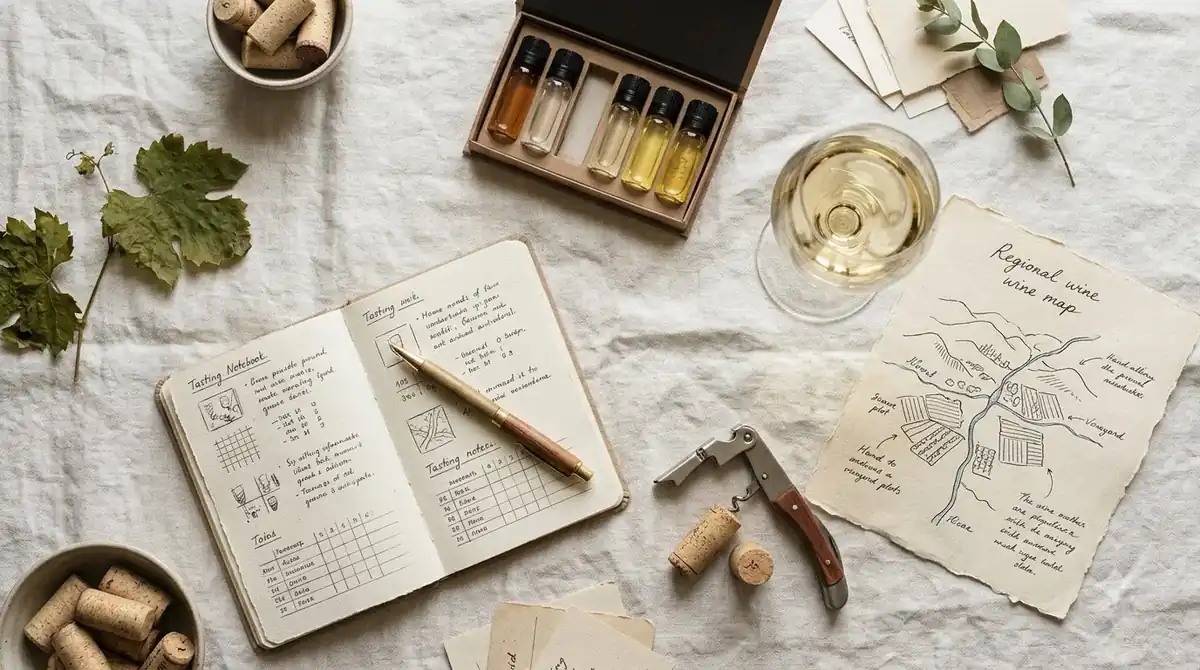
Kuhlmann worked at the Institut Oberlin, where breeders developed crosses intended to improve vineyard adaptability while retaining the potential to make wine. The 101-14 MGt parent is itself associated with Vitis riparia and Vitis rupestris; Goldriesling contributes Vitis vinifera ancestry. That mixed background is why Léon Millot is called an interspecific hybrid rather than a traditional Vitis vinifera variety. It is a wine grape, not simply a table grape that happens to be fermented.
The grape is related to Maréchal Foch, another Kuhlmann selection from the same cross. The two are often discussed together because they share a breeding history and suit many of the same cool-climate districts, but they are separate varieties. Grower descriptions commonly characterize Léon Millot as more vigorous and productive, with smaller bunches and berries than Foch. A bottle labeled with one name should therefore be understood on its own rather than treated as a version of the other.
In France, propagation material may also be identified as 194-2 Kuhlmann. The French grape catalogue classifies Léon Millot as a wine grape, and Denmark, the Netherlands, and Sweden also list it. Its hybrid status is part of its identity, not a verdict on the quality of the wine.
Where the Vine Grows and Why It Suits Cool Climates
Léon Millot is valued in cool regions because it ripens early and tolerates severe winter conditions better than many classic European red grapes. Its growing footprint includes Nova Scotia and Québec in Canada, the Upper Midwest and Northeast in the United States, and northern European countries such as Denmark and Sweden.
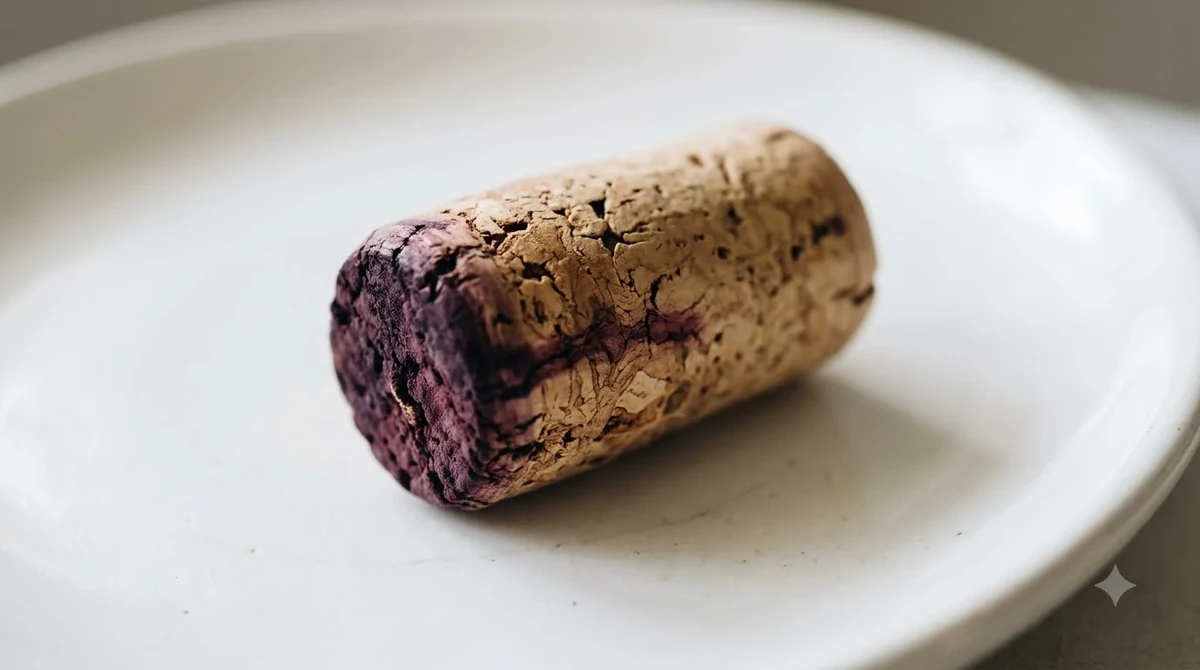
Early maturity is a major practical advantage. Plantgrape’s official variety profile reports maturity about a week and a half before Chasselas, giving the fruit a head start before autumn rain and falling temperatures. This timing helps explain its continued use where a late-ripening red grape may struggle to finish the season.
Winter hardiness does not remove every weather risk. The vine also breaks bud roughly one day before Chasselas, so a warm spell followed by a spring freeze can damage young growth. Growers must consider slope, cold-air drainage, and exposure; a sheltered, well-ventilated site is preferable to a frost pocket at the bottom of a slope.
The vine is vigorous, bears horizontally, and generally calls for long pruning. PIWI Wines’ profile describes good downy-mildew resistance but notes that powdery mildew remains a concern. Broad claims of disease resistance can hide differences between fungal problems, so growers still need canopy management and protection during humid seasons. Cold-tolerance figures vary, but the variety has survived in climates where many Vitis vinifera grapes are difficult to grow; Nova Scotia’s grape guide considers it slightly less winter-hardy than Maréchal Foch.
What Does Leon Millot Wine Taste Like?
Typical Léon Millot wine is deeply colored, light to medium in body, and relatively gentle in tannin, with acidity that can be moderate to high. Its familiar flavor range includes black cherry, blackberry, blueberry, plum, pepper, and earthy or woodsy notes.
Color is often the first clue: the wine can show a deep purple-red hue even when its body is not especially heavy. That combination appeals to drinkers who enjoy dark-fruited reds but prefer less drying grip than Cabernet Sauvignon or a highly extracted Syrah. Amberg Grapevines also describes it as low in tannin, with berry aromas and subtle white pepper.
Fruit character depends on ripeness and cellar handling. Black cherry and blackberry may lead, with blueberry or plum behind them; pepper, chocolate, damp earth, wood, or a rustic barnyard-like impression can add savory detail. A fresh, lightly extracted wine may put bright fruit first, while a more concentrated bottling can emphasize darker fruit and earthy tones.
Acidity is another important part of the profile. PIWI Wines describes the variety’s wines as moderate to high in acidity, with malic acid playing a prominent role, and tannin generally in the low-to-medium range. This makes the wine feel lively beside food, even when the color suggests something much heavier. The grape does not carry the pronounced foxy character associated with some Vitis labrusca hybrids, a distinction that can reassure drinkers who have tried other hybrid reds and disliked that particular aroma. Sweetness is not fixed by the grape name. Nova Scotia’s regional wine guide describes dry, medium-bodied examples with black cherry, berry, and pepper characteristics, but individual producers can make different decisions about fermentation and residual sugar. Most buyers looking for a classic table red should begin with a dry bottling, then use the producer’s description to identify sweeter, rosé, or blended versions.
How Winemaking Changes the Style
Cellar choices can move Léon Millot from a bright, easy-drinking red toward a more structured wine with deeper extraction and oak influence. Skin-contact time, malolactic fermentation, and aging decisions have a particularly visible effect on its color, texture, and savory character.
Shorter skin contact can produce a vivid cherry-red wine with fresh fruit, while longer maceration extracts more color and flavor from the dark berries. A producer aiming for a fuller style may combine extended skin contact with malolactic fermentation and oak maturation, adding volume and a more developed texture without necessarily making the wine highly tannic.
Malolactic fermentation is commonly used because the grape’s acidity can be strongly influenced by malic acid. The process converts sharper malic acid into softer lactic acid, which can round the palate. PIWI Wines notes that this step is usually necessary and that a measured tannin addition during fermentation can improve structure. These are winemaking options rather than instructions that every bottle must follow; the goal is to make the fruit, acidity, and texture work together.
Oak is not a defining requirement. In an unoaked version, the emphasis can stay on fresh berries, pepper, and a clean finish. A restrained oak treatment may bring subtle spice or a smoother impression, while too much new oak can cover the grape’s more distinctive fruit and earthy notes. The wine’s natural color also deserves attention: PIWI Wines reports that high pH can make the purple hue less stable, shifting it toward brick red over time. Léon Millot has also had a practical blending role. In parts of France it earned the nickname le médecin du vin, or “the wine doctor,” because adding some of its deeply pigmented wine could strengthen the color and fruit character of paler red blends. That history helps explain why the grape can be valuable even when it is not the headline variety on a label. A blend may use it for color, aroma, or structure, while a varietal bottling gives drinkers a clearer view of its own character.
Food Pairings and the Best Serving Temperature
Léon Millot’s dark berry fruit, moderate-to-high acidity, and usually low-to-medium tannin make it flexible at the table. Pork, roast turkey, grilled steak, tomato-based dishes, mushrooms, and savory pizza are natural starting points.
For pork, try roast tenderloin, grilled chops, or sausages with herbs. The fruit in the wine complements browned meat, while its acidity helps refresh the palate between bites. Roast turkey is another good match, especially with mushroom stuffing or a pan sauce. For steak, choose a less heavily charred preparation or a cut with enough savory flavor to meet the wine’s dark fruit; a very tannic sauce or heavy sweetness can make the match feel less balanced.
Tomato-based dishes are particularly useful because the grape’s acidity can stand up to the sharpness of tomato. Try it with meatballs in marinara, sausage pizza, baked ziti, or a tomato-rich lentil stew. Mushroom dishes bring out the wine’s earthier side: roasted mushrooms, mushroom burgers, or barley with herbs can make a lighter-bodied version feel complete. The wine’s lower tannin also gives it an advantage over astringent reds with foods that do not have enough fat or protein to soften the tannin.
Keep chili heat in check. Capsaicin can make alcohol and tannin seem more aggressive, so a very spicy dish may overwhelm a dry red even when its tannin is modest. A peppery sausage or mildly spiced tomato sauce is a safer match than a fiery curry. Oily fish is usually a poor match for tannic red wine, and delicate fish is better served by a crisp white or rosé. A large red-wine glass gives Léon Millot room to open, although a standard glass also works; pour about 5 ounces to leave space for swirling.
| Serving situation | Temperature | Practical guide |
|---|---|---|
| Fresh, light-to-medium Léon Millot | 55–60°F | Chill briefly; serve cool, not cold |
| Fuller, more concentrated red | 60–65°F | Allow the wine to warm slightly in the glass |
| Standard serving pour | 5 oz | A 750 ml bottle yields about five glasses |
Tip: Start a typical bottle at 55–60°F. If it seems muted, let it warm in the glass; if alcohol or oak feels too prominent, a little more chill can restore balance.
How to Choose, Store, and Compare Bottles
Start with the producer’s style description, since Léon Millot can appear as a dry varietal red, part of a blend, or an ingredient in rosé. Look for clues about body, sweetness, oak, and whether the wine is intended for early drinking or a little bottle age.
A varietal label is the clearest way to explore the grape on its own, while a blend can show how a winemaker uses its color and fruit alongside other varieties. If the label simply lists a regional cuvée name, read the back label or winery notes for the grape composition. Some regions use hybrid grapes as part of a local identity, so a wine list may group Léon Millot with other cool-climate reds rather than with familiar Bordeaux or Burgundy varieties. A companion overview of the leon millot grape can help separate the vine’s growing traits from the finished wine’s style; the broader Wine by Type reference is useful when comparing red, white, rosé, and sparkling categories.
Compare bottles by the information that affects the glass rather than assuming all wines from the grape taste alike. A fresh, unoaked example suits casual meals, while a fuller wine with longer maceration or oak can stand up to grilled pork, steak, or mushrooms. Léon Millot and Maréchal Foch are related but distinct, and regional conditions can shape the result.
Store an unopened bottle on its side in a cool, dark place near 55°F, away from sunlight and temperature swings. A wine refrigerator is helpful but not essential if the storage area stays stable. Most everyday bottlings are best approached for their fruit and freshness; do not assume every bottle needs years in the cellar. After opening, reseal the bottle and refrigerate it, even if it is red. Most still wines keep for about 3–5 days, although fruit may fade before the wine becomes unpleasant. Bring it back toward serving temperature before pouring. A young, concentrated red may benefit from 30–60 minutes in a decanter; a lighter, fruit-forward bottle generally needs less air.
Frequently Asked Questions
These answers cover a few details that are useful when identifying the grape, shopping for a bottle, or considering the vine for a garden or vineyard.
What variety number is assigned to Léon Millot?
The Vitis International Variety Catalogue lists Léon Millot under variety number 6806. This identifier is useful in grape databases and nursery records, where spellings and synonyms may differ from the name printed on a wine label.
Does Léon Millot have any other names?
Trade and synonym records include Kuhlmann 194-2, Millot, Leon Millot Rouge, and Frühe Schwarze. Two American trade names also appear: Foster’s Leon and Wagner’s Leon. These names may help when researching historical plantings or older nursery catalogues.
Are certified clones of Léon Millot available?
Plantgrape reports that no certified clone is listed in France for this variety. That is a propagation detail rather than a statement about wine quality, but it can matter to growers comparing planting material and seeking uniformity among vines.
Can Léon Millot be used in rosé wine?
Yes. Petite Riviere Vineyards in Nova Scotia makes Lulu Rose from Léon Millot and Cayuga White, showing that the grape can contribute to a rosé blend rather than only a still red. A rosé made this way will have a different weight and serving context from a deeply colored red bottling.
Can Léon Millot grow in a home garden?
The Royal Horticultural Society describes the grape as suitable for outdoor or greenhouse cultivation, with full sun, sheltered exposure, and well-drained soil. Its plant profile gives a potential height of 8–12 meters, so a home grower needs a suitable support structure and room for a vigorous vine.
Léon Millot is most rewarding when approached as a distinctive cool-climate red rather than as a substitute for a famous European variety. Its dark fruit, lively acidity, and manageable tannin make it a natural partner for everyday savory food, while the range of cellar styles gives curious drinkers plenty to compare. Choose a dry bottle to begin, serve it slightly cool, and let the producer’s choices shape your expectations.
More in Wine Types & Grapes
 What Does Mourvèdre Taste Like? Flavor Profile, Regions, and PairingsUpdated Nov 20, 2026
 What Does Marsanne Taste Like? Flavors, Styles, and Food PairingsUpdated Nov 20, 2026
 What Does Malvasia Taste Like? Styles, Flavors, and Food PairingsUpdated Nov 20, 2026
 What Does Grenache Blanc Taste Like? Flavor Profile, Styles, and PairingsUpdated Nov 20, 2026
 What Does Garnacha Taste Like? Key Flavors, Styles, and Pairing TipsUpdated Nov 20, 2026
 What Does Fruit Wine Taste Like? A Complete Flavor and Style BreakdownUpdated Nov 20, 2026