

We may earn a commission when you buy through links on this page, at no extra cost to you. Learn more.
The Leelanau wine festival is a wine-country experience on Michigan’s Leelanau Peninsula, where visitors can explore local wineries, taste cool-climate wines, and attend seasonal wine trail events near Traverse City. The region is particularly known for Riesling, Pinot Noir, Chardonnay, and other varieties shaped by the moderating influence of Lake Michigan. Visitors can plan a self-guided winery trip or attend organized tasting weekends featuring selected wines and food pairings. One of the signature annual celebrations is Toast the Season, held across participating Leelanau Peninsula Wine Trail wineries during the first two weekends of November.
Michigan’s northern wine country offers a distinctive alternative to the better-known wine destinations of California and Oregon. On the Leelanau Peninsula, vineyards follow rolling hills, freshwater coastlines, and rural roads, creating a setting where wine tasting becomes part of a broader regional getaway. Understanding the wine trail, its seasonal events, and its signature grape varieties helps visitors make the most of a trip.
What the Leelanau Wine Festival Experience Includes
The Leelanau wine festival experience centers on the Leelanau Peninsula Wine Trail, a collection of more than 20 wineries and tasting rooms near Traverse City. Rather than a single permanent festival site, visitors encounter wine celebrations, special tasting weekends, and individual winery experiences spread throughout the peninsula.
This distinction matters when planning a visit. The term Leelanau wine festival is often used broadly to describe the region’s wine events and celebrations. The official wine trail organizes seasonal activities that encourage visitors to travel between participating producers, discover different wine styles, and experience local hospitality.
Some events feature coordinated tasting menus, while others allow guests to explore wineries at their own pace. The trail’s calendar includes seasonal celebrations and limited-time tasting opportunities. Visitors can also arrange an independent trip without attending a scheduled event, choosing wineries based on their interests and preferred wine styles.
The experience is different from a conventional festival held in one large outdoor venue. Instead of visiting a single row of temporary tasting booths, guests encounter individual wineries with their own settings, selections, and personalities. Some have expansive vineyard views, while others offer intimate tasting rooms or outdoor seating.
For visitors who want a broader understanding of American wine destinations, exploring Wine Regions provides useful context for comparing Michigan’s cool-climate vineyards with established wine-producing areas elsewhere in the country.
When to Visit and What Happens During Seasonal Events
The Leelanau Peninsula Wine Trail hosts events throughout the year, but autumn is particularly important for its organized tasting experiences. November’s Toast the Season celebration is one of the trail’s signature events, bringing together participating wineries for wine and food pairings over two weekends.
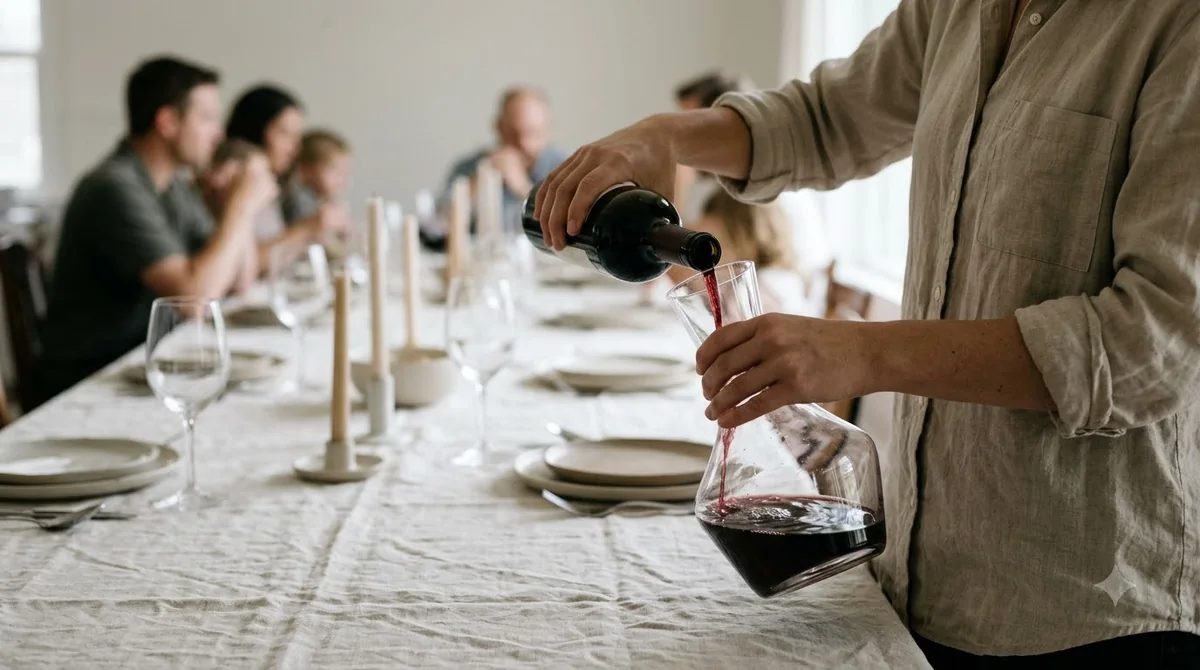
Toast the Season takes place during the first two weekends of November. The official event format includes a two-ounce pour of selected wine and a food pairing at participating wineries, with Cork Cash included in event tickets for redemption at participating locations.
The 2026 event calendar identifies two scheduled weekends:
| Event weekend | Dates | Daily hours | Experience |
|---|---|---|---|
| First weekend | November 6–8, 2026 | 12 p.m.–5 p.m. | Selected wines and food pairings |
| Second weekend | November 13–15, 2026 | 12 p.m.–5 p.m. | Selected wines and food pairings |
These dates provide a useful example of how the event works, although visitors planning future trips should consult the current official calendar for confirmed dates and participating wineries. The schedule is designed to give guests several days to explore, rather than requiring everyone to visit every winery on a single afternoon.
Autumn also offers an appealing setting for a wine-country trip. The landscape transitions into fall colors, temperatures become cooler, and the season provides a natural backdrop for richer red wines and hearty food pairings. November visits require some preparation for changing weather, particularly if the itinerary includes time outdoors.
Other seasonal trail activities offer different ways to experience the region. The official calendar has featured October’s Hunt for the Reds of October, a month-long experience focused on red wines at participating wineries. Visitors interested in red varieties can use this type of event to compare different producers without having to attend a single large gathering.
For the most accurate schedule, consult the official Toast the Season event information. It provides details about the event format, participating wineries, featured wines, food pairings, and ticket information.
Why the Leelanau Peninsula Produces Distinctive Wines
The Leelanau Peninsula’s wine character begins with its geography. Located between Lake Michigan and Grand Traverse Bay in northwestern Michigan, the region benefits from freshwater influences that moderate vineyard temperatures and support the cultivation of cool-climate grape varieties.
The peninsula occupies a northern growing region where seasonal temperature changes can make grape growing challenging. Large bodies of water help reduce temperature extremes, particularly around the vineyards closest to the shoreline. This moderating influence can extend the growing season and help vines reach suitable ripeness in a relatively cool environment.
Soil also plays an important role. Well-drained sandy loams and glacial deposits are characteristic of the region’s vineyard landscape. Good drainage helps prevent excessive water retention around vine roots, while the varied terrain creates differences between individual vineyard sites.
The Leelanau Peninsula became Michigan’s second federally recognized American Viticultural Area in 1982. An AVA identifies a geographically defined wine-growing region with distinguishing characteristics. It does not guarantee that every wine tastes alike, but it gives consumers a useful indication of where the grapes originate.
Michigan’s northern wine country includes the neighboring Old Mission Peninsula AVA, and together these two regions account for approximately 55% of the state’s wine production, according to Pure Michigan. Their proximity makes northern Michigan particularly interesting for travelers who want to explore multiple wine-growing areas during one vacation.
The Leelanau Peninsula also sits at approximately the same latitude as several recognized cool-climate wine regions, including Bordeaux, the northern Rhône, and Oregon’s Willamette Valley. Latitude alone does not determine wine quality or style, but it helps explain why grape varieties associated with cooler growing conditions perform well here.
For visitors, these geographical details translate into a practical tasting advantage. A Riesling from Leelanau may show lively acidity, while Pinot Noir can offer fresh fruit character rather than the heavier profile associated with warmer growing environments. Comparing wines from different wineries provides a clearer sense of how local vineyard conditions influence the finished bottle.
Signature Grape Varieties and Wines to Taste
Leelanau Peninsula wineries produce a broad selection of whites, reds, rosés, sparkling wines, and fruit-based specialties. Riesling is one of the region’s most recognizable varieties, but Pinot Noir, Chardonnay, Pinot Gris, Cabernet Franc, and Pinot Blanc also deserve attention.
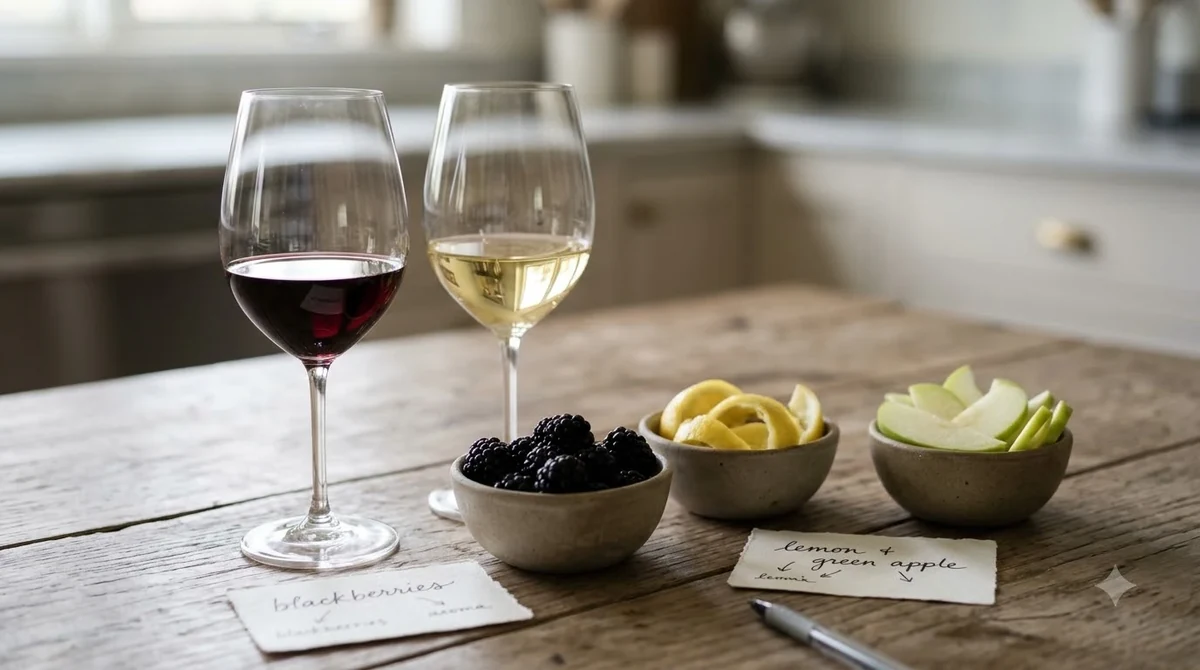
Riesling is a particularly useful starting point for visitors. The grape can produce dry, off-dry, and sweet wines, and its naturally high acidity helps preserve freshness. A dry Riesling can show citrus, green apple, and mineral notes, while a sweeter example may offer ripe peach and floral aromas.
Chardonnay provides another interesting comparison. Depending on growing conditions and winemaking choices, it can range from fresh and citrus-driven to richer and creamier. Unoaked Chardonnay generally emphasizes fruit and acidity, while oak aging can contribute texture, spice, and more pronounced richness.
Pinot Noir is worth exploring for visitors who prefer lighter-bodied red wines. Its relatively moderate tannin and naturally bright acidity can make it suitable for poultry, mushrooms, salmon, and other dishes that do not require a powerful red wine. Cabernet Franc offers another red option, often showing red fruit, herbal notes, and more noticeable structure.
Pinot Gris and Pinot Blanc expand the white-wine selection. Pinot Gris can offer pear, apple, and citrus flavors, while Pinot Blanc is often appreciated for its balanced, approachable character. These wines are particularly useful when comparing the range of white-wine styles produced in a cool-climate region.
Visitors should also pay attention to sparkling wines and local fruit-based specialties. Michigan has a long agricultural tradition, and some regional producers incorporate local fruit into distinctive wine offerings. These bottles provide a different perspective on the area’s wine culture beyond traditional grape varieties.
| Wine variety | Typical character | Food pairing |
|---|---|---|
| Riesling | High acidity, citrus, apple, peach | Whitefish, spicy Asian dishes, seafood |
| Chardonnay | Medium acidity, apple, citrus, possible oak | Roast chicken, creamy pasta, scallops |
| Pinot Noir | Low-to-medium tannin, red fruit, bright acidity | Duck, salmon, mushrooms |
| Cabernet Franc | Red fruit, herbal notes, moderate structure | Roast pork, grilled vegetables, aged cheese |
| Pinot Gris | Fresh pear, apple, citrus | Whitefish, salads, light poultry |
| Pinot Blanc | Fresh fruit, moderate body, balanced acidity | Shellfish, soft cheese, grilled chicken |
| Merlot | Medium tannin, softer red fruit character | Roast beef, burgers, braised pork |
One productive approach is to taste the same broad category from two or three different producers. Comparing a dry Riesling with an off-dry Riesling, for example, demonstrates how residual sugar changes the perception of acidity and fruit. Similarly, tasting Pinot Noir beside Cabernet Franc illustrates differences in tannin, body, and structure.
Visitors should avoid assuming that every winery specializes in the same varieties. Individual producers have different vineyard sites, grape selections, and winemaking approaches. Asking tasting-room staff which wines best represent their vineyards is often the easiest way to discover something distinctive.
Wineries to Include on a Leelanau Wine Trail Visit
The official Leelanau Peninsula Wine Trail directory lists more than 20 winery destinations, giving visitors a substantial selection for building a tasting itinerary. Each winery offers a different atmosphere and range of wines, so choosing stops based on individual interests is more rewarding than trying to visit as many locations as possible.
45 North Vineyard & Winery is a recognizable destination in the region. Pure Michigan reports that the winery has 10 grape varieties planted across 35 acres and offers a three-mile vineyard trail. Its location and vineyard-focused experience make it an appealing option for visitors interested in seeing more than the tasting counter.
Black Star Farms is another name worth recognizing when reviewing the regional winery directory. It is among the producers associated with the peninsula’s diverse wine offerings. The trail’s event listings have featured its Arcturos Unoaked Cabernet Franc, paired with pork belly and pumpkin mac and cheese.
Good Harbor Vineyards is another producer featured in the wine trail’s events. Its listed Toast the Season pairing has included a choice between Harbor Red and Late Harvest Riesling, served with a sea-salt caramel pretzel-topped brownie. This combination demonstrates how the event introduces visitors to different wine styles alongside complementary food.
Other destinations listed by the trail include:
- Bel Lago Vineyard & Winery: A producer featured in seasonal tasting events, including a cherry wine and shortbread cookie pairing.
- Boathouse Vineyards: A winery whose event selection has included Pinot Noir paired with local dark chocolate-covered cherries.
- Laurentide Winery: A cool-climate wine producer in the Lake Leelanau area, with an emphasis on locally grown grape varieties.
- Verterra Winery: A trail participant whose featured event wines have included unoaked Chardonnay and white blends.
- Shady Lane Cellars: A winery that has featured sparkling Riesling in its seasonal event selection.
- French Valley Vineyard: A producer whose featured event pairing has included sparkling wine with warm Brie, fig, and date tartlets.
These examples illustrate the variety available across the trail. Some stops are particularly appealing to visitors who prefer sparkling wine, while others offer opportunities to compare red wines, dessert-style selections, or locally inspired pairings.
The Leelanau Peninsula Wine Trail winery directory is a useful starting point for checking participating destinations and discovering individual tasting-room experiences. It is better to select a few complementary wineries than to plan an overly ambitious route that leaves little time to appreciate each visit.
How to Plan a Winery Route and Make the Most of Your Visit
A successful Leelanau wine trip begins with a realistic schedule. The peninsula has more than 20 wine trail destinations, but visiting every winery in one day is neither necessary nor practical. A shorter route allows enough time to taste carefully, enjoy the scenery, and have conversations with tasting-room staff.
For a first visit, three wineries make a sensible starting point for a full day. This leaves room for a meal, travel between stops, and time to explore the surrounding communities. Visitors attending a coordinated event should use its designated winery list to choose a route that fits the available hours.
Choose a geographic route
The official wine trail provides mapping and trip-planning resources that help visitors organize their stops. Rather than moving randomly across the peninsula, group wineries according to their location and plan a logical sequence.
Traverse City is a convenient reference point for many visitors. From there, travelers can explore wineries throughout the peninsula and combine tastings with visits to local communities, lakeside viewpoints, and scenic roads. The route should account for driving time, especially during busy weekends.
Build a manageable tasting schedule
A useful itinerary might include one late-morning tasting, a lunch break, and two afternoon winery visits. During an event such as Toast the Season, visitors should allow additional time for the featured food pairings and any special activities at participating wineries.
Individual tasting-room hours can vary, particularly during shoulder seasons and winter. Confirming operating schedules before departure helps avoid unnecessary detours. Some wineries may also have different arrangements for larger groups or special event weekends.
Plan transportation before tasting
Transportation deserves as much attention as winery selection. A designated driver, hired transportation service, or organized wine tour allows everyone else to enjoy the tasting experience without driving after drinking.
Visitors should not assume that short distances between wineries make driving after tastings acceptable. Alcohol consumption can affect judgment even when individual pours appear small. Planning transportation in advance is the simplest way to keep a winery outing organized and responsible.
Tip: Choose three wineries in one geographic area, schedule lunch between the second and third stops, and arrange a designated driver before the first tasting. Keep the official trail map available so you can adjust your route if a tasting room is unexpectedly busy.
For travelers interested in other regional celebrations, comparing the Leelanau experience with an livermore wine festival can also help clarify how wine events differ in format, regional identity, and the varieties they showcase.
Food Pairings, Tasting Etiquette, and What to Bring
Food is an important part of the Leelanau wine experience, particularly during organized events that combine selected wines with small dishes. The region’s cool-climate whites, lighter reds, and sparkling selections provide plenty of opportunities to explore classic food-pairing principles.
Riesling works particularly well with seafood, whitefish, and dishes that include moderate spice. Its high acidity helps refresh the palate, while a slightly sweet version can complement spicy food. However, very hot chili dishes can make alcoholic wines seem hotter, so lighter-bodied selections are often more comfortable with strongly spiced meals.
Pinot Noir is a flexible choice for poultry, mushrooms, and salmon. Its relatively modest tannin makes it more compatible with oily fish than strongly tannic reds such as Cabernet Sauvignon. Cabernet Franc and Merlot can work with pork, grilled vegetables, and meat dishes, especially when the food contains enough richness to balance the wine’s structure.
Cheese and dessert pairings require a little more attention. Salt and fat can soften the perception of tannin, making some red wines more approachable with aged cheeses. Sweet wines should generally be at least as sweet as the dessert served alongside them; otherwise, the wine can taste unusually sharp or thin.
The Toast the Season event provides useful examples of these combinations. Featured pairings have included sparkling wine with shrimp and herb dip, Pinot Noir with chocolate-covered cherries, and Late Harvest Riesling with a brownie. These combinations demonstrate how acidity, sweetness, texture, and fruit flavors can work together.
Basic tasting etiquette
Visitors do not need extensive wine knowledge to enjoy a tasting. A few simple habits make the experience more comfortable for guests and staff.
- Arrive at the scheduled starting location if your event ticket specifies one.
- Allow other guests room at the tasting counter, particularly during busy weekends.
- Ask questions about grape varieties, vineyard locations, and winemaking methods.
- Take small sips and allow time to appreciate each wine’s aroma and flavor.
- Use a spit cup when appropriate rather than feeling obligated to finish every sample.
- Drink water and take breaks between tasting rooms.
- Respect the tasting-room staff’s instructions and event procedures.
For Toast the Season, visitors should also remember that ticketed tastings do not automatically include gratuity. The wine trail specifically encourages guests to consider tipping their tasting-room hosts in appreciation of their service.
What to bring
Comfortable walking shoes are useful because some properties include outdoor spaces, vineyard paths, or uneven ground. A light jacket is sensible for autumn visits, when temperatures can change noticeably between indoor tasting rooms and outdoor vineyard areas.
Bring a phone with the winery map and event details available, along with a valid form of identification for age verification. A small notebook can also help record favorite wines, grape varieties, and producers. These details become especially useful when comparing several Rieslings or Pinot Noirs during the same trip.
Frequently Asked Questions
Is the Leelanau Wine Festival held in one central location?
The Leelanau wine experience is generally distributed across individual wineries rather than concentrated at one permanent festival venue. The official wine trail coordinates seasonal events at participating tasting rooms. Some special activities may have designated starting locations for ticket collection.
Is the Leelanau Peninsula the same wine region as Old Mission Peninsula?
No. They are separate American Viticultural Areas in northern Michigan, although both are close to Traverse City. Their neighboring locations make it possible to explore both wine regions during a longer northern Michigan vacation.
Can visitors purchase wine directly from participating wineries?
Many winery tasting rooms offer bottles for purchase, allowing visitors to take home wines discovered during their trip. Availability depends on each producer’s selection and inventory. Some wineries also provide online purchasing information through their individual websites.
Are there non-grape fruit wines in the Leelanau area?
Yes. Northern Michigan has a strong agricultural tradition that includes cherries and other fruits, and some regional producers make fruit-based wines alongside traditional grape wines. Cherry wine is one example featured in the Leelanau Peninsula Wine Trail’s seasonal event selections.
What does an AVA designation tell wine buyers?
An American Viticultural Area is a federally recognized grape-growing region with defined geographical boundaries and distinguishing characteristics. Under US wine-labeling rules, a wine labeled with an AVA generally must contain at least 85% grapes grown within that designated area. The designation identifies geographical origin rather than guaranteeing a particular quality level or flavor profile.
The Leelanau wine festival experience is an excellent introduction to Michigan’s cool-climate wine culture, combining distinctive grape varieties, welcoming tasting rooms, and scenic vineyard landscapes. Whether attending November’s Toast the Season or planning an independent winery trip, visitors can discover the region most effectively by choosing a manageable route and taking time to appreciate each producer. For wine enthusiasts seeking a different American wine destination, the Leelanau Peninsula offers a memorable combination of regional character, local food, and freshwater scenery.
More in Wine Regions
 Willcox Wine Trail: Discover Arizona’s High-Elevation Wine CountryUpdated Nov 20, 2026
 Yakima Valley Wine Region: Find the Best Styles to TryUpdated Nov 20, 2026
 Vosne Romanee Wine Tasting: Identify Aromas and Choose Better PairingsUpdated Nov 20, 2026
 Yakima Valley Wine Festival: Find the Best Seasonal Wine EventsUpdated Nov 20, 2026
 Wales Vineyards: Discover Cool-Climate Wines and Where to VisitUpdated Nov 20, 2026
 Yountville Wine Festival: Discover Napa Wines and Local FoodUpdated Nov 20, 2026