


We may earn a commission when you buy through links on this page, at no extra cost to you. Learn more.
Le Creuset red wine glasses are a worthwhile choice for wine drinkers who want generous Burgundy-style bowls, fine rims and an elegant four-piece set for everyday dinners and special occasions. Their large capacity makes them particularly suitable for aromatic reds such as Pinot Noir, while the lead-free machine-blown glass and five-year manufacturer warranty add practical appeal. However, their substantial size and delicate-looking profile may not suit everyone, especially buyers who prefer compact, highly specialized Bordeaux glasses.
Le Creuset is widely associated with cookware, but its glassware range offers another way to bring the brand’s recognizable styling to the dining table. Its red wine glass collection emphasizes generous proportions, clear glass and a thin drinking rim rather than elaborate decoration. The result is a traditional stemmed design that gives aromatic wines room to develop while presenting an attractive setting for dinner parties. This review examines the manufacturer’s specifications, available owner feedback, practical limitations and the kinds of wine drinkers most likely to appreciate the design.
Specs and Key Features
Le Creuset’s red wine glass offering is a large-bowled, stemmed design sold as a set of four. Its generous capacity, lead-free construction and relatively tall profile make it a particularly interesting option for people who enjoy aromatic red wines and want glassware that looks appropriate for entertaining.

The US product listing identifies the relevant four-piece product as Burgundy Wine Glasses. Each glass holds 23 1/2 fluid ounces, measures 9 3/4 inches tall and has a mouth diameter of 3 1/3 inches. These measurements describe a substantial wine glass rather than a compact everyday tumbler. The wide bowl gives the wine room to move during swirling, while the relatively narrow drinking rim helps direct the aromas toward the nose.
| Specification | Le Creuset Burgundy Wine Glasses |
|---|---|
| Set size | 4 glasses |
| Capacity per glass | 23 1/2 fl oz |
| Height | 9 3/4 inches |
| Opening diameter | 3 1/3 inches |
| Material | Premium lead-free glass |
| Manufacturing method | Machine-blown |
| Country of origin | Germany |
| Cleaning | Top-rack dishwasher-safe; hand washing recommended |
| Warranty | 5 years |
These specifications come from Le Creuset’s US product listing. The brand’s UK product page describes its related red wine glass set as a 700 ml balloon-shaped chalice, with dimensions of 24.5 cm in height and 11.6 cm in width. The US capacity of 23 1/2 fluid ounces is approximately 695 ml, making the regional capacity descriptions broadly consistent.
Material selection is another important feature. Le Creuset specifies premium lead-free, machine-blown glass, with a steady base intended to improve stability. The manufacturer also describes the glass as durable enough for regular use while retaining an elegant appearance. Machine-blown construction does not make a wine glass unbreakable, but it provides a practical alternative to treating every thin-rimmed glass as an exclusively occasional-use item.
The five-year warranty is a useful consideration for anyone buying a complete set. It provides a defined manufacturer warranty period rather than leaving buyers with no stated coverage. Buyers should still review the applicable regional warranty terms, since coverage conditions can differ between markets.
One particularly appealing feature is the thin rim. A thick rim can make a drinking glass feel less refined, while a fine rim generally gives the wine a more direct transition from glass to mouth. The combination of a fine rim and large bowl gives this Le Creuset design its principal appeal: it looks sophisticated without relying on complicated shapes or decorative details.
What Owners Like
The available owner feedback points toward three main strengths: attractive presentation, a generous bowl and a balance between refined appearance and practical handling. The review sample is small, so it should be treated as an indication of individual experiences rather than proof that every buyer will have the same opinion.
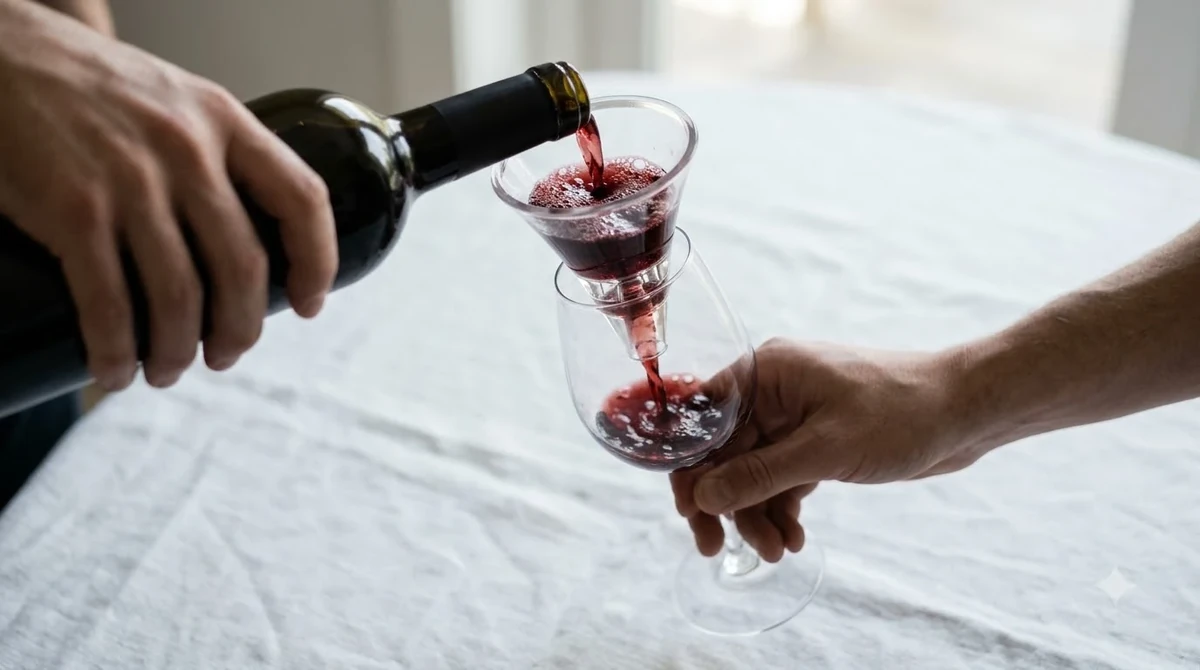
On Yuppiechef, one verified owner describes the glasses as elegant and refined, highlighting the fine rim and the feeling that the product is not excessively fragile or intimidating to handle. This is an important distinction for buyers who enjoy thin-rimmed glassware but do not want something that feels unsuitable for regular dinner service. The Le Creuset red wine glass listing and owner reviews provide additional detail about the product’s construction and customer experiences.
Another owner specifically appreciates the branding on the base and the large bowl. The latter is particularly relevant because the shape is not simply decorative. A large bowl gives aromatic red wine more room to interact with air and provides space for swirling without immediately bringing the liquid to the rim.
The overall presentation is also a strength. The clear glass allows the color of the wine to remain the main visual feature, while the stem creates a traditional dining-table silhouette. There are no complicated colors or patterns that might clash with different dinnerware collections. This makes the set relatively easy to incorporate into both formal and casual table settings.
The four-piece format is practical for smaller households and intimate entertaining. A set of four is sufficient for a couple hosting another couple, and it avoids requiring storage space for a larger collection. Buyers who regularly host six or eight guests, however, may need multiple sets or additional glasses.
Another positive is versatility across different aromatic red varieties. Although the product is marketed for red wine, its large bowl can also accommodate some full-bodied white wines. This is useful for people who enjoy Chardonnay with a richer texture or other whites that benefit from additional room for aromas to develop.
The German manufacturing origin is another reassuring specification for shoppers who pay attention to where their glassware is made. It does not independently guarantee superior performance, but it provides a clear point of comparison when considering other machine-blown glassware collections.
The strongest takeaway from the limited owner feedback is that these glasses combine a refined visual appearance with a more approachable feel than their delicate appearance might suggest. That is a positive combination for people who want attractive glassware without reserving it exclusively for celebrations.
Common Complaints and Potential Drawbacks
The main potential disadvantages are the generous dimensions, the need for careful handling and the limited amount of independent owner feedback. These are considerations rather than established product defects, but they matter when deciding whether this particular design suits a household’s routine.
First, the capacity is large. At 23 1/2 fluid ounces, each glass has significantly more room than a compact wine glass. This does not mean that it should be filled to capacity. A typical wine pour is approximately 5 ounces, leaving substantial room above the wine for swirling and collecting aromas.
For someone accustomed to smaller glasses, the proportions can initially feel excessive. Large bowls also require more cupboard space and can be less convenient when arranging several glasses on a crowded dining table. Buyers with limited cabinet clearance should consider the listed 9 3/4-inch height before purchasing.
The wide bowl is another consideration. It benefits aromatic red wines, but it does not automatically make this glass the ideal choice for every red grape. A Bordeaux-style glass, for example, is a more conventional match for powerful Cabernet Sauvignon and other full-bodied reds. The Le Creuset Burgundy shape places more emphasis on aromatic development and a broad bowl than on the taller, more elongated profile associated with many Bordeaux glasses.
Care also deserves attention. Le Creuset says the glasses are top-rack dishwasher-safe, but recommends hand washing. That recommendation is sensible for a large glass with a fine rim and tall stem. Dishwasher racks can create contact points between glassware, and movement during a wash cycle can increase the possibility of chips or breakage.
The available owner reviews do not establish a widespread durability problem. However, two positive reviews are not enough to determine how the glasses perform after years of frequent washing, repeated entertaining or accidental knocks. Buyers should distinguish between a manufacturer’s durability claims and long-term independent evidence.
Another possible drawback is the four-glass pack size. A household that frequently entertains larger groups may prefer a six-piece or eight-piece collection. Purchasing two four-piece sets solves that issue but requires additional storage and increases the number of glasses that need cleaning.
Finally, the Le Creuset name may be an important part of the buying decision. Someone primarily interested in inexpensive functional glassware may find that other brands offer more specialized shapes or different set configurations. The strongest reason to consider this collection is its combination of generous proportions, refined styling and brand presentation, not the assumption that a recognizable name automatically makes it the right glass for every wine.
Who Should Buy and Who Should Skip
These Le Creuset glasses are best suited to drinkers who regularly serve aromatic reds, appreciate traditional stemmed glassware and want a coordinated set of four. They are less compelling for people who prioritize compact storage, specialized Cabernet glass shapes or the lowest possible replacement cost.
Buy them if you enjoy Pinot Noir
Pinot Noir is one of the strongest reasons to consider a Burgundy-style glass. Its aromatic profile can include red cherry, raspberry, cranberry, floral notes and earthy characteristics, depending on the region and producer. A wide bowl provides room for swirling and allows the wine’s aromas to gather above the liquid.
The same general shape can suit delicate reds from Burgundy and other regions. It can also work with varieties such as Gamay and some lighter expressions of Nebbiolo. The glass is especially attractive for drinkers who prefer aromatic detail over a narrowly focused, varietal-specific drinking vessel.
Buy them if presentation matters
The thin rim, clear glass and traditional stemmed silhouette make the collection appropriate for formal dinners and casual entertaining. Four matching glasses create a consistent appearance around a dining table, and the generous bowl gives even a simple weeknight bottle a more considered presentation.
They are also worth considering as a gift for someone who already owns Le Creuset cookware or accessories. Matching the brand across different parts of a kitchen and dining collection can make a gift feel coordinated without requiring a particular color or cookware style.
Skip them if you mainly drink Cabernet Sauvignon
People who primarily drink Cabernet Sauvignon, Syrah or other powerful reds may prefer a Bordeaux-style glass. These wines generally benefit from a glass with a large but more elongated bowl and a relatively controlled opening. The shape helps balance aromatic concentration and the perception of alcohol and tannin.
A Burgundy-style bowl can still serve Cabernet Sauvignon, but it is not necessarily the most targeted design for someone who drinks full-bodied, high-tannin wines almost exclusively.
Skip them if storage space is limited
The 9 3/4-inch height makes these glasses relatively tall. Their broad bowls also need enough room to avoid touching neighboring glasses. If a kitchen has shallow cupboards, narrow shelves or a crowded dishwasher, a smaller glass may be more convenient.
People who prefer stemless glassware should also look elsewhere. Stemmed designs are traditional and elegant, but they need more careful storage and handling. A stemless option may be easier to fit into everyday routines, especially in smaller kitchens or outdoor dining areas.
Tip: Before choosing a set, measure the vertical clearance of your glassware cabinet and the usable height of your dishwasher’s upper rack. A glass that measures nearly 10 inches tall can be inconvenient if it has to be stored at an angle or placed too close to other dishes.
How It Compares to Alternatives
The Le Creuset Burgundy Wine Glass is best compared with other large-bowled red wine glasses rather than treated as a universal replacement for every type of stemware. Its main distinction is the combination of a generous bowl, fine rim and four-piece set, while other designs may place greater emphasis on lightweight construction, a different silhouette or a particular grape variety.
Wine Enthusiast distinguishes between Bordeaux, medium-bodied and Burgundy-style red wine glasses. Bordeaux designs generally suit full-bodied wines such as Cabernet Sauvignon, while Burgundy glasses are particularly appropriate for lighter, more delicate reds. This distinction helps explain where the Le Creuset design fits within a broader glassware collection.
For readers comparing several options, a broader selection of red wine glasses can help identify differences in bowl proportions, rim design and set size. A buyer who wants one general-purpose glass for several wine styles should also consider the options covered in our wine glasses selection.
Le Creuset versus a Bordeaux-style glass
The most meaningful comparison is between the wide Le Creuset Burgundy design and a taller Bordeaux-style glass. Both offer enough room for swirling, but their proportions encourage slightly different wine experiences.
The Burgundy shape is especially appealing for Pinot Noir because its wide bowl provides substantial aromatic space. A Bordeaux glass is generally taller and more elongated, making it a more conventional match for Cabernet Sauvignon and other full-bodied reds. If a collection will serve both styles regularly, owning both shapes can be more useful than expecting one large bowl to perform equally well for every bottle.
Le Creuset versus Spiegelau Lifestyle
Yuppiechef lists the Spiegelau Lifestyle Red Wine Glasses as an alternative in the same broad category. This makes the collection a useful comparison point for shoppers interested in a different brand and presentation.
The choice should come down to the actual bowl dimensions, rim shape, stem construction and pack size of the particular Spiegelau set being considered. A brand name alone does not establish that one glass is more durable or better suited to a particular grape. Compare the specifications of the exact versions available before making a decision.
Le Creuset versus Nachtmann Vinova
Nachtmann Vinova is another alternative identified on Yuppiechef. It gives shoppers another lead-free glassware collection to investigate when comparing large-bowled red wine glasses.
For buyers deciding between these collections, the useful questions are whether the bowl provides enough space for swirling, whether the rim feels appropriately fine, and whether the glass is comfortable to hold and store. The Le Creuset set has clearly stated US specifications and a five-year warranty, which are useful reference points when comparing competing products.
Le Creuset versus stemless glasses
Stemless glasses provide a different approach to everyday wine service. They generally require less vertical storage space and can be easier to use outdoors or in casual settings. However, holding the bowl directly transfers more warmth from the hand to the wine.
For people who prefer the traditional appearance of stemmed glassware, Le Creuset has the advantage of keeping the hand away from the wine bowl. Those who value convenience and reduced stem breakage may prefer a stemless collection. Our stemless wine glasses guide offers another starting point for that comparison.
Overall, Le Creuset is most attractive to someone who specifically wants a generous Burgundy-style glass with a recognizable design and clearly stated manufacturer specifications. It is not automatically the better choice than every alternative, but it offers a well-defined combination of features that makes it easy to evaluate.
Cleaning, Handling and Everyday Use
Proper handling helps preserve the appearance and usefulness of large wine glasses. Although Le Creuset describes its machine-blown glass as durable, thin rims and tall stems still need sensible care, particularly when the glasses are used frequently.
Hand washing is the safest default because it allows each glass to be cleaned individually without contact from plates, cookware or other stemware. Use lukewarm water, a small amount of mild dish soap and a soft sponge. Avoid abrasive cleaning pads, which can scratch the glass or leave it looking cloudy over time.
When washing the glass, support the bowl rather than twisting the stem against the base. Applying pressure to the bowl and stem in opposite directions is a common way to create stress at the narrowest point of the glass. Rinse carefully and use a clean, lint-free cloth if polishing is needed.
The manufacturer permits top-rack dishwasher cleaning, so occasional machine washing is an option. However, leave sufficient space between the glasses and avoid placing them where they can touch other dishes during the cycle. A secure rack position is especially important for a glass with a height approaching 10 inches.
Drying deserves the same attention as washing. Allow the glasses to drain before polishing, and avoid gripping a wet bowl tightly while twisting the stem. Store them where the rims will not collide with cabinet doors or neighboring glasses. If stacking or storing upside down, make sure the rims are not resting on a hard surface that could create chips.
For actual wine service, the large capacity should not encourage oversized pours. A standard 5-ounce serving leaves plenty of headspace for aromas and swirling. A 750 ml bottle provides approximately five standard 5-ounce glasses, making a four-piece set a convenient choice for a small dinner with some wine remaining for the host.
Temperature also affects the experience. Light reds such as Pinot Noir are generally best served around 55 to 60 degrees Fahrenheit, while fuller reds are generally served around 60 to 65 degrees Fahrenheit. Serving every red at warm room temperature can make alcohol seem more prominent and reduce the impression of freshness.
For a collection of four glasses, a little organization makes a difference. Keep the glasses together in a dedicated cabinet area, avoid placing heavy items above them and inspect the rims periodically for small chips. A chipped rim is a good reason to stop using that particular glass for drinking.
These habits are straightforward, but they help protect the features that make the Le Creuset collection appealing in the first place: its clear glass, thin rim and elegant stemmed profile.
Frequently Asked Questions
Are Le Creuset red wine glasses made in Germany?
Yes. Le Creuset’s US and UK product listings identify Germany as the country of manufacture for the relevant red wine glass collections. The regional product codes differ, so buyers should compare the specific product listing when purchasing internationally.
Can Le Creuset red wine glasses be used for cocktails?
Yes. Their large bowls can accommodate cocktails that benefit from a stemmed presentation, including some spritz-style drinks and spirit-forward cocktails served without ice. However, their broad shape is not designed to replace dedicated martini, coupe or highball glassware.
Are Le Creuset red wine glasses suitable for white Burgundy?
They can work well with fuller-bodied Chardonnay, including white Burgundy styles. The generous bowl provides space for aromas to develop, although a smaller white wine glass may be more convenient for preserving serving temperature during a longer meal.
Can the glasses be used for sparkling wine?
They can physically hold sparkling wine, but their broad bowls are not designed to preserve bubbles as effectively as dedicated sparkling wine glasses. A sparkling wine glass with a more controlled shape is generally preferable when retaining visible carbonation is a priority.
What does lead-free glass mean for wine glassware?
Lead-free means that lead is not intentionally used as an ingredient in the glass formulation. Le Creuset identifies the US Burgundy Wine Glasses as premium lead-free glass, making this a clearly stated material characteristic for buyers comparing different glassware collections.
Le Creuset’s red wine glasses make the most sense for people who appreciate large Burgundy-style bowls, refined rims and traditional stemmed presentation. Their four-piece format, German manufacturing origin and five-year warranty make them a considered option for regular wine service as well as entertaining. If Pinot Noir and other aromatic reds are frequent choices, this collection deserves a place on your shortlist; buyers who mainly drink Cabernet Sauvignon or need compact glassware should compare alternative shapes before deciding.
More in Wine Glasses
 Zwiesel Glas Champagne Flutes for Durable Everyday Sparkling WineUpdated Nov 20, 2026
 Vera Wang Crystal Wine Glasses: Design, Quality and Buying AdviceUpdated Nov 20, 2026
 West Elm White Wine Glasses: Compare Designs for Better Everyday Wine ServiceUpdated Nov 20, 2026
 Zalto Stemless Wine Glasses: Discover Their Distinctive DesignsUpdated Nov 20, 2026
 Viski Champagne Glasses That Match Your Style and Sparkling WineUpdated Nov 20, 2026
 Vista Alegre Decanter Review: Crystal Style and Wine ServiceUpdated Nov 20, 2026