

We may earn a commission when you buy through links on this page, at no extra cost to you. Learn more.
Langhe vineyards are located in southern Piedmont, northwestern Italy, where distinctive hillside soils, varied microclimates, and native grape varieties produce celebrated wines such as Barolo, Barbaresco, and Dolcetto. This historic wine-growing landscape is particularly famous for Nebbiolo, the grape behind two of Italy’s most prestigious red wines. Exploring the area reveals how elevation, geological differences, vineyard orientation, and traditional winemaking contribute to the character of individual bottles.
Stretching across the hills of the province of Cuneo and neighboring wine-growing districts, the Langhe offers a remarkable combination of agricultural heritage, dramatic scenery, and regional food culture. Its vineyards surround historic villages, medieval castles, and family-run wineries. Although Barolo and Barbaresco attract international attention, the wider region produces a much broader selection of wines, including Barbera, Dolcetto, Freisa, Favorita, and Chardonnay. Understanding the landscape makes it easier to appreciate the differences between its denominations and discover why this corner of Piedmont deserves attention from wine enthusiasts.
Where the Langhe Vineyards Are Located in Piedmont
The Langhe vineyards occupy the rolling hills of southern Piedmont, primarily within the province of Cuneo. Their most recognizable wine-growing communities include Barolo, La Morra, Monforte d’Alba, Serralunga d’Alba, Barbaresco, and Neive. Each village has its own vineyard landscape, local traditions, and relationship with the surrounding agricultural environment.
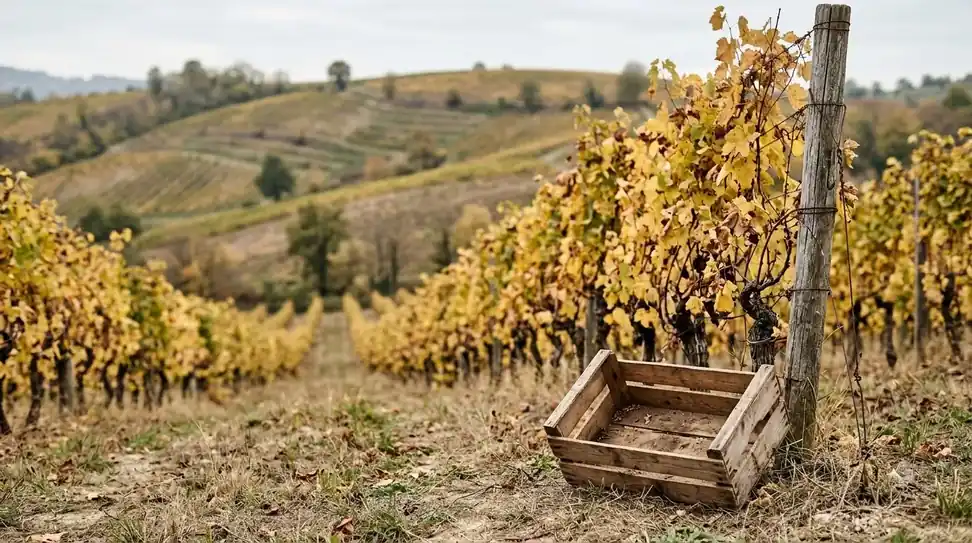
The Langhe forms part of a larger Piedmont wine landscape that also includes Roero and Monferrato. The Tanaro River helps distinguish the Langhe from the Roero, while the surrounding hills extend toward the higher elevations near the Ligurian Apennines. This geographical arrangement creates a succession of slopes, valleys, and ridgelines rather than one continuous vineyard plain.
The area is internationally recognized for its cultural and agricultural significance. The UNESCO-listed Vineyard Landscape of Piedmont: Langhe-Roero and Monferrato was inscribed in 2014 under criteria recognizing its historical traditions and relationship between people and the natural environment. The designated property covers approximately 10,789 hectares, with a buffer zone of 76,249 hectares, according to the Italian UNESCO cultural heritage authority.
UNESCO recognition reflects more than the production of prestigious wine. The landscape includes historic villages, castles, farms, Romanesque churches, traditional agricultural buildings, and wine cellars. These structures demonstrate how viticulture influenced settlement patterns, local architecture, and economic development over generations. The UNESCO description of the Piedmont vineyard landscape provides additional historical context for understanding this relationship.
For visitors, Alba is a practical starting point for exploring the surrounding wine villages. From there, travelers can organize visits to Barolo, La Morra, and Monforte d’Alba before continuing toward Barbaresco and Neive. The short distances between many communities make it possible to compare several vineyard environments during a single trip.
Travelers researching other distinctive wine-growing destinations can also explore Tasmania vineyards or Uruguay vineyards. These regions provide useful comparisons with Piedmont in terms of climate, geography, and the influence of local growing conditions on wine styles.
Climate, Elevation, and Vineyard Exposure
The climate of the Langhe is cold subcontinental temperate, moderated by the protection of the Alps and the influence of milder, humid air from the Ligurian Sea. Differences in altitude, valley shape, wind exposure, and slope orientation create distinct growing conditions even between nearby vineyard sites.
The Alpine chain protects much of the territory from certain northern and western weather influences, while the Ligurian Sea contributes moisture and milder air currents. Winters can be cold, summers are generally warm, and autumn conditions play an important role in the development of late-ripening grape varieties. These seasonal contrasts help explain why vineyard location matters so much to local wine production.
Barolo, Barbaresco, and Dogliani illustrate three different climate profiles within the wider Langhe. According to the Consorzio di Tutela Barolo Barbaresco Alba Langhe e Dogliani, the Barolo area has intermediate temperatures and varied conditions across three hill ridges. Barbaresco is generally milder, with less abundant rainfall and greater wind exposure in its narrow valleys. Dogliani is comparatively cool because it lies closer to the Alps and faces the colder Cuneo plain.
Elevation also influences the growing environment. Barolo vineyards extend across an approximate range of 170 to 540 meters above sea level, according to the Barolo DOCG regional profile. Higher sites can experience cooler temperatures and different ripening patterns than lower slopes. The precise effect depends on exposure, soil composition, and local air movement rather than altitude alone.
Sun exposure is particularly important for Nebbiolo because it buds early but ripens late. South- and southwest-facing slopes can receive substantial sunlight, supporting the development of grapes that need a long growing season. Cooler or less favorably exposed sites may be better suited to other varieties or produce wines with a different balance of fruit, structure, and acidity.
Wind is another important consideration. Greater airflow can influence humidity around the vines, while sheltered slopes may experience different temperature patterns. These factors help account for the differences between neighboring vineyards, even when they share the same broad denomination.
Tip: When comparing wines from two Langhe villages, consider the vineyard’s elevation and hillside exposure alongside its grape variety. Two Nebbiolo wines from nearby communities can have noticeably different structures because their growing environments are not identical.
Soil Types and the Geology Behind Langhe Wines
The soils of the Langhe developed from ancient marine sediments deposited approximately 12 million to 5 million years ago. These geological deposits created a mixture of limestone-rich marl, clay, sand, sandstone, and gravel, giving individual vineyard areas distinct physical characteristics.
According to the regional wine consortium, the Langhe’s geological history reflects changes in the ancient Tertiary Piedmontese basin. Sediments accumulated on the seabed during the Miocene epoch, eventually becoming the stratified rocks visible throughout the hills. Variations in sediment composition and geological age created formations that now influence drainage, water availability, and vine-growing conditions.
One of the most widespread formations in the Barolo and Barbaresco areas is Sant’Agata Fossili marl. These soils contain substantial fine sediment, silt, and clay, with relatively limited sand. Their composition provides an important part of the geological identity associated with the central Barolo and Barbaresco landscape.
Another significant formation is the Lequio series, which combines layers of clay marl and smaller quantities of sand. These calcareous soils occur in parts of Serralunga d’Alba, Monforte d’Alba, and Barbaresco, including the areas around San Rocco Seno d’Elvio and Treiso. Similar geological formations also appear in Dogliani.
Diano Sandstone creates a contrasting environment. These formations contain sandy layers originating from ancient submarine landslides. The resulting soils are generally sandier, less calcareous, and lower in clay than the marl-based formations. They occur in areas including Monforte d’Alba, Castiglione Falletto, Barolo, and Diano d’Alba.
La Morra has another distinctive geological feature: conglomerate formations containing large banks of pebbly material. These deposits produce gravel-rich soils that contribute to the municipality’s geological diversity.
These differences matter because soil influences how water moves through the vineyard and how vines develop under changing weather conditions. Clay-rich soils can retain more moisture, while sandy soils generally drain more freely. Limestone-rich formations also contribute to the physical and chemical characteristics of the growing environment.
However, soil should not be treated as a simple flavor formula. A wine’s character reflects interactions among grape variety, climate, vineyard management, harvest conditions, fermentation, and aging. Geological comparisons are useful for understanding differences between locations, but they do not guarantee a specific aroma or flavor in the finished bottle.
For a more detailed comparison, the regional consortium’s climate and geology information identifies the principal formations and their distribution throughout the Langhe.
The Main Grapes Grown in Langhe Vineyards
Nebbiolo is the signature grape of the Langhe, but the region’s vineyards support several other important varieties. Barbera, Dolcetto, Freisa, Favorita, and international grapes such as Chardonnay contribute to the diversity of its wine production.
Nebbiolo
Nebbiolo is responsible for Barolo and Barbaresco, two of the region’s most recognizable wines. It is an early-budding, late-ripening variety that generally reaches maturity around mid-October in the Barolo production area. This extended growing cycle makes vineyard selection especially important.
Nebbiolo wines are typically known for their high tannin, pronounced acidity, and complex aromas. Common descriptors include cherry, rose, violet, licorice, dried herbs, leather, and earthy notes. With bottle age, some examples develop more savory characteristics, including truffle-like and forest-floor aromas.
Despite their relatively transparent ruby color, Nebbiolo wines can have considerable structural intensity. Their tannins and acidity make them suitable companions for rich dishes such as braised beef, roasted meats, and aged cheeses.
Barbera
Barbera is one of Piedmont’s most widely planted red grape varieties. It generally produces wines with vibrant acidity, generous red or dark fruit flavors, and considerably softer tannins than Nebbiolo. Its approachable structure makes it useful for everyday dining and regional food pairings.
Barbera d’Alba is an important denomination within the Langhe area. Depending on the producer and winemaking approach, the wines may emphasize fresh cherry and plum or develop additional spice and oak-derived notes through barrel aging.
Dolcetto
Dolcetto produces dry red wines with dark fruit character and a softer overall impression than many Nebbiolo examples. Its name may suggest sweetness to unfamiliar drinkers, but the wines are generally dry rather than sweet.
Dolcetto d’Alba and Dolcetto di Dogliani are two recognizable expressions associated with the wider territory. They often offer an approachable alternative when a meal calls for red wine without the pronounced tannic structure of a young Barolo.
White Grapes and Other Varieties
Although the Langhe is famous for red wine, white varieties are also part of its agricultural identity. Favorita, Chardonnay, and other permitted varieties appear in the wider Langhe DOC framework. Favorita is a traditional local white grape associated with fresh, approachable wines.
Freisa is another traditional Piedmontese variety. Depending on the production style, it can produce red wines with lively acidity, noticeable tannin, and aromatic fruit character. Its presence demonstrates that the region’s history extends well beyond Nebbiolo.
The variety of grapes grown in the Langhe makes it possible to explore different wine styles without leaving the same geographical area. Visitors can compare structured Nebbiolo reds with fruit-forward Dolcetto, lively Barbera, and fresh white wines from local producers.
Barolo, Barbaresco, and Other Langhe Wine Appellations
The Langhe contains several denominations that communicate where grapes are grown and how particular wines are produced. Barolo DOCG and Barbaresco DOCG are the best-known examples, while Langhe DOC provides a broader framework for single-variety wines and blends.
Barolo DOCG
Barolo is made exclusively from Nebbiolo and comes from a defined production area covering 11 municipalities. These include Barolo, Castiglione Falletto, Serralunga d’Alba, La Morra, Monforte d’Alba, Verduno, Novello, Roddi, Cherasco, Diano d’Alba, and Grinzane Cavour.
The production area contains approximately 2,150 hectares of vineyards, according to the regional Barolo DOCG profile. The variation in soils and vineyard positions contributes to different expressions of the wine across these communities.
Barolo DOCG requires at least 38 months of aging, including a minimum of 18 months in oak barrels. Barolo Riserva requires at least 62 months of aging, also including at least 18 months in oak. These requirements create a substantial maturation period before the wines reach the market.
Barbaresco DOCG
Barbaresco is another prestigious Nebbiolo denomination, produced in a smaller and more concentrated area northeast of Alba. Its principal communities are Barbaresco, Neive, Treiso, and the San Rocco Seno d’Elvio area of Alba.
Its generally milder climate and different geological distribution distinguish Barbaresco from Barolo. Although both wines can display substantial tannin and aging potential, their individual expressions depend on vineyard location, producer decisions, and vintage conditions.
Barbaresco is often approached as a slightly more accessible introduction to Nebbiolo’s complexity, although this is not a universal rule. Individual wines can be powerful, structured, and suitable for extended cellaring.
Langhe DOC
Langhe DOC covers a much broader geographical area than either Barolo or Barbaresco. According to the regional consortium, the denomination encompasses 96 municipalities across the Langhe and Roero territories. It was established in 1994 to bring the wider area’s wine production under a flexible territorial designation.
The denomination accommodates both single-variety wines and blends. Depending on the permitted production rules, wines may be made from varieties such as Nebbiolo, Dolcetto, Freisa, Favorita, Chardonnay, and other approved grapes. Langhe Bianco and Langhe Rosso can also incorporate different permitted varieties.
This flexibility allows producers to make wines that reflect local vineyard conditions without necessarily following the narrower requirements of a more specialized denomination.
| Wine designation | Main grape | Geographical scope | Typical character |
|---|---|---|---|
| Barolo DOCG | 100% Nebbiolo | 11 municipalities | Structured, tannic, age-worthy |
| Barbaresco DOCG | 100% Nebbiolo | 4 principal communities | Aromatic, structured, elegant |
| Langhe DOC Nebbiolo | Nebbiolo | Wider Langhe area | Fresh, fruit-driven, approachable |
| Langhe DOC Rosso | Permitted red varieties | 96 municipalities across Langhe and Roero | Variable, depending on the blend |
| Langhe DOC Bianco | Permitted white varieties | 96 municipalities across Langhe and Roero | Fresh to fuller-bodied, depending on production |
The table provides a practical introduction rather than a complete legal specification of every denomination. For wine enthusiasts, the most useful distinction is that Barolo and Barbaresco are strictly defined Nebbiolo wines, while Langhe DOC offers producers more flexibility in grape selection and blending.
Readers interested in comparing Italian vineyard traditions can also explore Chianti Classico vineyards, where Sangiovese and the landscape of central Tuscany play a different but equally important role in shaping regional wine identity.
Best Langhe Villages and Vineyard Areas to Explore
The best way to understand the Langhe is to explore several villages rather than concentrate on one famous wine denomination. Barolo, La Morra, Monforte d’Alba, Serralunga d’Alba, Barbaresco, and Neive each provide a different perspective on the area’s vineyards and local culture.
Barolo
The village of Barolo is a natural starting point for visitors interested in the region’s most famous wine. Its historic center, castle, and surrounding hills provide an introduction to the local Nebbiolo tradition. Nearby vineyards offer opportunities to compare different exposures and geological formations within the Barolo DOCG production area.
Wine museums, tasting rooms, and family-owned wineries make the village a useful stop for understanding the relationship between wine production and local history. Visitors should arrange winery appointments in advance, particularly during busy travel periods and harvest season.
La Morra
La Morra is known for its elevated position and broad views across the surrounding vineyard landscape. Its panoramic viewpoints are especially attractive for photography, while the surrounding slopes include a variety of vineyard sites and geological formations.
The village is a good location for comparing the western and central parts of the Barolo area. Visitors can explore local producers, enjoy regional restaurants, and examine how different hillside positions influence the growing environment.
Monforte d’Alba
Monforte d’Alba combines a historic village center with vineyards that include sandy and sandstone-rich geological formations. The surrounding hills are part of the Barolo production area, making the village particularly interesting for visitors comparing Nebbiolo from different locations.
Its old streets, wine bars, and surrounding countryside make it a rewarding destination for a slower afternoon visit. The area also offers opportunities to learn about the relationship between geological diversity and vineyard selection.
Serralunga d’Alba
Serralunga d’Alba is especially important for understanding the more compact, layered soils found in parts of the Barolo denomination. Its vineyards include Lequio formations containing alternating layers of marl and sandstone.
The village’s medieval castle is a prominent landmark, and the surrounding vineyards provide an excellent setting for exploring the area’s agricultural history. Wines from Serralunga are frequently associated with substantial structure, although producer and vineyard differences remain important.
Barbaresco and Neive
Barbaresco offers a different experience from the central Barolo villages. Its vineyards occupy rolling hills near the Tanaro River, with narrow valleys and greater wind exposure contributing to the area’s growing conditions.
Neive is another worthwhile stop, combining historic architecture, wine producers, and a traditional village atmosphere. Together, Barbaresco and Neive provide an accessible way to explore the eastern portion of the Langhe and compare another expression of Nebbiolo.
Alba as a Starting Point
Alba is one of the most practical bases for a vineyard-focused visit. It has accommodation, restaurants, transport connections, and access to the surrounding wine villages. Its food culture is also closely connected to regional products such as hazelnuts, cheeses, and white truffles.
Rather than trying to visit every village in a single day, visitors should choose two or three destinations and allow sufficient time for winery appointments, local meals, and scenic stops.
Wine Tasting, Food Pairing, and the Best Time to Visit
The Langhe is an attractive destination throughout much of the year, but spring, autumn, and the harvest period provide particularly interesting experiences. Wine tasting is most rewarding when visitors combine vineyard exploration with local food, seasonal events, and an understanding of the wines being produced.
Spring and Summer Visits
Spring brings renewed vineyard growth and changing scenery across the hills. The countryside becomes greener, and visitors can explore village streets and vineyard viewpoints before the busiest autumn tourism period.
Summer provides longer daylight hours for exploring the area. However, daytime temperatures can become warm, so morning winery appointments and late-afternoon walks are practical choices. Reservations are recommended at smaller wineries because many operate with limited visitor facilities.
Autumn and Harvest Season
Autumn is one of the most recognizable seasons in the Langhe. Vineyards change color, harvest activities take place, and local food traditions become particularly prominent. The period around the white truffle season also brings additional interest to Alba and surrounding communities.
Harvest timing differs by grape variety, vineyard altitude, weather conditions, and the producer’s decisions. Nebbiolo generally ripens late, often around mid-October in the Barolo area. Barbera and Dolcetto may follow different harvest schedules.
Autumn is also a busy period for accommodations and restaurants. Travelers should organize winery appointments and lodging before arrival, particularly if they plan to visit during major food festivals or harvest-related events.
Food Pairings for Langhe Wines
Regional cuisine provides excellent opportunities to explore the differences between Langhe wines. Nebbiolo’s pronounced tannins and acidity work well with dishes containing substantial protein and richness. Braised beef, roasted game, and aged cheeses are classic companions.
Barolo is particularly suitable for traditional Piedmontese preparations such as brasato al Barolo, a slow-cooked beef dish made with the region’s famous red wine. The richness of the meat and cooking liquid provides a suitable counterbalance to the wine’s structure.
Barbera’s bright acidity makes it a useful pairing for tomato-based dishes, roasted meats, and pasta with rich sauces. Dolcetto can accompany salumi, grilled meats, and moderately aged cheeses. These wines are often easier to enjoy earlier in a meal than a highly structured Barolo.
White Langhe wines offer different pairing opportunities. Fresh examples can complement vegetables, seafood, and lighter pasta dishes, while fuller-bodied Chardonnay can work with roasted poultry, creamy sauces, and richer preparations.
Serving Temperatures
Serving temperature can significantly affect how a wine expresses its aromas, acidity, and tannin. Young, structured Nebbiolo generally benefits from being served slightly cooler than typical room temperature, while lighter reds can be served at similarly moderate temperatures.
- Light-bodied red wines: 55–60°F.
- Full-bodied red wines: 60–65°F.
- Fuller-bodied white wines: 50–55°F.
- Light-bodied white wines: 45–50°F.
Young, full-bodied reds may benefit from 30–60 minutes of decanting to introduce oxygen and help their aromas develop. The appropriate approach depends on the wine’s age, concentration, and individual structure.
For a traditional Langhe tasting, consider comparing a young Barolo, a Barbaresco, a Barbera d’Alba, and a Dolcetto. This selection demonstrates how different grape varieties and vineyard locations produce distinct wine styles within a relatively compact geographical area.
Frequently Asked Questions
Are Langhe vineyards part of a UNESCO World Heritage Site?
Yes. The wider Vineyard Landscape of Piedmont: Langhe-Roero and Monferrato received UNESCO World Heritage recognition in 2014. The protected cultural landscape includes five wine-growing areas and a castle, recognizing the relationship between traditional agriculture, architecture, and local communities.
Why is Nebbiolo called Nebbiolo?
The name is commonly associated with the Italian word nebbia, meaning fog or mist. Autumn mists are a familiar feature of the Piedmont landscape, particularly around its river valleys, although the precise historical origin of the grape’s name is not definitively established.
Can visitors stay at wineries in the Langhe?
Yes. Some wine estates and agricultural properties offer guest accommodation, including traditional farm stays known as agriturismi. These properties may combine overnight stays with vineyard views, regional breakfasts, and organized wine experiences. Availability and visitor services vary between individual properties.
What is a cru vineyard in the Langhe?
A cru generally refers to a specifically identified vineyard site recognized for its distinctive growing conditions and reputation. In Barolo, the official geographical mentions known as Menzioni Geografiche Aggiuntive, or MGAs, identify recognized areas within the denomination. These geographical references help distinguish the origin of particular wines.
What local food products should visitors look for besides wine?
Alba and the surrounding Langhe are particularly associated with white truffles, hazelnuts, and traditional cheeses. The local hazelnut variety, Tonda Gentile delle Langhe, is an important ingredient in regional confectionery. Visitors can also explore tajarin, a traditional Piedmontese egg pasta often served with butter, meat sauces, or seasonal ingredients.
Langhe vineyards represent one of Italy’s most distinctive combinations of geography, viticulture, and food culture. From the Nebbiolo hills of Barolo and Barbaresco to the varied vineyards of Dogliani and the broader Langhe DOC territory, each area contributes a different perspective on Piedmont wine. Exploring these villages, understanding their soils, and tasting their regional varieties provides a deeper appreciation of why the Langhe remains an essential destination for wine enthusiasts.
More in Wine Regions
 Willcox Wine Trail: Discover Arizona’s High-Elevation Wine CountryUpdated Nov 20, 2026
 Yakima Valley Wine Region: Find the Best Styles to TryUpdated Nov 20, 2026
 Vosne Romanee Wine Tasting: Identify Aromas and Choose Better PairingsUpdated Nov 20, 2026
 Yakima Valley Wine Festival: Find the Best Seasonal Wine EventsUpdated Nov 20, 2026
 Wales Vineyards: Discover Cool-Climate Wines and Where to VisitUpdated Nov 20, 2026
 Yountville Wine Festival: Discover Napa Wines and Local FoodUpdated Nov 20, 2026