

We may earn a commission when you buy through links on this page, at no extra cost to you. Learn more.
Lambrusco color ranges from pale salmon pink and bright ruby red to deep purple, with occasional white expressions made from red Lambrusco grapes. The shade depends primarily on grape variety, skin contact during winemaking, and the wine’s production style. Pale Lambrusco di Sorbara is typically lighter and more delicate, while Lambrusco Grasparossa produces darker, more structured wines. Understanding these differences makes it easier to recognize the style in your glass and choose a bottle that suits your preferences.
Lambrusco comes from Emilia-Romagna in northern Italy, where several related grape varieties produce some of the country’s most distinctive sparkling red wines. Its visual range is one of its most interesting features. Two bottles carrying the Lambrusco name can look remarkably different, even before considering their aromas, sweetness, or bubbles. From translucent pink to nearly opaque purple, each shade offers useful clues about the grapes and winemaking choices behind the wine.
The Main Colors Found in Lambrusco
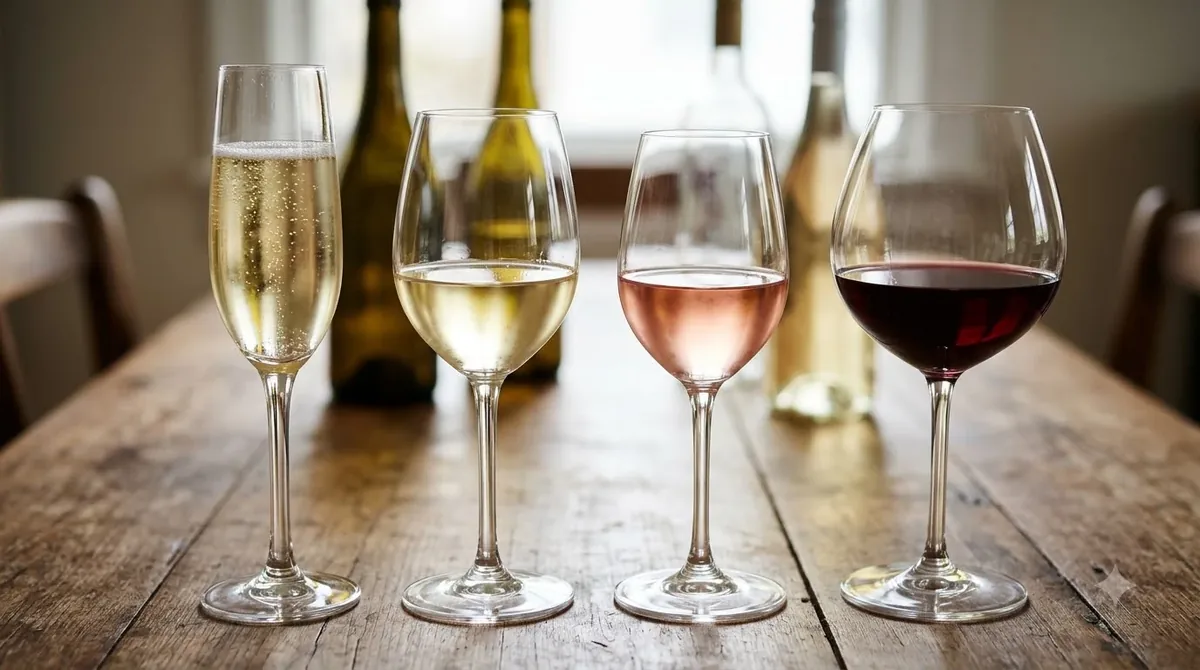
Lambrusco appears in three principal color categories: red, rosé, and white. Red is the traditional and most recognizable expression, but lighter rosé styles and less common white interpretations demonstrate how versatile the grape family can be.
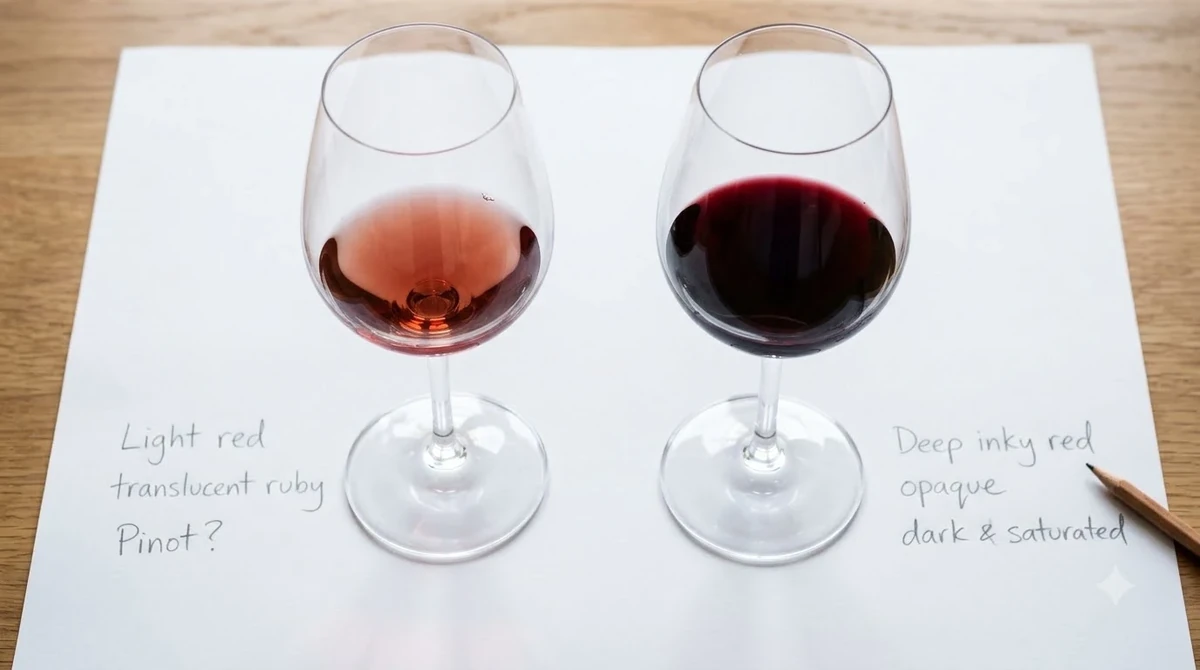
Red Lambrusco ranges from bright ruby and cherry red to intense violet and dark purple. The differences are particularly noticeable when comparing Lambrusco di Sorbara with Lambrusco Grasparossa. The former can look almost like a dark rosé, while the latter often has the appearance of a concentrated red wine. Lambrusco Salamino generally occupies the middle of this visual range, with an attractive ruby color and violet reflections.
Rosé Lambrusco ranges from pale salmon and strawberry pink to deeper pink with ruby highlights. These wines retain the freshness and fruit character associated with the Lambrusco family but usually show less visual intensity than deeply colored red versions. Their appearance makes them particularly appealing as aperitif wines and companions for lighter meals.
White Lambrusco, sometimes called Lambrusco Bianco, is less common. It is produced from red Lambrusco grapes by limiting the contact between grape skins and juice during pressing and fermentation. Since much of the pigment comes from the skins, removing or separating them early allows the resulting wine to remain pale.
These categories describe appearance rather than sweetness or sparkling intensity. A pale pink Lambrusco can be dry, and a dark purple bottle can be sweet or off-dry. The level of carbonation also varies, with lightly sparkling frizzante wines and more fully sparkling spumante expressions available across different color styles.
How Grape Varieties Influence Lambrusco Color
Grape variety is one of the strongest influences on Lambrusco color. Lambrusco di Sorbara, Grasparossa, and Salamino are three important varieties to recognize because they produce noticeably different shades and wine structures.
Lambrusco di Sorbara is the classic choice for a lighter appearance. Its wines often range from pale rosé to light ruby red, with delicate violet reflections. The Lambrusco consortium describes its color as ranging from rosé to pale ruby red. These wines are known for fresh acidity, red-berry aromas, and an elegant rather than heavily concentrated character.
The grape is closely associated with the area around Sorbara, north of Modena, where sandy, fertile plains between the Secchia and Panaro rivers provide suitable growing conditions. According to the Lambrusco consortium, Lambrusco di Sorbara DOC requires at least 60% of the namesake grape, with other permitted varieties contributing to the blend within the denomination’s production rules.
Lambrusco Grasparossa produces a much darker appearance. Its wines commonly show deep ruby red with vivid purple or violet highlights. The variety has thicker skins and tends to produce more tannic, full-bodied wines than Sorbara. These characteristics help explain why Grasparossa is a natural choice for drinkers who prefer a more substantial sparkling red.
Its principal area is around Castelvetro, south of Modena. The local denomination requires at least 85% Lambrusco Grasparossa in the grape composition, according to the consortium. The resulting wines are often more intensely colored, with blackberry, cherry, violet, and fresh-almond characteristics.
Lambrusco Salamino generally produces an attractive ruby-red wine with violet hues. Its color is usually more intense than that of Sorbara but can be less imposing than a deeply colored Grasparossa. Aromas commonly include raspberry, cherry, blackberry, and rose.
Lambrusco Salamino di Santa Croce DOC requires at least 85% of its namesake grape variety under the consortium’s production rules. The wines have a medium structure, making them versatile choices for meals ranging from cured meats to pasta.
| Grape variety | Typical color | General style | Recognizable flavors |
|---|---|---|---|
| Lambrusco di Sorbara | Pale pink to light ruby | Light-bodied, fresh | Strawberry, raspberry, violet |
| Lambrusco Grasparossa | Deep ruby to purple | Fuller-bodied, tannic | Blackberry, cherry, violet |
| Lambrusco Salamino | Ruby red with violet hues | Medium-bodied, fresh | Raspberry, cherry, rose |
| Lambrusco Marani | Variable, including pale expressions | Used in different blends | Fruity and floral |
| Lambrusco Montericco | Red to rosé | Fresh, varied structure | Fresh red fruit and floral notes |
These descriptions are useful starting points rather than absolute rules. Blending, vineyard conditions, grape maturity, and winemaking decisions can all change the final shade. For a broader understanding of the different grapes and wine categories, explore our guide to Wine by Type.
Why Some Lambrusco Is Pink While Other Bottles Are Purple
The amount of time grape juice spends in contact with grape skins has a major influence on color. Red grape skins contain natural pigments called anthocyanins, which pass into the juice during maceration. Longer or more intensive skin contact generally produces a deeper color, while shorter contact creates lighter expressions.
When making red Lambrusco, winemakers allow sufficient contact with the skins to extract the desired amount of pigment, flavor, and tannin. The result may be bright ruby, dark cherry, or intense purple, depending on the grape and extraction decisions. Thick-skinned Grasparossa can produce especially concentrated colors, making it a natural choice for a powerful red expression.
Rosé production uses a more limited extraction approach. Grapes may remain in contact with their skins for a short period before the juice is separated. Even a relatively brief maceration can extract enough pigment to create a recognizable pink shade. The precise timing depends on the grapes, their ripeness, and the intended style.
White Lambrusco takes the process further by minimizing skin contact. The grapes are pressed and separated from their skins early, leaving relatively little pigment in the juice. This approach demonstrates why grape color alone does not determine the finished wine’s appearance.
Another influence is blending. A producer can combine varieties with different pigment concentrations to create a particular visual style. For example, the more deeply colored Ancellotta grape can contribute substantial color to certain Lambrusco blends. Its use can change the appearance and softness of the resulting wine.
Winemakers also control extraction through fermentation temperature, maceration duration, and other cellar decisions. These techniques affect not only color but also the intensity of fruit aromas and the amount of tannin extracted from the skins.
Tip: Compare Lambrusco di Sorbara and Lambrusco Grasparossa side by side in clear glasses. The difference between pale ruby and deep purple is an easy way to understand how grape variety influences the finished wine.
For a useful comparison with another Italian wine category, see our guide to moscato color. Moscato’s appearance varies with its grape varieties and production methods, just as Lambrusco’s does.
What Lambrusco Color Reveals About Taste and Structure
Color can offer useful clues about the wine’s likely character, although it cannot tell you everything about sweetness, acidity, or carbonation. In general, pale Lambrusco tends to have a lighter, more delicate profile, while deeply colored examples often deliver more body, darker fruit flavors, and noticeable tannin.
Light-colored Lambrusco di Sorbara is frequently associated with strawberry, raspberry, violet, and other fresh red-fruit aromas. Its bright acidity makes it refreshing and particularly suitable for food. The relatively delicate structure also allows the wine to work as an aperitif without overwhelming lighter dishes.
Deeper-colored Grasparossa tends to have a more substantial palate. Blackberry, dark cherry, and concentrated red-fruit notes are common, while its tannins provide additional grip. This fuller structure helps it complement richer dishes and grilled foods.
Salamino often sits between these two styles. Its ruby color is accompanied by fresh red-fruit aromas, medium structure, and a pleasantly savory character. This versatility makes it suitable for different courses rather than only one particular type of food.
However, there are important exceptions. A pale Lambrusco can still have considerable flavor intensity, and a dark wine does not necessarily have higher alcohol. Likewise, a visually light wine is not automatically sweet or low in acidity.
Sweetness is a separate characteristic. Lambrusco can be dry, semi-dry, medium-sweet, or sweet. Italian terms that help identify sweetness include secco for dry, amabile for medium-sweet, and dolce for sweet. A purple Grasparossa can be dry, while a lighter rosé can have noticeable residual sugar.
Carbonation is another independent factor. Frizzante describes a lightly sparkling style, while spumante indicates a more fully sparkling wine. Both can appear in red or rosé forms. The color of the wine therefore should not be treated as a reliable guide to its sweetness or bubble intensity.
How Fermentation and Bottle Appearance Affect Color
Lambrusco’s production method influences its appearance, especially its clarity, texture, and visual presentation. The two broad approaches to secondary fermentation include tank fermentation and bottle fermentation, with traditional and ancestral techniques also contributing to the category’s diversity.
The Charmat method conducts secondary fermentation in a pressurized tank rather than individual bottles. This approach allows winemakers to retain fresh fruit characteristics and control the sparkling process. Many tank-fermented Lambrusco wines have a clean, bright appearance, although the final color still depends primarily on the grape varieties and skin extraction.
Traditional bottle fermentation involves a second fermentation inside the bottle. Some producers also use bottle-refermentation approaches that leave the wine on its natural sediment rather than removing it. These wines can develop a less polished, more rustic appearance.
Sediment is especially important when interpreting a cloudy bottle. Fine yeast particles and fermentation residues can remain suspended in the wine or settle at the bottom of the bottle. Their presence may create a hazy appearance even when the wine is sound.
Cloudiness is not the same as a change in the wine’s basic color. A pale ruby wine may appear less transparent because of suspended particles, while a dark purple wine can remain relatively clear. The sediment may also affect texture and add savory or yeasty characteristics.
For this reason, visual clarity should be considered separately from pigment intensity. A bright, transparent wine is not automatically better than a cloudy, bottle-fermented example. Both appearances can be intentional results of different production choices.
When pouring a bottle with sediment, check how it has been stored and whether the producer intends the wine to be served with its lees. If the bottle is designed to retain sediment, gently handling it and following the producer’s serving instructions can help preserve the intended presentation.
There is also a historical dimension to these production choices. According to Wine Enthusiast’s overview of modern Lambrusco, producers have increasingly emphasized distinctive grape varieties and carefully managed fermentation, rather than relying exclusively on large-scale sweet sparkling styles. This development has helped demonstrate the range of colors, textures, and flavors available within the category.
Choosing and Serving Lambrusco by Color
The easiest way to choose Lambrusco is to begin with the style of wine you enjoy. Pale Sorbara is a strong starting point for drinkers who like lively acidity and delicate red-fruit aromas, while dark Grasparossa suits those who prefer fuller-bodied red wines with more structure.
For a light and refreshing aperitif, consider a pale pink or light ruby Lambrusco di Sorbara. Its red-berry character and crisp acidity make it particularly suitable for appetizers, seafood dishes without heavy sauces, and lighter snacks. It can also work well with fresh cheeses and vegetable dishes.
For a more substantial meal, dark ruby or purple Grasparossa is an excellent option. Its fuller body and firmer tannins complement grilled sausages, rich pasta dishes, roasted meats, and other savory foods. Lambrusco’s bubbles help refresh the palate between bites.
Salamino is a useful middle-ground option. Its ruby-red color, fresh fruit aromas, and medium structure make it flexible enough for cured meats, pizza, tomato-based pasta, and several traditional dishes from Emilia-Romagna.
Sweetness should also guide your choice. Dry Lambrusco works particularly well with savory dishes, while sweeter versions can accompany spicy foods and desserts. The basic pairing principle is to serve wine that is at least as sweet as the dessert. A dry wine beside a very sweet dessert can taste unnecessarily sharp or sour.
Temperature makes a noticeable difference in the way Lambrusco presents its color, bubbles, and aromas. Chilling the wine helps preserve its freshness and makes its sparkling character more refreshing. A practical serving range for most sparkling Lambrusco is approximately 40–50°F.
Use clear, clean glassware when comparing different Lambrusco styles. A transparent wine glass makes it easier to distinguish pale pink, ruby, and purple tones. Natural daylight or neutral indoor lighting is preferable because strongly colored lighting can distort the appearance.
A standard 5-ounce pour is sufficient for assessing the wine’s color and aroma without filling the glass excessively. A 750 ml bottle provides approximately five standard glasses. If comparing several wines, use similar glass shapes and consistent serving temperatures to make the differences easier to recognize.
For readers who enjoy comparing the visual characteristics of sparkling wines, our article on cava color explains another category where production methods and grape choices influence the finished appearance.
Food Pairings for Different Lambrusco Shades
Lambrusco’s acidity and carbonation make it a natural companion for the rich, savory foods of Emilia-Romagna. Its color and structure can help guide food choices, with lighter styles suiting delicate dishes and darker versions complementing stronger flavors.
Pale Lambrusco di Sorbara works particularly well with fresh appetizers, light pasta, grilled vegetables, and delicate seafood preparations. Its acidity cuts through moderate richness without overwhelming subtle flavors. It can also be served alongside prosciutto and other cured meats, where its freshness balances salt and fat.
Ruby-red Salamino offers greater flexibility with traditional Italian dishes. Try it with mortadella, salami, tortellini, pizza, or tomato-based pasta. The fruitiness provides a pleasant contrast to savory ingredients, while the wine’s acidity helps refresh the palate.
Deep purple Grasparossa is especially suitable for more substantial foods. Its tannins and fuller body work well with grilled sausages, roasted pork, braised meats, and rich lasagna. Salt and fat soften the perception of tannin, helping create a balanced combination.
Parmigiano-Reggiano is another classic regional pairing. Its savory intensity and firm texture work well with the fresh fruit and acidity of Lambrusco. A darker Salamino or Grasparossa can offer enough structure to stand alongside aged cheese, while Sorbara provides a lighter alternative.
White Lambrusco and pale rosé expressions can be served with vegetable antipasti, mild cheeses, seafood, and lighter pasta dishes. Their appearance does not necessarily make them less versatile, but their generally lighter presentation can suit meals where a heavily structured red would be too dominant.
Sweet Lambrusco deserves separate consideration. Amabile and dolce versions can accompany fruit desserts, berry pastries, and chocolate-based sweets, depending on the wine’s intensity. Choose a wine at least as sweet as the dessert to avoid making it taste thin or overly acidic.
Spicy dishes require additional care. Alcohol and tannin can amplify chili heat, so a strongly structured, high-alcohol red is not always the best partner for hot food. A chilled, fruit-forward, off-dry Lambrusco may be a more comfortable match for moderately spicy dishes.
Oily fish generally works better with fresh, acidic wines than tannic reds. For dishes such as grilled sardines or richer fish preparations, a pale Sorbara or white Lambrusco is often a more suitable starting point than a heavily structured Grasparossa.
The important lesson is that color should help narrow your choices, not dictate them. Sweetness, acidity, tannin, carbonation, and the weight of the food all contribute to a successful pairing.
Frequently Asked Questions
Is Lambrusco naturally red or artificially colored?
Lambrusco’s red and purple colors come naturally from pigments in the grape skins, particularly anthocyanins. The intensity depends on the variety and extraction during winemaking. Red Lambrusco does not need artificial coloring to achieve its characteristic ruby or violet appearance.
Does Lambrusco have a blue-purple appearance?
Some deeply colored Lambrusco Grasparossa wines show pronounced violet or purple highlights that can appear almost blue under certain lighting. These tones are natural reflections of the wine’s pigmentation. The color may look different depending on glass thickness, lighting, and the wine’s age.
Can Lambrusco change color after opening?
Yes. Exposure to oxygen can gradually alter its appearance, sometimes making red wines look more brick-red or brownish. Sparkling Lambrusco also loses carbonation after opening. Refrigeration and a suitable sparkling-wine closure can help preserve its freshness for a short period.
Does Lambrusco have to come from Emilia-Romagna?
The best-known traditional Lambrusco denominations are associated with Emilia-Romagna, particularly Modena and Reggio Emilia. However, the Lambrusco grape family is not limited to a single village or denomination. Different production designations establish their own geographical and grape-composition requirements.
Is Lambrusco suitable for aging in a wine cellar?
Most everyday Lambrusco is intended to be enjoyed relatively young, while selected structured and bottle-fermented examples may offer different development potential. The wine’s acidity, tannins, production method, and producer’s intentions all influence its aging suitability. A dark color by itself does not establish how long a bottle can be cellared.
Lambrusco offers much more visual variety than its reputation as a simple sparkling red might suggest. From pale Sorbara and salmon-pink rosé to ruby Salamino and deep-purple Grasparossa, its colors reflect a diverse family of grapes and winemaking traditions. Once you understand these differences, choosing the right Lambrusco for your taste and food becomes considerably easier.
More in Wine Types & Grapes
 Zinfandel Sugar Content: Dry Red vs. White Zinfandel GramsUpdated Nov 21, 2026
 Best Zinfandel Substitute Options for Sipping and CookingUpdated Nov 21, 2026
 Zweigelt Food Pairing: Best Dishes, Cheeses, and Serving TipsUpdated Nov 21, 2026
 Zinfandel Tannins Explained: How Structure Shapes Every BottleUpdated Nov 21, 2026
 Zinfandel Sweetness Level: Dry Red vs. Sweet White Zin ExplainedUpdated Nov 21, 2026
 Xinomavro Food Pairing: Best Dishes, Styles, and Serving TipsUpdated Nov 21, 2026