


We may earn a commission when you buy through links on this page, at no extra cost to you. Learn more.
Lambrusco carbs typically range from approximately 3–4 grams in a 5-ounce glass of dry wine to 7–11 grams or more in a sweet version. The exact carbohydrate content depends primarily on residual sugar, the wine’s sweetness classification, and the producer’s recipe. Dry Lambrusco generally contains fewer carbohydrates, while amabile and dolce versions retain more natural grape sugar. Checking the nutritional information and sweetness description helps estimate the carbohydrates in each serving.
Lambrusco is an Italian red wine known for its lively bubbles, fresh fruit flavors, and versatility with food. Although many people associate it with sweet, fruity wine, modern Lambrusco includes everything from crisp, dry bottles to distinctly sweet styles. That difference matters when comparing carbohydrate content. Understanding Italian sweetness terms, serving sizes, and residual sugar levels makes it easier to choose a bottle that matches your preferences and nutritional priorities.
How Many Carbs Are in a Glass of Lambrusco?
A standard 5-ounce serving of dry Lambrusco generally contains around 3–4 grams of carbohydrates, while a sweeter version can contain approximately 7–11 grams or more. These are practical estimates rather than universal nutritional values because Lambrusco does not have one fixed carbohydrate profile.
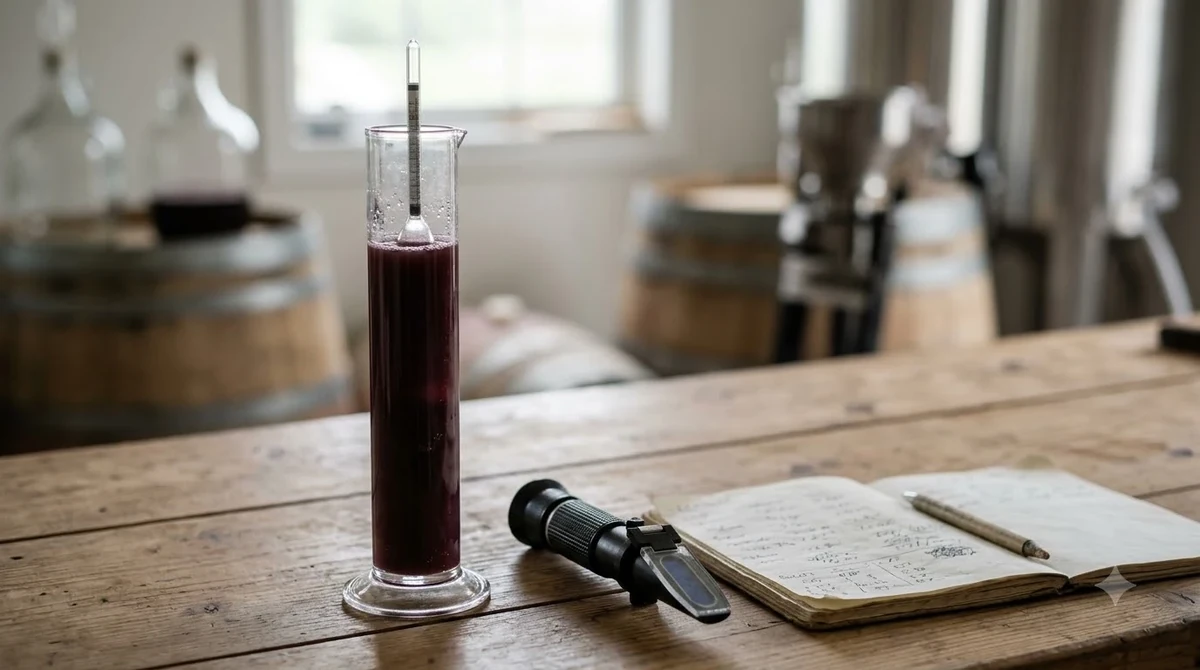
Carbohydrates in wine come primarily from sugars remaining after fermentation, along with smaller quantities of other naturally occurring carbohydrate compounds. During fermentation, yeast converts grape sugar into alcohol and carbon dioxide. When fermentation finishes with little sugar remaining, the resulting wine is dry. When more sugar remains, the wine has a sweeter taste and generally contains more carbohydrates.
The producer’s nutritional information offers a useful example. Cantine Virgili publishes nutritional values for its Lambrusco Amabile, listing 6.9 grams of carbohydrates and 6.24 grams of sugars per 100 milliliters. Converting those figures into a standard American serving produces approximately 10.2 grams of carbohydrates and 9.2 grams of sugar in 5 fluid ounces. The Cantine Virgili Lambrusco Amabile product information provides the complete nutritional breakdown, including its carbohydrate, sugar, and alcohol figures.
Another producer, Cantina Sociale di Puianello, lists 49 grams of sugar per liter for its Sweet Lambrusco. These figures demonstrate why a sweet bottle can contain substantially more carbohydrates than a dry red wine, even when both wines belong to the Lambrusco family.
For a practical comparison, consider these approximate serving estimates:
- Dry Lambrusco: Approximately 3–4 grams of carbohydrates per 5-ounce glass.
- Off-dry Lambrusco: Approximately 4–7 grams per glass.
- Amabile Lambrusco: Approximately 7–11 grams per glass.
- Dolce Lambrusco: Approximately 9–14 grams or more per glass.
The ranges are planning estimates, not official nutritional limits for each category. A particular wine may fall outside them, especially when the producer uses a different fermentation method or blending approach. For comparison with other varieties, see our explanation of dry red wine carbs.
How Sweetness Levels Change Lambrusco Carbohydrates
The sweetness classification is one of the most useful clues when estimating Lambrusco carbohydrates. Italian labels commonly use four terms for still and semi-sparkling styles: secco, abboccato, amabile, and dolce.
These descriptions indicate how much residual sugar remains in the wine, although the exact carbohydrate total can also depend on other components. Understanding the terminology helps distinguish a crisp, dry bottle from a sweeter one before opening it.
According to the Italian wine classification information published by ItalianWines, secco is the dry category, abboccato is lightly sweet or off-dry, amabile is medium-sweet, and dolce describes sweet wine. Their discussion of Italian sweet red wine styles and Lambrusco sweetness classifications explains how these categories differ and why sparkling wines can follow a separate sweetness scale.
| Lambrusco style | Residual sugar per liter | Approximate sugar in 5 oz | Expected sweetness |
|---|---|---|---|
| Secco | Up to 4 g/L, with certain acidity allowances up to 9 g/L | 0–1.3 g | Dry |
| Abboccato | Up to 12 g/L, with certain acidity allowances up to 18 g/L | 0.5–2.7 g | Off-dry |
| Amabile | 12–45 g/L | 1.8–6.7 g | Medium-sweet |
| Dolce | 45 g/L and above | 6.7 g and above | Sweet |
The serving calculations use approximately 148 milliliters for a 5-ounce glass. They represent residual sugar alone, not total carbohydrates. This distinction is important because a wine’s total carbohydrate value can be higher than its measured sugar content.
Secco: The Dry Option
Secco is generally the best starting point for someone seeking a lower-carbohydrate Lambrusco. The wine has little residual sugar and often tastes crisp, refreshing, and fruit-forward without pronounced sweetness. Its acidity can make cherry, raspberry, and blackberry flavors seem particularly lively.
Abboccato: A Slightly Softer Style
Abboccato provides a middle ground between dry and sweet wine. Its modest sweetness can soften tart fruit flavors without creating the richness associated with a fully sweet Lambrusco. Depending on the wine’s actual sugar concentration, its carbohydrate content may be moderately higher than a secco bottle.
Amabile and Dolce: Sweeter Choices
Amabile means medium-sweet, while dolce indicates a distinctly sweet style. Both can have more residual sugar than secco Lambrusco. Their fruit-forward character makes them popular choices for people who enjoy a sweeter red wine, but their carbohydrate content is generally higher.
There is an additional distinction for fully sparkling spumante. Its sweetness terminology follows a separate scale, so secco on a fully sparkling bottle does not necessarily mean the same sugar concentration as secco on a semi-sparkling Lambrusco.
For a useful overview of wine styles beyond Lambrusco, visit our guide to Wine by Type.
Why Residual Sugar Determines Carbohydrate Content
Residual sugar is the amount of grape sugar left in wine after fermentation. It is one of the strongest indicators of carbohydrate content, which is why two bottles of Lambrusco can have noticeably different nutritional values despite sharing the same general wine category.
Grapes naturally contain fermentable sugars, principally glucose and fructose. Yeast consumes these sugars during fermentation and produces alcohol and carbon dioxide. If fermentation continues until most fermentable sugar has been consumed, the resulting wine is dry. If fermentation is stopped while more sugar remains, the wine becomes sweeter.
Winemakers can control this process through several techniques. One example appears in the production description for Cantina Sociale di Puianello’s Sweet Lambrusco. The producer explains that repeated filtration interrupts alcoholic fermentation at the desired sugar level while the wine is kept in temperature-controlled tanks.
This process helps preserve the wine’s fruity character and sweetness. The producer reports 49 grams of sugar per liter, 8.5% alcohol, and 7 grams per liter of total acidity. Those measurements provide a clear example of how sweetness, acidity, and alcohol can coexist in a single bottle.
Sugar and Total Carbohydrates Are Different Measurements
Residual sugar and total carbohydrates should not be treated as interchangeable terms. Residual sugar measures the remaining grape sugars, while total carbohydrates can include other carbohydrate compounds present in the wine.
That explains why Cantine Virgili reports 6.9 grams of carbohydrates but 6.24 grams of sugars per 100 milliliters for its Lambrusco Amabile. The total carbohydrate figure is higher than the sugar figure, even though both measurements describe the same wine.
For nutritional comparisons, total carbohydrates are the more useful figure. Sugar content helps explain why one wine tastes sweeter than another, but it does not always provide the complete carbohydrate total.
Tip: When comparing two Lambrusco bottles, prioritize the total carbohydrate figure per 100 milliliters or per serving. If only residual sugar is provided, use it as an estimate rather than assuming it equals total carbohydrates.
Carbs in a Full Bottle and Different Serving Sizes
The amount poured into a glass makes a direct difference to the carbohydrates consumed. A standard 750-milliliter bottle contains approximately five 5-ounce servings, so multiplying the carbohydrate content of one glass by five provides a useful bottle estimate.
For example, Cantine Virgili’s Lambrusco Amabile contains 6.9 grams of carbohydrates per 100 milliliters. A 750-milliliter bottle therefore contains approximately 51.75 grams of carbohydrates, assuming the published nutritional values apply consistently throughout the bottle.
Using that same producer’s figures, a 5-ounce serving contains approximately 10.2 grams of carbohydrates. A smaller 3-ounce pour contains approximately 6.1 grams, while a 6-ounce pour contains approximately 12.3 grams.
The following table shows how serving size affects the estimated carbohydrate count for this specific wine.
| Serving size | Volume in milliliters | Estimated carbohydrates | Estimated sugars |
|---|---|---|---|
| 3 oz | 89 ml | 6.1 g | 5.6 g |
| 4 oz | 118 ml | 8.1 g | 7.4 g |
| 5 oz | 148 ml | 10.2 g | 9.2 g |
| 6 oz | 177 ml | 12.2 g | 11.0 g |
| 750 ml bottle | 750 ml | 51.8 g | 46.8 g |
These calculations use the producer’s published figures of 6.9 grams of carbohydrates and 6.24 grams of sugar per 100 milliliters. They are specific to this Lambrusco Amabile and should not be applied to every bottle.
Why Measuring Your Pour Matters
Wine glasses come in different shapes and capacities. A large bowl-shaped glass may hold substantially more than a standard 5-ounce serving without appearing especially full.
For consistent comparisons, use the same serving volume each time. A 5-ounce pour is a practical standard for comparing wine nutrition, while a 750-milliliter bottle provides an easy reference for estimating the total amount.
Another useful approach is to calculate carbohydrates per 100 milliliters. This allows direct comparisons between producers even when their published serving sizes differ.
Does Sparkling Lambrusco Have More Carbs Than Still Wine?
Not necessarily. The presence of bubbles does not automatically increase carbohydrate content. The most important factor remains the amount of residual sugar, followed by the other naturally occurring carbohydrates in the wine.
Lambrusco comes in still, semi-sparkling, and fully sparkling styles. The semi-sparkling category is commonly called frizzante, while fully sparkling wine is called spumante. Both can be made in different sweetness levels.
A dry frizzante Lambrusco can contain fewer carbohydrates than a sweet still red wine. Similarly, a sweet spumante can contain more sugar than a dry still Lambrusco. Comparing wines by appearance or carbonation alone is therefore unreliable.
The European Union’s product specifications for Lambrusco Grasparossa describe still, semi-sparkling, and sparkling versions with tastes ranging from dry to sweet. This range demonstrates that sparkling character and sweetness are separate characteristics.
How Production Influences Sweetness
Carbon dioxide is responsible for the bubbles in sparkling Lambrusco. It does not itself contribute carbohydrates. However, production methods and the point at which fermentation stops can affect how much sugar remains in the finished wine.
For example, a producer making a sweet sparkling Lambrusco may preserve residual sugar before the wine completes fermentation. Another producer making a dry sparkling version may allow more sugar to ferment into alcohol.
The result is that two sparkling bottles can have very different nutritional profiles. A dry sparkling Lambrusco may be a lower-carbohydrate choice than a sweet still Lambrusco, despite having more noticeable bubbles.
Alcohol Content Is Another Separate Factor
Alcohol and carbohydrates contribute differently to wine’s nutritional composition. Alcohol provides calories but is not classified as a carbohydrate. Consequently, a wine with a higher alcohol percentage does not automatically have more carbohydrates.
For instance, Cantina Sociale di Puianello lists 8.5% alcohol for its Sweet Lambrusco, while Cantine Virgili lists 9% for its Lambrusco Amabile. Their carbohydrate content must be evaluated separately rather than inferred from the alcohol percentages.
This distinction is also useful when comparing Lambrusco with other red wines. A dry red wine can have more alcohol but less residual sugar than a sweeter sparkling red wine.
How to Choose Lower-Carb Lambrusco
Choosing a lower-carbohydrate Lambrusco starts with selecting a dry style and comparing the producer’s nutritional information. Labels describing secco are generally a sensible starting point, while amabile and dolce usually indicate sweeter wines.
Begin by identifying the sweetness category. If you prefer a crisp wine with less residual sugar, look for secco. If you enjoy some sweetness but want a moderate profile, abboccato may be more suitable. Amabile and dolce are better choices for people who specifically enjoy sweeter red wines.
Next, look for nutritional values expressed per 100 milliliters. This format makes comparisons easier because it avoids confusion caused by different serving recommendations. When two wines have published carbohydrate values, choose the lower figure if carbohydrate content is your main comparison point.
Questions to Ask When Reading a Wine Label
- Is it secco or dolce? The sweetness classification provides an initial indication of residual sugar.
- Is it frizzante or spumante? These terms describe carbonation rather than a guaranteed carbohydrate level.
- Is a nutritional declaration available? Total carbohydrates are more useful than sweetness descriptions alone.
- What is the serving size? A per-100-milliliter figure needs to be converted before comparing it with a 5-ounce glass.
- Does the wine list its sugar content? Residual sugar offers additional information when total carbohydrate data is unavailable.
For example, a bottle with 4 grams of residual sugar per liter contains approximately 0.6 grams of residual sugar in a 5-ounce glass. A bottle with 49 grams per liter contains approximately 7.2 grams of residual sugar in the same serving. These are substantial differences before accounting for other carbohydrate compounds.
It is also useful to compare Lambrusco with other wines that may appeal to similar preferences. Our guide to Moscato carbs explains how a different fruity wine style can have its own carbohydrate profile depending on sweetness and production.
Ultimately, the best comparison is between actual nutritional figures rather than general descriptions such as red, sparkling, Italian, or fruity. Those descriptions communicate style, not a precise carbohydrate count.
Serving, Storage, and Food Pairing for Lambrusco
Lambrusco is best enjoyed chilled, with the exact serving temperature depending on its body and sweetness. A moderately chilled serving also helps preserve its fresh fruit character and lively carbonation.
For a light, crisp Lambrusco, approximately 45–50 degrees Fahrenheit is a useful serving range. Fuller red versions can be served slightly warmer, around 55–60 degrees Fahrenheit. Sweet styles can also benefit from chilling, particularly when their fruity character is prominent.
Lambrusco is traditionally associated with the food of Emilia-Romagna, including cured meats, pork dishes, pasta, and regional cheeses. Cantine Virgili specifically recommends its Lambrusco Amabile with pumpkin tortelli, risotto alla pilota, cured meats, cheeses, and red meat.
Food Pairings for Different Sweetness Levels
Dry Lambrusco pairs naturally with savory dishes such as salami, prosciutto, grilled sausages, and roasted pork. Its acidity helps refresh the palate between bites, while its fruit flavors complement the richness of cured meat.
Amabile Lambrusco works well with dishes that combine savory and slightly sweet flavors. Pumpkin tortelli, pork sausage risotto, and moderately aged cheeses are useful examples. The wine’s sweetness can balance salty ingredients, while its acidity prevents the combination from feeling overly heavy.
Dolce Lambrusco can accompany fruit-based desserts, chocolate desserts, and pastries. A useful wine-pairing principle is to choose a wine at least as sweet as the dessert. Otherwise, the wine can taste unusually tart or acidic alongside the food.
Storage and Serving Details
Keep unopened Lambrusco bottles in a cool, dark place away from direct sunlight and temperature fluctuations. A storage temperature near 55 degrees Fahrenheit is suitable for many wines, and bottles with traditional cork closures are generally stored on their sides.
Once opened, sparkling Lambrusco is best consumed relatively quickly. Refrigeration and a sparkling-wine stopper can help preserve the bubbles for approximately 1–3 days, although freshness and carbonation may decline during that period.
Pouring a moderate serving also makes nutritional comparisons more consistent. A standard 5-ounce glass is a useful reference, while larger pours increase the total carbohydrates in proportion to the amount of wine served.
Frequently Asked Questions
Is Lambrusco naturally sweet because of its grape variety?
No. Lambrusco grapes can produce dry, off-dry, medium-sweet, and sweet wines. Fermentation decisions determine how much grape sugar remains in the finished wine, so the grape family alone does not establish sweetness.
Does Lambrusco contain added sugar?
Not every Lambrusco has the same ingredient composition. Some producers use concentrated grape must as part of their formulation, as shown in Cantine Virgili’s Lambrusco Amabile ingredient declaration. The presence of an ingredient does not by itself establish how much sugar remains in the finished bottle.
Are Lambrusco grapes the same as ordinary table grapes?
Lambrusco is a group of wine grape varieties used for winemaking, not a single table grape variety. Examples include Lambrusco Salamino, Lambrusco Marani, Lambrusco Maestri, and Lambrusco Grasparossa. Different varieties contribute different colors, structures, and flavor characteristics.
Can Lambrusco be made as a rosé wine?
Yes. Lambrusco is not limited to deep ruby-red wines. Some versions are pink or rosé, and the official product specifications also describe red and rosé Lambrusco styles. Their carbohydrate content still depends on the finished wine’s sugar concentration rather than its color.
Does Lambrusco need to be decanted before serving?
Most young Lambrusco is served directly from the bottle and does not require decanting. Its fresh fruit character and carbonation are part of its appeal. Opening the bottle shortly before serving and pouring gently helps retain its bubbles.
Lambrusco carbohydrates vary considerably depending on sweetness, fermentation, and serving size. A dry secco bottle is generally the better starting point for someone comparing lower-carbohydrate wines, while amabile and dolce offer sweeter alternatives with more residual sugar. Comparing nutritional information per 100 milliliters provides the clearest way to evaluate individual bottles and estimate the carbohydrates in each glass.
More in Wine Types & Grapes
 Zinfandel Sugar Content: Dry Red vs. White Zinfandel GramsUpdated Nov 21, 2026
 Best Zinfandel Substitute Options for Sipping and CookingUpdated Nov 21, 2026
 Zweigelt Food Pairing: Best Dishes, Cheeses, and Serving TipsUpdated Nov 21, 2026
 Zinfandel Tannins Explained: How Structure Shapes Every BottleUpdated Nov 21, 2026
 Zinfandel Sweetness Level: Dry Red vs. Sweet White Zin ExplainedUpdated Nov 21, 2026
 Xinomavro Food Pairing: Best Dishes, Styles, and Serving TipsUpdated Nov 21, 2026