

We may earn a commission when you buy through links on this page, at no extra cost to you. Learn more.
A lagrein grape is a deeply colored red variety native to Alto Adige in northern Italy, known for firm tannins, dark cherry and violet aromas, and a long aging potential. According to Wine Folly, it makes up less than 9 percent of the region’s wine production, so it is far less common than many Italian reds. It appears as a bold dry red and as a lighter rosé, which makes it a useful grape to know if you already enjoy Italian wine.
This guide explains where the grape comes from, how it tastes, and which styles you are likely to find on a shop shelf or wine list. It also compares lagrein with more familiar Italian reds, so you can decide when it fits your table. If you are new to Italian varieties, the wine by type guide is a good starting point before you dig deeper.
What Is Lagrein?
Lagrein is a red wine grape grown mainly in Alto Adige, the German-speaking northern corner of Italy that is also called South Tyrol. The name is pronounced roughly as “Lah-grine.” Winemakers use it for dry reds, and some also produce a rosé that is lighter and more fruit-forward.
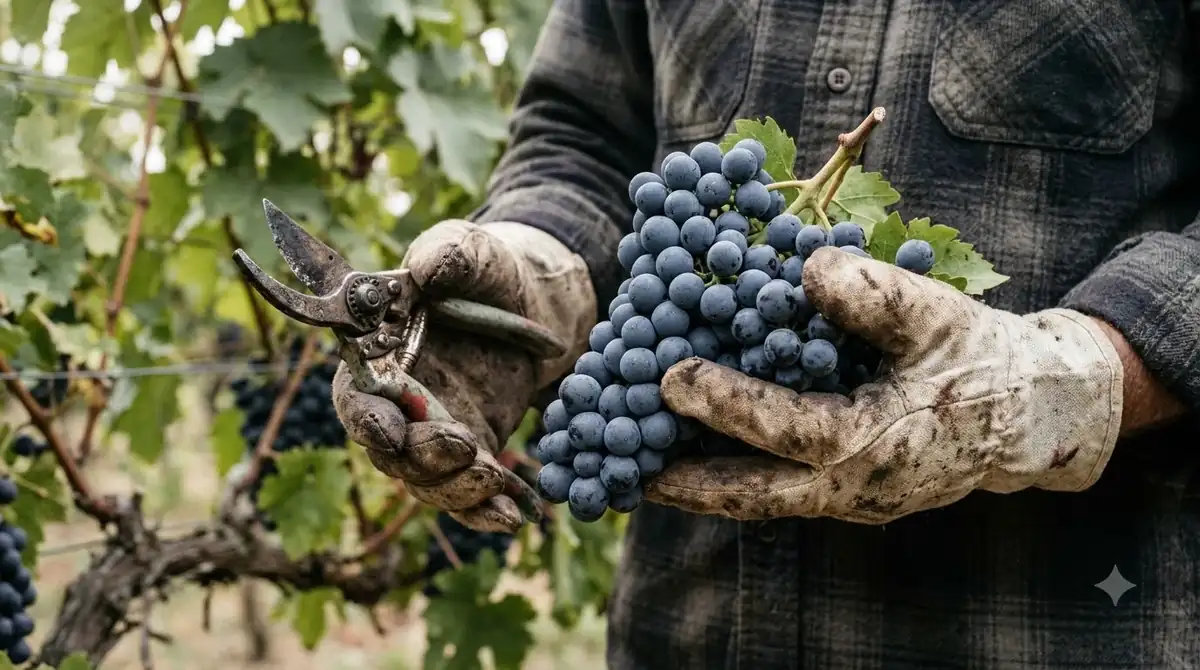
The grape is known for its deep color, which often looks almost inky in the glass with violet reflections. Its skins are rich in tannin, so the wine feels firm and grippy when it is young. Many people who enjoy big reds from other regions find lagrein familiar in structure but distinct in its floral and spicy character.
| Style | Common names | Body and feel | Serving approach |
|---|---|---|---|
| Dark red | Dunkel or Scuro | Medium to full body with firm tannins | Serve slightly cool, in a large-bowled glass |
| Rosé | Kretzer or Rosato | Lighter body, brisk acidity, fresh fruit | Serve chilled, in a standard white wine glass |
| Riserva or single vineyard | Riserva or Vigna on the label | Denser and more structured | Decant before serving if the wine is young |
Origin and History in Alto Adige
Lagrein has been part of Alto Adige’s wine story for centuries. Wine Folly reports in its Alto Adige lagrein guide that the grape appeared in wine documentation around the beginning of the 13th century. The same source notes that Holy Roman Emperor Charles IV praised it in 1370, which gives you a sense of how long it has been valued in the region.
The grape nearly disappeared during the 20th century. Alto Adige Wines says it had almost died out by the end of the 1970s, but a growing group of producers and drinkers brought it back. Today the grape is recognized for its aging potential and high quality, and it has become a regional ambassador for the area.
Flavor Profile and Tasting Notes
Lagrein is usually described as dark, structured, and aromatic. Expect black cherry and violet on the nose, with spice that can take on a smoky character when the wine has seen oak. Those oak notes often come from aging, and they help soften the tannins over time.
Wine Folly notes that lagrein shares some traits with Cabernet Sauvignon, especially its structured tannins and rich violet aromas. If you enjoy Cabernet-style reds, lagrein may feel like a natural next step, though it usually shows more floral lift. Oak aging can add notes of chocolate, cocoa, coffee, and vanilla, while the finish may show bitter cherry or almond.
Acidity keeps the wine lively. Young bottles can taste firm and grippy, while a few years in bottle often smooth the texture. The result is a red that feels serious without being heavy, which is why many people compare it to a more refined version of a bold Italian red.
Lagrein Styles: Rosé, Dark Red, and Riserva
Lagrein comes in several styles, and the label tells you a lot about what to expect. The darker reds are the classic expression, while the rosé is a lighter and more refreshing option. Knowing the difference helps you pick the right bottle for the moment.
Dark reds labeled Dunkel or Scuro tend to show the grape’s deepest color and most structured tannins. Riserva wines are often made to age, and single-vineyard bottlings may carry the word Vigna on the label. Lagrein blended with Cabernet Sauvignon or Merlot will usually say so on the front or back label, so check the blend if you want a pure lagrein.
The rosé, sometimes called Kretzer or Rosato, shows bright cherry, raspberry, and strawberry flavors. It has a lighter body and a clean, slightly bitter finish. Because it is fresh and fruit-driven, it can suit a warm afternoon when a full red feels too heavy.
Food Pairing with Lagrein
Lagrein works best with food that has enough richness and flavor to match its tannins. Hearty meat dishes are the classic partner, and the grape’s acidity helps it cut through fat. Regional dishes like Tyrolean goulash are a natural fit.
Wine Folly suggests pairing lagrein with boeuf bourguignon, ragù, and aged mountain cheeses such as Gruyère, Comté, and Piave Vecchio. Alto Adige Wines lists beef and hard cheese among its recommended pairings and notes that the wine suits game. For a lighter match, the rosé pairs well with fresh salads, seafood, grilled trout, and soft cheeses.
Tip: Match the style to the plate. Save the dark red for rich, slow-cooked meals and choose the rosé for lighter dishes and warm weather.
How Lagrein Compares to Chianti and Other Italian Reds
Lagrein and Chianti both come from Italy, but they taste different and grow in different places. Chianti is usually built on Sangiovese, which is generally lighter in color and more savory in tone. Lagrein tends to be darker and more floral, with a firmer tannin grip in its youth.
If you enjoy the tart cherry and earthy edge of a classic Chianti, lagrein may feel deeper and more concentrated. Compared with other Italian reds, lagrein is less well known, so it can offer better value for curious drinkers who want something different. You can read more about Chianti in the chianti grape guide, which helps explain the traits that set it apart.
Lagrein also differs from many southern Italian reds. Some varieties from Sicily and the south are fuller and warmer, while lagrein keeps a cooler, mountain-influenced freshness. For a sense of how a different Italian grape can taste, the catarratto grape page covers a white variety from Sicily that offers a useful contrast.
Buying, Serving, and Storing Lagrein
When you buy lagrein, start by reading the label for the style and the vineyard or producer. Look for Riserva if you want a wine for aging, and choose a rosé for a lighter option. Ask a retailer which vintage is in stock, since younger bottles often taste more vivid than older ones.
Alto Adige Wines, in its regional lagrein profile, gives a serving temperature of 16 to 18 degrees Celsius (61 to 64 degrees Fahrenheit) for the red style. For the rosé, the regional guidance is cooler, around 10 to 12 degrees Celsius (50 to 54 degrees Fahrenheit). Decant young or structured reds for 30 to 60 minutes to soften the tannins, and use a large-bowled glass for the red.
Store bottles on their sides in a cool, dark place with little vibration. Well-made reds, especially Riserva or single-vineyard wines, can age five to ten years or more. Rosés are best enjoyed within one to two years of release. Always drink responsibly, and pace your glasses when you share a bottle with friends.
Frequently Asked Questions
Is lagrein a red or a rosé grape?
Lagrein is mainly known as a red grape, and it produces deeply colored dry reds. Many producers also make a rosé from the same grape, often called Kretzer or Rosato. The rosé is lighter and fruitier than the dark red style.
Where does lagrein come from?
Lagrein is native to Alto Adige in northern Italy. Wine Folly notes that the best vineyards are found south of Bolzano, where lower altitudes and porphyry soils are common. The grape needs warmth to ripen fully.
How does lagrein taste compared with Cabernet Sauvignon?
Wine Folly says lagrein shares structured tannins and rich violet aromas with Cabernet Sauvignon. Lagrein often shows more floral and spicy notes, and oak aging can add smoky and chocolate flavors. Many drinkers find it a useful alternative to Cabernet.
Should I decant lagrein before serving?
Young or structured reds often benefit from decanting for 30 to 60 minutes, according to producer guidance from Alto Adige. Decanting softens firm tannins and opens the aromas. Rosé styles usually do not need decanting.
Lagrein rewards curious drinkers who want a deeply colored Italian red with a clear sense of place. Start with a dark red or rosé, then compare it with a familiar grape to see how its tannins and aromas differ. For more grape profiles, explore the wine types library and build your list one bottle at a time.
More in Wine Types & Grapes
 Zinfandel Sugar Content: Dry Red vs. White Zinfandel GramsUpdated Nov 21, 2026
 Best Zinfandel Substitute Options for Sipping and CookingUpdated Nov 21, 2026
 Zweigelt Food Pairing: Best Dishes, Cheeses, and Serving TipsUpdated Nov 21, 2026
 Zinfandel Tannins Explained: How Structure Shapes Every BottleUpdated Nov 21, 2026
 Zinfandel Sweetness Level: Dry Red vs. Sweet White Zin ExplainedUpdated Nov 21, 2026
 Xinomavro Food Pairing: Best Dishes, Styles, and Serving TipsUpdated Nov 21, 2026