

We may earn a commission when you buy through links on this page, at no extra cost to you. Learn more.
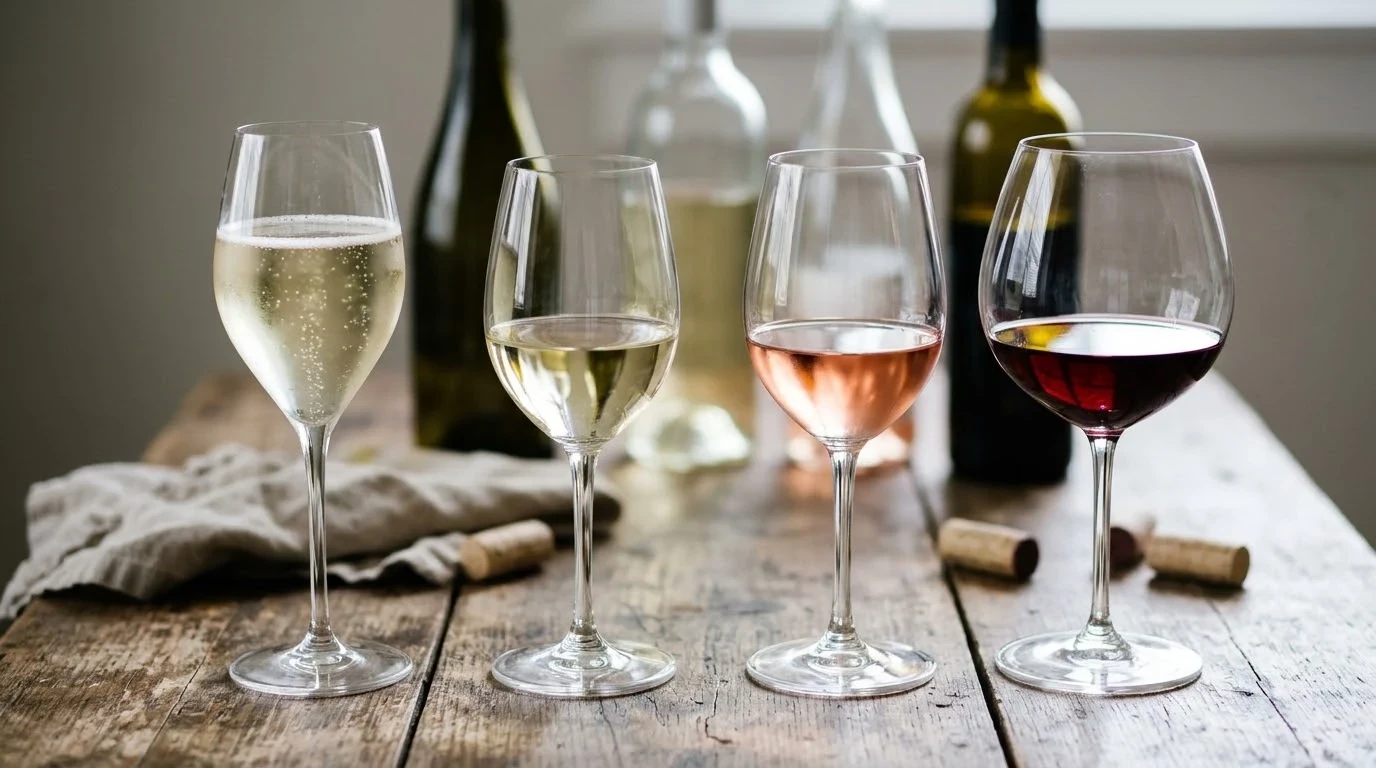
la vieille ferme wine review: La Vieille Ferme is a dependable choice for approachable, fruit-forward French wine, with red, white, and rosé styles suited to everyday meals and casual entertaining. Produced by Famille Perrin in the Southern Rhône, the range emphasizes freshness, balanced fruit, and accessible drinking rather than elaborate winemaking or extended cellar aging. The red is a natural starting point for fans of soft-tannin Rhône blends, while the rosé and white offer alternatives for lighter meals and warmer weather.
La Vieille Ferme has a recognizable identity: French regional character, familiar grape varieties, straightforward flavors, and packaging designed for different occasions. Its reputation rests on making Southern Rhône-inspired wines approachable rather than asking buyers to understand complicated appellations or seek out collectible vintages. This guide examines the range, explains what to expect from each color, and identifies the practical differences that matter when choosing a bottle.
Who This Is For: Everyday Rhône Wine Buyers
La Vieille Ferme makes the most sense for drinkers who want recognizable French wine styles without the complexity or formality associated with premium appellations. Its Southern Rhône origins provide a regional foundation, while the approachable presentation makes the wines suitable for casual dinners, picnics, and informal gatherings.
The brand is produced by Famille Perrin, the family behind Château de Beaucastel. According to Vineyard Brands, Jean-Pierre and François Perrin established La Vieille Ferme as an affordable, straightforward Rhône wine, and Vineyard Brands introduced it to the American market in 1980. That background gives the label an established winemaking connection, although buyers should distinguish the everyday La Vieille Ferme range from the family’s more prestigious wines.
These bottles are particularly appropriate for people who enjoy fruit-forward wines and do not require every glass to demonstrate substantial oak influence, unusual grape varieties, or long aging potential. The standard red combines Carignan, Cinsault, Grenache, and Syrah. These varieties provide familiar Southern French flavors, with ripe red fruit, darker berry notes, spice, and a relatively approachable tannin structure.
Rosé drinkers have another reason to consider the label. Its blend of Cinsault, Grenache, and Syrah produces a dry, refreshing style with strawberry, floral, and peach characteristics. The white offers an alternative for people who prefer a lighter-colored wine with a meal or as an aperitif.
However, La Vieille Ferme is not necessarily the right choice for someone seeking a highly concentrated, oak-driven red, a complex single-vineyard wine, or a bottle intended for decades of cellaring. Its strongest appeal is immediate enjoyment. Buyers looking for detailed terroir distinctions can also explore the separate Ventoux and Luberon selections rather than treating every bottle carrying the label as identical.
It is also a useful introduction for people learning about Southern Rhône grapes. Grenache, Syrah, Carignan, and Cinsault appear in combinations across the range, giving drinkers an accessible way to understand how blending can balance fruit, structure, and freshness.
Key Factors to Compare Before Choosing
The most useful comparisons are wine color, grape composition, flavor intensity, acidity, serving temperature, and intended meal. La Vieille Ferme is a family of wines rather than one fixed recipe, so choosing by the occasion is more helpful than relying on the brand name alone.
| Wine style | Main grapes | Typical flavor direction | Serving temperature | Best use |
|---|---|---|---|---|
| Red (Rouge) | Carignan, Cinsault, Grenache, Syrah | Cherry, red berries, blackcurrant, spice | 60–65°F | Pizza, burgers, roasted meat |
| White (Blanc) | White Rhône varieties; blend varies | Fresh fruit and a lighter white-wine profile | 45–55°F | Seafood, salads, chicken |
| Rosé | Cinsault, Grenache, Syrah | Strawberry, rose, peach, citrus freshness | 45–50°F | Picnics, salads, grilled vegetables |
| Sparkling Blanc | Product-specific sparkling blend | Fresh sparkling-wine character | 40–50°F | Aperitifs and celebrations |
| Sparkling Rosé | Product-specific sparkling blend | Refreshing sparkling rosé profile | 40–50°F | Brunch and appetizers |
The table is a practical comparison of the available styles, not a guarantee that every vintage or market has identical grape proportions. The producer’s selection includes standard Rouge, Blanc, and Rosé alongside more geographically specific wines such as Ventoux Rouge and Luberon Blanc. The sparkling wines are separate choices, rather than simply alternative names for the still wines.
For the red, pay particular attention to tannin and freshness. The standard Rouge’s combination of Carignan, Cinsault, Grenache, and Syrah creates a different experience from a Cabernet Sauvignon dominated by firm tannins. The producer describes its red as having soft tannins, cherry character, and a fresh finish. That makes it easier to match with informal meals, particularly when food contains some fat or salt. The producer’s La Vieille Ferme Rouge description provides further details about its grapes, production, and tasting profile.
The rosé has a different purpose. Its freshness and fruit make it suitable for lighter meals, while its dry character helps it work with savory food. The white is the natural direction for people who prefer a cooler, brighter drinking style. For a broader introduction to the producer’s range, the Wine Brands category provides a useful starting point for comparing other producers.
Packaging also deserves attention. Vineyard Brands lists standard bottles alongside 250 ml cans, 375 ml bottles, 1.5-liter magnums, and 3-liter formats. These options make a difference when buying for one person, a picnic, or a larger gathering. A larger container is convenient for entertaining, but the smaller format can be more practical when a bottle would otherwise remain open for several days.
Tip: Choose the wine for the food first, then select the bottle format. For a summer lunch with tomato salad, grilled vegetables, and seafood, the rosé is a natural option; for burgers and pizza, begin with the Rouge.
Step-by-Step: How to Choose a La Vieille Ferme Bottle
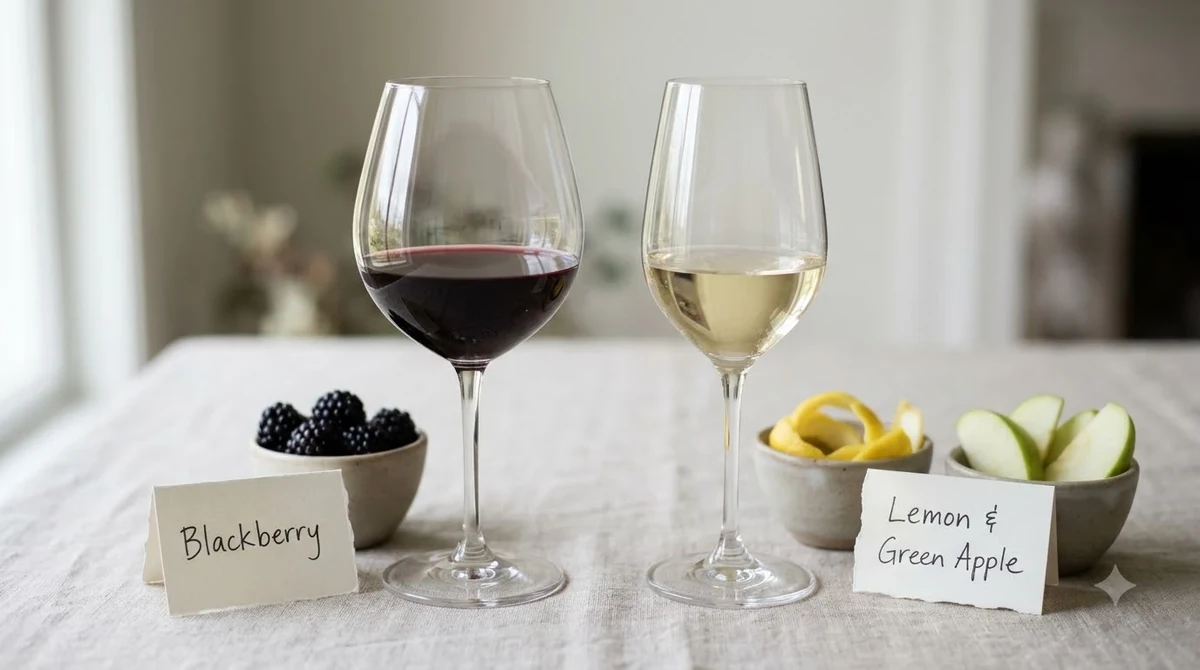
A simple selection process helps prevent confusion between the standard range and the more geographically specific wines. Start with the occasion, identify the preferred color, and then consider food, serving temperature, and bottle size.
-
Decide whether you want red, white, rosé, or sparkling wine.
Begin with the meal and the people drinking it. Choose Rouge for a casual meat-based dinner, Blanc for a lighter white-wine occasion, Rosé for a refreshing dry option, and sparkling wine for an aperitif or celebration. The standard range provides a straightforward starting point.
-
Consider the grape varieties.
The red and rosé share some Southern Rhône grapes, but the proportions and winemaking approach create different experiences. Rouge includes Carignan, Cinsault, Grenache, and Syrah, while Rosé uses Cinsault, Grenache, and Syrah. People who enjoy red-berry flavors and softer tannins may prefer the Rouge, while rosé drinkers may appreciate the floral and strawberry notes.
-
Choose between the standard and regional selections.
The producer lists Ventoux Rouge and Luberon Blanc and Rosé among its regional selections. Ventoux is associated with elegance and structure in the red wines, while the higher-altitude Luberon is associated with freshness and finesse in whites and rosés. These names are useful distinctions when choosing a more specific expression of the Southern Rhône.
-
Match the wine to the food.
For grilled burgers, roasted chicken, and pizza, consider the red. For seafood, vegetable dishes, and salads, consider the white or rosé. Tomato-heavy meals benefit from wines with sufficient acidity, making a fresh rosé or white a sensible direction.
-
Select the appropriate serving temperature.
The producer recommends approximately 63°F for its standard Rouge and 50–54°F for its Rosé. As a general wine-serving guide, lighter whites are best around 45–50°F, while fuller whites work well around 50–55°F. Sparkling wines generally benefit from a colder 40–50°F range.
-
Think about how much wine the occasion requires.
A standard 750 ml bottle provides approximately five traditional 5-ounce servings. A 250 ml can is useful for a single serving, while a 1.5-liter magnum provides approximately ten 5-ounce glasses. Larger formats can be convenient for parties, provided the wine can be consumed while fresh after opening.
-
Buy with the intended drinking window in mind.
La Vieille Ferme’s approachable styles are generally better suited to drinking relatively young than to extended bottle aging. Choose a current release for an ordinary meal rather than purchasing an older bottle on the assumption that additional age automatically improves it.
This approach also helps distinguish between a preference for a particular grape and a preference for a complete wine style. Someone who enjoys Grenache-based reds may appreciate the Rouge, but a drinker who prefers cool, citrus-led wines may be happier with the Blanc or Rosé.
Types or Styles Explained: Red, White, Rosé, and Sparkling
The La Vieille Ferme range covers several different drinking occasions, with each color emphasizing a different balance of fruit, freshness, and structure. Understanding the basic differences is more useful than assuming the red, white, and rosé will share the same flavor profile.
La Vieille Ferme Rouge
The Rouge is the most natural choice for drinkers who enjoy uncomplicated Southern French red wine. Its standard blend includes Carignan, Cinsault, Grenache, and Syrah, with the producer describing aromas of red fruit, blackcurrant, crushed strawberries, and smaller berries. Cherry and spice also feature in the producer’s tasting description.
On the palate, the wine emphasizes freshness and accessible fruit, supported by fine, integrated tannins. This is not intended to be an especially heavy or aggressively tannic red. Its softer structure makes it suitable for casual drinking, especially with food that provides enough flavor to complement the fruit without overwhelming it.
Try it with a cheeseburger, grilled sausages, mushroom pizza, roasted vegetables, or a simple beef stew. Salt and fat can soften the perception of tannin, making these foods useful partners for Southern Rhône reds. Serve around 60–65°F rather than at an excessively warm room temperature.
La Vieille Ferme Blanc
The Blanc is the option to consider when red-fruit flavors and tannins are not the priority. Its place in the range reflects the Southern Rhône’s white-wine tradition, with the producer also identifying Luberon Blanc as a regional selection associated with freshness and finesse.
White Rhône blends can offer a different combination of orchard fruit, citrus, floral aromas, and texture from the sharper acidity of many Sauvignon Blancs. The exact character depends on the particular bottling and blend, so it is important not to assume that every Blanc vintage tastes identical.
Serve lighter white styles around 45–50°F and fuller whites around 50–55°F. Pair the Blanc with roast chicken, grilled shrimp, mild cheeses, vegetable pasta, or a seafood salad. Dishes with lemon or vinaigrette benefit from a wine with sufficient acidity, rather than a soft white that tastes flat beside the food.
La Vieille Ferme Rosé
The Rosé is especially appealing for people who enjoy fresh, dry wines with red-fruit character. Famille Perrin describes its style with floral rose aromas, crushed strawberries, vine peaches, and a saline finish. The combination of fruit and freshness gives it a refreshing profile without making it a dessert-style wine.
Its grapes are Cinsault, Grenache, and Syrah. The producer describes an approach involving early-morning harvesting, pneumatic pressing, settling, and fermentation for approximately 15 days in temperature-controlled stainless-steel tanks. The emphasis on freshness helps explain why the wine is a natural choice for warm-weather meals. The producer’s La Vieille Ferme Rosé page provides its detailed tasting notes and serving recommendations.
Serve it around 45–50°F. Good food matches include grilled chicken, Mediterranean salads, seafood appetizers, tomato dishes, and grilled vegetables. It is also a useful option for people who want one bottle that can work with several lighter dishes at a gathering.
For more detailed information about the style, the dedicated La Vieille Ferme Rosé page offers a more focused look at the pink wine.
Sparkling and Regional Selections
The brand also has sparkling Blanc and Sparkling Rosé options. Vineyard Brands identifies these as separate products, introduced in 2018. They are worth considering when the occasion calls for bubbles rather than a conventional still wine. Serve sparkling wine around 40–50°F, and use appropriately shaped sparkling glasses to preserve the presentation.
Regional selections add another level of choice. Ventoux Rouge is associated with the structure and elegance of its growing area, while Luberon Blanc and Rosé are linked to altitude and freshness. The Côtes du Rhône Villages Rouge is another named selection in the producer’s portfolio. These wines should be considered individual regional expressions, not interchangeable labels for the standard bottlings.
Common Mistakes When Buying La Vieille Ferme
The biggest purchasing mistake is treating the entire label as one wine. Red, white, rosé, sparkling, and regional selections have different purposes, so choosing by bottle appearance alone can lead to an unsuitable purchase.
Assuming the red is a heavy wine: The Rouge contains Syrah, but the presence of Syrah does not automatically make the blend powerful or highly tannic. The producer describes its standard red as fresh, fruit-forward, and supported by soft tannins. Buyers seeking a very concentrated red with pronounced oak should consider a different style.
Assuming the rosé is sweet: Fruit aromas do not necessarily indicate residual sugar. Strawberry, peach, and floral notes can appear in a dry wine. The La Vieille Ferme Rosé is presented as a fresh, dry style, making it appropriate for savory food rather than only sweet snacks or desserts.
Confusing the regional selections with the standard range: Ventoux and Luberon are meaningful geographic distinctions. The producer specifically associates Ventoux with the structure of its reds and Luberon with freshness in white and rosé wines. A regional designation should therefore be considered part of the buying decision.
Serving red wine too warm: Full-bodied red wine is commonly served around 60–65°F, not at an overheated indoor temperature. A brief period in a cool room or refrigerator can help bring a bottle into a more suitable range. The Rouge’s recommended 17°C serving temperature is approximately 63°F.
Serving rosé too cold: Very cold wine can make aromas and flavor details harder to appreciate. A rosé served around 45–50°F can remain refreshing while allowing its strawberry, floral, and peach characteristics to show more clearly.
Choosing a bottle only because of the label: The familiar rooster illustration gives the range a recognizable appearance, but it does not tell buyers whether they are selecting Rouge, Blanc, Rosé, or a regional bottling. Read the wine name and color before purchasing, particularly when ordering online.
Expecting every vintage to taste identical: Grape ripeness, growing conditions, and blending decisions influence the finished wine. The producer’s descriptions of individual vintages show that harvest conditions can vary. Small differences between bottles or releases are normal and do not automatically indicate a quality problem.
Buying an older bottle for long-term cellaring: The standard range is primarily intended for approachable drinking. It is generally more sensible to buy these wines for near-term enjoyment than to assume they will improve for a decade or longer in a cellar.
Care and Storage Tips for Better Drinking
Proper serving and storage make a noticeable difference, even with approachable everyday wines. The key priorities are stable temperatures, protection from light, appropriate chilling, and sensible handling after opening.
For unopened bottles, a cool storage environment near 55°F is a useful target. Keep bottles away from direct sunlight, radiators, ovens, and areas with frequent temperature fluctuations. If a bottle has a natural cork closure, horizontal storage helps keep the cork in contact with the wine. Avoid repeatedly moving bottles between warm and cold environments.
La Vieille Ferme wines are generally intended for drinking while their fruit remains fresh. There is little reason to keep an ordinary bottle for years in the hope of developing the characteristics of a collectible Rhône wine. A dark cupboard or suitable wine refrigerator is sufficient for short-term storage, provided temperatures remain reasonably consistent.
Serving temperature deserves equal attention. The Rouge is recommended at approximately 63°F, which is slightly cooler than many heated living spaces. Rosé is recommended at approximately 50–54°F by the producer, although a 45–50°F serving range is useful for a refreshing experience. Lighter whites generally benefit from 45–50°F, while fuller whites can be served slightly warmer.
After opening, reseal the bottle and refrigerate it. A standard still wine generally remains enjoyable for approximately three to five days, although freshness declines at different rates depending on the wine, oxygen exposure, and storage conditions. A sparkling wine generally retains its best character for approximately one to three days with an appropriate sparkling-wine stopper.
Before serving an opened red again, allow it to warm slightly from refrigerator temperature. A chilled bottle of Rouge does not need to be served immediately after removal from the refrigerator. Give it enough time to approach the recommended serving temperature.
Decanting is not essential for the standard La Vieille Ferme wines. Young, full-bodied reds can sometimes benefit from 30–60 minutes of aeration, but the approachable Rouge is generally ready to enjoy without an elaborate preparation routine. If a wine seems particularly closed when first poured, allow a small amount of time in the glass before deciding that it lacks aroma.
Glassware can remain simple. A medium-sized red-wine glass works well for Rouge, while a standard white-wine glass is suitable for Blanc and Rosé. A 5-ounce pour in a 750 ml bottle provides approximately five servings, leaving enough room in the glass to appreciate the wine’s aromas.
For larger gatherings, choose the format that matches expected consumption. Vineyard Brands lists 1.5-liter and 3-liter formats in addition to smaller cans and standard bottles. Once opened, larger containers still require appropriate storage, and their convenience does not remove the need to protect the wine from excessive oxygen exposure.
Frequently Asked Questions
Who owns and produces La Vieille Ferme?
La Vieille Ferme is produced by Famille Perrin, a family associated with Château de Beaucastel. Jean-Pierre and François Perrin established the label as an accessible Rhône wine, and subsequent generations of the family have continued its production. Vineyard Brands handles its introduction and distribution in the United States.
Why is La Vieille Ferme sometimes called Chicken Wine?
The nickname comes from the rooster illustration on the recognizable label. The distinctive artwork makes the bottle easy to identify among other French supermarket wines. The nickname is informal rather than an official wine classification or appellation.
Is La Vieille Ferme suitable for serving at a dinner party?
Yes, particularly when the menu includes a mixture of casual dishes. The range includes still red, white, and rosé wines, as well as sparkling selections. The producer also lists 1.5-liter magnums and 3-liter formats, which provide practical options for larger gatherings.
Does La Vieille Ferme make wine in cans?
Yes. Vineyard Brands lists 250 ml cans for several still-wine styles, including Rouge, Blanc, and Rosé. The brand also lists four-can packaging for selected wines, providing an alternative to buying a full-size bottle.
Does La Vieille Ferme produce low-alcohol wine?
Famille Perrin’s brand portfolio includes La Plume, a separate low-alcohol range introduced in 2026 according to Vineyard Brands. Its Blanc and Rosé appear in the distributor’s product listings. La Plume should be distinguished from the standard La Vieille Ferme Rouge, Blanc, and Rosé wines.
La Vieille Ferme is best understood as an approachable Southern Rhône wine range with several useful styles rather than a single signature bottle. The Rouge suits casual red-wine drinkers, the Rosé offers a fresh and dry option, and the Blanc provides an alternative for lighter meals. Start with the color that matches your food and occasion, then explore the Ventoux and Luberon selections if you want a more specific regional expression.
For a closer look at the range, explore our La Vieille Ferme wine and La Vieille Ferme white wine guides before choosing your next bottle.
More in Wine Brands
 Louis Latour Wine Price: Compare Bottles by Style and TierUpdated Nov 20, 2026
 Yellow Tail Moscato Price: What to Expect Before You BuyUpdated Nov 20, 2026
 Sutter Home Sweet Red Review: Find the Right Food PairingsUpdated Nov 20, 2026
 Franzia Chillable Red Review: Find the Right Serving StyleUpdated Nov 20, 2026
 Veuve Clicquot Rose Review: Flavor, Food Pairings and Buying AdviceUpdated Nov 20, 2026
 Rombauer Wine Price: Compare Bottles Before You BuyUpdated Nov 20, 2026