

We may earn a commission when you buy through links on this page, at no extra cost to you. Learn more.
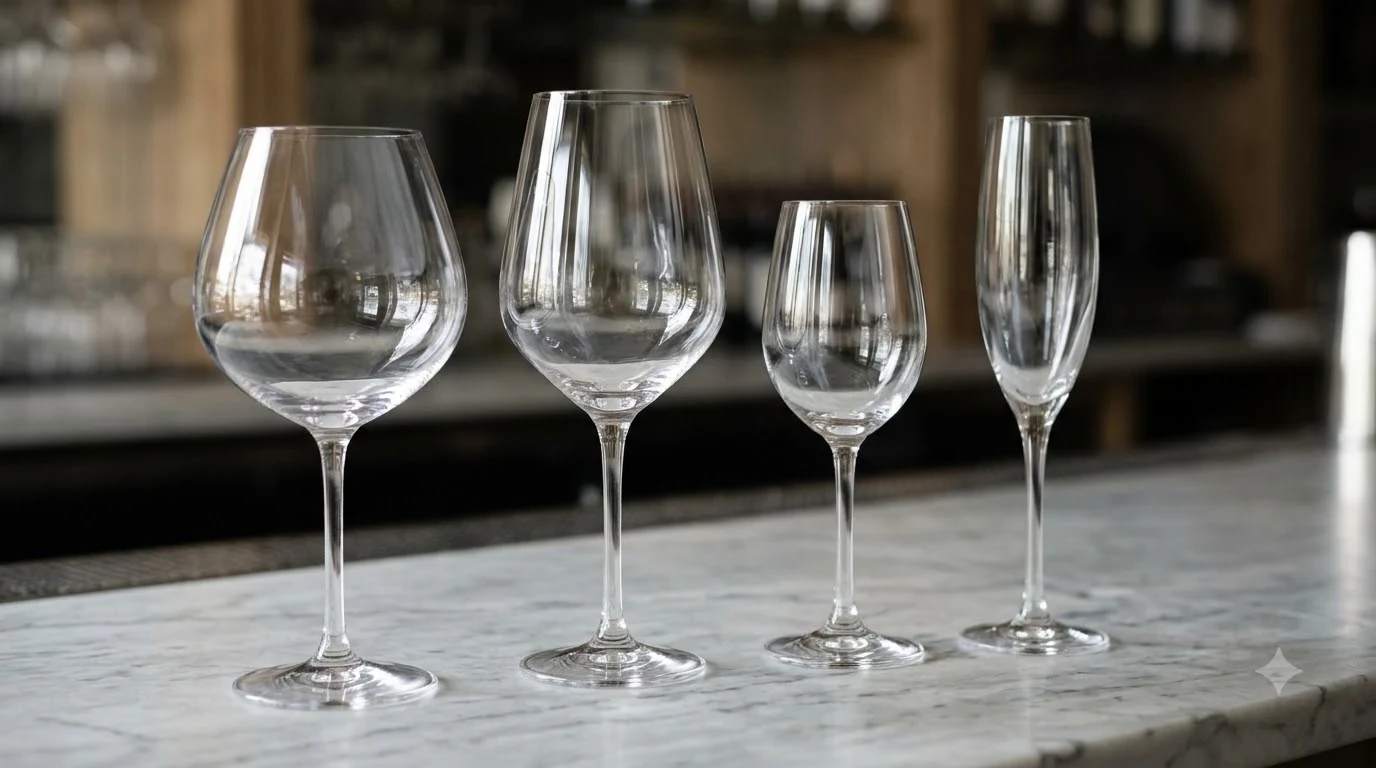
Kosta Boda crystal wine glasses are an excellent choice for wine drinkers who value distinctive Swedish design, decorative craftsmanship and thoughtfully shaped bowls. The Line collection offers hand-applied glass detailing and mouth-blown construction, while Château features a sculptural twisted shape and traditional optical pattern. Both collections have attractive options for red and white wine, although their hand-washing requirements make them less convenient than some everyday alternatives.
Kosta Boda occupies an interesting position between functional stemware and decorative glass design. Its wine glasses are not simply interchangeable drinking vessels: individual collections have recognizable visual details, different capacities and specific care requirements. Choosing the right one means considering the way a glass looks, how it feels in the hand, the wines it will serve and how much maintenance it requires. This review examines the principal collections, identifies their strengths and limitations, and explains which models make the most sense for different wine-drinking habits.
Specs and Key Features
Kosta Boda’s wine glasses combine crystal glass construction with collection-specific design details. Line emphasizes a hand-applied spun glass thread, while Château uses a twisted mouth-blown form that catches and reflects light.
The distinction between these collections matters because their visual character and physical proportions are quite different. Line, designed by Anna Ehrner, has a relatively clean silhouette with an ornamental thread running around the glass. Château, designed by Bertil Vallien, takes a more sculptural approach. Its distinctive optical pattern gives the bowl a decorative appearance even before wine is poured.
The following comparison uses specifications published by Kosta Boda. Capacities are shown in centiliters, with approximate US fluid-ounce equivalents to make the sizes easier to understand.
| Collection and model | Designer | Capacity | Height | Care |
|---|---|---|---|---|
| Line wine glass | Anna Ehrner | 35 cl / 11.8 oz | 230 mm / 9.1 in | Hand wash |
| Line XL wine glass | Anna Ehrner | 67 cl / 22.6 oz | 255 mm / 10 in | Hand wash |
| Château wine glass | Bertil Vallien | 20 cl / 6.8 oz | 174 mm / 6.9 in | Hand wash |
| Château wine glass | Bertil Vallien | 35 cl / 11.8 oz | 215 mm / 8.5 in | Hand wash |
| Château XL wine glass | Bertil Vallien | 61 cl / 20.6 oz | 245 mm / 9.6 in | Hand wash |
| Nutid white wine glass | Mattias Stenberg | 39 cl / 13.2 oz | 210 mm / 8.3 in | Dishwasher-safe |
One important distinction is that crystal glass does not automatically mean every glass in a brand’s range has identical material specifications or manufacturing methods. The Line and Château models discussed here are identified by Kosta Boda as crystal glass and mouth-blown. Nutid provides a different option, using machine-made crystal with a more contemporary profile. The manufacturer also describes its Nutid 39 cl white wine glass as food-safe and dishwasher-safe.
For shoppers comparing crystal wine glasses, these specifications provide a useful starting point. A 20 cl bowl suits smaller servings and lighter styles, while a 61 cl or 67 cl glass offers substantially more room around the wine. Capacity is not the same as a recommended serving size, however. A standard 5 oz pour leaves considerable space in even a moderately sized wine glass.
The dimensions also deserve attention. A 255 mm stemmed glass may look striking on a dining table, but it needs more cabinet clearance and careful handling than a shorter 174 mm option. Buyers should consider storage space before choosing the largest models.
For the manufacturer’s specifications and product details, consult the official Kosta Boda Line 35 cl wine glass listing, which identifies its designer, capacity, dimensions, material and cleaning instructions.
What Owners and Design Enthusiasts Like
The strongest appeal of Kosta Boda wine glasses is their recognizable appearance. The Line collection offers an understated decorative detail, while Château creates a more dramatic presentation through its twisted form and optical pattern.
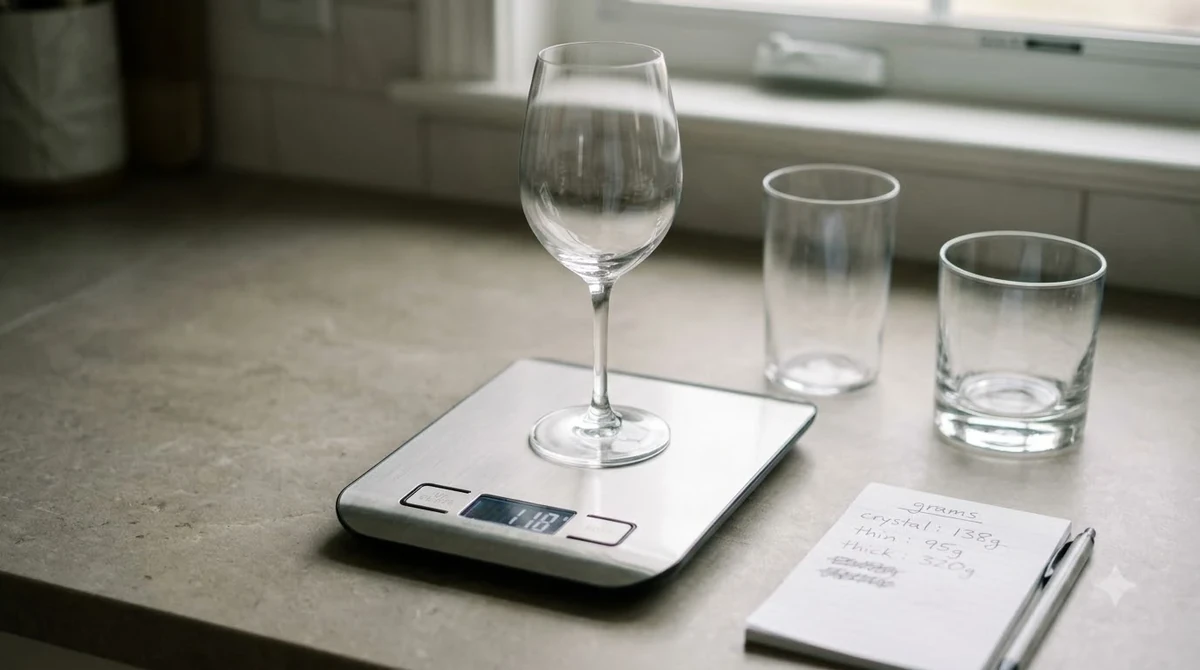
Line has a particularly identifiable design. Its defining feature is a fine thread of spun glass applied by hand around the body. Anna Ehrner’s design gives the collection a recognizable decorative element without requiring elaborate engraving, colored glass or an unusually complicated silhouette. The result can work with both contemporary table settings and more traditional dining rooms.
There is also a practical reason to appreciate the collection’s range. Line includes multiple wine glass capacities alongside tumblers, champagne glasses, beer glasses, cognac glasses and other drinkware. Someone who enjoys coordinated table settings can build a collection around the same visual language instead of combining unrelated designs. Its production history dates to 1982, giving the collection a long-established identity rather than the appearance of a short-lived seasonal design.
Château appeals to a different audience. Created in 1981 and designed by Bertil Vallien, it has a more expressive appearance. The mouth-blown construction and twisted bowl produce changing reflections as the glass moves. On a dinner table, the optical pattern can provide visual interest even when the glass is empty.
The range of capacities also gives Château some flexibility. The 20 cl version has a smaller bowl intended for white wines, while the 35 cl glass offers a more generous shape. The 61 cl XL model provides additional room for red wines. This makes the collection suitable for households that want several complementary glass sizes rather than one universal design.
Another positive is that Kosta Boda publishes meaningful specifications for individual products. Capacity, height, width, material and care instructions are available for the models discussed here. That information helps shoppers distinguish between glasses that might look similar in photographs but have noticeably different proportions.
For people who enjoy collecting designed tableware, the creative identities of Anna Ehrner and Bertil Vallien provide another reason to consider these collections. Their designs have recognizable differences, allowing buyers to select stemware based on personal style rather than relying solely on generic red-wine and white-wine labels.
There is also a gifting advantage. A carefully selected glass from Line or Château can serve as a more distinctive present than an ordinary matching set. The sculptural character of Château makes it particularly suitable for someone interested in decorative glass, while Line may appeal to someone who prefers restrained detailing.
Common Complaints and Practical Limitations
The main drawback of several Kosta Boda wine glasses is their care requirements. Hand washing takes more time than putting ordinary everyday stemware into a dishwasher, and delicate decorative details require additional attention.
The Line 35 cl glass is explicitly identified by Kosta Boda as not dishwasher-safe. Château models also carry hand-washing instructions. This is an important limitation for households that regularly wash several glasses after dinner parties or prefer to clean all their tableware in one dishwasher cycle.
Hand washing is not especially complicated, but it does require a suitable routine. The glass should be supported by its bowl rather than twisted while holding the stem. Excessive pressure at the connection between the stem and bowl can put unnecessary stress on a delicate glass. A soft cloth and lukewarm water are preferable to abrasive cleaning materials.
Another potential concern is the decorative construction. The Line thread gives the glass its distinctive identity, but it also means the surface is not as visually simple as an ordinary smooth-sided wine glass. Someone who prefers completely minimal stemware may find the detail unnecessary.
Château presents a different compromise. Its twisted shape is visually appealing, but buyers who prefer a traditional, uninterrupted bowl may find the optical pattern too prominent. It is a design-led choice rather than a completely neutral piece of restaurant-style glassware.
Size is another consideration. The Line 67 cl and Château 61 cl glasses are relatively tall. They may not fit comfortably in every kitchen cabinet or dishwasher rack. Their larger bowls also require more room on the dining table, particularly when several guests have place settings close together.
There is also a difference between a manufacturer’s description of craftsmanship and a guarantee of long-term durability. Mouth-blown construction and decorative detailing make a glass interesting, but they do not make it immune to chips, scratches or accidental breakage. Buyers should treat these pieces as carefully maintained stemware rather than heavy-duty everyday tumblers.
Finally, shoppers should pay attention to model numbers when replacing a glass. Two Château models can share the same 35 cl capacity while having different widths and proportions. The 68 mm-wide version is taller and narrower than the 90 mm-wide alternative. Ordering by collection name and capacity alone can therefore produce the wrong shape.
Who Should Buy Kosta Boda Crystal Wine Glasses?
Kosta Boda is best suited to people who appreciate designed tableware and are comfortable giving their stemware some attention. The Line and Château collections are particularly appealing to collectors, design enthusiasts and hosts who want their glassware to contribute to the overall presentation of a meal.
Line is a strong choice for buyers who prefer a recognizable but relatively restrained design. Its hand-applied spun thread adds personality without making the entire glass look ornate. The 35 cl model is a sensible option for people who mainly serve white wines, while the 67 cl version offers more room for red wines.
Château is better suited to buyers who want something more visually expressive. Its optical pattern and twisted bowl make it a noticeable part of the table setting. The collection’s different capacities also provide room to select smaller or larger bowls according to preferred wine styles.
For people who regularly serve Cabernet Sauvignon, Syrah or other full-bodied reds, the larger Château 61 cl glass is worth considering. A generous bowl provides space for swirling and allows aromatic compounds to collect above the wine. It is also a more substantial visual statement than a conventional smaller wine glass.
For Sauvignon Blanc, Riesling and other aromatic white wines, the smaller Château 20 cl glass or Line 35 cl model can be appropriate. Their capacities differ, so the choice should depend on preferred proportions and presentation rather than assuming every white wine needs the smallest available bowl.
There are also practical alternatives within the brand. Someone who likes Kosta Boda’s design language but wants more convenient cleaning may prefer Nutid. Its 39 cl white wine glass is machine-made and dishwasher-safe, according to the manufacturer. That makes it a more straightforward option for frequent household use.
On the other hand, these glasses are not ideal for everyone. Buyers who prioritize inexpensive replacement pieces, dishwasher convenience or very simple storage may find other stemware more suitable. People who entertain large groups every weekend may also prefer less delicate glasses that can be cleaned and stored with minimal effort.
Someone furnishing a first apartment may be better served by choosing a practical everyday set first and adding Kosta Boda pieces later. This approach keeps the more decorative glasses available for dinners and special occasions without requiring every household member to handle them with the same level of care.
Before purchasing, consider how many glasses are actually needed. A household that usually drinks wine with two people may find a small collection more useful than purchasing several large matching sets. Buyers who frequently host eight guests should also consider replacement availability and whether the chosen collection offers the necessary number of matching pieces.
Tip: If you are choosing between Line and Château, compare the actual bowl width as well as capacity. A 35 cl glass can have a narrow, taller profile or a wider, more open bowl, producing a noticeably different drinking and serving experience.
How It Compares to Alternative Kosta Boda Collections
Line and Château are the most distinctive choices for buyers interested in mouth-blown decorative stemware, but Nutid offers a useful alternative within the same brand. The three collections illustrate different priorities: handcrafted visual details, sculptural traditional glass design and practical contemporary tableware.
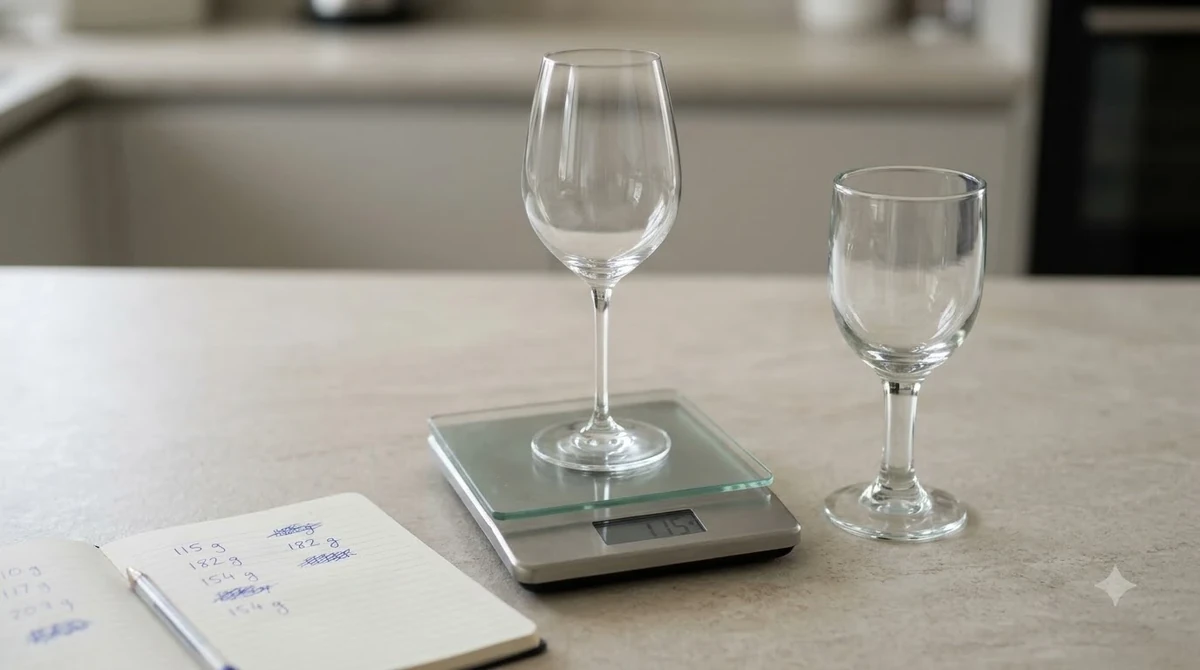
Line is the most restrained of the three. Its spun glass thread is a recognizable design feature, but the general silhouette remains relatively straightforward. The collection works well for buyers who want something more interesting than plain stemware without making the glass the central feature of the table setting.
Château takes a more decorative direction. Its twisted bowl and optical pattern produce a stronger visual effect. The collection was created in 1981 and has a long-established design identity. It is a particularly appealing choice for people who enjoy artistic glassware and want their stemware to have a distinctive appearance.
Nutid offers a more contemporary alternative. Designed by Mattias Stenberg, the collection uses soft lines, a tall slender stem and a clear transition between the stem and bowl. Kosta Boda describes the series as machine-made crystal, with wine, flute, cocktail, aperitif, beer and water glasses among its available formats.
The practical distinction is particularly important. The Nutid 39 cl white wine glass is dishwasher-safe, while the specific Line and Château glasses discussed in this review require hand washing. That difference can matter more than appearance for someone who drinks wine regularly and does not want additional cleaning tasks.
For shoppers who are still comparing different styles of wine glasses, the most useful question is whether decorative character or everyday convenience matters more. There is no requirement to choose only one approach. A household can use Nutid for routine meals and reserve Château or Line for occasions when presentation is more important.
Another consideration is consistency across a table. A collection designed around several different drink types makes it easier to create a coordinated setting. Line offers wine, champagne, beer and spirit glasses, while Château has complementary drinkware and serving pieces. Nutid also offers several types of drinking glasses and a carafe.
Buyers who want to compare more manufacturers can explore the broader Glassware Brands selection. Looking at several brands is useful because crystal construction, bowl dimensions, stem length and cleaning instructions vary considerably. A visually attractive glass is not automatically the most practical choice for every household.
For a more specific material comparison, shoppers interested in lead free crystal wine glasses should distinguish between products with explicit lead-free material descriptions and products simply identified as crystal glass. The Nutid 39 cl product page provides a machine-made crystal specification, while the individual Line and Château pages identify their material as crystal glass. Those descriptions should not be treated as interchangeable proof of a particular chemical composition.
In short, Line is the better fit for restrained decorative design, Château for a more expressive traditional appearance, and Nutid for households that put convenient cleaning higher on their list of priorities.
Care, Cleaning and Storage Tips
Proper care is important for preserving the appearance of Kosta Boda crystal wine glasses. The Line and Château models discussed here require hand washing, while selected alternatives such as Nutid have different cleaning instructions.
Start by separating the glasses according to their specific care requirements. This prevents an attractive hand-wash-only glass from being accidentally placed in a dishwasher simply because another piece from the same manufacturer is dishwasher-safe. Kosta Boda divides its glassware into three categories: dishwasher-safe, machine wash with care and hand wash only.
For hand-washing Line and Château, use lukewarm water and a mild dishwashing detergent. Avoid sudden temperature changes, which can place unnecessary stress on glass. Hold the bowl securely while cleaning rather than gripping the stem and twisting it. Rinse thoroughly to remove detergent residue.
Drying requires similar care. A clean, lint-free cloth helps remove water spots, but the glass should not be forced into a tight twisting motion. Support the bowl and base carefully, especially when drying the narrower connection between the stem and bowl.
Dishwasher-safe models require a different approach. Kosta Boda recommends a gentle or eco-friendly dishwasher program operating at approximately 50°C for suitable glassware. The company also advises against excessive detergent, giving approximately 4 g/l as an upper dosing guideline. These recommendations should be applied only to glasses designated for machine cleaning.
Glass placement is another important detail. Avoid allowing wine glasses to touch each other during a dishwasher cycle. Contact between pieces can cause chipped edges or other damage, particularly when the machine is moving through a wash and rinse cycle.
Storage should also be considered carefully. Do not stack wine glasses on top of one another. Kosta Boda warns that glass-to-glass contact can produce scratches that become more noticeable over repeated cleaning cycles. Store stemware separately with enough space to prevent accidental collisions when removing other dishes.
Keeping the glasses upright in a suitable cabinet can also be helpful. Avoid placing them where they can be knocked over by larger plates, cookware or frequently used kitchen items. A dedicated shelf or stemware rack offers a more controlled storage arrangement.
Occasionally inspect the rims and stems for chips or damage. Even a small damaged area can become more noticeable during use. Glasses with damaged edges should be removed from regular service rather than continuing to use them as if nothing has changed.
For glasses that have remained unused for extended periods, Kosta Boda recommends washing them a few times each year. The company explains that prolonged exposure to humidity can contribute to an alkaline film on glass surfaces. Regular cleaning helps prevent this type of surface problem from developing unnoticed.
Finally, avoid abrasive sponges, harsh scouring products and aggressive polishing. The goal is to preserve the clarity and finish of the glass, not to remove marks by applying unnecessary pressure. A consistent, gentle cleaning routine is a better approach for maintaining decorative crystal stemware.
Frequently Asked Questions
Where are Kosta Boda wine glasses made?
Kosta Boda’s glassmaking heritage is associated with Kosta in the Småland region of Sweden. The company’s glassworks have a history extending back to 1742. However, production location can vary across products, so a brand’s Swedish heritage should not be taken as confirmation that every individual glass is manufactured in Sweden.
Can Kosta Boda wine glasses be used for sparkling wine?
Yes, although a dedicated sparkling wine glass may be more appropriate for preserving the presentation of bubbles. Kosta Boda’s Château collection includes a 21 cl champagne flute with a long, narrow bowl. The Line collection also includes a 15 cl champagne glass.
How much wine should be poured into a large Kosta Boda glass?
A standard wine serving is approximately 5 ounces, even when the glass has a capacity exceeding 20 ounces. Leaving space above the wine makes swirling easier and provides room for aromas to collect. A large bowl does not mean that the glass should be filled to its maximum capacity.
Do Kosta Boda crystal wine glasses make suitable wedding gifts?
They can make thoughtful wedding gifts, particularly for couples who appreciate Scandinavian design and decorative tableware. A matching pair from Château or Line is a natural starting point. It is also useful to consider whether the recipients prefer hand-wash-only glassware or more convenient dishwasher-safe pieces.
Can cloudy marks on Kosta Boda glasses be removed?
Some cloudy marks are caused by mineral deposits rather than permanent damage. Kosta Boda recommends using vinegar to address limescale, including a vinegar treatment followed by rinsing. If cloudiness remains, the surface may have developed glass corrosion, which is different from removable mineral residue.
Kosta Boda crystal wine glasses are worth considering for buyers who appreciate distinctive Swedish design, carefully developed proportions and decorative craftsmanship. Line is the more restrained choice, Château offers a stronger artistic presence, and Nutid provides a practical alternative for everyday use. Choose according to your preferred wine styles, available storage space and willingness to hand wash delicate stemware, and the resulting collection can serve both everyday enjoyment and special occasions.
More in Wine Glasses
 Spiegelau Crystal Wine Glasses That Bring Clarity to Every PourUpdated Nov 21, 2026
 Zalto Crystal Wine Glasses: Are They Worth the Investment?Updated Nov 21, 2026
 Villeroy And Boch White Wine Glasses for a More Cohesive TableUpdated Nov 21, 2026
 Zalto Wine Glasses On Sale: Find the Right Denk’Art GlassUpdated Nov 21, 2026
 Zwiesel Glas Champagne Glasses: Features, Quality and Buying AdviceUpdated Nov 21, 2026
 Zwiesel Glas Decanter Review: A Durable, Elegant Choice for Wine ServiceUpdated Nov 21, 2026