

We may earn a commission when you buy through links on this page, at no extra cost to you. Learn more.
The korbel extra dry alcohol content is 12% ABV (alcohol by volume), equivalent to 24 proof. This California sparkling wine has a light, fruit-forward character with a slightly sweet finish, making it a popular choice for celebrations, brunch, and appetizers. A standard 750 ml bottle contains approximately five 5-ounce servings, with each serving providing about 0.6 fluid ounces of pure alcohol.
Understanding the alcohol content of Korbel Extra Dry helps you compare it with other sparkling wines, estimate how much alcohol is in a glass, and decide whether its sweetness and flavor profile suit your occasion. Although the word Extra Dry sounds like a description of an extremely dry wine, Korbel’s version is actually off-dry, meaning it has a noticeable touch of sweetness balanced by refreshing acidity. Its traditional bottle-fermentation method, four-grape blend, and approachable flavor profile make it different from several other sparkling wines commonly found in American wine shops.
Korbel Extra Dry Alcohol Content: The Exact ABV
Korbel Extra Dry contains 12% alcohol by volume, making it a moderately alcoholic sparkling wine within the typical range for many traditional-method bottles. The producer lists this specification on its official product information, and the same figure appears in its broader brand portfolio information.
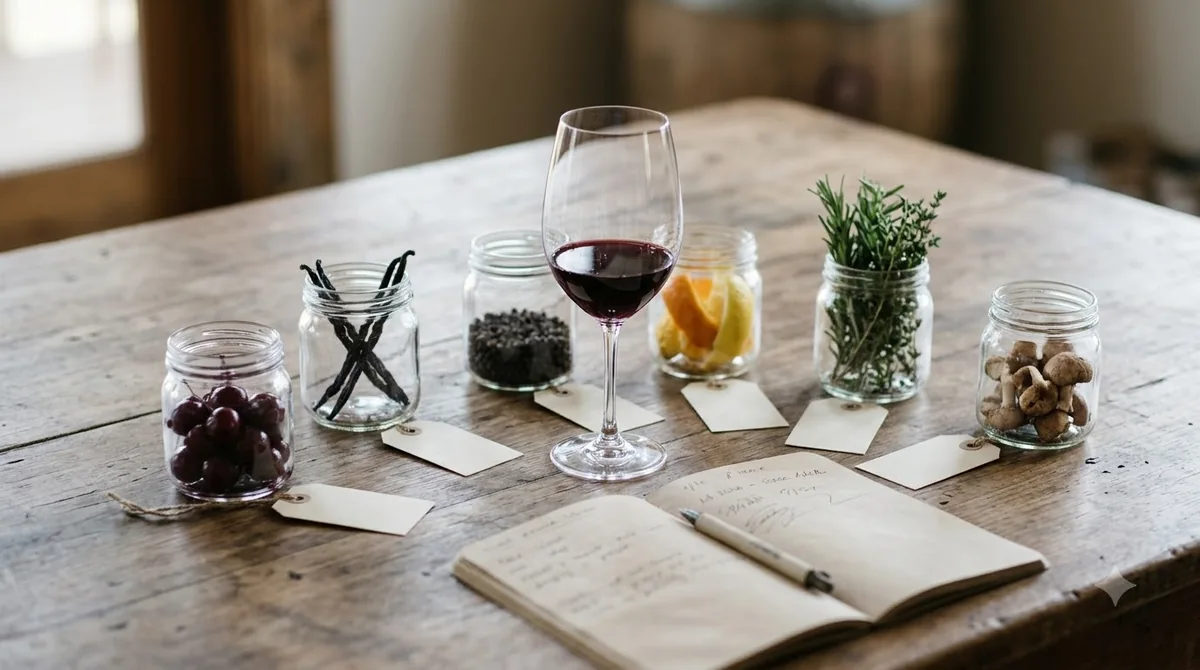
ABV measures the percentage of a beverage’s total liquid volume that consists of pure alcohol. At 12% ABV, every 100 milliliters of Korbel Extra Dry contains approximately 12 milliliters of pure alcohol. This measurement helps consumers compare different wines regardless of their bottle size or serving format.
The US proof system provides another way to express alcohol strength. Proof is calculated by multiplying the ABV by two, so Korbel Extra Dry’s 12% ABV corresponds to 24 proof. This is a useful conversion when comparing wine with spirits, although proof is less commonly printed on wine labels.
The following figures summarize the producer’s stated alcohol specification and the practical measurements associated with a standard bottle.
| Measurement | Korbel Extra Dry |
|---|---|
| Alcohol by volume | 12% |
| US proof equivalent | 24 proof |
| Standard bottle size | 750 ml |
| Alcohol in 100 ml | 12 ml |
| Alcohol in a 5 oz pour | 0.6 fl oz |
| Alcohol in a 750 ml bottle | 90 ml |
| Alcohol in a 1.5 L bottle | 180 ml |
These figures distinguish alcohol concentration from total alcohol quantity. A larger bottle does not have a higher ABV simply because it contains more wine. Instead, it contains more total liquid and therefore more alcohol overall. A 1.5-liter bottle of Korbel Extra Dry has twice the volume and twice the total alcohol of a 750 ml bottle, assuming the same 12% ABV.
The 12% figure is the appropriate starting point when comparing this wine with other bottles. Some retailer listings can display different specifications, but Korbel’s own product information identifies 12% as the alcohol content of its Extra Dry cuvée.
How Much Alcohol Is in a Glass or Bottle?
A typical 5-ounce glass of Korbel Extra Dry contains approximately 0.6 fluid ounces of pure alcohol. A standard 750 ml bottle provides about five such servings, while the larger 1.5-liter format provides approximately ten.
The calculation is straightforward. A 5-ounce serving contains approximately 148 milliliters of wine. Multiplying that volume by 0.12 gives approximately 17.8 milliliters of pure alcohol, or 0.6 US fluid ounces. The actual amount can vary slightly with pouring accuracy and glass measurements.
For a better understanding of different bottle formats, the following table compares the serving capacity and total alcohol in commonly available Korbel Extra Dry sizes.
| Bottle format | Wine volume | Approx. 5 oz servings | Total pure alcohol |
|---|---|---|---|
| Single serving | 187 ml | 1.26 | 22.4 ml |
| Standard bottle | 750 ml | 5.07 | 90 ml |
| Magnum | 1,500 ml | 10.14 | 180 ml |
Korbel’s product range includes 187 ml individual bottles, standard 750 ml bottles, and 1.5-liter bottles. The smaller format is useful for a single occasion or a smaller serving, while a standard bottle is suitable for a small gathering. A magnum offers twice the quantity of a regular bottle without changing the wine’s alcohol concentration.
There is also an important distinction between a glass measurement and a serving recommendation. Sparkling wine glasses come in different shapes and capacities, and a flute can hold considerably more than a single 5-ounce serving. A large glass filled close to the rim can therefore contain substantially more wine than a conventional measured pour.
For comparison, the US standard-drink definition uses 14 grams of pure alcohol. A 5-ounce glass of wine at 12% ABV contains approximately 14 grams of alcohol, placing it close to one US standard drink. This comparison is useful for understanding the quantity of alcohol rather than relying on the number of glasses alone.
Why Extra Dry Tastes Sweeter Than Its Name Suggests
Korbel Extra Dry is an off-dry sparkling wine, not a bone-dry wine. Its name comes from traditional sparkling-wine terminology, in which Extra Dry describes a style with more residual sugar than Brut.
This distinction is important because the word dry can mean something different in everyday conversation than it does in sparkling-wine classification. Many people associate Extra Dry with less sweetness than Brut, but the established terminology works in the opposite direction. Extra Dry generally has a sweeter profile than Brut, although it remains less sweet than Demi-Sec or Doux.
WSET identifies the commonly used sweetness categories according to residual sugar concentration. The typical classification progresses from Brut Nature through Extra Brut, Brut, Extra Dry, Sec, Demi-Sec, and Doux. Extra Dry generally falls within the 12–17 grams-per-liter range.
The following comparison explains how the main sparkling-wine sweetness terms relate to one another.
| Label term | Typical residual sugar | General taste |
|---|---|---|
| Brut Nature | 0–3 g/L | Very dry |
| Extra Brut | 0–6 g/L | Bone dry to very dry |
| Brut | 0–12 g/L | Dry |
| Extra Dry | 12–17 g/L | Lightly sweet or off-dry |
| Sec (Dry) | 17–32 g/L | Noticeably sweet |
| Demi-Sec | 32–50 g/L | Sweet |
| Doux | More than 50 g/L | Very sweet |
These are general classification ranges rather than a claim that Korbel publishes an exact residual-sugar measurement for every bottle. Korbel lists a dosage specification of 1.50%, but dosage information and a finished wine’s measured residual sugar are not automatically interchangeable. The distinction matters because sweetness depends on the finished wine’s overall composition, not simply one isolated production figure.
Korbel explains that the Extra Dry designation has historical origins. Earlier sparkling wines were often considerably sweeter, and the terminology developed as producers introduced progressively drier styles. The name remained in use even as consumer expectations and modern sweetness classifications changed.
For anyone comparing the wine with a drier sparkling option, the korbel brut alcohol content provides a useful starting point. Both wines can have similar alcohol concentrations while offering noticeably different levels of sweetness.
Tip: If you prefer sparkling wine with a little fruit-forward sweetness rather than a completely dry finish, Korbel Extra Dry is a more suitable style to explore than Brut Nature or Extra Brut. Remember that sweetness and alcohol strength are separate measurements: a sweeter wine is not necessarily stronger.
Grapes, Fermentation, and Flavor Characteristics
Korbel Extra Dry combines four grape varieties and uses traditional bottle fermentation to produce its bubbles. Its blend brings together soft fruit character, acidity, structure, and depth, creating a sparkling wine with a light, approachable profile.
According to the producer, Chenin Blanc contributes a soft, fruit-forward character, while Chardonnay adds structure and flavors associated with citrus and baked apple. French Colombard supplies bright, crisp fruit characteristics, and Pinot Noir provides additional roundness and depth.
The combination is important because sparkling wine does not depend on one grape variety alone for its final character. Each component contributes a different structural or aromatic feature. The blend allows Korbel to balance freshness and fruit while maintaining a consistent house style across its non-vintage production.
The producer also lists 100% stainless-steel fermentation for Extra Dry. Stainless steel is commonly used to preserve fresh fruit characteristics and avoid the additional flavors associated with extensive oak contact. In this wine, the approach supports a clean, lively profile rather than an overtly oaky or heavily textured style.
The traditional bottle-fermentation process
Korbel makes Extra Dry using the traditional méthode champenoise process. This involves a second fermentation inside the bottle, where yeast converts added sugar into alcohol and carbon dioxide. Because the gas remains trapped in the sealed bottle, it creates the bubbles associated with sparkling wine.
The process also involves lees management, riddling, and disgorgement. Lees are the spent yeast cells remaining after fermentation. During ageing, they can contribute additional aromas and textures. Riddling gathers sediment near the bottle neck, and disgorgement removes it before the final dosage and closure.
WSET explains that traditional-method sparkling wines develop their carbonation through secondary fermentation in the bottle. This distinguishes them from tank-method wines, such as many Proseccos, in which the secondary fermentation occurs in a sealed stainless-steel tank.
For additional background on how these production choices affect bubbles, aromas, and sweetness, the WSET guide to sparkling wine production methods provides a useful explanation of the different techniques.
Korbel Extra Dry Compared With Other Sparkling Wines
Korbel Extra Dry has a 12% ABV, placing it within a familiar range for sparkling wines. Its alcohol concentration is not especially high or low for the category, so sweetness, grape composition, production method, and serving size are more useful factors when deciding how it compares with other bottles.
One important comparison is Korbel Brut. Both are California sparkling wines from the same producer, but their sweetness classifications differ. Extra Dry has a more noticeable sweet impression, while Brut generally offers a drier finish. Their alcohol concentrations should be compared using the specifications for the particular bottlings rather than assuming the sweetness difference indicates a difference in ABV.
Prosecco provides another useful comparison. Many Proseccos are produced from Glera grapes using the tank method, which preserves fresh, primary fruit aromas. Korbel Extra Dry instead uses four varieties and traditional bottle fermentation. These production differences can influence bubble texture, aromatic development, and the overall impression of the wine.
Still wines also provide a helpful reference point. Pinot Grigio is commonly made without carbonation and generally has a different texture and serving experience from sparkling wine. A bottle of Pinot Grigio with a similar ABV can contain approximately the same alcohol concentration even though it does not have the same bubbles or sweetness profile.
For readers comparing alcohol specifications across everyday wines, the black box pinot grigio alcohol content and cavit pinot grigio alcohol content provide useful examples of how still-wine ABV varies between brands and bottlings.
The important takeaway is that alcohol percentage and wine style should be considered separately. A 12% sparkling wine can taste sweeter, more acidic, or more refreshing than a 12% still wine without having a different alcohol concentration. Carbonation and residual sugar influence the drinking experience, while ABV measures alcohol strength.
Best Serving Temperature and Food Pairings
Korbel Extra Dry is best served well chilled, around 40–50°F, to preserve its refreshing bubbles and make its fruit-forward character appealing. Its off-dry profile also makes it versatile with creamy cheeses, dried fruits, savory appetizers, and moderately spicy dishes.
Temperature affects how sparkling wine presents its aromas and texture. Serving it too warm can make the alcohol and sweetness seem more prominent, while excessive chilling can reduce the wine’s aromatic expression. A temperature in the lower-to-middle portion of the 40–50°F range is a practical starting point for a refreshing glass.
Food pairing is particularly straightforward because Korbel Extra Dry combines acidity, carbonation, and a little sweetness. The acidity helps refresh the palate after rich foods, while the bubbles provide contrast against creamy textures. The touch of sweetness also makes the wine a useful partner for dishes with mild chili heat.
Foods that work particularly well
Korbel recommends double- and triple-cream cheeses, dried fruits, pâté, and spicy Asian cuisine. Creamy cheeses work because their fat softens the impression of acidity, while the wine’s bubbles help refresh the palate. Dried fruits complement its fruit-forward character without overwhelming the wine’s lighter structure.
Charcuterie is another suitable choice. Salty cured meats and pâté provide savory contrast to the slightly sweet wine, while the acidity and carbonation help balance richer bites. Fresh seafood can also work, particularly when served with citrus-based sauces or relatively mild seasonings.
For Asian-inspired meals, dishes featuring ginger, cilantro, and moderate chili seasoning can complement the wine’s citrus and spice notes. However, very hot chili dishes may make alcohol seem more prominent, so milder preparations are generally easier to pair successfully.
Korbel Extra Dry is also suitable for brunch. It can be served by itself or used in a mimosa with orange juice. Orange juice adds fruit sweetness and acidity, creating a familiar brunch drink. The amount of sparkling wine in the finished cocktail determines how much alcohol it contains, so the ABV of the original wine should not be confused with the final cocktail’s alcohol concentration.
For a simple serving plan, chill the bottle before guests arrive, prepare a selection of creamy cheese and dried fruit, and open the sparkling wine shortly before serving. Use clean, suitable sparkling-wine glasses and avoid filling them to the rim. These small details help preserve the bubbles and make each pour easier to measure.
How to Store and Preserve an Open Bottle
Korbel Extra Dry should be stored in a cool, dark place before opening and refrigerated after opening. An opened bottle of sparkling wine generally retains its best character for approximately one to three days when kept cold and sealed with a suitable sparkling-wine stopper.
Temperature consistency matters during storage. Keeping the bottle away from direct sunlight, radiators, and other sources of heat helps protect its freshness. For longer-term storage, a cool location around 55°F is a useful general target for wine bottles, with bottles traditionally stored on their sides when appropriate for their closure.
Once opened, sparkling wine loses carbon dioxide over time. This gradual loss of carbonation can make the wine seem flatter and less refreshing, even if its underlying alcohol content remains approximately the same. Refrigeration slows the decline in quality, while a stopper designed for sparkling wine helps retain pressure.
A regular still-wine stopper is not necessarily as effective for sparkling wine because the bottle contains pressurized carbon dioxide. A purpose-built sparkling-wine stopper is designed to grip the bottle securely and help preserve its bubbles.
For the best experience, keep the remaining wine refrigerated immediately after pouring. Avoid leaving an opened bottle on a dining table overnight, particularly in a warm room. If the wine has lost most of its bubbles or its fresh fruit aromas, its original sparkling character will be diminished.
There is no need to change the storage method simply because Korbel Extra Dry has 12% ABV. Alcohol concentration does not prevent sparkling wine from losing carbonation. The most important factors after opening are temperature, exposure to air, and maintaining a suitable seal.
Frequently Asked Questions
Does Korbel Extra Dry contain sulfites?
Yes, Korbel Extra Dry contains sulfites, as is common with many conventional wines. Sulfur dioxide and related sulfites are used in winemaking to help protect wine from oxidation and unwanted microbial activity. The presence of sulfites is separate from the wine’s 12% ABV specification.
Is Korbel Extra Dry a vintage or non-vintage wine?
Korbel Extra Dry is a non-vintage sparkling wine. Its producer combines wines from multiple harvest years to maintain a consistent flavor profile rather than expressing the characteristics of one specific harvest. This blending approach is common in sparkling-wine production.
Does Korbel Extra Dry contain Chardonnay?
Yes. Chardonnay is one of its four grape varieties, alongside Chenin Blanc, French Colombard, and Pinot Noir. Korbel attributes citrus and baked-apple characteristics, as well as structure and backbone, to the Chardonnay component.
Can Korbel Extra Dry be used to make a Bellini?
Yes. Its fruit-forward character makes it a suitable sparkling-wine option for a Bellini. The classic cocktail combines sparkling wine with peach purée, rather than the orange juice traditionally used in a mimosa. The finished cocktail’s sweetness and alcohol concentration depend on the proportions of its ingredients.
Is Korbel Extra Dry available in individual miniature bottles?
Yes. Freixenet Mionetto USA lists a 187 ml format, available as an individual bottle and in a four-pack. The smaller bottle provides approximately 1.26 standard 5-ounce wine pours by volume, although its practical serving size depends on how the wine is poured.
Korbel Extra Dry offers a straightforward combination of 12% ABV, traditional bottle fermentation, and a lightly sweet, fruit-forward profile. Its alcohol strength is comparable to many other sparkling wines, while its distinctive Extra Dry sweetness classification makes it a useful choice for brunch, appetizers, and celebrations. Understanding the difference between ABV and sweetness makes it easier to compare Korbel Extra Dry with Brut, Prosecco, and other popular wines.
More in Wine Brands
 Louis Latour Wine Price: Compare Bottles by Style and TierUpdated Nov 20, 2026
 Yellow Tail Moscato Price: What to Expect Before You BuyUpdated Nov 20, 2026
 Sutter Home Sweet Red Review: Find the Right Food PairingsUpdated Nov 20, 2026
 Franzia Chillable Red Review: Find the Right Serving StyleUpdated Nov 20, 2026
 Veuve Clicquot Rose Review: Flavor, Food Pairings and Buying AdviceUpdated Nov 20, 2026
 Rombauer Wine Price: Compare Bottles Before You BuyUpdated Nov 20, 2026