

We may earn a commission when you buy through links on this page, at no extra cost to you. Learn more.
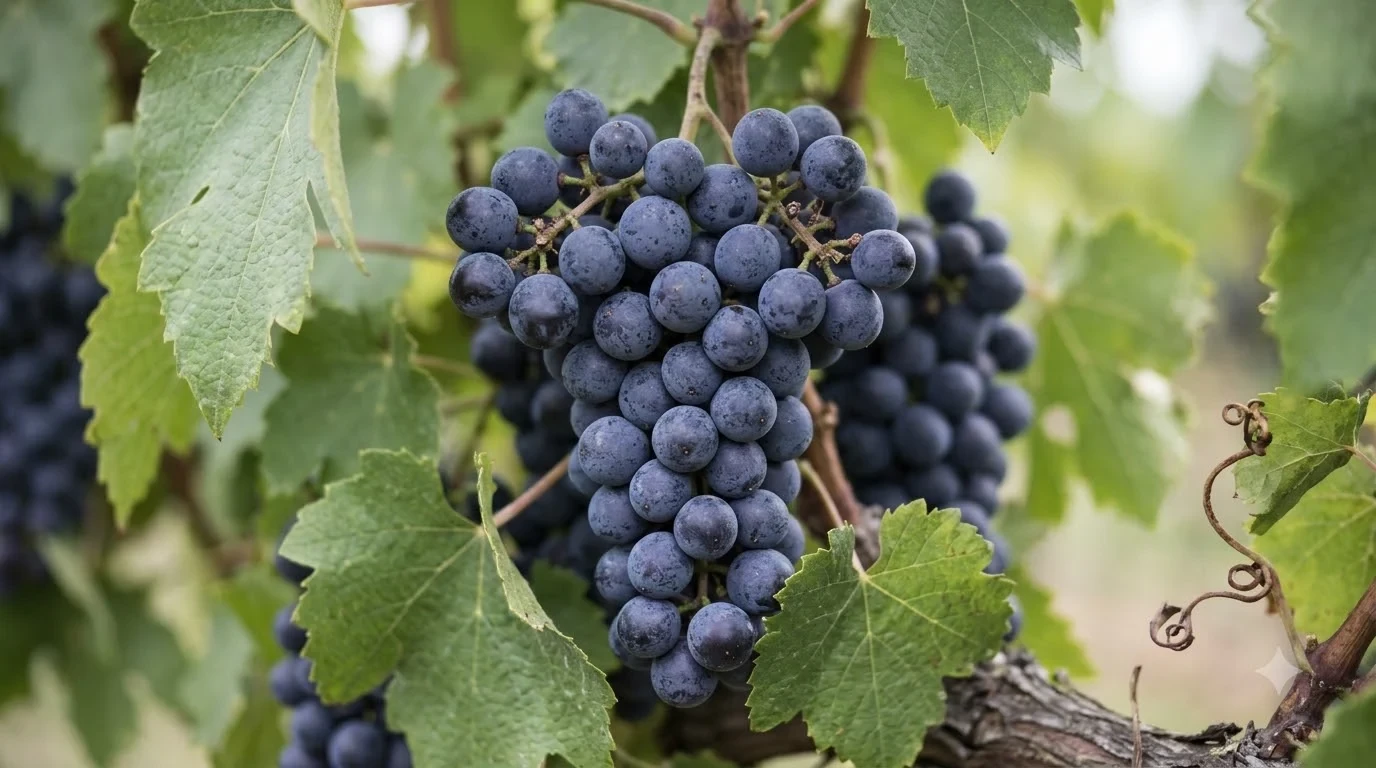
The kisi grape is an indigenous white wine grape from Georgia’s Kakheti region, known for floral, pear-and-citrus flavors in classic white wines and richer apricot, walnut, and tea notes in amber qvevri wines. It can produce more than one style, so the winemaking method matters as much as the grape name on the bottle. Choose a European-style Kisi for a fresher, fruit-led white, or an amber, skin-contact bottling for a more textured wine with gentle tannin and savory depth. Both styles work at the table, especially with fish, poultry, vegetables, and dishes that have enough flavor to meet the wine’s character.
Georgia’s Kisi offers a useful introduction to the country’s native white grapes and its long-standing qvevri tradition. Understanding where it grows, what each production method contributes, and how to serve it makes it easier to choose a bottle with the right weight and flavor for a meal.
Origins and Growing Conditions in Kakheti
Kisi comes from Kakheti in eastern Georgia, a region closely associated with the country’s traditional white and amber wines. Its growing cycle and relatively demanding vineyard needs help explain why it is less common than better-known local grapes such as Rkatsiteli.
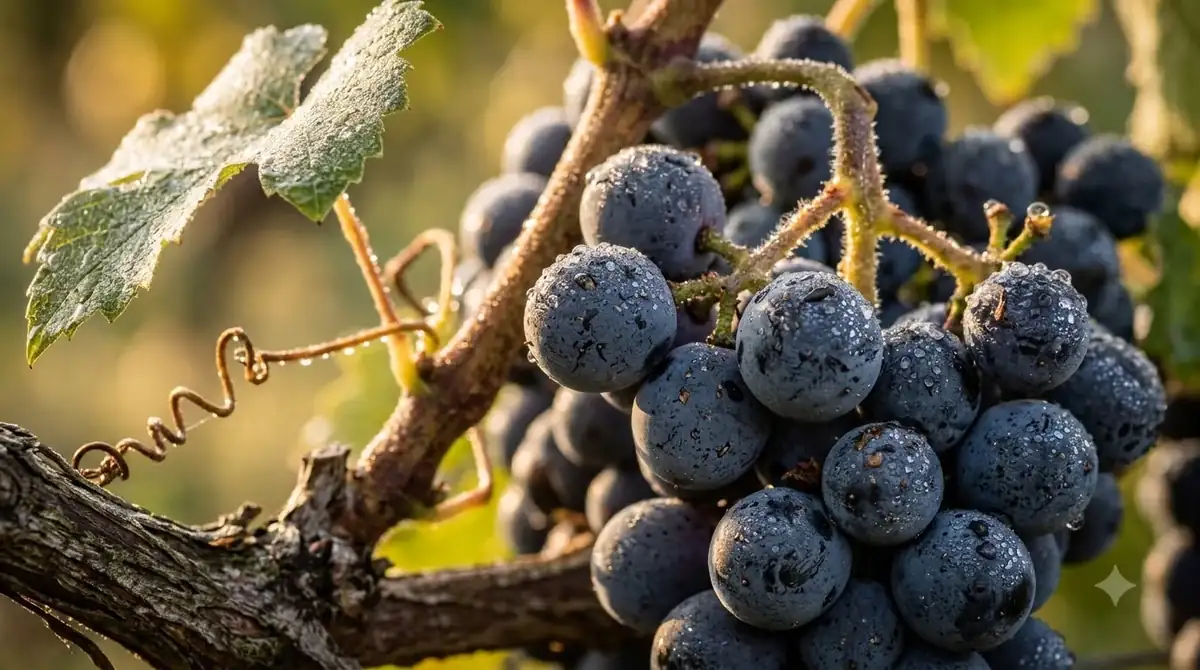
The National Wine Agency’s Kisi grape profile describes the variety as indigenous to Kakheti and notes that it nearly disappeared around the turn of the millennium. The agency connects that decline with the former Soviet preference for Rkatsiteli and the loss of vineyard land after the Soviet period. It also records that older vines survived in the Telavi district and that additional planting was taking place. That history matters to drinkers because Kisi is a regional variety with a more limited profile than internationally familiar grapes; it is not simply another name for a generic Georgian white wine.
Kisi is a late-budding vine, which offers some protection against spring frost. It is relatively resistant to frost, drought, and downy mildew, but more vulnerable to powdery mildew and black rot. Those sensitivities require careful vineyard work, particularly in wet conditions. The grape usually ripens before Rkatsiteli, with harvest typically falling in the final two weeks of September. A grower therefore has a fairly defined window in which to bring in ripe fruit while preserving the freshness that makes the wine appealing.
Kakheti itself provides a useful frame for understanding the grape. The Georgian Wine Association describes the region as home to 65 percent of Georgia’s vineyards and 80 percent of its commercial wineries. Vineyards follow the Alazani River and the slopes around Telavi, Akhmeta, Kvareli, and other municipalities. Kisi is strongly linked with this landscape, although the Georgian Wine Association also notes that it is grown in Kartli. In other words, Kakheti is its defining home, not an absolute limit on where the vine can grow.
Flavor Profile: Pear, Citrus, Apricot, and Walnut
Kisi’s flavor depends on how the grapes are handled, but the variety has a recognizable fruit-and-flower character. The most helpful distinction is between the fresher pear-and-citrus profile of a conventional white wine and the deeper dried-fruit and nut notes that can develop with extended skin contact.
In a European-style white wine, Kisi is often straw-colored and floral, with pear, citrus, and green tea on the palate. Depending on the producer and ripeness, the fruit can suggest yellow apple, peach, quince, or ripe stone fruit. These are not necessarily sweet flavors: a dry wine can smell like ripe fruit while finishing crisp and savory. Look for a balance between the fruit impression and the wine’s acidity rather than assuming that a pear or peach aroma means residual sugar.
Amber Kisi made in qvevri tends to be more layered. Apricot, mango, lime, orange, walnut, dried fruit, and tea-like notes can appear, alongside a firmer texture from contact with grape skins and seeds. A published tasting assessment of Wine House Gurjaani’s Kisi 2020 describes a dry, amber wine with medium-plus acidity and tannin, a full body, and 12.8 percent alcohol. Its listed flavors include honey, quince, dried apricot, lemon, lime, and kiwi. That is one producer’s bottling rather than a universal specification, but it shows how structured and savory this grape can become.
European-Style Whites and Amber Qvevri Wines
Winemaking choices have a strong effect on Kisi’s final style. A conventional white fermentation emphasizes the grape’s fruit and floral aromas, while qvevri production can build color, texture, and tannin through prolonged contact with skins and seeds.
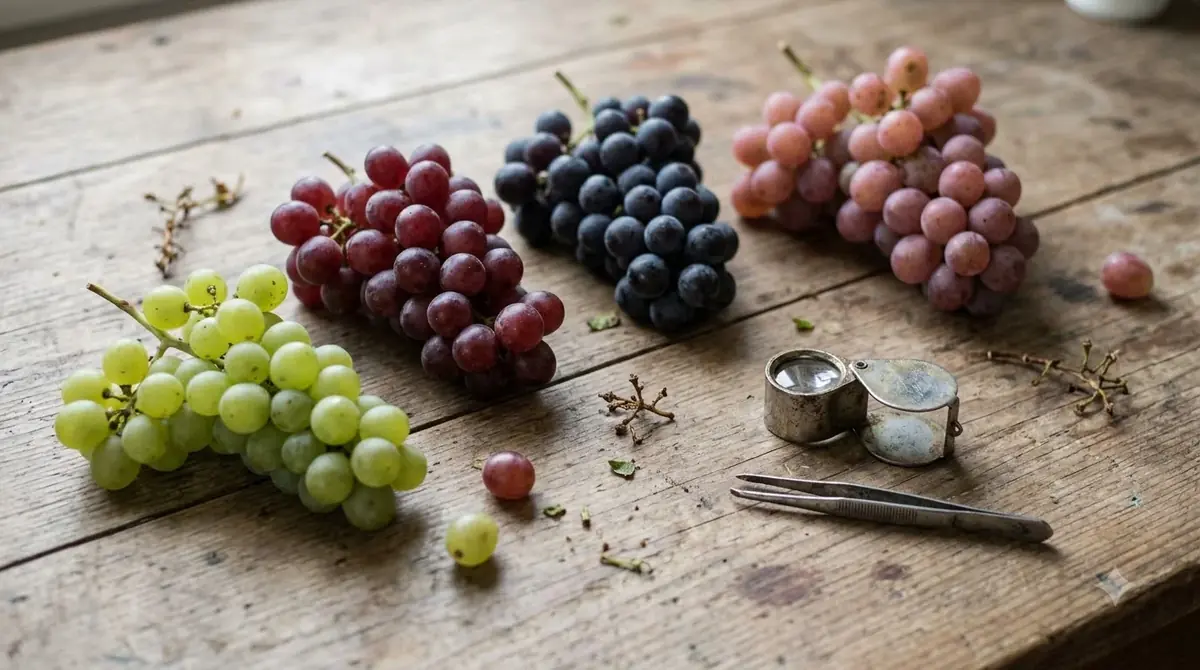
For a European-style Kisi, winemakers generally separate the juice from the skins before or early in fermentation, then ferment the juice as a white wine. The result is typically straw-colored, with a more direct expression of pear, citrus, flowers, and green tea. Stainless-steel fermentation can preserve a clear fruit profile, although individual producers may choose other vessels or techniques. The key point for shoppers is that a classic white Kisi is not automatically a qvevri wine; the two terms describe different approaches, not different grape varieties.
Qvevri are large clay vessels used to ferment, age, and store wine. Georgia’s National Wine Agency says the tradition dates back about 8,000 years and was included on UNESCO’s Intangible Cultural Heritage list in 2013. In the Kakhetian method, grape juice ferments with the grape solids, commonly called chacha, which include skins and pips. For white grapes, the National Wine Agency explains that wine may remain with these solids until spring. The extended contact contributes the darker golden or tea-like color and the moderate tannin associated with many amber wines.
Qvevri size varies considerably. The agency describes common vessels in the range of 1 to 2 tons, while some large Kakhetian examples hold 6,000 to 8,000 liters. The vessel is often buried in the cellar, where the surrounding earth helps keep conditions comparatively steady; the agency gives a typical underground qvevri temperature of 13 to 15 degrees Celsius. These details help explain why qvevri is not merely a decorative container. It is part of a production system that affects fermentation, contact with grape solids, and maturation.
Qvevri methods still vary by producer, with differences in skin-contact time, fermentation conditions, and aging. The Georgian Wine Association lists Kisi among the local grapes used for amber wines in Kakheti alongside Khikhvi and Mtsvane Kakhuri. The National Wine Agency’s explanation of qvevri winemaking describes the traditional process and its regional variations.
How to Serve Kisi at Its Best
Serve Kisi cool enough to keep its freshness, but not so cold that its aroma and texture disappear. A lighter European-style bottle usually benefits from a colder pour than a full-bodied, skin-contact amber example.
For a leaner, fruit-forward Kisi, aim for 45 to 50 degrees Fahrenheit. For a fuller white or an amber Kisi with noticeable tannin, 50 to 55 degrees Fahrenheit is a better starting point. If the wine comes straight from a refrigerator, give it several minutes in the glass to warm and open. If it feels muted, the problem may be serving temperature rather than a lack of aroma in the bottle.
| Serving detail | Practical amount or range | Why it helps |
|---|---|---|
| Light, classic white Kisi | 45–50°F | Keeps citrus and floral notes lively |
| Fuller or amber Kisi | 50–55°F | Allows texture, fruit, and savory aromas to show |
| Standard wine pour | 5 oz | Leaves room in the glass to assess aroma |
| Standard bottle | 750 ml; about 5 glasses | Useful for planning a dinner serving |
| Opened still wine | 3–5 days in the refrigerator | Reseal the bottle and keep it cold between pours |
Use a medium-sized white-wine glass for a classic Kisi. A broad-bowled glass can be helpful for an amber bottling because it gives the wine room to release its dried-fruit, spice, and nut aromas. There is no need to pour a full glass; a 5-ounce serving leaves enough space to swirl and smell the wine before drinking. A standard 750-milliliter bottle provides about five such pours, which is a useful baseline when planning a meal for several people.
Tip: Take an amber Kisi out of the refrigerator a little before serving. Start near 50°F, then let it warm gradually in the glass; the wine may reveal more apricot, walnut, and tea notes as it approaches 55°F.
Store unopened bottles on their sides in a cool, dark place near 55 degrees Fahrenheit, especially if they have a natural cork. After opening, reseal the bottle and refrigerate it. Still Kisi is best enjoyed within the usual 3-to-5-day window for opened still wines. A wine with more skin contact may change in the glass over an evening, so tasting a small pour after opening and again with food can be a useful way to follow its development.
Food Pairings for Fresh and Amber Kisi
Kisi is versatile at the table because its two main styles offer different levels of body and texture. Pair a fresh white with delicate fish, salads, and vegetables; choose a more structured amber bottling for roasted poultry, pork, mushrooms, and dishes with richer sauces.
For a classic white Kisi, try grilled white fish with lemon, poached cod, shrimp with herbs, or a salad with cucumber and fresh cheese. Citrus and green herbs echo the wine’s fresh profile, while moderate richness in the dish gives the fruit something to meet. Avoid overwhelming a light white with very hot chili or heavy smoke. Acidic food also needs a wine with enough acidity to keep the pairing balanced, so lemon-forward sauces are usually more successful with a lively Kisi than with a soft, low-acid white.
Amber Kisi can stand up to more substantial food. Roast chicken, turkey, pork tenderloin, grilled eggplant, sautéed mushrooms, and dishes with toasted walnuts are natural partners for its dried apricot, quince, and nut notes. A medium-plus tannic example can also work with saltier or fattier foods because salt and fat soften the impression of tannin. Try it with a browned chicken thigh, a savory mushroom pie, or a cheese board built around semi-firm cheeses rather than very delicate fresh cheese alone.
Georgian flavors offer especially useful ideas. Kisi’s fruit and texture can accompany chicken with walnut sauce, roasted vegetables, herb-rich dishes, and cheese-filled breads. Keep sweetness in sauces moderate if the wine is dry, and be mindful of strong chili heat: alcohol and tannin can make a very hot dish seem hotter. For spicy food, a softer, fruitier white Kisi is generally safer than a high-alcohol amber wine with pronounced grip.
Choosing a Bottle and Comparing Georgian White Grapes
Start by deciding whether you want freshness or texture, then use the producer’s description to identify the style. The grape name tells you that the wine is made from Kisi, but terms such as European-style, qvevri, skin-contact, and amber give a better sense of what is in the glass.
For a first bottle, a dry European-style Kisi is a straightforward introduction if you prefer citrus, pear, and floral aromas without much tannin. An amber qvevri version is a better choice if you already enjoy orange wines, textured whites, or savory wines with dried-fruit and nut flavors. A producer may describe a wine as dry even when it smells of ripe apricot or honey; aroma is not a reliable measure of sweetness by itself. Wine House Gurjaani’s published Kisi tasting profile, for example, identifies its 2020 wine as dry while also listing honey, quince, and dried-fruit flavors.
Read the producer description for clues about the production method, and compare alcohol level and serving guidance across bottles rather than treating one producer’s numbers as a rule for the entire grape. Wine House Gurjaani lists 12.8 percent alcohol for its Kisi 2020, while other producers may make a lighter or more concentrated version. The same grape can therefore feel noticeably different depending on ripeness, fermentation, skin contact, and maturation. If you are still learning how grape names relate to wine styles, the site’s broader Wine by Type overview can help place Kisi among white, amber, and other categories.
Kisi is also useful to compare with other white grapes. Airen is another white variety, but it is typically discussed for a different set of growing regions and wine styles; a look at the Airen grape helps show how much white-wine character can vary by variety and place. Kisi’s Georgian identity and its ability to produce both classic whites and skin-contact amber wines are the important buying clues. Choose the bottle description that fits the food and the texture you enjoy, rather than relying on the word “white” alone.
Frequently Asked Questions
These answers cover a few details that often come up after a drinker has chosen a style and producer. They also clarify how Kisi fits into Georgia’s wider range of native grapes.
Is Kisi grown anywhere besides Kakheti?
Yes. Kakheti is Kisi’s indigenous home, but the Georgian Wine Association also lists plantings in Kartli. The grape is therefore strongly associated with eastern Georgia without being exclusive to a single administrative region.
Is Kisi older or younger than Rkatsiteli?
The National Wine Agency says earlier commentators considered Kisi younger than Rkatsiteli, but the evidence for that conclusion is insufficient. The grape’s precise origin story is not firmly established, so a definitive age ranking would overstate what is known.
Can Kisi be made into fortified wine?
It can be, although fortified Kisi is not the style most drinkers are likely to encounter first. The National Wine Agency notes that the grape is occasionally fortified, in addition to being made in European and traditional Georgian styles.
Does amber color mean a Kisi wine is sweet?
No. Amber color usually points to skin contact during production, not to a particular level of residual sugar. A wine can be dry and still have aromas that suggest honey, ripe fruit, or dried apricot.
Why do some qvevri wines have more tannin than classic white Kisi?
In qvevri production, white grape juice may remain in contact with skins and seeds during fermentation and aging. Those grape solids contribute phenolic compounds and texture, so the resulting wine can have a gentle drying sensation that is uncommon in a simple juice-fermented white.
Kisi is a rewarding grape to explore because it connects a distinctive Georgian place with two clearly different approaches to white winemaking. Begin with a dry classic white for freshness or choose an amber qvevri version for fruit, texture, and savory depth. Once you know which style you prefer, Kisi becomes an easy bottle to revisit with a range of food.
More in Wine Types & Grapes
 Zinfandel Sugar Content: Dry Red vs. White Zinfandel GramsUpdated Nov 21, 2026
 Best Zinfandel Substitute Options for Sipping and CookingUpdated Nov 21, 2026
 Zweigelt Food Pairing: Best Dishes, Cheeses, and Serving TipsUpdated Nov 21, 2026
 Zinfandel Tannins Explained: How Structure Shapes Every BottleUpdated Nov 21, 2026
 Zinfandel Sweetness Level: Dry Red vs. Sweet White Zin ExplainedUpdated Nov 21, 2026
 Xinomavro Food Pairing: Best Dishes, Styles, and Serving TipsUpdated Nov 21, 2026