

We may earn a commission when you buy through links on this page, at no extra cost to you. Learn more.
Kendall Jackson cabernet review: Kendall-Jackson Vintner’s Reserve Cabernet is a dry California red centered on black cherry, blackberry, cassis, and oak-derived notes of cedar, vanilla, and mocha. It offers the familiar weight and dark-fruit character of Cabernet Sauvignon, but its blended composition and rounded tannins make it less severe than a very firm, cellar-focused Cabernet. The bottle is a sensible choice for readers who want a versatile red for steak, burgers, or hearty pasta rather than a highly extracted wine built around power alone.
The most useful way to assess this wine is to separate the recognizable house style from the details of a specific vintage. Kendall-Jackson’s published 2022 Vintner’s Reserve specifications list 13.5% alcohol, a blend led by 83% Cabernet Sauvignon, and 10 months of oak aging; independent reviews of the 2021 vintage describe a fruit-forward, balanced wine with measured tannin. Those specifics help set expectations, but the year on the bottle still matters.
Who This Is For
Kendall-Jackson Vintner’s Reserve Cabernet suits drinkers who like classic Cabernet flavors but prefer a polished, accessible texture over gripping tannin. Its black-cherry and blackberry profile, supported by cassis, cedar, vanilla, and mocha, works for someone who wants a recognizably Cabernet-shaped red without needing a long decant or a formal tasting occasion.
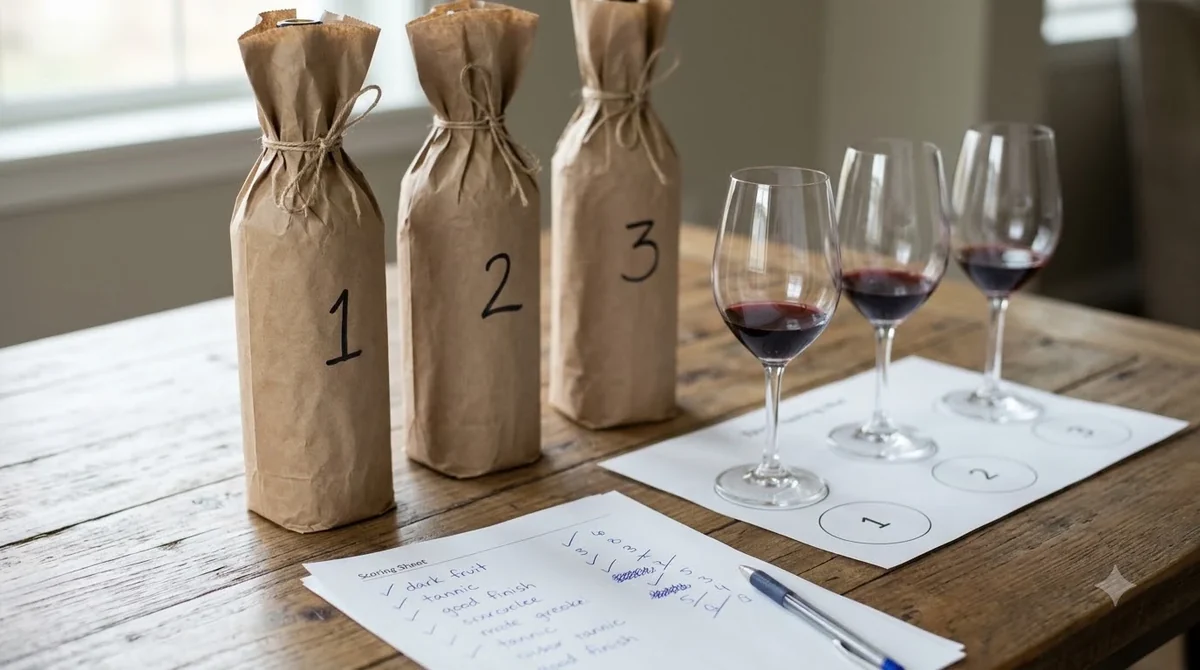
It is particularly useful for a dinner table where the food has enough richness to meet the wine’s structure. Kendall-Jackson names rib-eye steak, lasagna, and hamburgers as pairings for the 2022 bottling, all dishes with enough savory weight to stand alongside a dry red. A grilled cheeseburger, mushroom lasagna, or steak with a modest pepper crust follows the same logic: the protein and fat soften the sensation of tannin, while browned or roasted flavors echo the wine’s oak and dark-fruit character.
It is less suitable for a buyer seeking a very tannic, austere Cabernet, a strongly mineral expression, or a bottle whose main attraction is long-term cellar development. Cabernet Sauvignon as a grape can have substantial tannin and aging potential, but that general reputation should not be transferred automatically to every bottle. Wine Enthusiast’s review of the 2021 Vintner’s Reserve described fresh blackberry and blueberry, light vanilla and cinnamon-scented oak, and a lightly tannic texture; the review considered it enjoyable young, with scope to develop more nuances over a few years. That is a more practical guide to this bottling than assumptions about powerful Napa Cabernet.
This wine also suits shoppers who enjoy a blended Cabernet with a clear varietal identity. Kendall-Jackson lists 83% Cabernet Sauvignon in the 2022 recipe and 93% in 2021, so vintage-specific details matter more than assuming every release is identical. For a contrast with the brand’s white wines, see the guide to Kendall-Jackson Chardonnay.
Key Factors to Compare
Before choosing a bottle, compare the vintage, blend, alcohol, oak treatment, and expected flavor rather than relying on the front label alone. The 2022 producer information provides a clear reference point, while the 2021 review confirms that the wine’s balance can remain fruit-led and relatively approachable.
| Factor | Published 2022 reference | What it means in the glass |
|---|---|---|
| Grape blend | 83% Cabernet Sauvignon; 9% Merlot; 3% Petit Verdot; 3% Cabernet Franc; 2% Malbec | Cabernet remains the main voice, with smaller amounts of Bordeaux varieties shaping texture and detail. |
| Alcohol | 13.5% ABV | A useful reference for the wine’s warmth and weight; alcohol alone does not determine body. |
| Oak aging | 10 months; 69% French oak and 31% American oak, with 8% and 7% new barrels respectively | Oak contributes the cedar, vanilla, and mocha accents that sit alongside the dark fruit. |
| Fruit and savory notes | Black cherry, blackberry, cassis, cedar, vanilla, and mocha | Expect dark fruit first, then wood spice and a lingering savory impression. |
| Serving reference | 65°F, according to the producer | Serve lightly cool rather than warm; a broad red-wine glass gives aromas room to open. |
The blend changes by vintage: Kendall-Jackson lists 83% Cabernet Sauvignon in 2022 and 93% in 2021. The 2021 recipe includes 3% Petit Verdot, 3% Cabernet Franc, and 1% Malbec, while the 2022 recipe includes 9% Merlot and different proportions of the other varieties. This helps explain why the same label can show small shifts from one release to another.
Oak figures need context, too. The 2022 wine spent 10 months in oak, but only 8% of the French barrels and 7% of the American barrels were new. The 2021 wine spent 14 months in oak, with 12% new French and 8% new American barrels. Longer aging does not automatically mean better wine; fruit, blending, and balance matter just as much.
Wine Folly’s Cabernet Sauvignon profile summarizes the grape’s black-fruit, cedar, and spice range, full body, and firm tannin structure. Kendall-Jackson’s blend-led version keeps those familiar cues in a rounder, food-friendly frame. The producer’s 2022 Vintner’s Reserve Cabernet page lists the exact composition and barrel details for that release.
Step-by-Step
A reliable buying decision comes from checking the vintage first, deciding whether the style fits your palate, and then matching the bottle to the meal. These five steps keep the choice practical without treating a single tasting note or review score as a guarantee.
- Identify the vintage. Look for the year on the front or back label before comparing tasting notes. The producer’s 2021 and 2022 specifications show different Cabernet percentages and oak programs, so do not assume that one vintage’s blend describes the next one.
- Confirm the wine you are buying. The core bottle discussed here is Vintner’s Reserve Cabernet Sauvignon, not Kendall-Jackson Chardonnay or another red. The producer’s 2022 listing gives 13.5% ABV and 83% Cabernet Sauvignon; those numbers are useful as a reference when comparing shelf information.
- Decide whether the flavor profile fits. Choose it if black cherry, blackberry, cassis, vanilla, cedar, and mocha sound appealing. Choose another style if you want a lighter red such as Pinot Noir, or a red with much more obvious grip and a stronger tannic finish.
- Plan the food. Rib-eye steak, grilled hamburgers, and lasagna are direct matches from Kendall-Jackson’s pairing suggestions. If serving cheese, choose an aged cheddar or another firm, salty cheese; salt and fat can make Cabernet tannins feel softer.
- Set the serving temperature and timing. Aim for about 60–65°F for a full-bodied red, consistent with the producer’s 65°F reference. If the bottle is at a warm room temperature, chill it briefly rather than serving it hot; for a young, structured red, allow roughly 30–60 minutes of air if the aromas seem closed.
Use reviews as evidence, not as a substitute for preference. Wine Enthusiast awarded the 2021 vintage 92 points, describing a balanced, lightly tannic wine that was pleasant young and could gain nuance over a few years. That suggests approachability, not a need to cellar it for a decade. The review applies to the vintage assessed, not every release.
For a label-level overview and bottle details, see the dedicated page for Kendall-Jackson Cabernet; use the vintage information to decide whether the bottle matches the style described here.
Tip: If you are comparing two bottles side by side, make sure they are the same vintage before judging differences in oak, fruit, or tannin. A 2021 and a 2022 bottle can have distinct blend percentages and barrel-aging schedules even though both carry the Vintner’s Reserve Cabernet name.
To compare this red with the brand’s broader range, browse the overview of Kendall-Jackson wine or the wider Wine Brands library.
Types or Styles Explained
The key distinction here is not between several Cabernet products but between the Cabernet grape’s general structure and the way Vintner’s Reserve shapes it. Kendall-Jackson’s published recipes also show that vintage variation can affect the blend and oak influence while leaving the wine recognizably Cabernet-led.
Cabernet Sauvignon is usually dry, full-bodied, and notably tannic, with black cherry, black currant, cedar, and baking spice among its familiar flavors. Wine Folly describes the grape as medium-high in tannin and acidity. Kendall-Jackson retains the dark fruit and oak markers, but Wine Enthusiast’s 2021 review describes a lightly tannic texture, softer than the grape’s most forceful examples.
Blending helps shape the texture. The 2022 release is 83% Cabernet Sauvignon, with 9% Merlot and smaller portions of Petit Verdot, Cabernet Franc, and Malbec. Kendall-Jackson says Merlot contributes softness, Cabernet Franc adds tannin, Petit Verdot builds mouthfeel, and Malbec lends roundness. The proportions differ by vintage, so these roles explain the blend rather than promise an identical result each year.
Oak is the other major style cue. The 2022 wine spent 10 months in French and American oak; the 2021 release spent 14 months. Cedar, vanilla, and mocha frame the dark-fruit core. Regional sourcing can vary as well: the 2021 bottle lists 89% Sonoma County fruit and 11% Mendocino County fruit, while the 2022 page describes Sonoma County mountain and hillside sourcing. Compare each vintage’s details instead of assuming one fixed recipe.
Common Mistakes
The biggest buying error is expecting every Cabernet Sauvignon to taste alike. Kendall-Jackson’s 2021 and 2022 blend and oak figures differ, and reviews describe a balanced, approachable profile rather than the most tannic style associated with the grape.
Assuming it is 100% Cabernet or expecting a blockbuster. The 2022 recipe lists 83% Cabernet Sauvignon, with Merlot, Petit Verdot, Cabernet Franc, and Malbec making up the rest. That is normal for many Cabernet-led blends, not a flaw. The 2021 Wine Enthusiast review described this bottling as lightly tannic and balanced, so a shopper seeking a dense, gripping red may find it too easygoing, while someone who dislikes drying tannin may see that as a benefit.
Serving it too warm or pairing it with the wrong food. Heat can make alcohol feel more prominent, while excessive chilling mutes fruit and oak; aim near 60–65°F, with 65°F matching the producer’s reference. Delicate fish and sharp citrus are poor starting points for a tannic red. Fat and salt soften tannin, making rib-eye, aged cheddar, and mushroom lasagna more natural choices. Very hot chili can amplify alcohol and tannin, while sugary sauce can make dry Cabernet taste harsher; keep sauces savory or smoky. Relying on a review score alone is another mistake: Wine Enthusiast’s 92-point assessment applies to the 2021 vintage, not every release. Read the tasting description and year; someone who likes lighter reds may enjoy its lower tannin, while a Cabernet enthusiast may want more structure.
Care or Storage Tips
Serve Vintner’s Reserve Cabernet slightly cool, let it breathe only as needed, and store any remaining wine promptly. For an unopened bottle, a stable, dark location near 55°F is better than a warm kitchen shelf or a sunny counter.
Kendall-Jackson lists 65°F as the ideal serving temperature for the 2022 Cabernet, at the upper end of the usual 60–65°F range for full-bodied reds. If the bottle is warmer, refrigerate it for about 20 minutes. The producer recommends a Bordeaux-style glass, although an ordinary red-wine glass works for a casual meal. Decanting is optional: a young, structured Cabernet can benefit from 30–60 minutes of air, but the 2021 review found the wine pleasant young, with added nuance possible over a few years. Pour a small glass first; decant only if the aromas seem muted or the finish feels tight.
Store cork-finished bottles on their sides in a cool, dark place with minimal temperature swings. Haier recommends 55–60°F for red wine and notes that horizontal storage helps keep a cork moist. After opening, reseal the bottle and refrigerate it; Haier gives a general guideline of 3–5 days for opened red wine. Fruit aromas gradually fade as oxidation progresses, so keep the closure tight and bring each pour toward serving temperature rather than leaving the bottle on the counter overnight. Treat Vintner’s Reserve as a near-term bottle rather than automatically laying it down for long-term aging. Cabernet Sauvignon can age, but the grape’s general reputation does not establish a drinking window for every commercial blend; the 2021 review points toward drinking young or allowing only a few years for added nuance.
Frequently Asked Questions
These answers address details that often get lost when a Cabernet is discussed only by grape name. The key is to distinguish the bottle’s dry style, the vintage-specific blend, and practical serving choices.
Which grapes are the parents of Cabernet Sauvignon?
Cabernet Sauvignon is a natural cross between Cabernet Franc and Sauvignon Blanc that originated in Bordeaux, France. Researchers at UC Davis confirmed the grape’s parentage in 1997.
What does cassis mean in a Cabernet tasting note?
Cassis is the French word for black currant and is used as a flavor descriptor in red wine. It describes an aroma or flavor impression, not an ingredient added to the bottle.
Why can Cabernet Sauvignon feel drying?
Total Wine’s Cabernet guide notes that tannin creates a mouth-drying sensation, while acidity makes the mouth water. These are different structural features, so a wine can taste ripe and fruity while still feeling firm on the palate.
How many servings are in a standard bottle?
A 750 ml bottle yields about five standard 5-ounce pours. That is a useful planning figure for dinner with four or five guests, although a smaller tasting pour or a larger dinner pour will change the number of servings.
Can I cook with an opened bottle of this Cabernet?
Yes, provided the wine is still sound and has been stored properly. Use a modest amount in a braise, beef-and-mushroom sauce, or tomato-based meat sauce, and simmer it with the other ingredients rather than using wine that smells sharply oxidized or vinegary.
Kendall-Jackson Vintner’s Reserve Cabernet is best understood as a polished, fruit-led California Cabernet with measured oak influence and an approachable texture, not as a test of maximum tannin or cellar power. Check the vintage-specific blend, serve it around 60–65°F, and pair it with a savory meal such as rib-eye, burgers, or lasagna for the clearest expression of its style.
More in Wine Brands
 Louis Latour Wine Price: Compare Bottles by Style and TierUpdated Nov 20, 2026
 Yellow Tail Moscato Price: What to Expect Before You BuyUpdated Nov 20, 2026
 Sutter Home Sweet Red Review: Find the Right Food PairingsUpdated Nov 20, 2026
 Franzia Chillable Red Review: Find the Right Serving StyleUpdated Nov 20, 2026
 Veuve Clicquot Rose Review: Flavor, Food Pairings and Buying AdviceUpdated Nov 20, 2026
 Rombauer Wine Price: Compare Bottles Before You BuyUpdated Nov 20, 2026