

We may earn a commission when you buy through links on this page, at no extra cost to you. Learn more.
Kanonkop wine is made by Kanonkop Wine Estate in Stellenbosch, South Africa, and is best known for its Pinotage and Bordeaux-style red blends. The Sauer family has run the estate for generations, and its first estate wine came from the 1973 vintage. Its flagship, Paul Sauer, blends Cabernet Sauvignon, Merlot and Cabernet Franc.
This guide explains what makes Kanonkop distinctive, which bottles to try first, and how to buy and store them from the United States. Most facts here come from the estate’s own website and a retailer profile, so read the producer’s praise as the producer’s view.
What Is Kanonkop Wine?
Kanonkop is a red wine estate on the lower slopes of the Simonsberg mountain in Stellenbosch. Its reputation rests on Pinotage and on Bordeaux-style blends made from classic French grape varieties.
Stellenbosch is one of South Africa’s best-known red wine districts, and the estate sits within the Western Cape’s premium red zone. The estate describes its wines as the South African equivalent of a Premier Cru or First Growth. That is the estate’s own comparison, so treat it as a statement of ambition rather than an independent ranking.
Kanonkop is also a family farm. According to the estate, the Sauer family has owned the property for four generations, and winemaking happens on site from the cellar through bottling and labelling. For a shopper, that means one team controls most of the process, which makes the producer easier to follow than a large brand that buys fruit from many growers.
History of the Kanonkop Estate in Stellenbosch
The estate traces its roots to the early twentieth century, and its modern identity was shaped by the Sauer and Krige families. Its first estate wine was bottled from the 1973 vintage, which marks the start of the label most buyers know today.
According to a Capreo estate profile, the farm has been in the Sauer family since the early twentieth century. The family began cultivating high-quality grape varieties in the 1930s. Later, a son-in-law, Jannie Krige, took over the estate, and his sons now run it.
The name Kanonkop comes from a small hill, or kopje, where a cannon was fired in the seventeenth century. The shot was meant to alert farmers to trading chances with passing ships in Table Bay harbour. The story is still part of the estate’s identity and appears on its website.
The estate has also seen a change in its winemaking team. The website says Dirk van Zyl succeeds Francois van Zyl as head winemaker, and that the estate sees itself as South Africa’s First Growth. Staff members often live on the property as well as work there, which the estate presents as part of its long-term approach to quality.
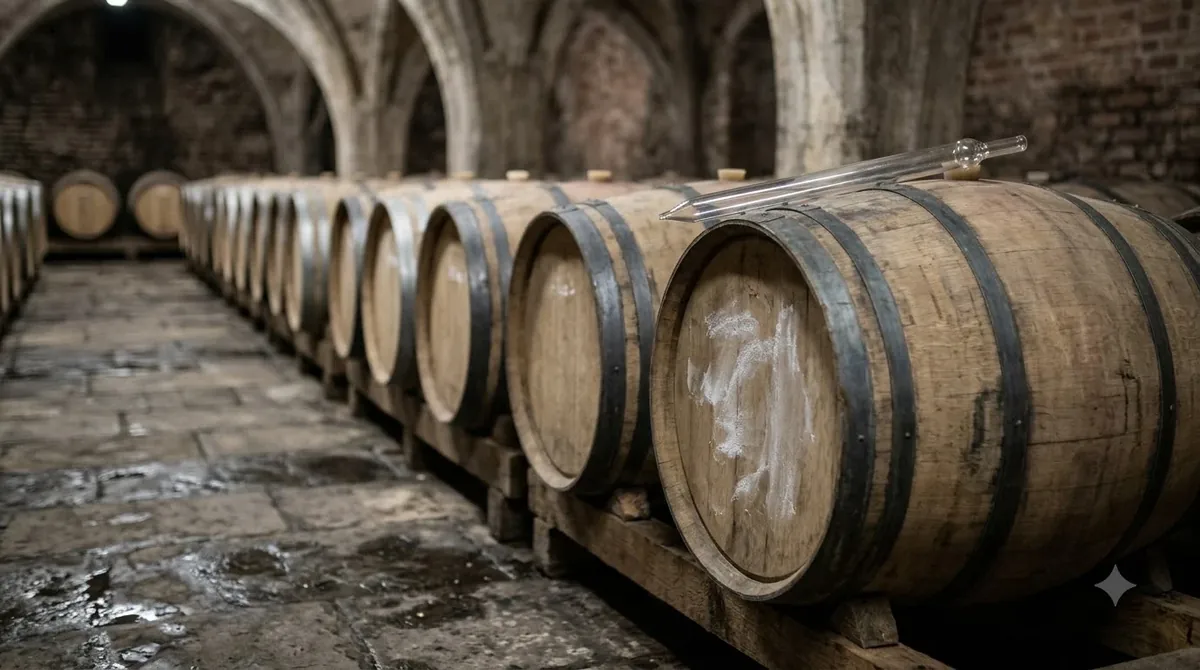
Signature Wines: Pinotage and Paul Sauer
Pinotage and Paul Sauer are the two names most people link with Kanonkop. Pinotage is the estate’s signature grape, while Paul Sauer is its flagship Bordeaux-style blend, and each has its own strengths for a new drinker.
Pinotage is a South African creation. According to the estate, Professor Abraham Perold, then heading oenology and viticulture at Stellenbosch University, crossed Pinot Noir and Cinsaut in 1924. Kanonkop first planted the variety in 1941, and its Pinotage has since become one of the estate’s best-known bottlings.
Paul Sauer is named after the estate’s patriarch. It is a Bordeaux-style blend of Cabernet Sauvignon, Merlot and Cabernet Franc, aged 24 months in new French oak according to the estate. Its first vintage was 1981, which places it a few years after the estate’s first bottling.
Black Label Pinotage comes from a single vineyard planted in 1953. The estate says the wine ages 18 months in new French oak before bottling. Its first vintage was 2006, and the estate says it can age for 30 years from vintage, so it is a bottle to hold rather than open right away.
| Wine | Main grapes | Oak and age (per estate) | Notes from the estate |
|---|---|---|---|
| Kanonkop Pinotage | Pinotage | Not stated in the notes reviewed here | Plum, cherry and spice; earthy, forest-floor notes with age |
| Paul Sauer | Cabernet Sauvignon, Merlot, Cabernet Franc | 24 months in new French oak | Blackcurrant, Cape wildflower and cigar box |
| Black Label Pinotage | Pinotage from one vineyard planted in 1953 | 18 months in new French oak | Dark fruit and black cherry; ages 30 years from vintage |
| Kanonkop Cabernet Sauvignon | Cabernet Sauvignon | Not stated in the notes reviewed here | Dense black fruit, brambles and pine needles |
The table shows that the estate’s wines share a family resemblance but differ in emphasis. For a first bottle, many shoppers start with the Pinotage to see the grape’s character, then move to the Bordeaux-style blend for comparison. Check the back label for oak details on any bottling that the table does not cover.
Grapes, Terroir and Winemaking Style
Kanonkop’s style comes from its soils, its ocean-cooled climate and a cellar approach that keeps close control. Cabernet Sauvignon and Pinotage make up most of the vineyards, and the estate builds its reputation around these two varieties.
The estate says Cabernet Sauvignon and Pinotage account for 85 percent of its plantings. It describes the Pinotage as fruit-driven and the Cabernet Sauvignon as true to its varietal character. Both grow on the same property, which lets the winemaking team compare how each variety responds to the same ground.
The soils are red decomposed granite with a high clay content, according to the estate. Long, warm summer days and a fresh sea breeze help the grapes ripen fully. The estate calls the Atlantic wind the Cape Doctor, because it keeps the vines healthy and cool through the growing season.
In the cellar, the estate uses controlled fermentation in open concrete tanks. It says this method helps keep quality steady and extraction well judged. The estate also says the aim is not to manipulate the wine, so each vintage can show its own character years later.
Tasting Notes and Food Pairing
Kanonkop reds are structured, full-bodied and built to age. Pinotage leans toward plum and spice when young, while the Bordeaux-style blends lean toward dark fruit with savory notes that develop over time.
The estate describes its Pinotage as deep garnet with a purple hue, with plush plum and cherry flavors and an evocative hint of spice. With age, it gains earthy, forest-floor character and a sweet-fruited core that the estate compares to cassis. Those changes take time, so a young bottle and an older one can taste quite different.
Paul Sauer shows blackcurrant with aromas of Cape wildflower and cigar box, according to the estate. Its Cabernet Sauvignon brings dense black fruit, brambles and pine needles, with a freshness the estate calls life-affirming. You can compare the estate’s own tasting descriptions on its Kanonkop estate range page.
For food, match the weight of the wine to the dish. Grilled or roasted red meats suit these reds well, and the estate’s own recipe collection includes a char-grilled venison dish with a plum and balsamic reduction. Mushroom dishes and aged cheeses also suit the Pinotage. If you want a more casual red for weeknights, compare other styles in the 14 hands hot to trot wine guide.
Buying and Storing Kanonkop Wine in the United States
Kanonkop wine reaches American buyers through licensed retailers and importers, and availability changes by vintage. Confirm the vintage, the label and the seller before you order, since stock and listings shift over time.
As of Nov 2026, the estate’s website lists its range and a wine club that offers member benefits and early access to new vintages. Shipping rules for alcohol vary by state, so check your state’s current rules before ordering online. For more producers to compare, browse the Wine Brands guides.
Tip: Ask the seller which vintage is in stock. Older Pinotage and Paul Sauer bottlings may be listed under different years, so confirming the exact vintage avoids surprises.
Storing Kanonkop at Home
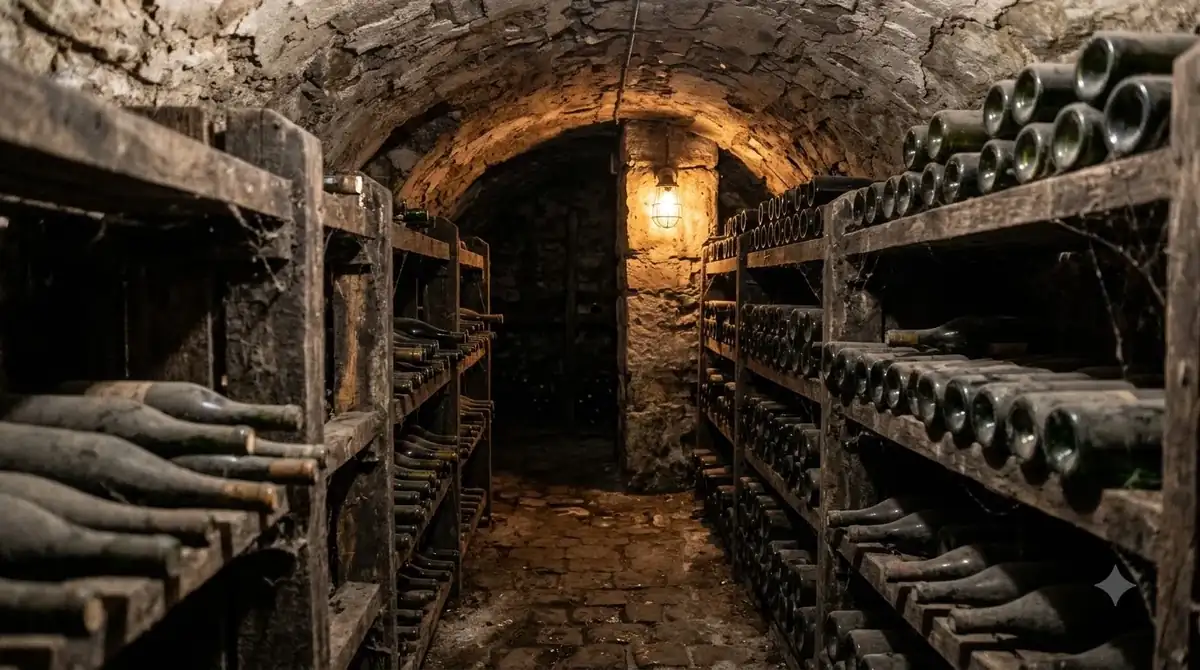
Store bottles on their side in a cool, dark place with a steady temperature, away from heat and vibration. These are general wine storage habits rather than figures from the estate, so check the producer’s storage notes for any specific guidance.
Aging potential depends on the bottle. The estate says Black Label Pinotage can age for 30 years from vintage, and it describes its wines as gaining complexity in the bottle. Younger wines show brighter fruit, while older bottles show earthier notes, so match your timeline to the style you want.
Frequently Asked Questions
Is Kanonkop wine made in South Africa?
Yes. Kanonkop wine comes from Kanonkop Wine Estate in Stellenbosch, in the Western Cape. The estate handles winemaking from cellar to bottling on site, according to its own description.
What is Kanonkop best known for?
The estate is best known for its Pinotage and its Bordeaux-style blends, especially the flagship Paul Sauer. Cabernet Sauvignon and Pinotage make up most of the plantings, so those two varieties define the house style.
Can Kanonkop wine age well?
The estate says its wines gain complexity as they age in the bottle. Black Label Pinotage is described as able to age for 30 years from vintage. Store bottles carefully and check the producer’s notes for each wine.
Where can I buy Kanonkop wine in the US?
Look for licensed retailers and importers in your state, and check the producer’s website for current information. Availability and vintages change, so confirm stock before you order. Also check your state’s rules for shipping alcohol.
Kanonkop is a good starting point for understanding South African red wine, with Pinotage as the signature style and Paul Sauer as the Bordeaux-style benchmark. Start with one bottle, pair it with a meal, and drink in moderation. If you prefer lighter styles, the avaline white wine guide offers a useful contrast.
More in Wine Brands
 Underwood Wine Price: Compare Bottles, Cans, and Pack SizesUpdated Nov 21, 2026
 Zenato Wine Price: Compare Styles and Choose the Right BottleUpdated Nov 21, 2026
 Zuccardi Wine Price: Compare Bottles and Find the Right RangeUpdated Nov 21, 2026
 Yellow Tail Moscato Review: Taste, Sweetness and Serving TipsUpdated Nov 21, 2026
 Wolf Blass Yellow Label Review: Choose Your Best StyleUpdated Nov 21, 2026
 Wolffer Estate Rose Review: Choose the Right Bottle for Your TableUpdated Nov 21, 2026