

We may earn a commission when you buy through links on this page, at no extra cost to you. Learn more.
justin vineyards wine is Paso Robles wine led by ripe Cabernet Sauvignon and Bordeaux-style blends, with a portfolio that also includes whites, rosé, and other red varieties. The winery began with Justin Baldwin’s first vineyard planting in 1981 and has built its identity around the region’s limestone-rich sites. Its most useful starting points are the regular Cabernet Sauvignon for a direct varietal expression and ISOSCELES for a more structured Bordeaux-inspired blend.
JUSTIN’s label covers several flavor profiles and styles. Knowing the Paso Robles setting and the differences between its core bottlings helps you choose for a casual meal, steak dinner, or cellar.
What Makes JUSTIN Vineyards Distinctive?
JUSTIN’s identity starts with a 1981 vineyard planting in Paso Robles and a focus on Bordeaux-style reds. Its official story describes a 2,100-acre vineyard footprint, while the winery’s original Founder’s Vineyard covers 160 acres.
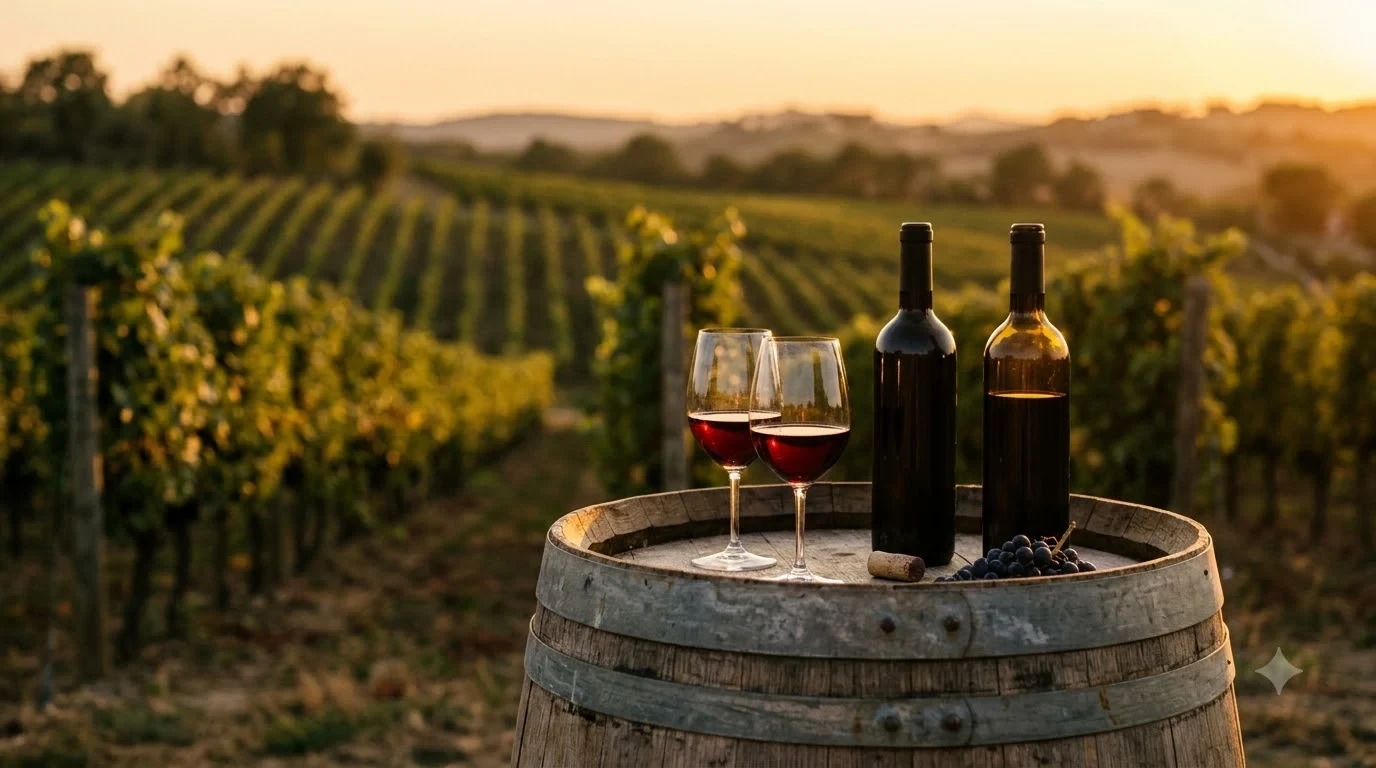
Founder Justin Baldwin established the winery before Paso Robles became a widely recognized wine destination. His aim was to make Bordeaux-inspired blends built around Cabernet Sauvignon, with support from Merlot and Cabernet Franc. That direction remains visible: Cabernet is a central varietal wine, while ISOSCELES is the flagship blend. Ripe fruit and generous scale give the wines a California identity, while blending and oak connect them with European tradition.
The Paso Robles Wine Country Alliance lists Cabernet Sauvignon, Merlot, Chardonnay, Sauvignon Blanc, Pinot Noir, Syrah, Viognier, Zinfandel, Tempranillo, rosé, and red blends among the winery’s varieties. The range spans firm reds for grilled meat, crisp whites for seafood, and lighter rosé for relaxed meals.
A Bordeaux influence, interpreted in California
Bordeaux is a reference point, not a claim that these wines taste exactly like French Bordeaux. Cabernet Sauvignon adds structure and black fruit, Merlot can soften texture, and Cabernet Franc brings aromatic lift and herbal detail. Paso Robles warmth often gives the wines riper fruit than cool-climate examples. The site’s Wine Brands resource can help distinguish a winery’s range from a grape or regional category.
How Paso Robles Shapes the Wines
JUSTIN’s vineyard story is tied to limestone, varied elevations, and the cooling influence of the Pacific Ocean. Its sites include a 160-acre Founder’s Vineyard, a Templeton Gap vineyard near Creston Road, and higher ground near Adelaida Road.

The winery describes Paso Robles soils as limestone-rich and relatively high in pH, with similarities to Bordeaux. Soil, warm days, cool nights, elevation, and Pacific influence all help shape grape development. JUSTIN selects sites for these differences rather than treating the estate as one uniform block. Its vineyard overview describes the sites individually.
The Creston Road vineyard is in the Templeton Gap, with sandstone, limestone, and cool Pacific breezes. The Adelaida Road site is among the higher points in the Paso Robles AVA, where temperature swings help build flavor and structure. Nearby DeBro Vineyard has steep slopes and varied soils suited to Bordeaux-style reds. Each site contributes fruit with a different role in the blend.
Comparing regions helps set expectations. Cabernet from Alexander Valley can show a different balance of warmth and site character; the article on Alexander Valley vineyards wine offers a useful California contrast. Neither region is inherently better; place shapes style.
The JUSTIN Bottles and Grapes Worth Knowing
The clearest entry points are the standard Cabernet Sauvignon and the Bordeaux-inspired ISOSCELES. The winery’s published examples show a meaningful difference in their oak programs: 15 months for the 2023 Cabernet Sauvignon and 21 months for the 2021 ISOSCELES.
Cabernet Sauvignon
JUSTIN Cabernet Sauvignon is the direct route into the house style. The winery describes its 2023 release as dry and moderately full-bodied, with black plum, cassis, blackberry, roasted red pepper, leather, herbs, chocolate, spice, and vanilla. It reports 15 months in American oak, 25% new, and 15% ABV. Grapes are hand-picked and berry-sorted.
Cabernet Sauvignon naturally has high tannin, so expect a firmer grip than in a softer Merlot-led red. That structure gives the wine a good match for beef, lamb, and dishes with browned or grilled surfaces. For a first bottle, the regular Cabernet is a sensible reference point: it delivers the grape’s dark-fruit character without requiring the drinker to interpret a more complex blend.
ISOSCELES and other blends
ISOSCELES is the flagship Bordeaux-style blend; JUSTIN made its first vintage in 1987. Cabernet Sauvignon forms the base, supported by Cabernet Franc and Merlot. The 2021 bottling is full-bodied, with cherry, black currant, cedar, tobacco, vanilla, baking spice, and oak. It spent 21 months in 100% new French oak and has 15.5% ABV, making it a more oak-marked expression than the regular Cabernet.
Other blends and reserve bottlings can change composition and maturation from vintage to vintage, so the name alone does not tell the entire story. JUSTIFICATION and RIGHT ANGLE are also part of the range, but proportions and cellar treatment are specific to each release. Think of the regular Cabernet as the varietal benchmark and ISOSCELES as the flagship expression of the Bordeaux-inspired blend.
Whites and lighter styles
The winery also produces Sauvignon Blanc, Chardonnay, Viognier, and rosé. Sauvignon Blanc is generally the brighter, higher-acid option, often showing citrus, green fruit, or herbal notes. Chardonnay usually has medium acidity and can feel broader depending on fermentation and aging. Rosé is a flexible choice for salads, grilled vegetables, and lighter meals, especially for someone who does not usually drink powerful Cabernet.
| Published bottling | Barrel aging | Oak details | Alcohol |
|---|---|---|---|
| 2023 JUSTIN Cabernet Sauvignon | 15 months | American oak; 25% new | 15% ABV |
| 2021 ISOSCELES | 21 months | French oak; 100% new | 15.5% ABV |
These figures apply to the named releases, not every vintage. Vineyard selections, weather, and blending decisions can change, so use the comparison as a guide to these two bottlings rather than a permanent rule for either label.
How to Taste and Assess the House Style
JUSTIN’s red wines are best approached as ripe, structured California wines, with Cabernet Sauvignon and ISOSCELES offering the clearest examples. Look for dark fruit first, then note how oak, herbal flavors, acidity, and tannin shape the finish.
For the 2023 Cabernet Sauvignon, the winery lists black cherry, blackberry, boysenberry, cassis, roasted red pepper, leather, dried herbs, cinnamon, clove, and vanilla. Fruit leads, while pepper, leather, and herbs add savory detail. Moderate tannin and acidity provide structure, and the wine is dry despite its ripe fruit impression.
Independent tasting coverage provides another perspective. Wine Enthusiast awarded the 2023 Cabernet Sauvignon 92 points and described cherry, cinnamon, candied pecan, vanilla, and spicecake character, with a silky, generous palate. Its review can be read in the Wine Enthusiast assessment of the 2023 Cabernet Sauvignon. Tasting vocabulary differs from one reviewer to another, but both descriptions point toward ripe dark fruit, spice, and a substantial texture.
ISOSCELES rewards a slower tasting because the 2021 example has pronounced oak influence. Smell first for black currant, cherry, cedar, and baking spice; then notice how fruit, tannin, and acidity balance on the palate. Revisit the glass after several minutes, when tobacco, leather, vanilla, or oak may become clearer. Its structure can seem firmer on the first pour and more integrated after a little air.
Food Pairings for Cabernet, ISOSCELES, and Whites
Match JUSTIN’s fuller reds with savory foods that can stand up to tannin and ripe fruit. Beef, lamb, burgers, and slow-cooked dishes are natural partners, while brighter whites and rosé work better with seafood, vegetables, and lighter meals.
For the standard Cabernet Sauvignon, grilled steak or filet mignon is an easy pairing because tannin and dark fruit complement browned meat. A burger with aged cheddar or mushrooms also works: salt and fat soften tannin, while browned flavors echo the wine’s spice. JUSTIN specifically suggests filet mignon, grilled chicken, and burgers. Choose charred or savory-glazed chicken rather than a delicate lemon preparation that could make the red seem heavy.
ISOSCELES can handle richer dishes such as short ribs, braised beef, venison, rosemary-rubbed lamb, and mushrooms with concentrated sauces. Aged hard cheeses also work, as salt and fat soften the wine’s grip. Avoid pairing a strongly tannic red with oily fish such as salmon or mackerel; the textures can clash. For fish, choose a brighter white or rosé.
For Sauvignon Blanc, try goat cheese, shellfish, grilled shrimp, green salads, and vegetables with citrus or herbs. Its high acidity suits acidic foods because the wine needs acidity equal to or greater than the dish. Chardonnay can fit roast chicken, creamy pasta, or scallops, depending on weight and oak influence; rosé works with charcuterie, grilled chicken, and tomato dishes. Match the dish’s intensity to the wine’s body. Dessert needs a different rule: choose a wine at least as sweet as the dish, or it may taste sharp and thin. JUSTIN’s dry reds are better with savory courses, while chili-heavy foods can make high-alcohol, tannic reds feel hotter; a lower-alcohol white or rosé is often a better choice.
Tip: For a reliable first pairing, serve the 2023 Cabernet Sauvignon with grilled beef or a cheddar-topped burger. Keep strongly acidic sauces modest, and let salt, fat, and browned flavors do the work of balancing the wine’s tannin.
Serving, Decanting, and Storing JUSTIN Wine
Serving temperature has a noticeable effect on both aroma and texture. Full-bodied JUSTIN reds generally show best around 60–65°F, while lighter whites and rosé are better around 45–50°F.
Do not serve a big red at a warm room temperature simply because it is red. A 15% ABV Cabernet or 15.5% ABV ISOSCELES can seem hotter if it is too warm, so cool the bottle briefly before serving. Full-bodied reds are typically served at 60–65°F; lighter reds suit 55–60°F. For fuller Chardonnay, aim for 50–55°F, while Sauvignon Blanc and most rosé are more refreshing at 45–50°F.
Young, full-bodied reds often benefit from 30–60 minutes in a decanter. This is particularly useful for a structured Cabernet or ISOSCELES: a little air can soften the first impression and give the aromatics room to open. Decanting is not mandatory, and an older bottle may need more gentle handling because extended exposure to air can flatten delicate aromas. If you do not own a decanter, pour a glass and let the wine rest in the glass while you prepare dinner.
A standard 750 ml bottle provides about five servings when poured at 5 ounces each. One bottle is generally enough for five moderate pours; a larger gathering may need another bottle or a mix of red and white. Store unopened bottles on their sides in a cool, dark place near 55°F, away from temperature swings and vibration. Reseal opened still wine and refrigerate it; most will keep for about 3–5 days, depending on the wine and air left in the bottle. Bring red wine back toward serving temperature before pouring, and avoid hot cars, sunny counters, or spots beside an oven.
Frequently Asked Questions
These answers cover practical details beyond the tasting profile, including the winery’s address, visit arrangements, certification, and less familiar grape varieties. The distinction between the original 1981 planting and the first 1987 ISOSCELES vintage is useful background when comparing the estate’s history with its current visitor and wine programs.
Where is JUSTIN Vineyards & Winery located?
The Paso Robles Wine Country Alliance lists the estate at 11680 Chimney Rock Road, Paso Robles, California 93446. That address identifies the winery property rather than a general downtown tasting-room location, so use it when planning a visit to the estate.
Can visitors arrive at the winery without an appointment?
The Paso Robles Wine Country Alliance listing says the estate is open by appointment only and recommends reservations. Visitors should arrange their tasting before driving out to the property rather than assuming they can walk in at any time.
Does JUSTIN have a sustainability certification?
The winery’s Paso Robles Wine Country Alliance profile lists SIP Certified among its certifications. SIP is an acronym used by the Sustainability in Practice certification program, a point of distinction separate from the winery’s grape varieties or barrel-aging choices.
Does JUSTIN make wines from less familiar grapes?
Yes. The Paso Robles Wine Country Alliance list includes Orange Muscat as well as Tempranillo, Viognier, and Zinfandel, in addition to the better-known Cabernet Sauvignon, Merlot, Chardonnay, and Sauvignon Blanc. These options show that the producer’s work extends beyond its signature Bordeaux-style reds.
Is there a restaurant at the JUSTIN estate?
The Paso Robles Wine Country Alliance profile describes the estate as having a restaurant and identifies it as a one-MICHELIN-starred restaurant. That makes the property a dining destination as well as a winery, although restaurant reservations and wine-tasting arrangements should be treated as separate plans.
For most shoppers, the regular Cabernet Sauvignon is the easiest introduction to JUSTIN’s ripe Paso Robles style, while ISOSCELES offers a deeper look at its Bordeaux-inspired blending tradition. Choose by grape, body, and meal first, then use the vintage-specific production details to refine the decision.
More in Wine Brands
 Underwood Wine Price: Compare Bottles, Cans, and Pack SizesUpdated Nov 21, 2026
 Zenato Wine Price: Compare Styles and Choose the Right BottleUpdated Nov 21, 2026
 Zuccardi Wine Price: Compare Bottles and Find the Right RangeUpdated Nov 21, 2026
 Yellow Tail Moscato Review: Taste, Sweetness and Serving TipsUpdated Nov 21, 2026
 Wolf Blass Yellow Label Review: Choose Your Best StyleUpdated Nov 21, 2026
 Wolffer Estate Rose Review: Choose the Right Bottle for Your TableUpdated Nov 21, 2026