

We may earn a commission when you buy through links on this page, at no extra cost to you. Learn more.
Jumilla wine tasting introduces you to the powerful, fruit-driven Monastrell wines of southeastern Spain, where dry vineyards, limestone soils, and abundant sunshine shape distinctive reds. The region also produces refreshing whites, fruit-forward rosés, and sweet wines that deserve attention. Understanding its signature grape, growing conditions, and traditional food pairings will help you recognize the differences between bottles and choose wines that suit your preferences.
Located between the Region of Murcia and the province of Albacete, Jumilla has a long winemaking tradition and a distinctive identity built around Monastrell. Its wines combine ripe fruit, substantial structure, and the influence of an unusually dry growing environment. Whether you are exploring Spanish wine for the first time or comparing Mediterranean reds with familiar bottles from other countries, Jumilla offers plenty to discover. A thoughtful tasting should include more than one expression of Monastrell, alongside at least one alternative grape or wine style.
Understanding Jumilla’s Wine Region and Growing Conditions
Jumilla’s wine character comes from the relationship between its hot, dry climate, elevated vineyards, and limestone-rich soils. These conditions favor grapes that can withstand drought while developing concentrated flavors, making the region particularly well suited to Monastrell.
The Jumilla Protected Designation of Origin covers southeastern Spain, including municipalities in Murcia and Albacete. Its official designation dates to 1966. The landscape combines broad agricultural plains, mountain foothills, valleys, and elevated vineyard slopes. Although the Mediterranean coast is relatively close, the growing conditions are strongly influenced by continental weather patterns.
According to the Jumilla wine organization, the region receives approximately 3,000 hours of sunshine annually. Rainfall is generally scarce, averaging just over 300 millimeters in the broader regional description. These conditions make water management a central consideration for growers. Many vineyards are dry-farmed, meaning the vines depend largely on natural rainfall and moisture retained in the soil rather than routine irrigation.
Limestone is particularly important. The deep, cool soils can retain available moisture and support vines through extended dry periods. Gravel and volcanic soils also appear in some locations, contributing additional variation between vineyard sites. This combination helps explain why wines from different parts of the designation can have noticeably different expressions despite sharing the same general climate.
Altitude adds another important dimension. Vineyards described by the regional wine organization extend from approximately 350 meters to more than 800 meters, while some parts of the wider production area reach higher elevations. Cooler conditions at altitude and significant differences between daytime and nighttime temperatures help preserve freshness as grapes ripen.
Some distinctive vineyard locations are known locally as parajes. These sites are recognized for their particular growing conditions, exposure, and historical reputation. For a tasting, understanding the name of a vineyard or paraje can be useful because it provides more information than the regional designation alone.
Organic viticulture is also an important feature of the area. The official regional description reports that approximately 70% of the appellation’s surface area is farmed organically. Low humidity and dry conditions can reduce some disease pressures, although growers still need to manage vineyard health carefully.
For additional context, compare Jumilla with Willcox wine tasting, another experience where dry growing conditions and distinctive regional grape varieties influence the wines. The climates are not identical, but both regions demonstrate how local growing conditions shape wine identity.
Monastrell: The Grape That Defines Jumilla
Monastrell is the essential grape to understand during a Jumilla tasting. Known as Mourvèdre in many international markets, it thrives in hot, dry environments and produces wines with substantial body, concentrated dark fruit, and noticeable tannin.
Approximately 70% of Jumilla’s vineyard surface area is planted with Monastrell, according to the regional wine organization. Its thick skins and natural resistance to drought make it particularly suitable for the region’s challenging growing conditions. The grape’s compact bunches and relatively small berries also contribute to wines with considerable concentration.
In the glass, a typical dry Jumilla Monastrell displays ripe blackberry, black cherry, plum, and sometimes blueberry aromas. Depending on the producer and winemaking approach, additional notes may include dried herbs, black pepper, licorice, dark chocolate, or earthy spice. Some examples are generous and fruit-focused, while others emphasize structure, savory character, and complexity.
Tannin is one of the grape’s defining characteristics. Monastrell wines can feel firm and slightly drying along the gums, particularly when young. Their acidity is generally medium, which helps balance the ripe fruit and substantial body. Alcohol can also be noticeable because the warm climate allows grapes to reach considerable ripeness.
For a useful tasting comparison, sample a young Monastrell beside a bottle that has received barrel aging. The younger wine is likely to emphasize fresh or ripe fruit, while the barrel-aged example may introduce vanilla, toast, cedar, cocoa, and additional spice. The oak should complement the grape rather than obscure its natural fruit character.
Monastrell’s long growing cycle is another reason it performs well in Jumilla. The grape can continue ripening into autumn as nighttime temperatures become cooler. According to the regional grape information, this extended period can allow phenolic ripeness to develop while preserving acidity.
Not every bottle will taste equally powerful. Differences in vineyard altitude, vine age, harvest decisions, fermentation, extraction, and maturation all influence the final style. Some producers favor a softer, more approachable expression, while others make concentrated wines intended for extended aging.
Tip: When tasting Monastrell, pay attention to the relationship between dark fruit, tannin, acidity, and alcohol. A balanced wine should feel structured rather than simply heavy, with enough freshness to keep the finish interesting.
For more detailed information about the grape’s growing characteristics and tasting profile, consult the official Jumilla grape varieties guide, which describes Monastrell alongside the designation’s other authorized grapes.
Other Grapes and Wine Styles Worth Tasting
Although Monastrell dominates Jumilla, the designation is not limited to powerful red wines. Other red varieties contribute different aromas and textures, while white and rosé wines offer useful contrasts during a regional tasting.
Syrah is one of the important complementary red grapes. It can contribute deep color, substantial body, and aromas of blackberry, blueberry, violet, and spice. Compared with a straightforward Monastrell, a Syrah-based wine may show a more recognizable peppery character and a different balance between fruit and savory notes.
Cabernet Sauvignon provides another point of comparison. It typically has higher tannin and can display blackcurrant, cherry, and herbal notes. Its firm structure makes it useful for understanding how blending can change the texture and aging potential of a Jumilla red.
Other authorized red varieties include Garnacha Tintorera, Garnacha, Tempranillo, Merlot, and Petit Verdot. Garnacha can contribute red-fruit aromas and a softer impression, while Tempranillo often brings cherry and plum character. Merlot generally offers gentler tannins, and Petit Verdot can contribute additional color and structure.
White wine is also worth including in a tasting. Traditional Airén is relatively neutral and can produce delicate, fruit-forward wines with gentle acidity. Macabeo offers citrus, white fruit, and floral notes. Sauvignon Blanc provides more pronounced freshness and aromas such as grapefruit and passion fruit.
Chardonnay and Verdejo are additional options. Chardonnay can offer tropical fruit and spice, while Verdejo often displays citrus, green fruit, and a fresh finish. Moscatel de Grano Menudo is especially interesting for those who enjoy aromatic wines, with floral and honeyed notes.
The approved Jumilla specification also includes Viognier and Merseguera. The European Union published the amendment adding these varieties in its official wine-sector documentation. Merseguera is particularly interesting because it represents a traditional Mediterranean white grape suited to the region.
Rosé wines offer a different perspective on Monastrell. They commonly emphasize fresh red-fruit aromas, lighter body, and a more refreshing structure than the region’s concentrated reds. They can be a practical starting point for people who find young, tannic red wines challenging.
The following table summarizes useful starting points for a tasting. These are general style expectations rather than fixed rules for every producer or vintage.
| Grape or style | Typical character | What to look for |
|---|---|---|
| Monastrell | Full-bodied, medium acidity, substantial tannin | Blackberry, plum, spice |
| Syrah | Medium-plus to high tannin, full body | Blueberry, violet, pepper |
| Cabernet Sauvignon | High tannin, firm structure | Blackcurrant, cherry, herbs |
| Garnacha | Fruit-forward, often softer in texture | Raspberry, red cherry, flowers |
| Merlot | Medium tannin, softer mouthfeel | Red berries, plum, floral notes |
| Airén | Light, gentle acidity | Citrus, delicate fruit |
| Macabeo | Fresh, restrained, medium-bodied possibilities | White fruit, citrus, flowers |
| Moscatel | Aromatic, potentially sweet | Honey, flowers, ripe fruit |
For a more complete regional overview, explore our Wine Regions resource. Comparing grape varieties and growing environments is one of the best ways to understand why wines from different parts of the world can taste so different.
How to Taste Jumilla Wine and Recognize Its Character
A structured tasting makes it easier to distinguish fruit concentration from tannin, acidity, and oak influence. Start with lighter styles before moving toward more concentrated reds, and give each wine enough time to develop in the glass.
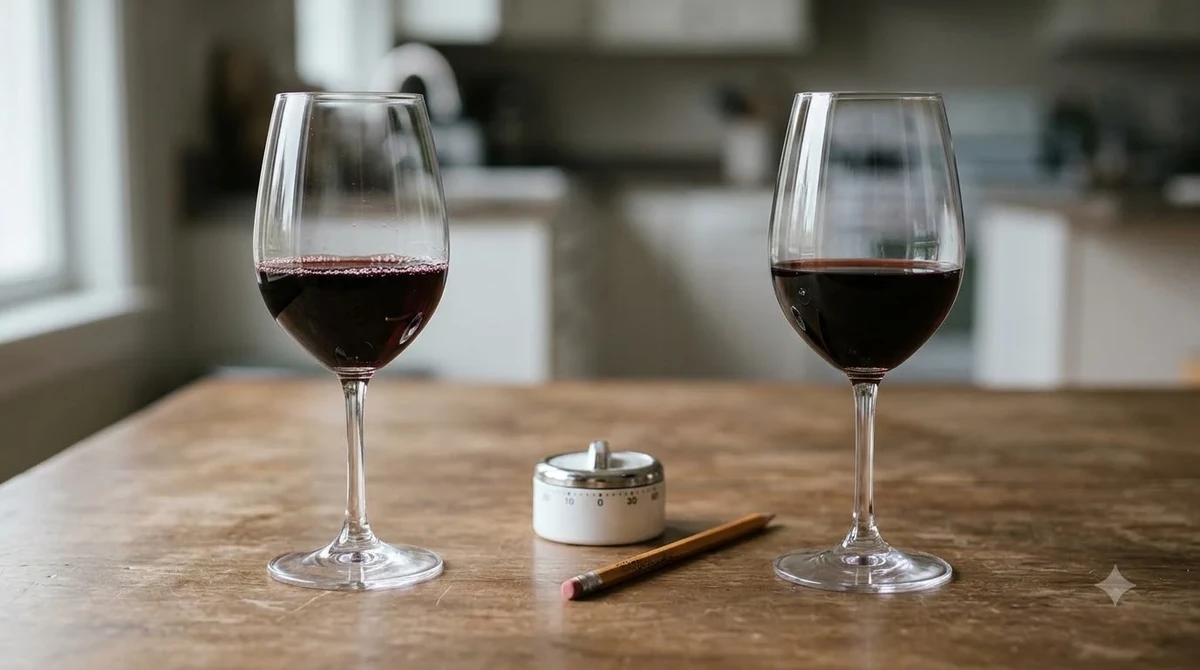
Begin with appearance. Hold the glass against a neutral background and examine the color around the center and edges. A young Monastrell may show a deep ruby or purple appearance, while older examples can develop garnet tones. The intensity of color can indicate extraction and grape characteristics, but it does not independently establish quality.
Next, assess the aroma. Start with the glass still and identify the most obvious fruit notes. Blackberry, plum, and black cherry are useful reference points for Monastrell. Swirl gently and smell again. Secondary impressions such as herbs, pepper, vanilla, cedar, and chocolate may become easier to recognize after the wine receives some air.
Take a small sip and consider four elements: fruit, acidity, tannin, and alcohol. Monastrell should generally feel substantial, with concentrated fruit and noticeable structure. Medium acidity provides freshness, while tannin creates a drying sensation along the gums. Alcohol can contribute warmth, especially in the finish.
Pay attention to balance rather than searching for a single perfect flavor. A concentrated red may still be well balanced if its acidity, tannin, and fruit work together. Conversely, excessive alcohol warmth or harsh tannin can make a wine feel less harmonious.
Serving temperature and glassware
Serving temperature has a considerable effect on how Jumilla wines perform. Full-bodied reds generally show better balance at 60 to 65 degrees Fahrenheit. Serving them too warm can emphasize alcohol, while serving them too cold can make tannins seem harder and mute aromatic complexity.
Light-bodied rosés and white wines are usually best served at 45 to 50 degrees Fahrenheit. Fuller white wines benefit from a slightly warmer range of 50 to 55 degrees Fahrenheit. Sweet white wines generally show well at 43 to 50 degrees Fahrenheit.
Use a reasonably large wine glass for Monastrell. A bowl with enough space allows concentrated aromas to develop without requiring excessive swirling. A smaller white wine glass can help maintain freshness and focus in aromatic whites.
Decanting and tasting order
Young, full-bodied Jumilla reds may benefit from 30 to 60 minutes of decanting. This can soften the initial impression of a structured wine and allow fruit and spice aromas to become more expressive. Older bottles should be handled more carefully because prolonged exposure to air can diminish delicate aromas.
For a tasting flight, start with a white wine or rosé, continue with a softer red, and finish with concentrated Monastrell or a barrel-aged blend. This order prevents powerful tannins and alcohol from overwhelming more delicate wines.
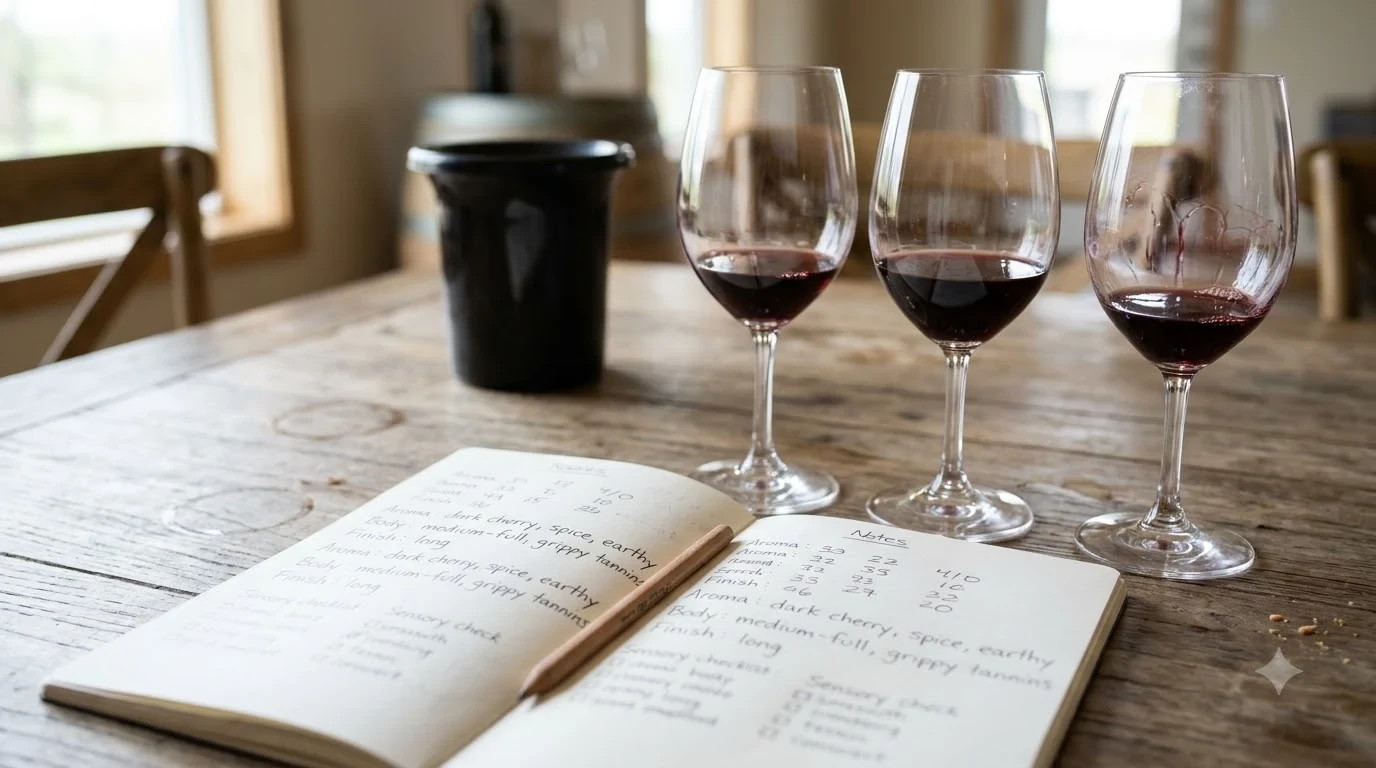
Use a standard 5-ounce pour when serving wine at a meal, although smaller pours are more practical for a tasting flight. A 750-milliliter bottle provides approximately five standard glasses. Keep notes about the grape, aroma, structure, finish, and overall impression rather than relying only on whether you liked the wine.
Food Pairings for Jumilla’s Concentrated Wines
Jumilla wines are especially enjoyable with Mediterranean food, grilled meats, roasted vegetables, and dishes featuring herbs or smoky flavors. The key is to match the intensity of the wine with the weight and seasoning of the food.
Monastrell pairs naturally with grilled lamb, beef, pork, and slow-roasted meats. Its substantial tannins work well with protein and fat, which soften the wine’s drying sensation. A grilled lamb dish with rosemary, garlic, and olive oil is a particularly useful pairing because the herbal seasoning complements the wine’s savory side.
Beef dishes are another strong choice. Try Monastrell with grilled steak, beef stew, or roasted short ribs. The wine’s dark fruit and substantial structure can stand up to rich cooking juices and caramelized surfaces. For a more casual meal, a beef burger with aged cheese and grilled onions provides a similarly satisfying combination.
Spanish-style dishes are equally appropriate. Consider roasted pork, grilled chorizo, mushroom dishes, or rice preparations with roasted vegetables. A moderately concentrated Monastrell can also accompany hard cheeses such as aged Manchego. The salt and fat in the cheese help soften the wine’s tannin.
Syrah-based wines are particularly suitable for peppered meats and grilled sausages. Cabernet Sauvignon can work with leaner steaks and dishes featuring firm, savory flavors. Softer Garnacha and Merlot expressions are useful with roasted chicken, pork tenderloin, and tomato-based vegetable dishes.
For white wines, try Macabeo or Sauvignon Blanc with grilled seafood, salads, and lighter Mediterranean dishes. A fresh white can complement shrimp, white fish, and vegetables dressed with lemon. Airén is a practical match for simple tapas and mild cheeses.
Rosé offers considerable flexibility. Pair it with grilled vegetables, seafood rice, cured meats, and light pasta dishes. Its red-fruit character can bridge the gap between white wine freshness and the fuller texture of red wine.
Sweet Monastrell needs a different approach. Pair it with desserts that are equally sweet or slightly less sweet than the wine. Dark chocolate, dried figs, almond pastries, and desserts featuring roasted nuts can work particularly well. A dessert that is sweeter than the wine may make the wine taste acidic or thin.
Be careful with spicy food. Alcohol and tannin can amplify chili heat, making a powerful Jumilla red less comfortable alongside very hot dishes. If the meal includes strong chili seasoning, choose a lower-alcohol, fruit-forward rosé or a fresh white instead.
Acidic dishes also need attention. Tomato sauces, citrus dressings, and vinegar-heavy preparations can make a wine seem flat if it lacks sufficient acidity. Choose a wine with comparable or higher acidity for these foods. Oily fish is generally better with white wine or rosé than with a tannic Monastrell.
Visiting Jumilla Wineries and Planning a Tasting Trip
Visiting Jumilla provides an opportunity to understand how vineyard conditions influence the wine in ways that are difficult to appreciate from a bottle alone. Winery tours, vineyard walks, and local food experiences can turn a tasting into a broader introduction to the region.
The official Region of Murcia tourism website promotes Jumilla as a destination for winery visits, vineyard exploration, and learning about the winemaking process. Visitors can combine cellar tours with rural accommodation and local cuisine. The regional wine route is a useful starting point for identifying participating wineries and organizing appointments.
The municipality of Jumilla is an obvious base for exploring the designation. It offers access to local wine businesses, restaurants, and cultural attractions. The surrounding countryside includes vineyards, agricultural land, and historic sites that provide context for the region’s long relationship with wine production.
The Carche Valley is another important area to consider. Several prominent wine estates are located in this part of the designation. Its vineyard landscape makes it particularly interesting for visitors who want to compare different locations rather than concentrating exclusively on the town itself.
Other municipalities within the broader production area include Montealegre del Castillo, Fuente-Álamo, Ontur, Hellín, Albatana, and Tobarra. These places are part of the wider Jumilla designation and help demonstrate the geographical extent of its wine culture.
What to expect during a winery visit
A typical winery experience may include an introduction to the vineyard, an explanation of grape growing, a cellar tour, and a guided tasting. Ask whether the visit includes different expressions of Monastrell, such as young wines, barrel-aged examples, and wines from older vineyards.
If possible, compare wines from different vineyard locations. Ask the guide how altitude, soil, exposure, and vine age influence the wines. These details can make the tasting more informative than simply sampling several bottles from the same range.
It is also useful to ask about the producer’s approach to oak. Some wineries use barrels to add spice and texture, while others favor stainless steel or other vessels to preserve primary fruit character. Neither approach is automatically better; the result depends on the quality of the fruit and the intended style.
Book winery visits in advance, especially if you want an English-language tour or a private tasting. Harvest periods can be particularly busy, and not every winery operates as a walk-in visitor attraction.
Leave time for local food and cultural attractions. The regional tourism program highlights the opportunity to combine wine visits with historical sites and outdoor activities. Jumilla Castle, whose present structure dates to 1461, is one notable historical stop for visitors interested in the town’s heritage.
For practical visitor information, vineyard activities, and local attractions, consult the official Region of Murcia Jumilla wine tourism guide.
For a contrasting European wine experience, consider Alsace wine tasting, where aromatic white varieties and cooler growing conditions create a very different tasting profile. Comparing these regions helps put Jumilla’s Mediterranean reds into perspective.
Choosing Jumilla Bottles and Building a Regional Tasting Flight
The best way to explore Jumilla is to taste several styles side by side rather than assuming every bottle will resemble the same powerful red. A small, carefully selected flight can reveal the region’s grape diversity, winemaking choices, and differences in structure.
For a first bottle, choose a young Monastrell. This provides a straightforward introduction to the region’s signature grape without requiring extended aging or detailed knowledge of individual producers. Look for ripe dark fruit, clear varietal character, and tannins that feel firm but not excessively aggressive.
Next, choose a barrel-aged Monastrell. Compare its aromas with the younger wine and look for differences in texture, spice, and finish. Vanilla, toast, cedar, and cocoa may indicate oak influence, while concentrated fruit should remain an important part of the overall profile.
A third wine could be a blend featuring Syrah, Cabernet Sauvignon, or Garnacha Tintorera. This allows you to identify how additional grapes influence color, aroma, tannin, and body. Some blends emphasize Monastrell’s natural character, while others aim for a more international style.
Include a white wine or rosé to broaden the experience. A Sauvignon Blanc-based wine provides a fresh contrast, while Macabeo or Airén can introduce a more restrained Mediterranean white style. A Monastrell rosé demonstrates how the same grape can produce a lighter wine with a different balance of fruit and structure.
When evaluating bottles, pay attention to the producer’s information about vineyard location, grape composition, fermentation, and maturation. A wine from an elevated vineyard may offer a different impression of freshness from one grown in a warmer location. Similarly, old-vine fruit and dry-farming practices can influence concentration and texture.
Storage and serving conditions matter after purchase. Store bottles on their sides in a cool, dark place near 55 degrees Fahrenheit, away from temperature fluctuations and direct sunlight. Avoid keeping wine in a warm kitchen or near equipment that generates heat.
After opening, refrigerate still wines and generally consume them within 3 to 5 days, depending on the wine’s condition and storage method. Allow full-bodied reds to warm slightly before serving if they have been refrigerated. A young, concentrated Monastrell may need some time in the glass before its full aromatic profile becomes apparent.
Another useful comparison is Bolgheri wine tasting, which offers an opportunity to compare Mediterranean-influenced red wines made with varieties such as Cabernet Sauvignon and Merlot. The comparison highlights how grape selection, vineyard conditions, and winemaking decisions produce different expressions of southern European wine.
Ultimately, choose bottles according to the style you enjoy. If you prefer bold reds, focus on Monastrell and Syrah. If you prefer softer wines, explore Garnacha or Merlot blends. If you enjoy freshness and aromatic complexity, look beyond red wines to Jumilla’s growing range of white and rosé styles.
Frequently Asked Questions
Is Jumilla considered a natural wine region?
Jumilla has a strong tradition of dry-farming and organic viticulture, but that does not mean every wine produced there is classified as natural wine. Organic certification concerns vineyard and production practices, while natural wine has no single universally accepted definition. Individual producers determine whether they follow additional low-intervention winemaking practices.
What does the word Monastrell mean on a Spanish wine label?
Monastrell is the Spanish name for the grape variety commonly called Mourvèdre in France and some international wine markets. It is also known as Mataró in certain regions. These names refer to the same grape variety rather than three different grapes.
Can Jumilla wines age in the bottle?
Yes. Well-made, concentrated Monastrell wines can develop additional complexity with bottle aging. Their tannin, fruit concentration, and acidity provide structural elements that can support development over time. The ideal aging period varies considerably according to the producer, vintage, and individual wine.
Are there sweet wines in the Jumilla designation?
Yes. Jumilla produces sweet wines, including expressions made from Monastrell. These wines can show intense dark fruit and dried-fruit character, offering an alternative to the region’s predominantly dry red wines. They are particularly interesting alongside traditional almond-based desserts and dark chocolate.
Does Jumilla have a dedicated wine tourism organization?
Yes. Ruta del Vino de Jumilla provides information about wine tourism in the area. Its resources help visitors discover participating wineries and organize experiences connected with the region’s vineyards, food, and cultural attractions. The local tourist office is located at Plaza del Rollo, 1, in Jumilla.
Jumilla deserves attention from anyone interested in distinctive Spanish wines, particularly those who appreciate concentrated reds with ripe fruit and firm structure. Start with Monastrell, explore the region’s other grapes, and compare wines from different vineyard sites to understand the influence of its dry, elevated landscape. Whether you enjoy a bottle at home or visit the wineries themselves, Jumilla offers a rewarding introduction to one of Spain’s most distinctive Mediterranean wine regions.
More in Wine Regions
 Willcox Wine Trail: Discover Arizona’s High-Elevation Wine CountryUpdated Nov 20, 2026
 Yakima Valley Wine Region: Find the Best Styles to TryUpdated Nov 20, 2026
 Vosne Romanee Wine Tasting: Identify Aromas and Choose Better PairingsUpdated Nov 20, 2026
 Yakima Valley Wine Festival: Find the Best Seasonal Wine EventsUpdated Nov 20, 2026
 Wales Vineyards: Discover Cool-Climate Wines and Where to VisitUpdated Nov 20, 2026
 Yountville Wine Festival: Discover Napa Wines and Local FoodUpdated Nov 20, 2026