

We may earn a commission when you buy through links on this page, at no extra cost to you. Learn more.
Juliette wine most commonly refers to Juliette Provence Rosé, a dry French rosé produced in southern France at Domaine de La Sanglière using Grenache and Cinsault grapes. When shoppers search for this spelling, they often also encounter Juliet Wine (spelled without the final “-te”), an American brand known for California varietal wines packaged in 1.5-liter cylindrical boxes. Understanding the difference between the traditional Provençal bottle and the California boxed lineup helps buyers pick the exact style they want.
Because “Juliette” and “Juliet” sound identical aloud, wine menus, retail shelves, and casual recommendations frequently blur the two labels together. One brings classic Mediterranean acidity and pale salmon color from coastal France, while the other focuses on low-intervention California fruit in a tap-equipped cylinder built to stay fresh for weeks.
Who Makes Juliette Wine and Its Spelling Twin
Two distinct producers sit behind the names you will see at U.S. wine shops and online retailers, separated by an ocean and a two-letter spelling variation. Knowing which winery stands behind each label clarifies everything from grape origin to packaging format.
The French bottle spelled Juliette comes from Domaine de La Sanglière in the Provence region of southern France, imported into the United States by Turquoise Life. According to the official Juliette Provence Rosé brand profile, the estate crafts the wine in a classic dry Provençal tradition using coastal vineyard fruit. Alongside the flagship pink wine, the broader estate portfolio also includes small-production white and red cuvées under the Juliette name, though the rosé dominates American retail availability.
By contrast, the label spelled Juliet—with a single “t” and no trailing “e”—is an American company founded in 2021 by Allison Luvera and Lauren De Niro Pipher. Production takes place at a Certified California Sustainable Winery in the Santa Barbara region, focusing on low-intervention winemaking without artificial additives. If you enjoy exploring modern domestic labels across different formats, browsing a broader overview of wine brands shows how newer California producers differ from centuries-old French estates.
The Lineup: Provençal Bottles vs. California Eco-Magnums
While the French Juliette label centers almost entirely on pale, dry rosé in standard 750-milliliter glass bottles and occasional 250-milliliter cans, the California Juliet lineup spans six distinct grape styles in 1.5-liter cylindrical boxes. Comparing their core specifications makes it easy to tell them apart at a glance.

| Label & Spelling | Origin & Producer | Grape Varieties | Format & ABV | Primary Style |
|---|---|---|---|---|
| Juliette Provence Rosé | Provence, France (Domaine de La Sanglière) | 70% Grenache, 30% Cinsault | 750 mL glass bottle (also 250 mL cans); 12.5%–13% ABV | Bone-dry, crisp coastal rosé |
| Juliet Dry Rosé | Central Coast / Santa Barbara, CA | Grenache-based | 1.5L Eco-Magnum cylinder; 13.5% ABV | Dry, aromatic California rosé |
| Juliet Sauvignon Blanc | Central Coast / Santa Barbara, CA | Sauvignon Blanc | 1.5L Eco-Magnum cylinder; 13.1%–13.7% ABV | Crisp, citrus-driven dry white |
| Juliet Chardonnay | Central Coast / Santa Barbara, CA | Chardonnay | 1.5L Eco-Magnum cylinder; 13.3% ABV | Clean, fruit-forward dry white |
| Juliet Orange | Central Coast / Santa Barbara, CA | Skin-contact white blend | 1.5L Eco-Magnum cylinder; 12.3% ABV | Textured, low-intervention amber wine |
| Juliet Pinot Noir | Central Coast / Santa Barbara, CA | Pinot Noir | 1.5L Eco-Magnum cylinder; 14.3%–14.6% ABV | Light-to-medium bodied red |
| Juliet Cabernet Sauvignon | Central Coast / Santa Barbara, CA | Cabernet Sauvignon | 1.5L Eco-Magnum cylinder; 12.5% ABV | Approachable, low-sugar California red |
In the French camp, Domaine de La Sanglière blends 70 percent Grenache with 30 percent Cinsault for Juliette Provence Rosé, though select export lots and vintage releases have also incorporated Syrah. The producer bottles the wine primarily in traditional 750-milliliter glass, with select markets also carrying four-packs of 250-milliliter cans for outdoor gatherings. Alcohol levels typically sit around 12.5 percent to 13 percent ABV, keeping the palate light and refreshing.
On the California side, Juliet packages every varietal in its patent-pending 1.5-liter cylindrical box—equivalent to two standard 750-milliliter bottles or roughly ten 5-ounce pours. Each release is fermented dry with less than 1 gram of sugar per serving and zero artificial additives. As Wine Enthusiast notes in its look at alternative wine packaging, lightweight cylindrical formats like Juliet Rosé have gained traction for casual weeknight dinners where opening a heavy glass bottle feels unnecessary. Shoppers interested in clean-ingredient domestic labels often compare Juliet alongside bottles like Avaline white wine, which shares a similar emphasis on transparent, additive-free winemaking.
Taste Profile and Winemaking Approach
Both the French Juliette and the American Juliet lean toward crisp acidity, restrained sweetness, and bright fruit expression, though their regional climates shape distinct flavor profiles on the palate.
Juliette Provence Rosé pours a pale salmon-pink hue characteristic of southern French winemaking, where brief skin contact extracts delicate color without heavy tannin. On the nose and palate, the producer describes an initial burst of fresh raspberries and wild red berries layered over subtle Provençal herbs and citrus zest. Reviewers at Wine Enthusiast have noted the wine’s youthful herbal character, bright acidity, and clean, bone-dry finish, making it feel lively rather than sweet or heavy.
California’s Juliet lineup expresses the sun-drenched yet coastal-cooled vineyards of Santa Barbara and the Central Coast. The Juliet Dry Rosé leans into aromatic notes of strawberry, watermelon, and white freesia flowers, while the Sauvignon Blanc highlights Meyer lemon, ripe pear, and honeydew melon. Across the reds, Juliet Pinot Noir delivers red cherry, raspberry, and subtle baking spice at around 14.3 percent to 14.6 percent ABV, whereas the Cabernet Sauvignon offers a lighter-framed 12.5 percent ABV profile built for easy drinking rather than heavy oak extraction.
How to Serve and Pair Juliette Wine
Serving temperature and simple food pairings play a major role in bringing out the crisp acidity and aromatic lift of both the Provençal bottle and the California boxed wines.
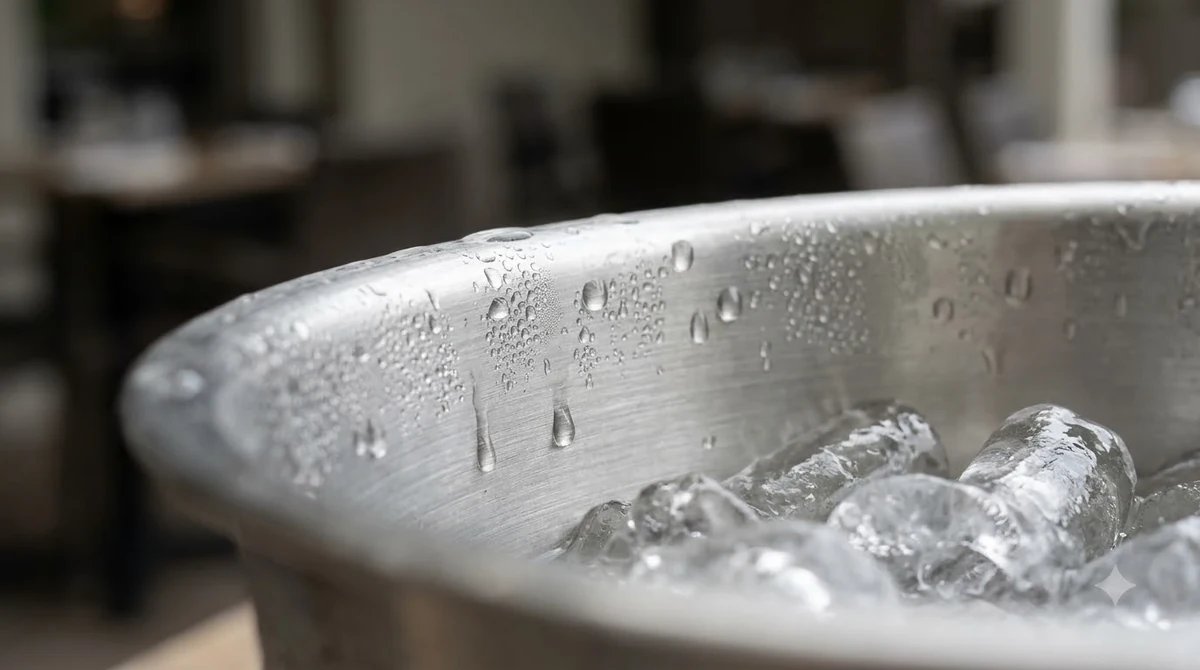
For Juliette Provence Rosé, aim for a refrigerator chill of 45 to 50 degrees Fahrenheit (7 to 10 degrees Celsius). Serving it too cold mutes the delicate raspberry, peach, and wild herb notes, while letting it warm above 55 degrees Fahrenheit can dull its refreshing snap. Standard tulip-shaped white wine glasses work best, funneling the subtle floral and mineral aromatics toward the nose while keeping the pour cool.
At the dinner table, the bone-dry structure and lively acidity of Provençal Juliette make it an adaptable partner for coastal and Mediterranean cooking. The producer highlights classic pairings such as grilled sea bass, steamed shellfish, lobster, and traditional bouillabaisse, where the wine’s citrus-like cut balances rich garlic and olive oil. Beyond French seafood, its crisp finish handles lightly spiced Thai dishes, sushi, goat cheese salads, and tomato-based pastas without clashing. For California Juliet boxes, chill the white, rosé, and orange cylinders to the same 45 to 50 degrees Fahrenheit range, and give the Pinot Noir or Cabernet Sauvignon a brief 15-minute chill in the fridge so they pour around 60 to 65 degrees Fahrenheit. If you enjoy versatile, fruit-forward California reds at casual gatherings, you will find similar crowd-pleasing balance in 14 Hands Hot to Trot wine.
Tip: If you buy the 1.5-liter Juliet Eco-Magnum box, store white, rosé, and orange cylinders directly in the refrigerator after tapping—the internal vacuum pouch blocks oxygen and keeps the wine tasting fresh for four to six weeks.
Who Suits Which Bottle (or Box)
Choosing between French Juliette and California Juliet comes down to how you plan to serve the wine, how quickly you finish an open container, and whether you prefer Old World minerality or New World fruit.
Reach for Juliette Provence Rosé when you want a traditional, glass-bottled French wine for a sit-down dinner, warm-weather lunch, or host gift. Its 12.5 percent ABV, pale color, and savory herbal edge appeal to drinkers who love classic Côtes de Provence and Vin de France rosés that finish crisp and stony rather than overtly fruity. Because a 750-milliliter bottle holds five standard glasses, it suits an evening meal shared between two to four people where the bottle will be finished in one sitting.
Opt for Juliet Wine’s Eco-Magnum when convenience, extended freshness, and variety matter most. Because the collapsible inner bag prevents air from reaching the remaining wine after each pour, a single cylinder works well for solo wine drinkers who want one glass on a Tuesday night without wasting the rest of a bottle. It also fits outdoor settings—such as beaches, boats, pools, and picnics—where glass bottles are restricted or impractical. Those who want zero-alcohol alternatives for similar occasions might explore Ariel wine instead, since both Juliette and Juliet contain standard wine alcohol levels.
Frequently Asked Questions
Is Juliette wine sweet or dry?
Both Juliette Provence Rosé and the California Juliet wine lineup are fermented dry rather than sweet. The French Juliette from Domaine de La Sanglière is a bone-dry Provençal rosé with crisp acidity and fresh berry notes, while California Juliet wines contain less than 1 gram of residual sugar per serving.
What is the difference between Juliette wine and Juliet wine?
Juliette (with “-tte”) is a traditional French rosé produced in Provence by Domaine de La Sanglière and sold primarily in 750-milliliter glass bottles. Juliet (without “-te”) is a California wine brand founded in 2021 that sells six low-intervention varietals in 1.5-liter cylindrical boxes designed to stay fresh for weeks after opening.
What grapes are used in Juliette Provence Rosé?
Juliette Provence Rosé is crafted primarily from a classic southern French blend of 70 percent Grenache and 30 percent Cinsault. Depending on the specific vintage and export bottling, small proportions of Syrah are also sometimes blended in to add subtle herbal and spicy complexity.
How long does boxed Juliet wine stay fresh after opening?
Thanks to its airtight inner pouch and dispense tap that keep oxygen out, a 1.5-liter Juliet Eco-Magnum stays fresh for four to six weeks after opening. Storing white, rosé, and orange varieties in the refrigerator and keeping reds in a cool, dark pantry helps preserve their fruit and acidity throughout that window.
Whether you uncork a chilled glass bottle of Domaine de La Sanglière’s Juliette from Provence or tap a California-grown Eco-Magnum from Juliet, both labels deliver dry, food-friendly wines built around clean fruit and bright acidity. Checking the spelling on the label ensures you bring home the exact origin, grape blend, and format suited to your table.
More in Wine Brands
 Underwood Wine Price: Compare Bottles, Cans, and Pack SizesUpdated Nov 21, 2026
 Zenato Wine Price: Compare Styles and Choose the Right BottleUpdated Nov 21, 2026
 Zuccardi Wine Price: Compare Bottles and Find the Right RangeUpdated Nov 21, 2026
 Yellow Tail Moscato Review: Taste, Sweetness and Serving TipsUpdated Nov 21, 2026
 Wolf Blass Yellow Label Review: Choose Your Best StyleUpdated Nov 21, 2026
 Wolffer Estate Rose Review: Choose the Right Bottle for Your TableUpdated Nov 21, 2026