

We may earn a commission when you buy through links on this page, at no extra cost to you. Learn more.
Juhfark wine is a distinctive, high-acid white wine from Hungary, most closely associated with the volcanic slopes of Somló. It is usually dry, medium-bodied, and restrained in overt fruit, with citrus, herbs, mineral notes, and a firm, food-friendly line of acidity. The grape is rare outside Hungary, so a bottle offers a useful look at a local variety whose character is closely tied to its growing place.
Juhfark rewards drinkers who enjoy whites with savory detail and firm structure rather than broad, sweet fruit. Its best-known expression comes from a small Hungarian wine district, but the variety also gives producers room to make different choices with harvest timing, skin contact, oak, and bottle aging.
Juhfark Wine: The Hungarian White Grape
Juhfark wine is made from Juhfark, a white grape regarded as a native Hungarian variety and strongly identified with the Somló wine district. The name means “sheep’s tail,” a reference to the long, cylindrical shape of its compact grape clusters. The Hungarian Wine profile of Juhfark describes it as a likely ancient variety that was once nearly forgotten and was reauthorized for cultivation in the early 1990s.
The grape has large, round leaves with pointed tips and long, dense bunches of thin-skinned, round berries. It flowers early and can produce relatively generous yields, but its appeal as a wine grape rests less on an obvious perfume than on its high natural acidity and restrained fruit character. Those qualities give the variety space to express differences in soil, vineyard exposure, picking decisions, and cellar treatment. Juhfark is often called neutral, but that does not mean the wine has no flavor or personality. The word describes its comparatively restrained primary fruit: rather than delivering the strongly aromatic profile associated with varieties such as Sauvignon Blanc or Gewürztraminer, it tends to show citrus, herbs, savory notes, and a firm mineral impression. Its structure can make the wine feel more detailed as it warms and opens in the glass.
For a closer look at the vine itself, including its clusters and growing traits, see our Juhfark grape profile. The distinction is useful: the grape describes the plant and variety, while Juhfark wine describes the finished styles that growers and cellar teams make from it. Most bottles encountered by American drinkers are likely to be imported from Hungary, and the region named on the label can tell you much about the wine’s likely profile.
Somló’s Volcanic Slopes and Hungarian Growing Areas
Somló is the historic home and leading growing area for Juhfark, and its volcanic geology is central to the way the variety is understood. Hungary’s wine authority reports fewer than 200 hectares of Juhfark in the entire country, with 105 hectares in the Nagy-Somló district, representing about 20 percent of that district’s vineyard area.
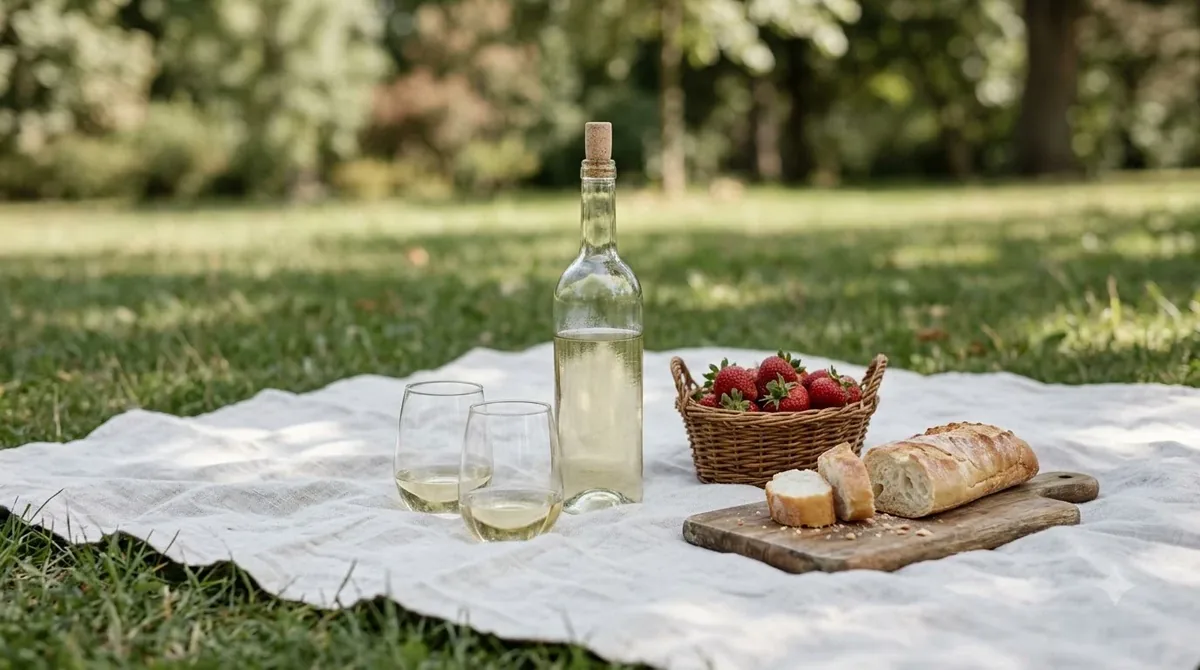
The Somló landscape is built around a distinctive volcanic hill in western Hungary. Juhfark grows there on a mix that includes volcanic basalt, basalt tuff, limestone tuff, and clay. The Hungarian wine authority contrasts those conditions with the calcareous soils found in Etyek-Buda and Pécs, where smaller plantings of the variety also occur. The grape is therefore closely associated with one place without being restricted to a single vineyard or soil type.
That local concentration helps explain why Somló is the first place to look when seeking a classic example. Wines from the district are commonly described through a combination of citrus, grapefruit, herbs, mint, saltiness, and stony character. The acidity can feel piercing, especially in a young, dry bottle, while the moderate body provides enough weight for food without making the wine feel heavy.
Other Hungarian regions can produce a different emphasis. The wine authority describes Juhfark from the Balaton Highlands as similarly spicy and sharply acidic, but sometimes with riper stone-fruit flavors. This is a helpful reminder that the variety is not a fixed flavor formula: climate, site, ripeness, vintage conditions, and the winemaker’s decisions all affect the glass. Somló remains the reference point, but wines from other Hungarian districts are worth considering in their own right.
Flavor, Acidity, and Texture in the Glass
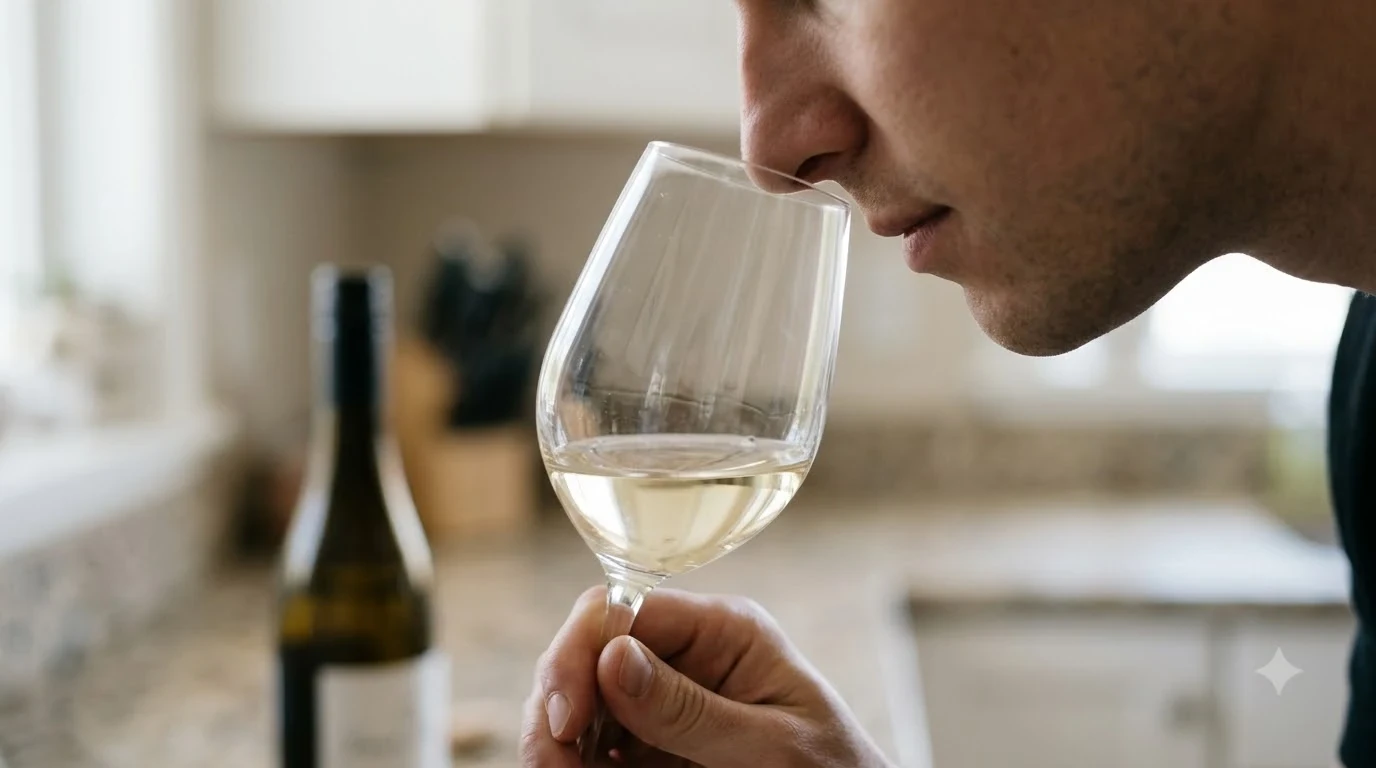
Expect Juhfark to lean toward citrus, grapefruit, green herbs, and a salty or stony impression, supported by high acidity and medium body. Fruit is usually present without dominating the wine, so its overall impression is often savory, brisk, and structured rather than lush.
On the nose, a young Somló example may suggest lemon or grapefruit peel, fresh herbs, mint, and a faintly smoky or stony note. The palate often begins with a clean, firm line of acidity and develops toward citrus flesh, herbal detail, and a dry finish. The exact balance changes by producer and vintage: some wines are lean and taut, while others have broader texture from ripe fruit, skin contact, or time on lees.
Individual bottles show how wide the sensory range can be. Decanter’s review of Kolonics Juhfark from Somló describes apple and white-blossom flavors with a spicy, mineral edge. The wine was made with 6–12 hours of skin contact and aged for 11 months in large oak and acacia barrels, a combination that adds texture without erasing the grape’s acidity. The review is a useful example of how cellar choices can build complexity around a naturally restrained variety.
A Wine Enthusiast review of Somlói Vándor’s 2020 Juhfark gives another reference point: the wine showed casaba melon, nectarine, and flint aromas, followed by peach, honeydew, nutmeg, and candied orange peel, with pronounced freshness. That richer fruit spectrum does not contradict the variety’s generally restrained profile. It shows that ripeness, site, and winemaking can broaden the fruit while the acid line keeps the wine lively.
Vineyard Decisions and Winemaking Choices
Juhfark’s natural acidity gives winemakers several ways to shape texture without losing the variety’s defining freshness. Harvest timing, skin contact, fermentation vessel, oak use, and time in bottle all influence whether the finished wine feels lean and direct or fuller and more layered.
Skin contact is one tool for adding structure and aromatic detail. In the Kolonics example reviewed by Decanter, the grapes spent 6–12 hours in contact with their skins before the wine aged for 11 months in large oak and acacia barrels. That is a producer-specific method, not a mandatory recipe for the variety. Another producer may press the grapes promptly and ferment in stainless steel to preserve a cleaner, more linear impression.
Oak can also vary from subtle support to a more obvious part of the wine’s shape. Somlói Apátsági Pince, a winery based on Somló, describes using oak barrels for fermentation and aging, with its wines spending at least one year in oak and one additional year in bottle. Its account identifies Juhfark as the estate’s key local variety and says a short period in new oak can add structure and complexity. This is one winery’s cellar approach, rather than a rule for every Juhfark producer.
Lees contact and vessel choice can give the wine more breadth. A neutral vessel generally preserves a direct expression of fruit and acidity, while larger used barrels can add textural roundness with less overt oak flavor than new, small barrels. Skin contact can contribute grip and a broader palate, but excessive extraction would risk obscuring the grape’s clean, firm character. The most successful examples retain a clear line of acidity even when they have extra weight.
Styles, Bottle Development, and What to Look For
Dry, still white wine is the familiar style, but Juhfark is not defined by one fixed level of ripeness or one cellar method. Producer choices can lead to lean, citrus-led wines or fuller, lightly oaked versions with more texture and spice.
When choosing a bottle, start with the region and producer information. A Somló or Nagy-Somló label points toward the grape’s best-known home, while a reference to Balaton-area vineyards may suggest a different balance of spice and stone fruit. Look for whether the wine is described as dry, whether it has seen oak, and whether the producer mentions skin contact or lees aging. Published examples help put the details into context: Decanter lists the reviewed Kolonics 2019 as a dry, lightly oaked, 100 percent Juhfark at 13 percent alcohol, while Wine Enthusiast lists Somlói Vándor 2020 at 12.5 percent alcohol and a 750-milliliter bottle size. These are two specific wines, not a universal alcohol range or a promise about every vintage.
| Reviewed bottle | Grape and style | Alcohol | Reported detail |
|---|---|---|---|
| Kolonics Juhfark, Somló 2019 | 100% Juhfark; dry; lightly oaked | 13.0% ABV | 6–12 hours of skin contact; 11 months in large oak and acacia barrels |
| Somlói Vándor Juhfark, Nagy-Somló 2020 | Juhfark white wine | 12.5% ABV | 750 ml bottle; melon, nectarine, flint, peach, honeydew, and nutmeg notes in the review |
Juhfark has the structure to develop in bottle, particularly when the fruit, acidity, and winemaking are in balance. Young examples can feel tightly wound, with acidity at the front and savory detail emerging with air; with time, the wine may become more integrated and layered. The pace and outcome vary, so a single aging timeline should not be applied to every bottle. For readers comparing grape varieties and finished wine styles across regions, our Wine by Type section offers a broader framework for understanding how acidity, body, sweetness, and production method influence a glass. With Juhfark, the key questions are simple: where did it grow, how ripe was the fruit, and what did the winemaker do after harvest?
Serving Juhfark and Pairing It with Food
Serve Juhfark cool rather than ice-cold, at about 46–50°F (8–10°C), so its acidity stays refreshing while citrus, herbs, and savory detail remain easy to smell. A 5-ounce pour in a white-wine glass gives the wine enough room to open without warming too quickly.
Its high acidity makes Juhfark especially useful with foods that have richness, salt, or a little fat. The Hungarian wine authority recommends matches that include full-fat cow’s and sheep’s cheeses, white fish, poultry, pork, veal, soups, cream soups, legumes, lentils, and gratins. For a simple menu, try roasted chicken with lemon, pork loin with herbs, or a warm lentil dish finished with olive oil.
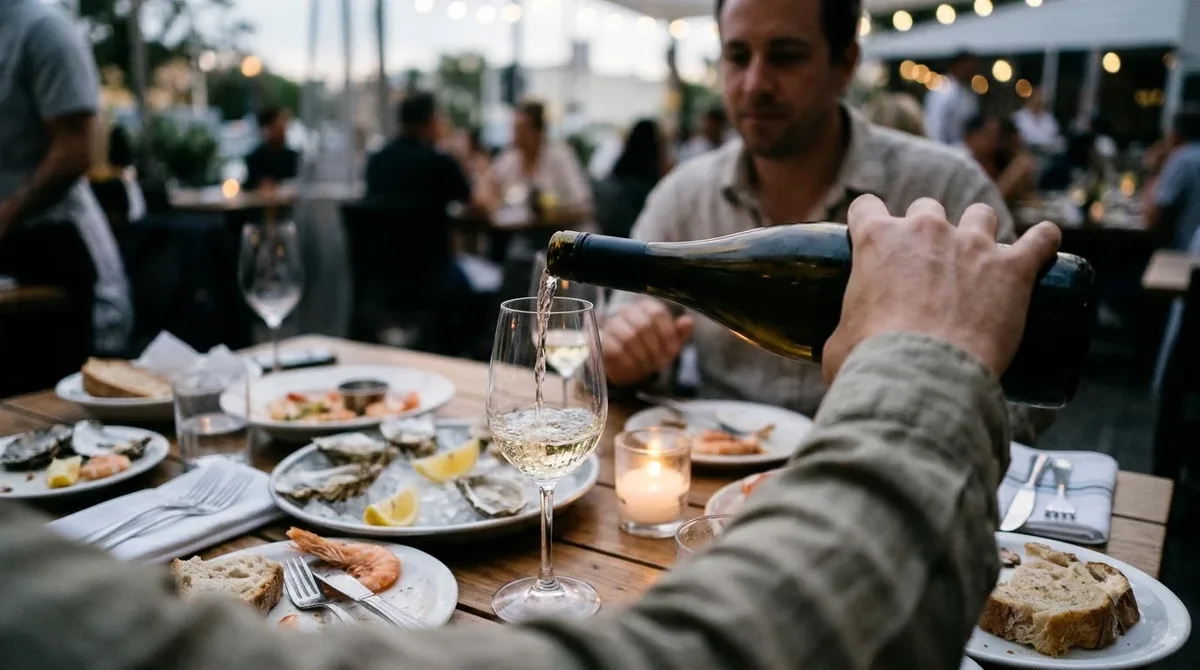
Cheese is a particularly natural direction. Sheep’s-milk cheeses, fresh goat cheese, and full-fat cow’s-milk cheeses can soften the impression of acidity and give the wine a richer partner. Creamy cauliflower soup, celery-root soup, or a potato gratin also work because the wine’s fresh finish cuts through the dish’s weight. Add herbs or a squeeze of lemon to echo Juhfark’s citrus and savory notes. For seafood, favor white fish or simply prepared shellfish with herbs and lemon; avoid very sweet sauces, which can make the wine seem sharper. If the meal includes substantial acidity from vinegar or citrus, keep the wine’s own acidity in the same range or higher. Juhfark’s structure is often a better match for savory, fatty preparations than for delicate dishes that need a soft, low-acid companion.
Tip: Match the wine to the weight and seasoning of the dish. Choose a lean, crisp Juhfark for white fish or vegetable soup, and a fuller, barrel-influenced bottle for roast pork, gratin, or aged sheep’s cheese.
Keep chili heat moderate: alcohol can make spicy heat feel more pronounced, especially when the dish also contains hot peppers. Very hot preparations may overwhelm Juhfark’s restrained fruit, while strongly charred dishes can make its savory profile seem austere.
Frequently Asked Questions
These answers cover details that are easy to miss on a bottle label, from the Hungarian pronunciation of Juhfark to the 8–10°C serving recommendation and the variety’s small footprint beyond Somló.
How do you pronounce Juhfark?
Decanter gives the pronunciation as “you-fark.” The name is Hungarian, and its English translation refers to the shape of the grape cluster rather than a flavor or production method. It is a useful name to recognize when looking for the variety on a Hungarian wine list.
Is Juhfark grown only in Somló?
No. Somló is its leading district, but Hungarian plantings also occur in Balatonfüred-Csopak, the Balaton Uplands, Etyek-Buda, and Pécs. The country’s total area remains small, with fewer than 200 hectares reported across Hungary.
Is Juhfark always a dry wine?
No. It is often made dry, but it can also be produced in an off-dry style, where a little natural residual sugar softens the grape’s pronounced acidity. If botrytised berries are included in the harvest, the resulting wine may show honeyed and dried-fruit notes.
Can Juhfark improve with bottle age?
Yes, well-made examples can develop additional complexity in bottle. Hungary’s wine authority notes that the acidity can soften over time while the flavors gain layers, so an older bottle may feel more integrated than a very young one. Storage at a cool, steady temperature away from sunlight helps protect its aromas.
What glass should I use for Juhfark?
A tulip-shaped white-wine glass is a good choice because its narrower opening gathers the wine’s citrus, herbal, and mineral aromas. The Hungarian wine authority recommends this glass shape and a serving temperature of 8–10°C. A standard white-wine glass is suitable when a specialized glass is not available.
Juhfark is a rewarding choice for drinkers who like high-acid whites with savory character, mineral detail, and enough body for the table. Start with a Somló bottling, serve it cool, and pair it with fish, poultry, cheese, or a rich vegetable dish to see why this rare Hungarian grape has a following.
More in Wine Types & Grapes
 What Does Mourvèdre Taste Like? Flavor Profile, Regions, and PairingsUpdated Nov 20, 2026
 What Does Marsanne Taste Like? Flavors, Styles, and Food PairingsUpdated Nov 20, 2026
 What Does Malvasia Taste Like? Styles, Flavors, and Food PairingsUpdated Nov 20, 2026
 What Does Grenache Blanc Taste Like? Flavor Profile, Styles, and PairingsUpdated Nov 20, 2026
 What Does Garnacha Taste Like? Key Flavors, Styles, and Pairing TipsUpdated Nov 20, 2026
 What Does Fruit Wine Taste Like? A Complete Flavor and Style BreakdownUpdated Nov 20, 2026