
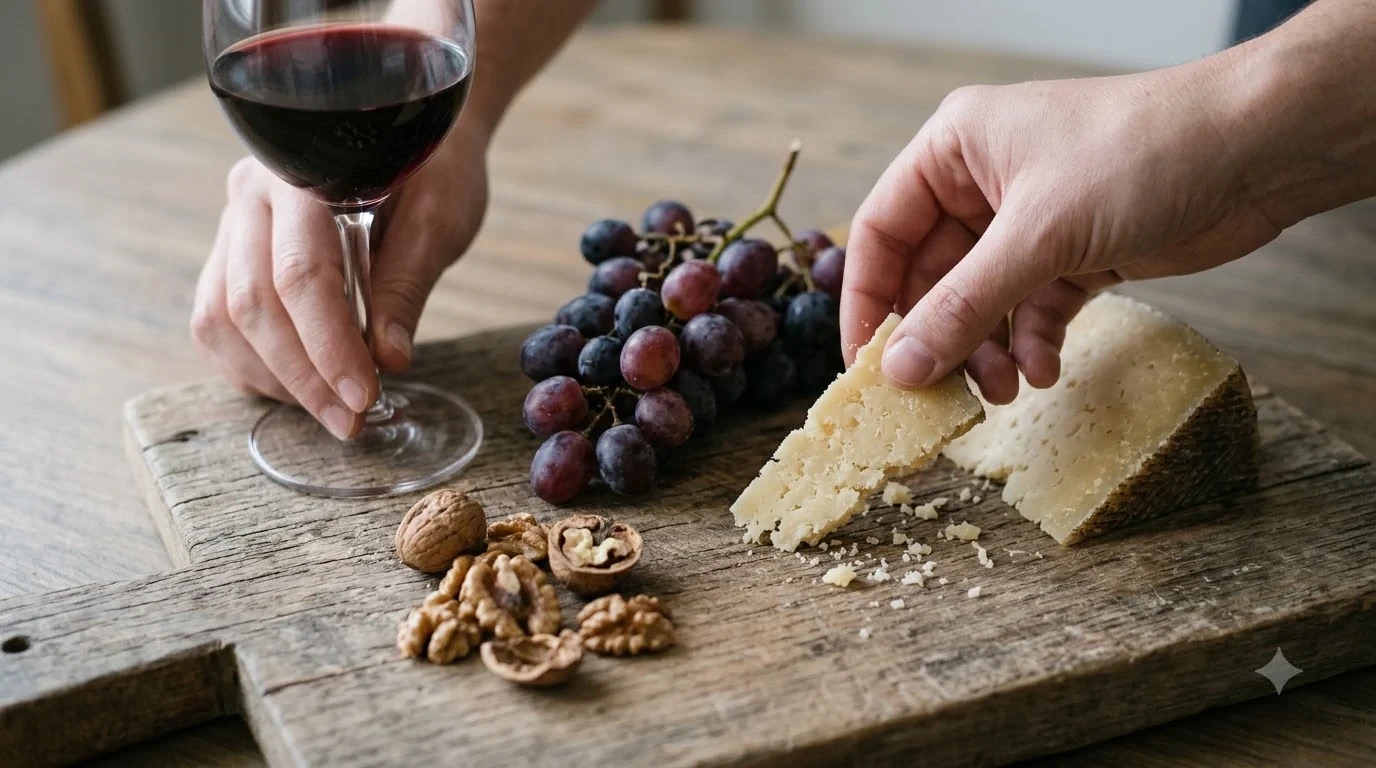

We may earn a commission when you buy through links on this page, at no extra cost to you. Learn more.
This josh rose review finds Josh Cellars Rosé a good choice for drinkers seeking a crisp, light-bodied, dry California rosé with approachable strawberry, peach, and citrus flavors. Its 12.5% ABV and refreshing profile make it suitable for casual meals, seafood, outdoor gatherings, and warm-weather entertaining. However, its straightforward fruit-forward character is better suited to everyday drinking than to collectors looking for complex, age-worthy rosé.
Josh Cellars Rosé occupies a useful middle ground between simple summer refreshments and more structured dry rosé wines. It offers recognizable fruit aromas, a relatively light texture, and enough freshness to work with several types of food. The producer highlights strawberries, white flowers, stone fruits, citrus, and white peach, while independent reviews provide additional detail about how individual bottlings express those characteristics. Understanding its sweetness, acidity, serving temperature, and food compatibility can help determine whether this bottle belongs in your wine collection.
Who Should Choose Josh Cellars Rosé?
Josh Cellars Rosé is best suited to casual wine drinkers who enjoy refreshing, fruit-forward wines without heavy oak, pronounced tannins, or a rich mouthfeel. Its California origin, light-bodied structure, and 12.5% ABV make it approachable for weekday dinners, summer lunches, and relaxed social occasions.
Beginners have several reasons to consider this wine. Strawberry and peach are familiar fruit characteristics, while citrus adds freshness rather than introducing unfamiliar or challenging flavors. Someone transitioning from sweet white wine to dry rosé may also find its fruit-forward aromas inviting, although the distinction between fruity aromas and actual sweetness is important.
More experienced rosé drinkers may appreciate Josh Cellars for a different reason: convenience. It provides a recognizable California style that can be served without extensive preparation or a complicated food menu. Its appeal lies in accessibility rather than unusual grape varieties, vineyard-specific expression, or elaborate winemaking distinctions.
There are also situations where another style makes more sense. Drinkers seeking very pale, restrained Provençal rosé with delicate herbal and mineral complexity may prefer a bottle specifically made in that tradition. Those who want a noticeably sweet wine should consider a sweeter rosé or Moscato instead. Josh Cellars is a better match for someone who enjoys fruit aromas alongside a dry finish.
For readers comparing the wider range of wines from this producer, the Josh Rose overview offers another useful starting point. The important distinction is that Josh Cellars Rosé should be judged as an approachable everyday wine, not as a substitute for every premium rosé style.
Key Factors to Compare Before Buying
Three factors deserve the most attention: sweetness, acidity, and alcohol content. Together, these characteristics determine whether Josh Cellars Rosé will suit a particular palate, meal, or occasion.
The first consideration is its dry style. Fruity aromas can suggest sweetness, but strawberry, peach, and citrus do not automatically mean a wine contains substantial residual sugar. Wine Enthusiast describes the 2023 bottling as finishing dry, while the producer emphasizes freshness and bright citrus rather than dessert-like sweetness. The official Josh Cellars Rosé product page provides the producer’s description of its fruit and floral characteristics.
Acidity is another important consideration. A refreshing rosé needs sufficient freshness to balance fruit flavors and remain enjoyable alongside food. Citrus and mineral characteristics in the published tasting notes suggest a profile that should work particularly well with lighter dishes. Acid-driven wines are especially useful with foods containing lemon juice, vinaigrette, or other acidic ingredients.
Alcohol content is relatively straightforward to evaluate. Wine Enthusiast lists the 2023 and 2024 bottlings at 12.5% ABV, with each reviewed bottle containing 750 ml. This is a useful reference point for understanding the wine’s general style, although individual vintages and bottling details can differ.
The following comparison summarizes the practical information available from the producer and published reviews.
| Factor | Josh Cellars Rosé | What It Means |
|---|---|---|
| Origin | California, USA | American rosé wine |
| Bottle size | 750 ml | Approximately five standard glasses |
| Alcohol content | 12.5% ABV | Moderate alcohol level |
| Body | Light-bodied | Easy-drinking texture |
| Sweetness | Dry | Fruit-forward without a dessert-wine profile |
| Fruit notes | Strawberry, peach, citrus | Fresh, recognizable fruit character |
| Floral notes | White flowers | Additional aromatic freshness |
| Suggested serving temperature | 45–50°F | Preserves freshness and balance |
| Standard serving | 5 oz | About five glasses per bottle |
One useful detail is the difference between a producer’s description and an independent review. Josh Cellars emphasizes strawberry, white peach, and citrus, while Wine Enthusiast’s assessment of the 2024 bottling adds nectarine, sweet cherry, dried sage, and mineral impressions. These descriptions are complementary rather than contradictory because aroma and flavor perception can vary between vintages and individual tasters.
The published assessments also show that vintage matters. Wine Enthusiast awarded the 2023 bottling 93 points and the 2024 bottling 88 points. Both were evaluated as California rosé wines, but the different results demonstrate why one vintage’s review should not automatically be applied to another bottle. The Wine Enthusiast review of the 2024 Josh Cellars Rosé offers additional tasting details for that particular vintage.
For additional information about the relationship between strength and serving portions, the Josh Rose alcohol content resource can help readers understand the wine’s alcohol percentage in practical terms.
Step-by-Step: How to Choose and Serve Josh Cellars Rosé
Choosing this wine is relatively simple because its general style is approachable and versatile. A few practical steps can help ensure the bottle matches the occasion and is served in a way that preserves its fresh character.
-
Decide whether you prefer dry rosé.
Start by considering sweetness. Josh Cellars Rosé is positioned as a dry wine, so expect fruit aromas without the pronounced sugary finish associated with sweet pink wines. If your preferred wines taste closer to Moscato or sweet White Zinfandel, this bottle may seem less sweet than expected.
-
Consider the food menu.
Think about the main ingredients before selecting the wine. Shrimp, ceviche, fresh oysters, summer berries, and light salads are natural choices based on the producer’s recommendations and independent tasting notes. For heavier meals, consider whether the wine’s light body will provide enough structure.
-
Choose a suitable bottle condition.
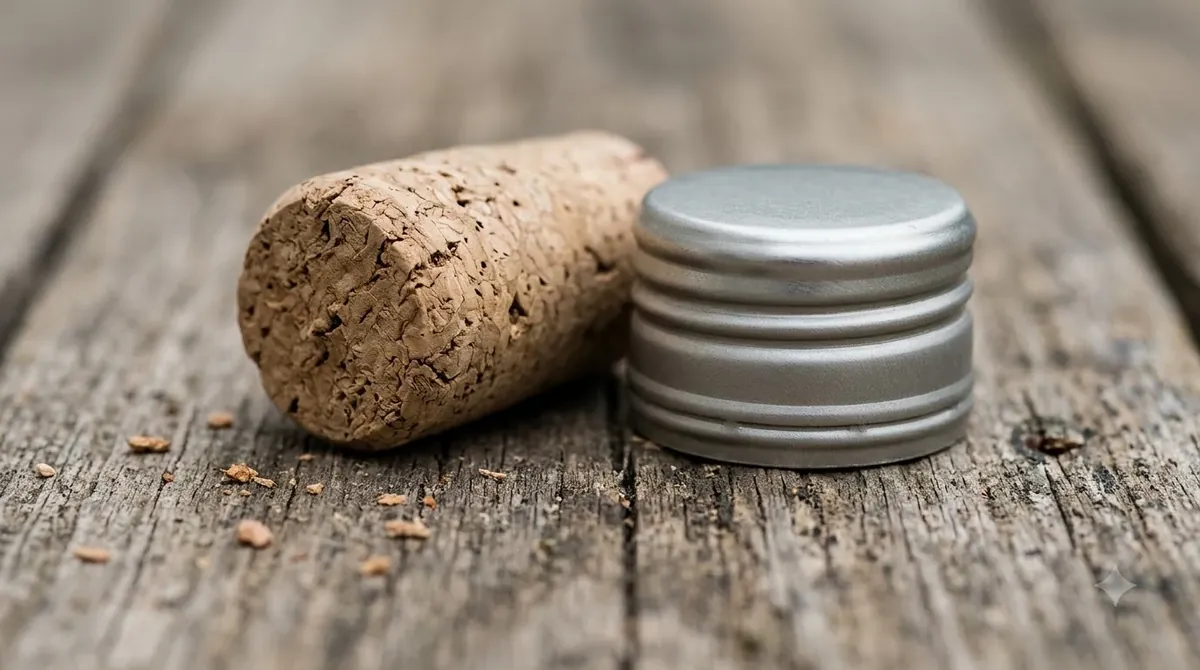
Look for an intact closure, clean bottle, and properly stored inventory. A rosé intended to retain bright fruit character generally benefits from freshness rather than extended storage. Avoid bottles that show signs of leakage, damaged closures, or exposure to excessive heat.
-
Chill the wine before opening.
Place the bottle in the refrigerator until it reaches approximately 45–50°F. If the wine becomes too cold, its aromas may seem muted. Allowing it to warm slightly in the glass can reveal more of the strawberry, peach, and floral character.
-
Use an appropriate glass.
A standard white wine glass is suitable because it provides enough room to appreciate the aromas without requiring a large red wine bowl. Pour approximately 5 oz per serving rather than filling the glass to its rim.
-
Evaluate the first pour.
Look for a clean pink appearance and assess the aromas before drinking. Strawberry, peach, citrus, and floral impressions are consistent with the producer’s description. Consider whether the wine’s freshness and dry finish match your expectations.
-
Serve alongside food.
Try the wine with grilled shrimp, ceviche, or a berry salad. Compare the balance before and after a bite of food. A good pairing should preserve the wine’s freshness without allowing the dish to overwhelm its relatively light structure.
These steps also help when buying several bottles for a gathering. Chill the bottles in advance, use consistent pouring portions, and keep additional wine refrigerated until needed. This approach makes it easier to maintain a pleasant serving temperature throughout the event.
Tip: Avoid serving Josh Cellars Rosé straight from an extremely cold freezer. Aim for 45–50°F instead. This temperature keeps the wine refreshing while allowing strawberry, peach, and citrus aromas to remain noticeable.
Josh Cellars Rosé Flavor Profile and Wine Styles Explained
Josh Cellars Rosé combines a light-bodied structure with recognizable fruit and floral characteristics. Understanding the difference between its aroma, palate, and finish helps explain why the wine can feel fruit-forward while still being dry.
Strawberry and red-fruit characteristics
Strawberry is one of the most consistent descriptors across the producer’s description and independent reviews. Fresh strawberry aromas create an immediately recognizable fruit profile, while raspberry and papaya appear in Wine Enthusiast’s assessment of the 2023 bottling.
These fruit characteristics contribute to the wine’s approachable personality. They are generally more noticeable in the nose and initial impression than the deeper black-fruit flavors associated with some red wines. This makes the rosé suitable for people who enjoy fresh fruit aromas but do not want a heavy wine.
White peach and citrus freshness
White peach adds a softer stone-fruit dimension. Citrus, including the blood orange and citrus blossom characteristics identified in professional reviews, contributes a fresher impression that balances the fruit.
This combination is important for food compatibility. A wine with fruit character but little freshness can feel heavy alongside a meal. The citrus-led profile of Josh Cellars Rosé gives it a more refreshing direction, particularly with seafood and salads.
Floral and mineral impressions
White flowers are part of the producer’s aromatic description. Wine Enthusiast also identifies dried sage and mouthwatering mineral impressions in the 2024 review. These details add another dimension beyond straightforward strawberry and peach aromas.
The result is a wine with enough aromatic variety to remain interesting without demanding the attention required by a complex, structured wine. It is intended for drinking and enjoying rather than extended contemplation.
Understanding different rosé styles
Not all rosé wines taste alike. Provence rosé is often recognized for restrained fruit, delicate texture, and mineral character. Some Spanish rosés are more deeply colored and fruit-driven, while White Zinfandel and certain Moscato-based pink wines can have noticeably sweeter profiles.
Josh Cellars fits comfortably into the approachable California category. Its combination of strawberry, white peach, citrus, and floral notes provides a familiar profile that works well for everyday occasions.
Readers comparing other bottles from the producer can also explore Josh Cellars Rosé for additional product-specific information. Understanding the distinction between dry and sweet rosé is particularly useful because color alone cannot reliably predict sweetness.
Common Mistakes When Buying or Drinking Josh Cellars Rosé
Most disappointing experiences with approachable rosé come from incorrect sweetness expectations, poor serving temperature, or unsuitable food pairings. Avoiding a few common mistakes can make a noticeable difference.
Assuming fruity means sweet
Strawberry, raspberry, and peach aromas are often associated with sweet foods, but aromatic fruitiness does not establish the actual sugar level of a wine. Josh Cellars Rosé is described as dry, so a drinker expecting a sweet pink wine may find the finish different from what was anticipated.
It helps to distinguish three separate characteristics: fruit aroma, perceived fruit flavor, and residual sugar. A dry wine can have pronounced strawberry aromas without tasting sugary. This distinction is particularly important for people moving from sweet wines toward drier styles.
Serving the wine too warm
Warm rosé can feel less refreshing and may emphasize alcohol more than intended. Serving it around 45–50°F provides a practical balance. Leaving a bottle on a sunny outdoor table for an extended period can quickly undermine that balance.
Serving the wine too cold
Excessively cold wine can suppress aromas and make the flavor seem less expressive. If the bottle has spent too long in a very cold refrigerator, let it rest briefly before pouring. The goal is to preserve freshness without hiding the wine’s fruit and floral characteristics.
Choosing overpowering food
Very spicy dishes, heavily smoked meats, and strongly tannic foods can dominate a light-bodied rosé. Chili heat can become more noticeable alongside alcohol, while rich sauces may cover delicate fruit flavors.
For a better result, select food with compatible weight. Grilled seafood, fresh vegetables, mild cheeses, and lightly seasoned poultry are generally more suitable than dishes built around heavy tannins or intense chili heat.
Expecting a premium cellar wine
Josh Cellars Rosé is best approached as a fresh, accessible wine. Its main strengths are recognizable fruit, easy-drinking structure, and broad food compatibility. It is not designed to deliver the layered development associated with collectible red wines or age-worthy white Burgundy.
Buying a bottle for immediate enjoyment is therefore more sensible than purchasing several bottles with the intention of keeping them for years. Freshness is central to the appeal of this style.
Care, Storage, and Food Pairing Tips
Proper storage and sensible pairing help preserve the qualities that make Josh Cellars Rosé appealing. Keep unopened bottles away from heat and light, serve the wine chilled, and match its relatively light body with dishes that do not overpower its fruit character.
Storage before opening
Store unopened bottles in a cool, dark place with a relatively stable temperature. A cellar temperature near 55°F is a useful general target for wine storage. Avoid leaving rosé in a hot kitchen, beside an oven, or in direct sunlight.
Unlike some structured red wines, everyday rosé generally does not benefit from years of bottle aging. Its fresh fruit and floral qualities are central to its appeal, so buying bottles for relatively prompt consumption is a sensible strategy.
Serving and pouring
Serve Josh Cellars Rosé at approximately 45–50°F. A standard 750 ml bottle provides approximately five 5 oz servings. This portion is useful for dinner parties because it allows guests to enjoy the wine without filling their glasses excessively.
For an outdoor gathering, keep the bottle in an insulated wine cooler or ice bucket. A mixture of ice and water can chill the bottle more evenly than placing it in a container filled only with ice. Keep the neck and closure above the waterline when practical.
Food pairing recommendations
The producer specifically recommends grilled shrimp, ceviche, and fresh summer berries. These suggestions make sense because the wine’s acidity and fruit character can complement fresh ingredients without overwhelming them.
- Grilled shrimp: Light seasoning, lemon, herbs, and gentle char work well with strawberry and citrus notes.
- Ceviche: Fresh seafood and citrus-based preparation suit the wine’s refreshing profile.
- Fresh oysters: Wine Enthusiast recommends fresh oysters alongside its 2023 review.
- Summer berry salad: Strawberries and other fresh berries complement the wine’s red-fruit character.
- Goat cheese salad: Mild acidity and creamy cheese create a useful contrast with the wine’s freshness.
- Grilled chicken: Simply seasoned poultry provides enough flavor without overpowering the wine.
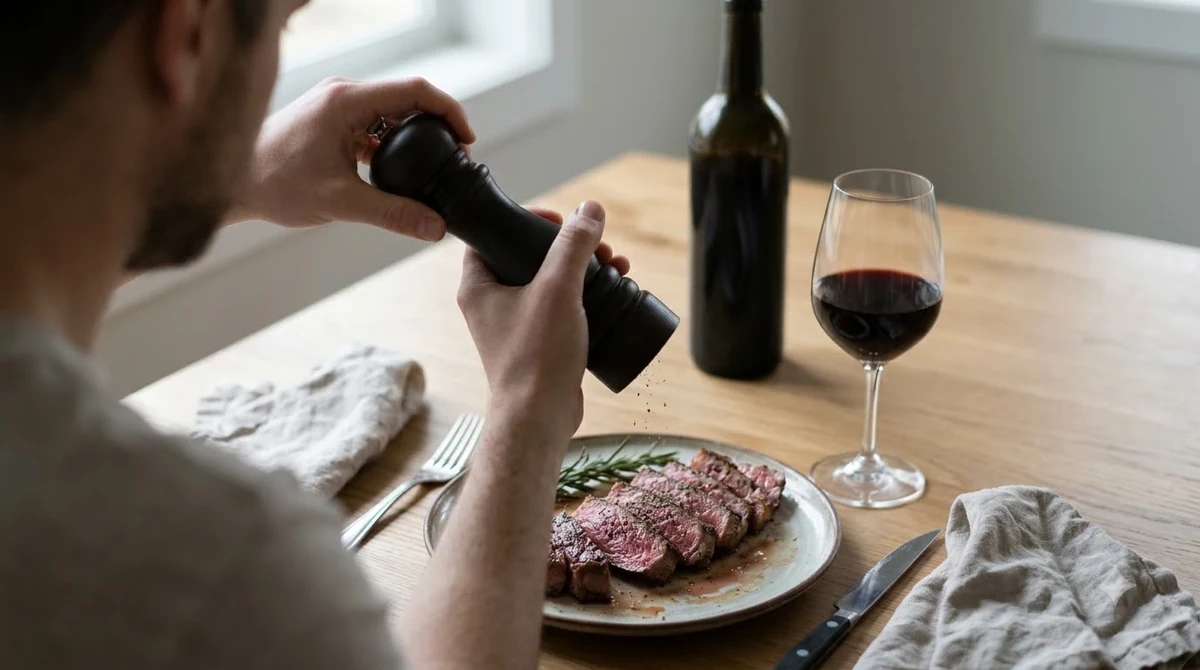
There are also some less suitable combinations. Strong chili heat can make alcohol feel more prominent, while heavy tannic red-meat preparations may overwhelm a light rosé. Very sweet desserts can make a dry wine taste sharper or more acidic by comparison.
Keeping an opened bottle fresh
After opening, reseal the bottle with its original closure or a suitable wine stopper and place it in the refrigerator. Most opened still wines are best consumed within approximately three to five days, although freshness can decline sooner depending on oxygen exposure and storage conditions.
Keep the bottle upright after opening to reduce the surface area exposed to oxygen. Before serving another glass, allow the wine to warm slightly if it has become colder than the recommended serving range.
These simple practices help preserve the strawberry, peach, citrus, and floral characteristics that define the wine’s style. They are particularly useful when a bottle is shared between two people rather than finished during one meal.
Frequently Asked Questions
Is Josh Cellars Rosé suitable for a wine beginner?
Yes. Its familiar fruit aromas and light-bodied structure make it an approachable introduction to dry rosé. It can also help beginners understand the difference between fruit-forward aromas and actual sweetness. Starting with a chilled 5 oz pour is a practical way to assess its style.
Does Josh Cellars Rosé contain sulfites?
Commercially produced wines commonly contain naturally occurring sulfites, and some producers add sulfur dioxide during winemaking to help protect wine quality. The exact sulfite declaration for an individual bottle should be established from its labeling and producer information rather than assumed from its wine style.
Can Josh Cellars Rosé be used to make a wine spritzer?
Yes. Its light body and fruit-forward profile make it suitable for a simple spritzer. Combine approximately 3 oz of chilled rosé with 2 oz of sparkling water and serve over ice with a citrus slice. This changes the drink’s texture and concentration, so it will taste lighter than the original wine.
Can Josh Cellars Rosé be served in a champagne flute?
A champagne flute can hold the wine, but a standard white wine glass is generally more useful for still rosé. Its wider opening provides more room to appreciate strawberry, peach, and floral aromas. A flute is more appropriate for sparkling wines where retaining bubbles is a priority.
How many calories are in a glass of Josh Cellars Rosé?
The exact calorie count is not established by the producer’s published tasting information or the reviewed wine listings. Alcohol contributes approximately 7 calories per gram, while residual sugar also contributes calories. A precise serving estimate requires the wine’s nutritional information and composition rather than ABV alone.
Josh Cellars Rosé is a sensible option for drinkers who want an approachable California rosé with dry character, fresh fruit aromas, and a light-bodied finish. Its 12.5% ABV, strawberry and peach profile, and compatibility with seafood make it particularly useful for casual meals and warm-weather gatherings. Serve it chilled, drink it while fresh, and choose food that complements rather than overwhelms its refreshing character.
More in Wine Brands
 Underwood Wine Price: Compare Bottles, Cans, and Pack SizesUpdated Nov 21, 2026
 Zenato Wine Price: Compare Styles and Choose the Right BottleUpdated Nov 21, 2026
 Zuccardi Wine Price: Compare Bottles and Find the Right RangeUpdated Nov 21, 2026
 Yellow Tail Moscato Review: Taste, Sweetness and Serving TipsUpdated Nov 21, 2026
 Wolf Blass Yellow Label Review: Choose Your Best StyleUpdated Nov 21, 2026
 Wolffer Estate Rose Review: Choose the Right Bottle for Your TableUpdated Nov 21, 2026