

We may earn a commission when you buy through links on this page, at no extra cost to you. Learn more.
The josephine wine glass review verdict: Josephinenhütte’s Josephine collection is an excellent choice for wine enthusiasts who value expressive aromas, lightweight handmade crystal, and distinctive bowl designs. Designed by Kurt Josef Zalto, these glasses combine traditional European glassmaking with an unusual bowl shape intended to influence how wine moves and releases aromas. The collection includes dedicated options for white wine, red wine, Champagne, and universal service, although the delicate construction and specialized designs may not suit every household.
Josephinenhütte takes a different approach to wine glass design. Instead of relying on familiar shapes and thicker construction, the Josephine collection emphasizes thin walls, carefully formed curves, elongated stems, and a distinctive kink in the bowl. These details give the glasses a recognizable appearance while serving specific purposes during swirling and drinking. This review examines the construction, practical performance, available models, owner considerations, and alternatives to help determine whether a Josephine glass deserves a place in your glassware cabinet.
Specs and Key Features
The Josephine collection combines mouth-blown construction, lead-free glass, and purpose-specific designs. Its defining feature is the unusual transition in the bowl, which the manufacturer describes as a functional detail that encourages oxygen contact during swirling rather than simply a decorative flourish.
Designer Kurt Josef Zalto developed the collection around the relationship between glass geometry and wine perception. Josephinenhütte identifies him as a sixth-generation glass designer. The resulting glasses have an unconventional silhouette, with a pointed lower section, a pronounced change in bowl direction, and a slender upper opening. Their appearance is noticeably different from conventional stemware.
The collection is mouth-blown and handmade in European glassmaking workshops. Each glass is therefore an individual piece rather than an identical machine-produced item. The manufacturer uses lead-free glass and describes the material as extremely thin-walled, lightweight, and flexible. That construction contributes to the refined drinking experience but also means owners should handle the glasses with appropriate care.
| Specification | Josephine No. 1 | Collection |
|---|---|---|
| Primary purpose | White wine and rosé | Multiple wine styles |
| Designer | Kurt Josef Zalto | Kurt Josef Zalto |
| Manufacturing | Mouth-blown | Handmade in Europe |
| Material | Lead-free glass | Lead-free glass |
| Height | 9.5 inches | Varies by model |
| Diameter | 3.2 inches | Varies by model |
| Capacity | 15.2 fl oz | Varies by model |
| Distinctive feature | Kinked bowl and pointed base | Model-specific bowl shapes |
| Cleaning | Dishwasher safe | Dishwasher safe |
The table uses the manufacturer’s published No. 1 specifications and general collection information. The different models are not interchangeable simply because they share the same visual language. For example, No. 2 has a 550 ml capacity, while No. 3 holds 800 ml. The larger bowl gives full-bodied reds more room than the slimmer white wine design.
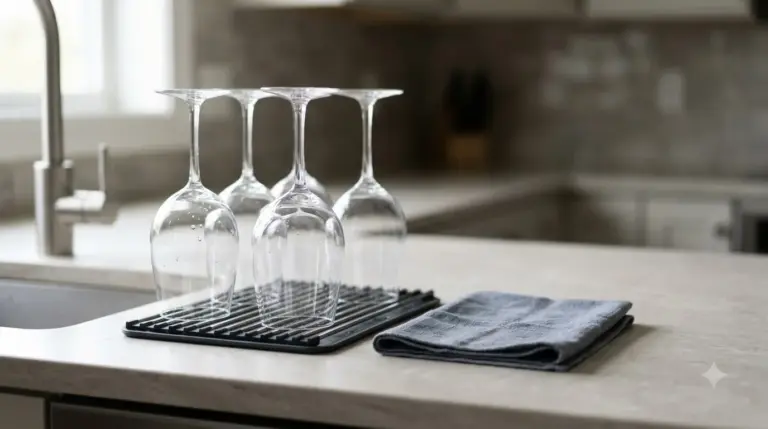
The collection’s construction is also relevant to long-term ownership. The manufacturer recommends hand washing and polishing with a soft linen cloth, even though the glasses are listed as dishwasher safe. Buyers should distinguish between technical dishwasher compatibility and the more cautious cleaning approach recommended for delicate handmade stemware.
For the No. 1, the manufacturer also highlights a narrow opening intended to concentrate volatile aromas. The elongated stem separates the hand from the nose, while the pointed base creates a distinctive visual transition between bowl and stem. These features make the design recognizable even among premium wine glasses with similarly thin construction.
What Owners and Wine Enthusiasts Like
The strongest appeal of Josephine glasses is their combination of visual character and wine-focused functionality. Wine Enthusiast’s published review discusses the collection across several wine styles, including Riesling, Grüner Veltliner, Rioja, Barolo, and Champagne, highlighting the different ways the individual models accommodate different drinks.
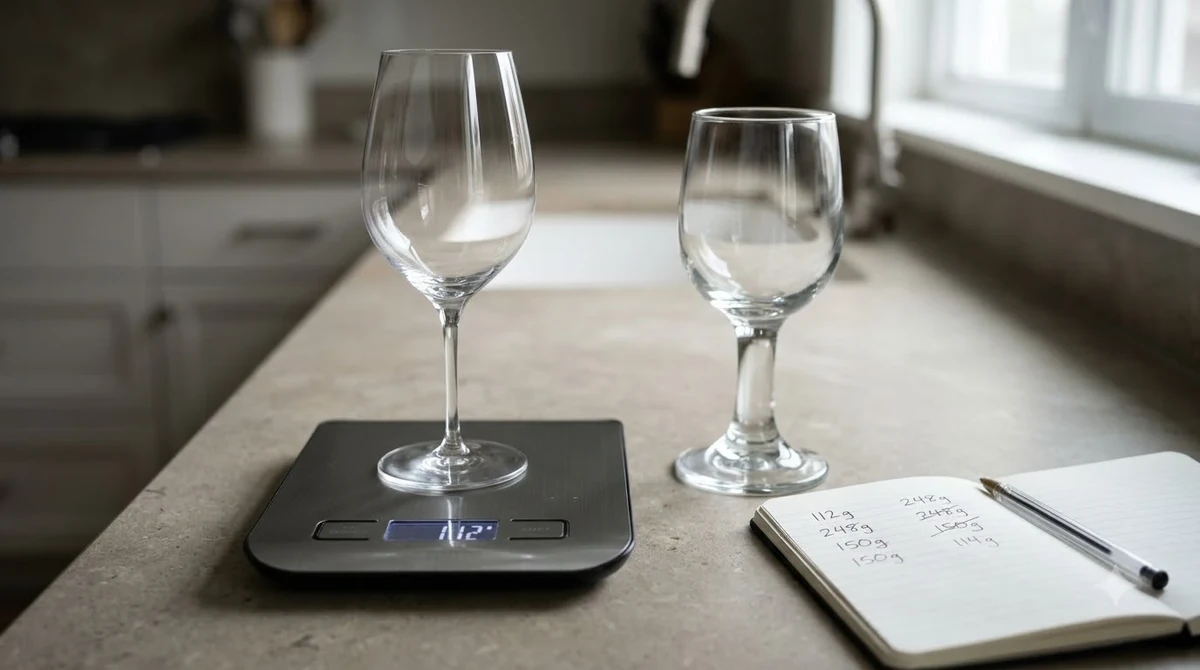
The No. 1 is particularly interesting for aromatic white wines. Wine Enthusiast discusses its use with Riesling, Grüner Veltliner, Muscadet, and Manzanilla Sherry. These examples demonstrate that the glass is not restricted to a narrow list of conventional white wine categories. Its proportions can also accommodate wines with more unusual textures and aromatic profiles.
The No. 2 receives attention as the versatile option. Wine Enthusiast describes using it with Rioja, vintage Champagne, and Lambrusco. Its 550 ml capacity provides enough room for many medium-bodied whites and reds. That range is useful for households that enjoy several wine styles but do not want a separate glass for every grape variety.
A distinctive drinking experience
The collection’s unusual shape is more than a visual talking point. Josephinenhütte explains that the kink interrupts the movement of wine during swirling, encouraging contact with oxygen. The manufacturer also describes the narrower opening as a way to concentrate volatile aromas. Together, these features are intended to create a more focused aromatic experience.
The elongated stem is another practical detail. It keeps the hand farther from the nose while drinking, reducing the influence of hand position on aroma perception. The pointed base also provides a clear view of the wine’s color. These details are particularly appealing to people who enjoy examining wines before tasting them rather than treating a glass as a simple serving container.
Lightweight construction and craftsmanship
Many wine enthusiasts appreciate the feeling of a thin-walled glass. A fine rim creates a different physical sensation from a thick, heavy drinking vessel, and the lightweight construction gives the Josephine collection a refined character. Its handcrafted appearance also makes it visually distinctive at dinner parties and formal tastings.
There is an important difference between lightweight construction and poor durability, however. Thin glass does not automatically mean a glass will break during ordinary use. Wine Enthusiast describes the Josephine collection as practical enough for regular drinking and entertaining, although careful handling remains sensible. Individual owner experiences may differ depending on storage, washing habits, and the amount of handling involved.
For wine drinkers who already appreciate carefully selected glassware, the collection offers an interesting alternative to familiar machine-made designs. Its appeal is strongest when the owner values the tactile experience, appearance, and thoughtful proportions of a drinking glass as much as basic functionality.
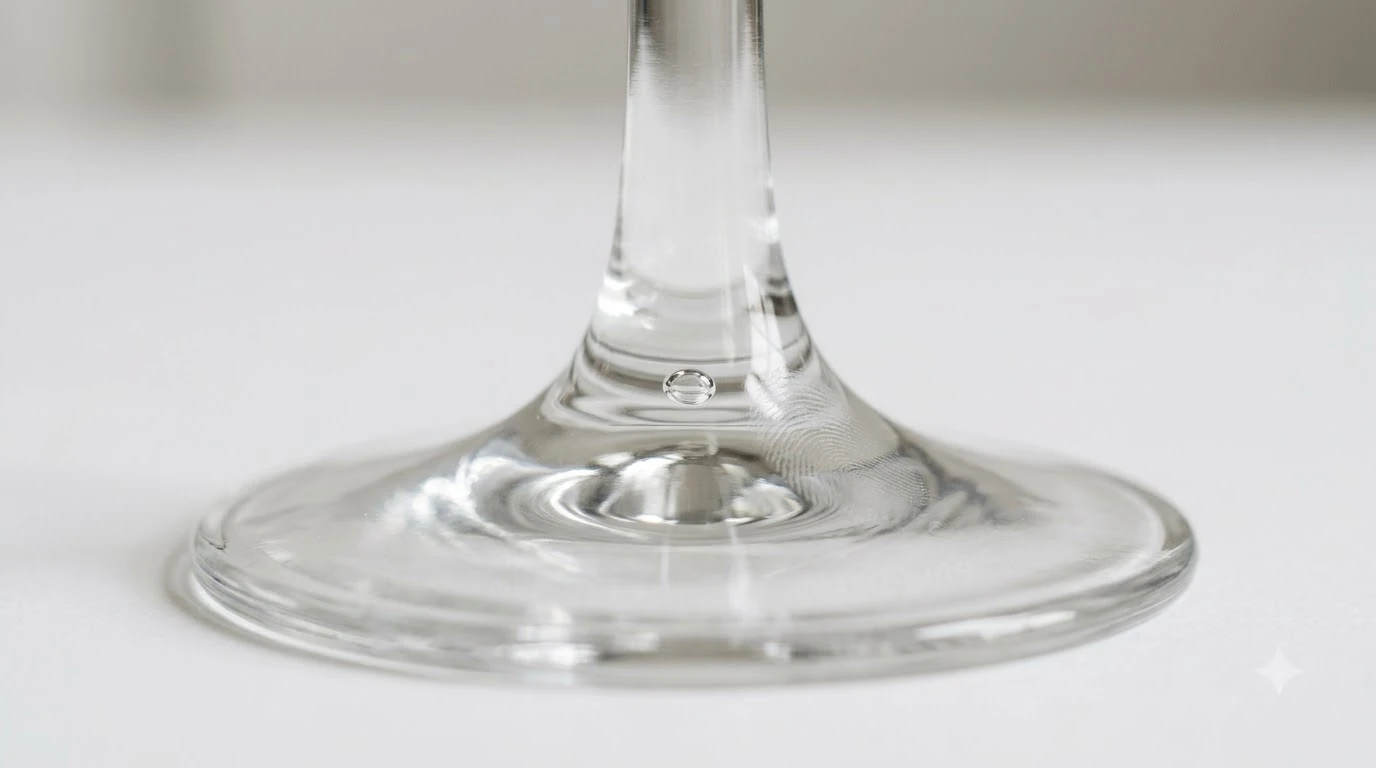
The craftsmanship also gives the collection a character that mass-produced glasses may not reproduce. Josephinenhütte explains that each piece passes through multiple manual steps in selected European glassmaking workshops. Small variations in dimensions or occasional bubbles can occur, so buyers should not expect every handmade glass to look perfectly identical.
Design and Wine Performance
Josephine glasses are designed around the idea that bowl proportions influence aroma concentration and the movement of wine. The collection uses different shapes for different styles, so the most suitable glass depends on the wine being served rather than simply its appearance or capacity.
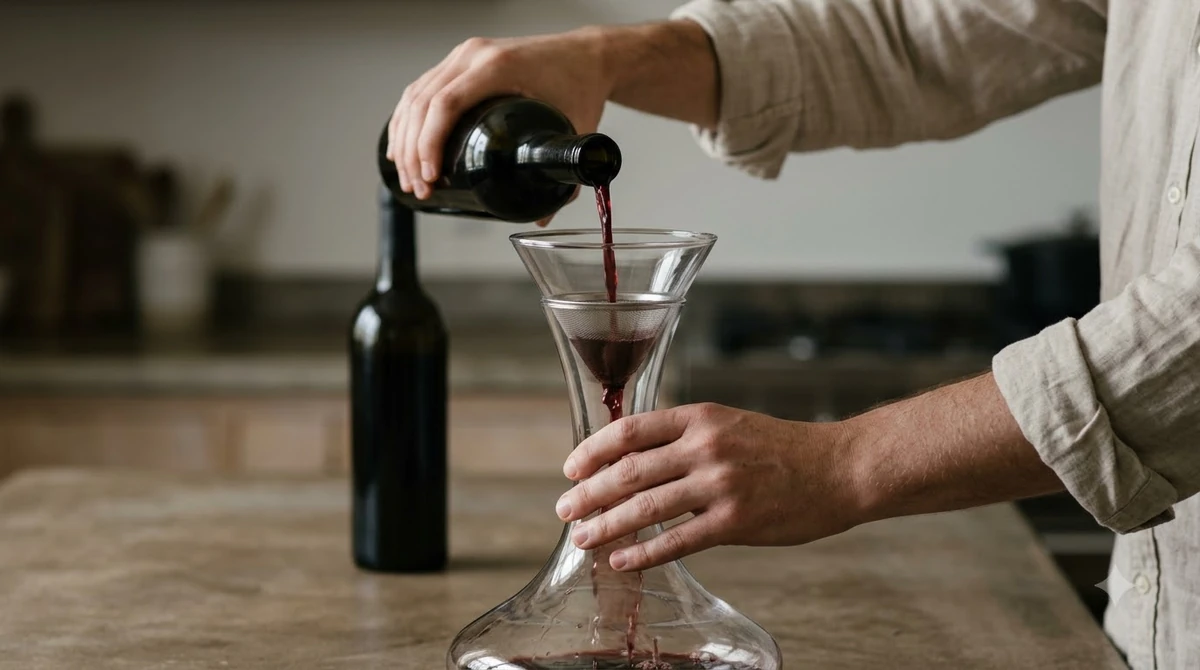
The No. 1 is the dedicated white wine model. Josephinenhütte recommends it for delicate, fruit-driven wines such as Riesling, Pinot Gris, Grüner Veltliner, Sauvignon Blanc, and Chenin Blanc. It also accommodates rosé and lighter reds. Its 15.2-fluid-ounce capacity offers a relatively generous serving vessel while retaining a more focused shape than the larger red wine design.
The No. 2 is the universal model, holding 550 ml and measuring 24 cm tall according to the manufacturer’s service information. It is intended for a broad range of wine styles, which makes it a practical option for people who want one primary glass shape. The broader design gives wine room to move while retaining the characteristic Josephine silhouette.
The No. 3 is the largest of the principal wine glasses, with an 800 ml capacity and an 11 cm diameter. Its larger bowl is intended to give red wines more space. Wine Enthusiast specifically discusses Barolo, Syrah, and complex skin-contact whites in connection with this model.
The No. 4 is the Champagne model. It has a 300 ml capacity according to the manufacturer’s US service information. Wine Enthusiast describes it as a tulip-shaped glass with a distinctive cocoon-like design. Its shape offers an alternative to traditional narrow flutes, providing more room for sparkling wine aromas.
The manufacturer also identifies No. 5 as a water glass, with a 300 ml capacity and a height of 12.5 cm. This illustrates that the collection extends beyond dedicated wine glasses into complementary tableware. Buyers planning a coordinated table setting can therefore consider the broader range rather than focusing exclusively on the four principal wine models.
Tip: Match the glass to the wine’s structure rather than its color alone. No. 1 is a sensible starting point for aromatic whites, No. 2 handles many medium-bodied styles, and No. 3 provides more space for full-bodied reds such as Barolo and Syrah.
The manufacturer’s explanation of the kink is especially relevant to people who swirl their wine before drinking. Rather than using a conventional rounded transition, the bowl has a noticeable change in direction that disrupts the liquid’s movement. This encourages additional oxygen contact during swirling, according to Josephinenhütte.
That does not mean the shape changes every wine dramatically or guarantees a better result. Glassware influences how aromas reach the nose, how the liquid moves, and how the rim meets the mouth. Wine temperature, wine age, grape variety, and serving conditions also influence the experience. A well-made glass should complement the wine rather than replace good wine selection and proper serving.
For example, a fresh Riesling served in No. 1 benefits from a shape intended for aromatic white wines. A structured Barolo served in No. 3 has considerably more room to move. These are different drinking situations, and the collection’s specialized approach is designed to address those differences rather than force every wine into one universal bowl.
Common Complaints and Limitations
The Josephine collection has several qualities that make it appealing, but its construction and unusual proportions also introduce practical compromises. The most important considerations are the thin glass walls, delicate stems, unconventional appearance, and the possibility that some buyers will prefer a more traditional drinking experience.
The first concern is handling. Mouth-blown glass is made through a labor-intensive process, and Josephinenhütte emphasizes its thin-walled construction. The manufacturer acknowledges that handmade pieces can vary slightly in shape and size, with occasional small bubbles appearing in the glass. These characteristics are part of individual craftsmanship, but they may not appeal to buyers who expect perfectly uniform, identical pieces.
The second consideration is storage. A tall glass measuring 9.5 inches needs enough vertical clearance in a cabinet or rack. The elongated stem and thin bowl also make it important to avoid crowded shelves where glasses can knock against one another. People with limited storage space may find shorter, heavier stemware easier to organize.
Cleaning requires some consideration as well. Although Josephinenhütte identifies the glasses as dishwasher safe, it recommends hand washing for long-term enjoyment. Owners who regularly run full dishwasher loads may prefer a more substantial glass that needs less careful positioning and handling.
The shape is not universally appealing
The kinked bowl and pointed base create a distinctive profile, but some wine drinkers prefer a simple rounded bowl. People accustomed to traditional Bordeaux, Burgundy, or Chardonnay stemware may need time to adjust to the Josephine silhouette.
There is also a practical question about whether specialized glassware makes sense for a casual wine drinker. Someone who mostly drinks everyday table wine may not notice enough difference between a premium handmade glass and a conventional quality wine glass to justify owning several specialized shapes.
Warranty expectations deserve attention
Josephinenhütte’s service information states that it does not offer a guarantee or accept liability for glasses damaged during use. This is an important consideration because the delicate construction is one of the collection’s defining characteristics. Buyers should understand the manufacturer’s stated position before making a purchase.
The service department distinguishes between accidental damage during use and products that arrive defective or damaged in transit. It asks customers reporting a defective delivery to contact the company with relevant order information and photographs. That process is different from receiving compensation for a glass broken during ordinary household use.
These limitations do not make the collection unsuitable for regular wine drinking. They simply mean that the Josephine glasses reward owners who are comfortable handling fine stemware and who have suitable storage and cleaning arrangements.
Buyers should also consider how frequently they entertain. A household serving wine to a large group every weekend may need more replacement-friendly glassware than someone who uses two or four carefully stored glasses for occasional dinners. The right choice depends on how much handling the glasses will receive and how much attention their owners are willing to give them.
Who Should Buy and Who Should Skip
Josephine wine glasses make the most sense for people who enjoy exploring wine, appreciate handcrafted objects, and want glassware that combines distinctive aesthetics with wine-specific design. They are less compelling for households that prioritize low-maintenance durability, compact storage, or inexpensive replacements.
Wine enthusiasts who frequently serve aromatic whites are natural candidates for No. 1. Its proportions are designed around wines such as Riesling, Sauvignon Blanc, Pinot Gris, and Grüner Veltliner. People who enjoy tasting wines from different regions may also appreciate its suitability for styles beyond the typical white wine category, including lighter reds and fortified wines.
For someone who prefers a single versatile glass, No. 2 is arguably the most practical starting point. Its 550 ml capacity and universal designation make it suitable for a broad selection of medium-bodied reds and whites. It also provides a more manageable alternative to maintaining several specialized glasses for occasional wine drinking.
Red wine enthusiasts who regularly open structured bottles may prefer No. 3. Its 800 ml capacity is designed to give wines such as Barolo and Syrah more space. The larger bowl is particularly relevant for drinkers who enjoy observing how a wine develops after pouring and swirling.
Who should consider buying
- Wine enthusiasts who regularly explore different grape varieties and wine regions.
- Collectors who appreciate handmade European glassware and distinctive design.
- People who enjoy aromatic wines and pay attention to differences in glass shape.
- Hosts who want visually distinctive stemware for dinner parties and special occasions.
- Buyers who are comfortable hand washing and carefully storing delicate glassware.
Who should skip the collection
- Households that frequently replace broken glasses and prioritize inexpensive everyday stemware.
- People who prefer thick, heavy glasses with sturdy construction.
- Buyers who have limited cabinet clearance or crowded glassware storage.
- Wine drinkers who rarely notice or care about differences in bowl proportions.
- Anyone who expects a manufacturer’s replacement guarantee for accidental breakage during use.
There is also a middle ground for buyers who are interested in the design but unsure about committing to several glasses. Starting with one model that matches the wines most frequently served is a sensible approach. Someone who primarily drinks white wine has little reason to begin with the largest red wine bowl.
For households building a complete collection, comparing the available wine glass set options can help establish whether a specialized handmade collection or a more conventional multi-piece set better suits the household’s drinking habits.
How It Compares to Alternative Wine Glasses
Josephine occupies a specialized part of the wine glass market. Its strongest distinction is the combination of mouth-blown construction, thin walls, a pronounced bowl kink, and multiple purpose-specific designs. Buyers comparing it with other premium stemware should consider both the drinking experience and the practical demands of ownership.
A conventional universal wine glass is usually the simplest alternative. It reduces the need to own several different shapes and works well for households that drink a mixture of red and white wines. The trade-off is that one general-purpose shape may not provide the same degree of specialization as the Josephine No. 1, No. 3, and No. 4.
A dedicated Burgundy glass is another comparison worth considering. Traditional Burgundy designs generally emphasize a broad bowl that gives aromatic Pinot Noir and other delicate reds plenty of space. Josephine offers a different design philosophy, particularly with No. 2 and No. 3, where the distinctive kink and changing bowl proportions are central to the collection’s identity.
For Champagne, the choice between No. 4 and a traditional flute is partly a matter of preference. A narrow flute emphasizes the visual movement of bubbles and occupies less space on a serving tray. Josephine No. 4 takes a more open, tulip-inspired approach intended to provide additional aromatic expression. Wine drinkers who prefer a broader sparkling wine experience may find that design more appealing.
For additional detail on the individual models and their intended wine styles, Wine Enthusiast’s Josephinenhütte glassware review provides useful independent editorial context. Its discussion of Riesling, Rioja, Barolo, and Champagne illustrates why the collection is better understood as a family of specialized glasses than as one repeated shape.
People interested in a more conventional approach can compare options in a guide to the universal wine glass. That category is particularly relevant to buyers who want one glass for everyday use rather than a collection of dedicated models.
Similarly, sparkling wine drinkers can compare the No. 4 with alternatives in a guide to the best champagne glass options. The right choice depends on whether aroma development, traditional flute proportions, or versatility matters most.
Josephine also belongs in the broader conversation about premium Glassware Brands. The most useful comparison is not simply which brand has the most attractive design. It is whether the glass’s capacity, rim shape, handling characteristics, and intended wine styles fit the way its owner actually drinks.
One advantage of Josephinenhütte’s model-specific approach is that buyers can choose a glass with a clearly defined purpose. The disadvantage is that building a complete collection requires more storage and more careful organization. A household with limited cabinet space may get more practical value from a universal glass than from collecting every Josephine shape.
Ultimately, the choice comes down to priorities. Buyers who want a recognizable handmade design and dedicated shapes for different wine styles have a strong reason to consider Josephine. Those who want straightforward, sturdy stemware for frequent casual use may be better served by a conventional universal glass.
Frequently Asked Questions
Are Josephine wine glasses made from crystal?
Josephinenhütte describes the collection as lead-free glass and identifies its construction as handmade and mouth-blown. The company also discusses the material in relation to European lead-free crystal glass requirements. Buyers interested in the precise material classification can consult the manufacturer’s product and service information.
Why does the Josephine glass have a kink in the bowl?
The kink is intended to interrupt the wine’s movement when the glass is swirled, encouraging additional oxygen contact. The design also creates the collection’s recognizable silhouette. It is a functional design feature rather than simply an ornamental indentation.
Can Josephine wine glasses be used for cocktails?
The collection is primarily designed around wine and related drinks, but some models can accommodate other beverages. No. 5 is specifically identified as a water glass, while the broader collection also includes vessels for whisky and eau-de-vie. A dedicated cocktail glass may still be more appropriate for drinks requiring ice or specialized garnishes.
Do Josephine glasses have identical shapes and capacities?
No. The manufacturer explains that mouth-blown production can produce minor differences in individual shape and size. It also acknowledges that small bubbles can occasionally appear in the glass without affecting its function. These characteristics are associated with the handmade production process.
Does Josephinenhütte ship directly to the United States?
Josephinenhütte operates a dedicated US online store for American customers. Shipping availability, delivery options, and applicable conditions can depend on the destination and current store policies. Buyers should consult the US store’s shipping information before placing an order.
The Josephine collection stands out for its distinctive bowl geometry, mouth-blown European craftsmanship, and carefully differentiated glass shapes. No. 1 is a strong choice for aromatic whites, No. 2 offers the greatest versatility, and No. 3 suits drinkers who favor fuller-bodied reds. For wine enthusiasts who value refined design and are willing to care for delicate stemware, Josephine is a compelling premium glassware collection; buyers seeking uncomplicated everyday durability may prefer a more conventional alternative.
More in Wine Glasses
 Spiegelau Crystal Wine Glasses That Bring Clarity to Every PourUpdated Nov 21, 2026
 Zalto Crystal Wine Glasses: Are They Worth the Investment?Updated Nov 21, 2026
 Villeroy And Boch White Wine Glasses for a More Cohesive TableUpdated Nov 21, 2026
 Zalto Wine Glasses On Sale: Find the Right Denk’Art GlassUpdated Nov 21, 2026
 Zwiesel Glas Champagne Glasses: Features, Quality and Buying AdviceUpdated Nov 21, 2026
 Zwiesel Glas Decanter Review: A Durable, Elegant Choice for Wine ServiceUpdated Nov 21, 2026