


We may earn a commission when you buy through links on this page, at no extra cost to you. Learn more.
The jordan wine price typically ranges from about $34 to $72 for a 750 ml bottle, depending on whether you choose Chardonnay or Cabernet Sauvignon and which vintage you purchase. Jordan Cabernet Sauvignon generally costs more than Jordan Russian River Valley Chardonnay, reflecting its positioning as the winery’s flagship red wine. Comparing winery release prices with current retail listings, vintage availability, and bottle size helps shoppers determine whether a particular bottle represents a sensible purchase.
Jordan Vineyard & Winery is a recognizable Sonoma County producer with a portfolio focused on two principal wines: Alexander Valley Cabernet Sauvignon and Russian River Valley Chardonnay. Both appeal to shoppers looking for California wines with a more restrained, food-oriented style rather than simply maximum ripeness or sweetness. Understanding the difference between these bottles makes it easier to compare prices, select a vintage, and decide whether Jordan belongs on the shopping list for an everyday dinner or a special occasion.
Who Should Consider Jordan Wine and Its Price Range?
Jordan wine is particularly appealing to shoppers who appreciate established California producers, balanced wine styles, and bottles suited to meals. The Cabernet Sauvignon and Chardonnay occupy different price positions, so the right choice depends on the occasion, preferred grape, and available budget.
Jordan Vineyard & Winery was founded in 1972 by Tom and Sally Jordan in Sonoma County, California. Its estate is located in Healdsburg, in the Alexander Valley area, and the winery draws inspiration from traditional French wine estates. According to its published company information, the property encompasses approximately 1,200 acres, including around 120 acres under vine.
The winery’s approach emphasizes the relationship between wine, food, and hospitality. That positioning helps explain why its bottles are often considered for restaurant-style dinners, entertaining, and gifts rather than exclusively casual weekday drinking. Jordan’s two principal wines also give shoppers a relatively straightforward choice: Cabernet Sauvignon for a structured red or Chardonnay for a more versatile white.
Shoppers comparing Jordan wine with other California producers should consider the style as well as the price. A bottle’s value is not determined by its retail cost alone. Grape variety, region, vintage, production choices, and personal taste all influence whether the purchase makes sense.
Jordan is worth considering for several types of buyers:
- Cabernet Sauvignon enthusiasts: People who enjoy structured red wines with dark fruit, moderate-to-high tannin, and food-friendly character.
- Chardonnay drinkers: Shoppers who prefer a California white with freshness, texture, and versatility at the dinner table.
- Wine gift buyers: People seeking an established Sonoma County winery with recognizable Cabernet Sauvignon and Chardonnay labels.
- Occasion-focused shoppers: Buyers choosing a bottle for a dinner party, holiday meal, anniversary, or celebratory gathering.
- Vintage collectors: People interested in comparing different releases or purchasing older bottles from a winery library or specialist retailer.
Jordan may be less attractive to someone whose primary goal is finding the least expensive bottle of California wine. Its positioning is more premium than that of many entry-level supermarket labels. Shoppers who prefer very sweet wines, extremely bold fruit flavors, or inexpensive everyday reds may find better alternatives elsewhere.
Key Factors That Determine Jordan Wine Price
The most useful starting point is the difference between Cabernet Sauvignon and Chardonnay. Vintage, retailer, bottle size, availability, and whether the wine comes directly from the winery or a third-party seller can also influence the final amount paid.
| Wine or comparison | Typical US retail price | Bottle size | Main consideration |
|---|---|---|---|
| Jordan Cabernet Sauvignon | About $65–$72 | 750 ml | Flagship Alexander Valley red |
| Jordan Chardonnay | About $34 | 750 ml | Russian River Valley white |
| 2022 Cabernet Sauvignon | About $60–$65 | 750 ml | Winery release and retail listings |
| 2024 Chardonnay | About $40–$45 | 750 ml | Current-release comparison |
The Cabernet and Chardonnay ranges in the table reflect the tracked retail listings published by Caveau and the winery’s listed release prices, rather than guaranteed prices at every store. Caveau reports typical US retail prices of about $65 to $72 for its tracked 2018–2020 Cabernet vintages and about $34 for its tracked 2022–2023 Chardonnay vintages. The winery’s own shop lists its 2022 Cabernet at $60 and its 2024 Chardonnay at $42 for 750 ml bottles. Prices vary by state and retailer.
These figures should be treated as comparison ranges rather than universal price tags. The Caveau figures cover particular vintages and reflect the middle of current retail listings for the exact wine and vintage. The winery’s own release prices represent a different purchasing channel. Retailers can also have different vintages in stock, making two listings appear more expensive or less expensive even when the labels look almost identical.
1. Grape variety and wine style
Cabernet Sauvignon is generally the more structured of Jordan’s two main wines. Cabernet naturally has relatively high tannin, which contributes grip and a firmer mouthfeel. The grape is commonly associated with dark fruit, cedar, tobacco, and other savory characteristics, making it a natural match for beef, lamb, and other substantial dishes.
Chardonnay offers a different experience. It generally has medium acidity and can combine citrus, orchard-fruit, mineral, and creamy characteristics depending on growing conditions and winemaking. Jordan’s Russian River Valley Chardonnay is the option to consider when the meal calls for a versatile white rather than a tannic red.
2. Vintage and availability
Vintage is an important part of the price comparison. The 2018, 2019, and 2020 Cabernet bottles tracked by Caveau do not necessarily have identical retail values. Older releases can become harder to find, while more recent releases may be available through the winery’s current shop and larger retailers.
Availability does not automatically make an older bottle more valuable or better. Storage history, provenance, bottle condition, and drinking maturity are important considerations. A recent release from a reliable retailer can be a more straightforward purchase than an older bottle with an uncertain storage history.
3. Retailer and purchasing channel
Buying directly from the winery and purchasing from a wine retailer can produce different price comparisons. The official winery shop provides access to current releases and selected library vintages, while retailers may carry different vintages according to local distribution.
For example, Total Wine’s Jordan Cabernet Sauvignon listing identifies a 750 ml bottle and specifically notes that price, vintage, and availability may vary by store. This is a useful reminder that a displayed online listing does not necessarily represent the price at every physical location.
Step-by-Step: How to Compare Jordan Wine Prices
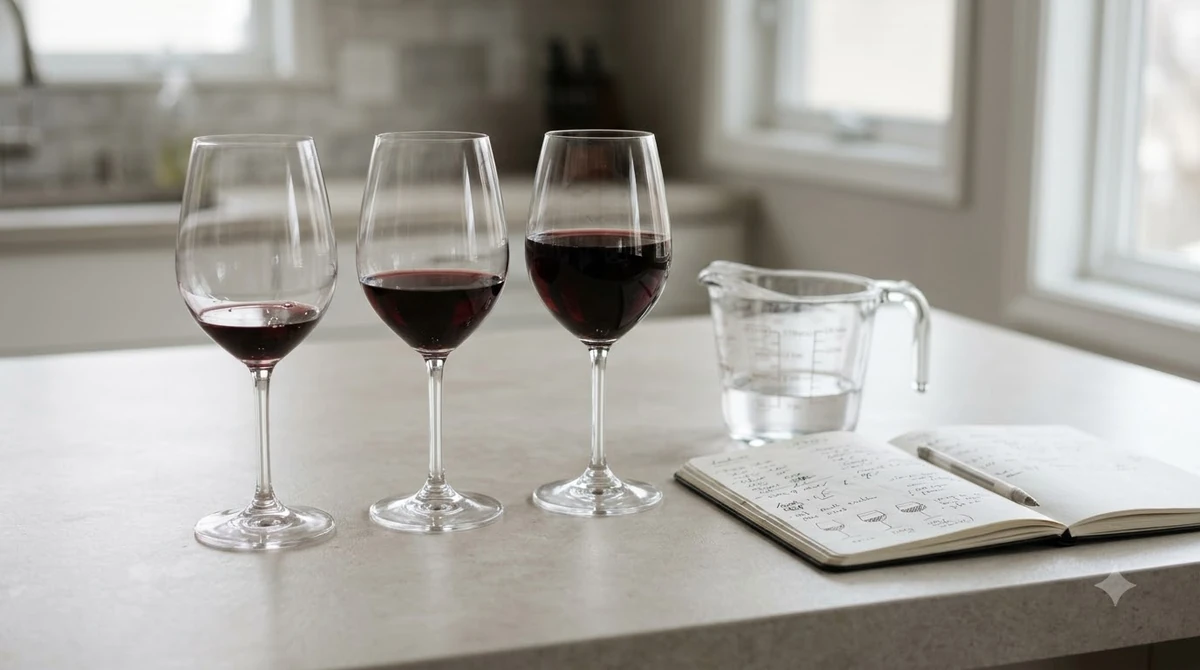
A good purchase starts with identifying the exact wine and comparing equivalent bottles. Following a consistent process prevents shoppers from mistaking a different vintage, bottle size, or retail channel for a genuine price difference.
-
Choose Cabernet Sauvignon or Chardonnay.
Start by deciding whether you want a red or white wine. Jordan Cabernet Sauvignon is the Alexander Valley selection, while Jordan Chardonnay comes from the Russian River Valley. This distinction establishes the appropriate comparison group.
-
Identify the vintage.
Write down the vintage shown on the bottle or listing. Comparing a 2018 Cabernet with a 2022 release is not the same as comparing two identical bottles. Older vintages may be less widely distributed and may carry different retail values.
-
Confirm the bottle size.
A standard 750 ml bottle is the most useful reference for ordinary shopping. A 1.5-liter magnum contains twice as much wine, so its total price should not be compared directly with the price of one standard bottle.
-
Check the winery’s official shop.
Visit the Jordan Winery online shop to see the available current releases, library selections, and special collections. This provides a useful reference point for understanding the producer’s own positioning and release information.
-
Compare at least two retail listings.
Look for the same wine, vintage, and size at established wine retailers. Comparing equivalent bottles is more useful than comparing a current Cabernet release with an older Chardonnay listing or a mixed-vintage gift package.
-
Check the complete purchase cost.
Consider shipping, applicable taxes, delivery restrictions, and any minimum order requirements. A bottle with a lower displayed price may not be the least expensive option once delivery charges are included.
-
Evaluate the seller and bottle condition.
For older vintages, ask about provenance, storage conditions, fill level, and signs of leakage. A reputable specialist retailer is particularly important when purchasing a bottle intended for aging or a special occasion.
-
Choose the bottle that fits the occasion.
Select Cabernet for a substantial red-wine dinner or Chardonnay for a white-wine pairing. The most sensible purchase is the bottle whose style and vintage meet your needs, not necessarily the one with the highest price.
Tip: Compare the same Jordan wine, vintage, and bottle size across retailers before making a decision. For example, a 750 ml 2020 Cabernet should be compared with another 750 ml 2020 Cabernet, not a magnum or an older library release. This simple step makes price differences much easier to understand.
Jordan Cabernet Sauvignon and Chardonnay Explained
Jordan’s two principal wines serve different purposes at the table. Cabernet Sauvignon is the structured red option associated with Alexander Valley, while Chardonnay is the Russian River Valley white that works across a broader range of lighter dishes.
Jordan Alexander Valley Cabernet Sauvignon
Cabernet Sauvignon is the central red wine in Jordan’s portfolio. The winery’s first Cabernet vintage was 1976, and its approach draws inspiration from traditional Bordeaux blending. The grape is known for relatively high tannin, which gives the wine structure and makes it especially appropriate for richer food.
Total Wine describes Jordan Cabernet with berry, tobacco, and fig references, along with restrained oak, subtle earth, and smoke on the finish. These characteristics make it a useful option for people who prefer a more measured interpretation of California Cabernet rather than a wine defined exclusively by powerful fruit and heavy oak.
For shoppers comparing Jordan Cabernet with other California reds, the price should be considered alongside the wine’s style. Cabernet is particularly suitable for grilled steak, roast beef, lamb, and mushroom-based dishes. Salt and fat can soften the perception of tannin, which helps explain why structured reds often work well with substantial meals.
Serve a full-bodied red at approximately 60–65 F. If a young Cabernet seems especially firm, allowing it to breathe for 30–60 minutes can help its aromas develop. A standard 5 oz pour is a sensible serving size, with a 750 ml bottle providing approximately five glasses.
Jordan Russian River Valley Chardonnay
Jordan Chardonnay is the principal white wine in the portfolio. Its first vintage was 1979, and the winery identifies Russian River Valley as its Chardonnay origin. This region is known for producing Chardonnay with a balance of fruit, acidity, and texture.
Chardonnay generally has medium acidity, making it more flexible with food than some sharper white varieties. Depending on the vintage and winemaking, the style may offer citrus, apple, pear, and a rounded texture. It is a natural option for roast chicken, seafood, creamy pasta, and dishes involving butter or moderate amounts of cream.
Those comparing Jordan red wine with the winery’s white offering should remember that the wines are not interchangeable simply because they share a producer. Chardonnay is a better choice for many lighter meals, while Cabernet offers greater tannic structure for red-meat dishes.
Serve Chardonnay at approximately 50–55 F when it has a fuller-bodied profile. Avoid serving it excessively cold, since very low temperatures can make aromas and flavors less expressive. The wine can be chilled before serving and allowed to warm slightly in the glass.
Which style offers the better value?
Chardonnay is generally the more accessible entry point by price. It allows shoppers to experience Jordan’s winemaking identity without paying the typical retail amount associated with its Cabernet Sauvignon. It is also more versatile for people who regularly serve seafood, poultry, and lighter meals.
Cabernet is the more appropriate selection for buyers specifically seeking a Sonoma County Cabernet Sauvignon with a Bordeaux-inspired style. Its higher price position may make sense for a dinner centerpiece, a wine gift, or a bottle intended for a carefully planned meal.
Common Mistakes When Comparing Jordan Wine Prices
Price comparisons can be misleading when shoppers overlook differences between vintages, bottle formats, and sales channels. Understanding these common mistakes helps avoid overpaying or purchasing an unsuitable bottle.
Assuming every Jordan Cabernet costs the same
Jordan Cabernet prices vary according to vintage and retailer. A bottle from an older release may have limited availability, while a more recent release may be easier to source. Caveau’s tracked Cabernet listings demonstrate that different vintages can occupy different positions within the same general retail range.
Do not assume that the oldest bottle automatically deserves the highest price. Wine value depends on more than age. Storage history, condition, demand, and the wine’s expected drinking window are also relevant.
Comparing winery prices with retail prices without context
The winery’s release price and the price shown by a third-party retailer measure different things. The winery may list a current release while a retailer offers an older vintage. Comparing those two figures without considering vintage can create a misleading impression of a bargain or markup.
Use the winery’s own store as a reference for current releases and retailers as a way to understand local availability. The Wine Brands section can also help shoppers compare Jordan with producers operating in similar wine categories.
Ignoring bottle size
A standard 750 ml bottle and a 1.5-liter magnum contain different quantities of wine. A magnum holds twice the volume of a standard bottle, so the total purchase amount will naturally be higher. However, the per-milliliter cost may not be identical.
Large-format bottles can be attractive for celebrations and group dinners, but they require appropriate storage space. They are not necessarily the most practical choice for someone who intends to open the wine for a small dinner.
Assuming an expensive bottle is always better
A higher price does not guarantee that a wine will suit an individual drinker’s preferences. Someone who prefers fresh, lighter white wine may enjoy Jordan Chardonnay more than Cabernet Sauvignon, even if Cabernet occupies a higher price category.
Personal taste, food pairing, and serving conditions should influence the purchase. A wine that complements the meal is often more satisfying than a more expensive bottle chosen solely because of its reputation.
Buying an older bottle without checking its condition
Older bottles require additional attention. Temperature fluctuations, poor storage, damaged corks, and low fill levels can affect wine quality. These factors are especially important when buying from secondary-market sellers or purchasing a bottle intended as a gift.
Ask about storage conditions and inspect the bottle before purchasing whenever possible. A well-stored recent release can be a more dependable purchase than an older bottle with an uncertain history.
Jordan Wine Storage and Serving Tips
Proper storage and serving help preserve the characteristics that make a premium wine enjoyable. Jordan Cabernet and Chardonnay benefit from controlled temperatures, careful handling, and appropriate glassware.
Store bottles consistently
Keep unopened bottles in a cool, dark location near 55 F, away from direct sunlight, heating equipment, and frequent temperature changes. If the bottle has a traditional cork closure, horizontal storage helps keep the cork in contact with the wine.
A dedicated wine refrigerator is useful for people who maintain a collection, particularly if they purchase several Jordan vintages. A stable storage environment is more important than trying to reproduce complicated cellar conditions in an ordinary household.
Serve each wine at the right temperature
Temperature has a significant effect on the perception of aroma, acidity, alcohol, and tannin. A white wine served too cold can seem muted, while a red served too warm may appear heavier and more alcoholic.
- Jordan Chardonnay: Approximately 50–55 F for a fuller white style.
- Jordan Cabernet Sauvignon: Approximately 60–65 F for a full-bodied red.
- Young Cabernet: Consider 30–60 minutes of decanting when the wine appears particularly firm.
Use appropriate wine glasses and avoid filling them to the rim. A 5 oz pour leaves enough room to swirl the wine and assess its aromas. This also makes it easier to serve approximately five glasses from a standard 750 ml bottle.
Pair the wine with suitable food
Jordan Cabernet is a strong choice for grilled beef, roast lamb, braised short ribs, and dishes featuring mushrooms. The protein and fat in these meals can soften the perception of tannin. Avoid pairing a tannic red with delicate oily fish, since the combination can produce an unpleasant metallic impression.
Jordan Chardonnay is more suitable for roast chicken, grilled shrimp, salmon preparations without strongly tannic accompaniments, and creamy pasta. For acidic dishes, choose a wine with enough acidity to match the food. A lemon-heavy seafood preparation, for example, can make a softer white seem flat.
After opening, refrigerate still wine and use it within approximately 3–5 days for the best chance of retaining its freshness. Re-cork the bottle or use an appropriate wine stopper. If the wine develops noticeably unpleasant aromas or flavors, its condition may have deteriorated.
These simple practices help protect the value of a premium purchase. Even a well-made wine can disappoint if it has been stored too warm, served at an unsuitable temperature, or paired with food that overwhelms its character.
Frequently Asked Questions
Is Jordan Winery an estate winery or a wine brand?
Jordan is a winery and wine brand associated with its Healdsburg estate in Sonoma County. Its property includes vineyards as well as agricultural and hospitality facilities. The winery also offers food-and-wine experiences rather than operating solely as a bottle producer.
What percentage of alcohol is in Jordan Cabernet Sauvignon?
Alcohol content can vary by vintage and bottling. A retailer listing for Jordan Cabernet has identified an ABV of 13.8%, but shoppers should not assume that every historical or future release has precisely the same alcohol content. The specific bottle’s technical information is the appropriate reference for that detail.
Does Jordan Winery produce sparkling wine?
Jordan’s principal wine portfolio is centered on Cabernet Sauvignon and Chardonnay, but its website also includes Champagne as a separate shopping category. A shopping category alone does not establish that every sparkling wine offered is made at the Jordan estate. Check the individual product description for its producer and origin.
Can Jordan Cabernet Sauvignon be aged for several years?
Jordan Cabernet is positioned as a wine with aging potential, and the winery describes selected releases as age-worthy. Actual development depends on vintage, storage temperature, cork condition, and the wine’s structure. Keep bottles in a stable environment rather than assuming that every release will improve indefinitely.
Can shoppers visit Jordan Vineyard & Winery?
Yes. Jordan’s estate in Healdsburg offers winery hospitality experiences, including food-and-wine pairings. Experiences are arranged through the winery, and advance reservations are appropriate because availability and the details of individual visits can vary.
Jordan offers two distinct wine experiences, with Cabernet Sauvignon serving shoppers who prefer structured California reds and Chardonnay providing a more accessible white-wine option. Comparing identical vintages and bottle sizes across the winery and reputable retailers is the best way to assess the jordan wine price. Choose the bottle that fits the meal, occasion, and preferred style, then store and serve it carefully to get the most enjoyment from the purchase.
More in Wine Brands
 Underwood Wine Price: Compare Bottles, Cans, and Pack SizesUpdated Nov 21, 2026
 Zenato Wine Price: Compare Styles and Choose the Right BottleUpdated Nov 21, 2026
 Zuccardi Wine Price: Compare Bottles and Find the Right RangeUpdated Nov 21, 2026
 Yellow Tail Moscato Review: Taste, Sweetness and Serving TipsUpdated Nov 21, 2026
 Wolf Blass Yellow Label Review: Choose Your Best StyleUpdated Nov 21, 2026
 Wolffer Estate Rose Review: Choose the Right Bottle for Your TableUpdated Nov 21, 2026