

We may earn a commission when you buy through links on this page, at no extra cost to you. Learn more.
Joh Jos Prum wine comes from Weingut Joh. Jos. Prüm, a fourth-generation family estate in Germany’s Middle Mosel region celebrated worldwide for off-dry and sweet Rieslings. Founded in 1911 in the village of Wehlen, the winery farms steep, south-facing Devonian slate slopes—most famously Wehlener Sonnenuhr and Graacher Himmelreich—using predominantly ungrafted vines. The estate ferments exclusively in stainless steel and avoids dry styles, crafting low-alcohol wines (typically around 7.5% to 9.5% ABV) renowned for crystalline acidity, delicate fruit, and multi-decade aging potential.
Often abbreviated on bottle labels and restaurant lists as J.J. Prüm, this historic producer defines the benchmark for classic Mosel Riesling. Rather than chasing high-alcohol dry bottlings, the family has spent more than a century perfecting fruity-styled wines whose natural grape sweetness is held in razor-sharp tension by slate-driven minerality.
Who Makes Joh Jos Prum Wine
Weingut Joh. Jos. Prüm is a fourth-generation German winery established in 1911 in Bernkastel-Wehlen, currently led by Dr. Katharina Prüm alongside her father, Dr. Manfred Prüm. While the Prüm family has grown grapes along the Mosel River for over four centuries, the modern estate began when Johann Josef Prüm split off from the ancestral S.A. Prüm holdings to forge an independent, quality-obsessed house.
Following World War I, Johann Josef’s son Sebastian took over vineyard and cellar operations, establishing the signature house style during the 1930s and 1940s. Critics and wine historians widely credit Sebastian with defining the estate’s featherlight, intensely aromatic profile before his sudden passing in 1969. His sons, Dr. Manfred Prüm and Wolfgang Prüm, then stepped in to steward the vineyards, with Manfred earning Gault&Millau’s German Winemaker of the Year honor in 1996.
Since 2003, Dr. Katharina Prüm has co-managed the estate and guided it into its fourth generation without altering its core philosophy. As a founding member of the Verband Deutscher Prädikatsweingüter (VDP), Weingut Joh. Jos. Prüm remains fiercely loyal to traditional Prädikat winemaking, deliberately declining to produce dry single-vineyard wines even as dry styles gained popularity elsewhere in Germany.
Vineyard holdings span roughly 13.5 to 22 hectares (about 35 acres) across premier Middle Mosel slopes, where a remarkably high proportion of vines—reported between 70% and 90% depending on the parcel—remain ungrafted on their original rootstocks. Many vines exceed 60 years of age, with prized plots reaching 70 to 100 years old, naturally restricting yields and concentrating mineral character in every cluster.
The Lineup
The estate produces 100% Riesling tiered strictly by Germany’s traditional Prädikat ripeness classification, moving from light, off-dry Kabinett through richer Spätlese and Auslese to rare, nobly sweet dessert bottlings. Every wine is fermented in temperature-controlled stainless steel tanks with zero oak aging, preserving pure fruit aromatics and brisk natural acidity.
At the entry to the single-vineyard range sits Kabinett, harvested from fully ripe grapes at the start of the picking window to yield feather-light, low-alcohol wines around 8% to 8.5% ABV. Spätlese—literally “late harvest”—comes from riper bunches picked later in autumn, offering greater mid-palate weight and orchard fruit density while still hovering near 7.5% to 8% ABV. Above that sits Auslese, crafted from hand-selected, extra-ripe clusters that often carry a touch of noble rot (botrytis) for honeyed depth.
| Prädikat Tier | Harvest & Style | Typical ABV | Aging Window |
|---|---|---|---|
| Kabinett | Early ripe harvest; crisp, off-dry, featherlight | 8.0% – 8.5% | 5 – 20+ years |
| Spätlese | Late harvest; riper stone fruit, off-dry | 7.5% – 8.0% | 10 – 30+ years |
| Auslese | Selected ripe bunches; luscious, semi-sweet | 7.5% – 8.0% | 15 – 40+ years |
| Auslese Goldkapsel | Special barrel selection; intense botrytis richness | 7.5% – 8.0% | 20 – 50+ years |
| BA / TBA / Eiswein | Rare nobly sweet or frozen-grape nectars | 6.0% – 7.5% | 30 – 60+ years |
In exceptional vintages, the family bottles tiny quantities of Auslese Goldkapsel (gold capsule) and Lange Goldkapsel (long gold capsule) from standout casks, alongside legendary Beerenauslese (BA), Trockenbeerenauslese (TBA), and Eiswein. These bottlings are sourced primarily from five famed sites: Wehlener Sonnenuhr (the flagship vineyard directly across the river from the manor house), Graacher Himmelreich, Bernkasteler Badstube, Bernkasteler Lay, and Zeltinger Sonnenuhr. While completely different in regional origin and winemaking philosophy from everyday California blends like 14 Hands Hot to Trot wine or clean-labeled modern releases such as Avaline white wine, Prüm’s hierarchy gives drinkers a remarkably transparent roadmap of ripeness and sweetness.
Taste Profile
Joh Jos Prum wine is defined by an electric interplay between residual grape sugar, razor-sharp acidity, and a salty, wet-slate finish that prevents the wine from ever feeling heavy. Even at the richer Auslese level, reviewers frequently describe the mouthfeel as weightless, silky, and mouthwatering rather than syrupy.
In youth, these Rieslings often display a classic reductive signature—a subtle whiff of flint, struck match, or spontaneous fermentation yeast that blows off with air to reveal white peach, green apple, Meyer lemon, mandarin, and white blossoms. Each vineyard imprints its own aromatic accent: Wehlener Sonnenuhr delivers plush stone fruit, floral perfume, and warm elegance, whereas Graacher Himmelreich leans brighter and more herbal with crisp lime, white pepper, and early-drinking charm. Zeltinger Sonnenuhr shows drier-tasting, stony minerality, while Bernkasteler Badstube brings a firmer structural spine.
With bottle age, the flavor profile transforms dramatically over decades. Reviewers at Wine.com and major international publications consistently highlight how mature bottles trade primary citrus and orchard notes for dried apricot, kumquat, poached pear, wildflower honey, and savory toasted walnut. Because the alcohol remains remarkably low, aged Prüm Rieslings retain vibrant lift and saline energy thirty or forty years after harvest.
How to Serve and Pair
Serve younger Kabinett and Spätlese bottles chilled between 45°F and 50°F (7°C to 10°C), while serving mature bottles and richer Auslese bottlings slightly warmer at 50°F to 54°F (10°C to 12°C) so their honeyed aromatics can unfurl. Standard tulip-shaped white wine glasses concentrate the floral bouquet without trapping excessive chill.
Tip: If you open a young bottle of Joh. Jos. Prüm and notice a faint smoky or flinty aroma, decant it for 30 to 60 minutes—or swirl vigorously in your glass—to let that natural reductive note dissipate into pure peach and citrus fruit.
At the dining table, the combination of gentle sweetness and high acidity makes these Rieslings exceptionally versatile across salty, spicy, and rich dishes. Kabinett and Spätlese shine alongside chili-driven Southeast Asian curries, Sichuan stir-fries, sushi with pickled ginger, and cured pork or duck dishes where the fruit softens heat and cuts through fat. Auslese and Goldkapsel bottlings pair effortlessly with pungent blue cheeses like Roquefort and Stilton, aged Alpine cheeses, foie gras, or lightly sweetened orchard fruit tarts.
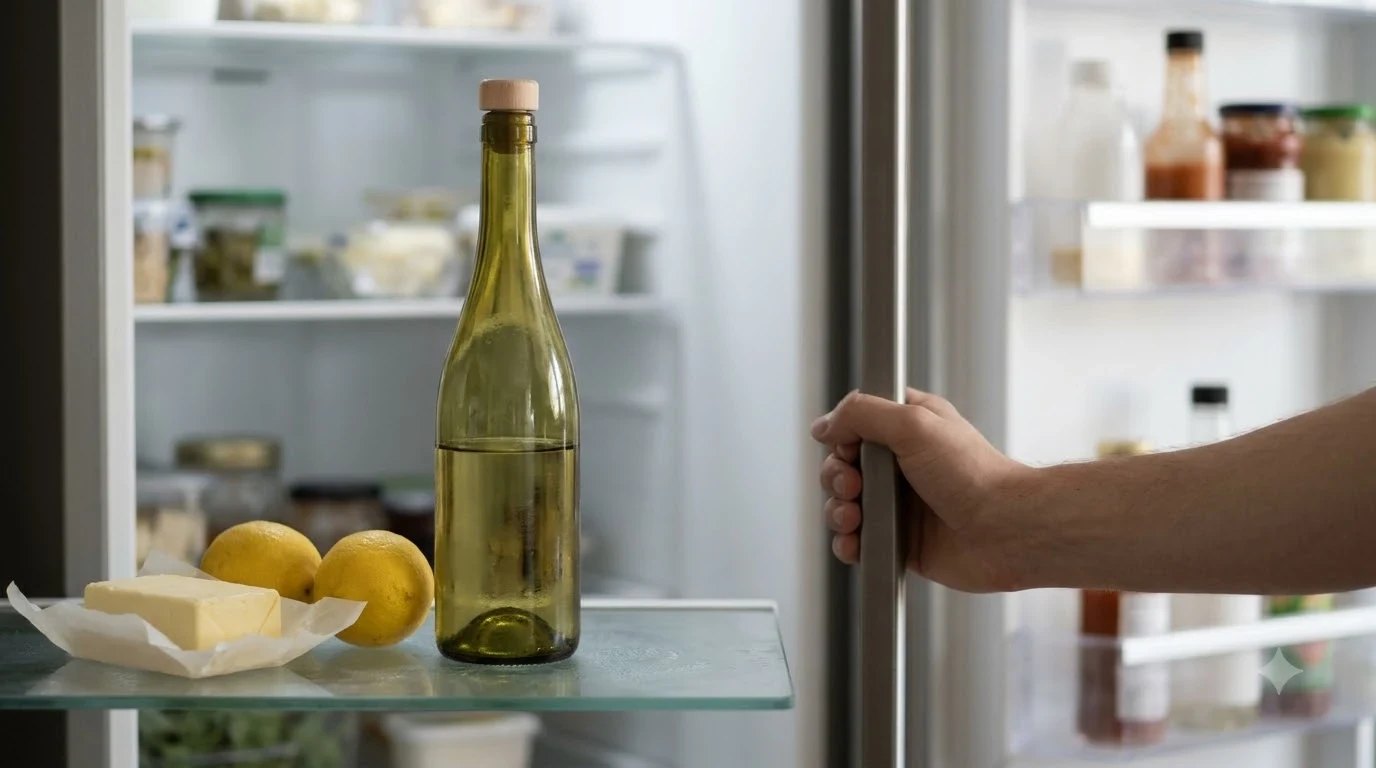
Once opened, recork the bottle and store it upright in the refrigerator. Thanks to their naturally high acidity and protective sugar levels, Prüm Rieslings hold their freshness remarkably well over three to five days—and often taste even more expressive on day two.
Who It Suits
Joh Jos Prum wine is tailor-made for wine lovers who value nuance, aromatic purity, and food-friendly balance over high alcohol or heavy oak influence. Anyone who typically reaches for crisp Sauvignon Blanc, Pinot Grigio, or dry Champagne will appreciate how refreshing a chilled Kabinett feels on the palate, despite its touch of residual sweetness.
It also appeals strongly to collectors and patient enthusiasts building a long-term cellar. Few white wines on earth reward 15 to 30 years of cool storage as reliably as single-vineyard Mosel Riesling from Wehlener Sonnenuhr or Graacher Himmelreich. Even drinkers exploring broader categories across our guide to wine brands—or those contrasting classic European wines with modern specialty labels like Ariel wine—often find that a single glass of J.J. Prüm permanently changes how they think about off-dry white wine.
Frequently Asked Questions
Is Joh Jos Prum wine sweet or dry?
Joh Jos Prum wine is exclusively off-dry to sweet; the estate famously produces zero dry (trocken) Rieslings. However, naturally brisk Mosel acidity and pronounced slate minerality balance the residual sugar so tightly that Kabinett and Spätlese bottlings taste crisp and refreshing rather than cloying.
What does Wehlener Sonnenuhr mean on a Prüm label?
Wehlener Sonnenuhr translates to “Wehlen Sundial” and refers to the steep, south-facing single vineyard directly across the Mosel River from the Prüm family manor. The name honors a literal sundial built into the slate hillside in the early nineteenth century by ancestor Jodocus Prüm to help vineyard workers track the time.
Why do Joh Jos Prum wines have such low alcohol?
The cool climate of Germany’s Mosel Valley produces grapes with modest sugar levels and high natural acidity. Winemakers halt fermentation early so a portion of unfermented grape sugar remains in the wine, resulting in balanced, aromatic Rieslings that typically sit between 7.5% and 8.5% ABV.
How long can you age Joh Jos Prum Riesling?
Even the entry-level Kabinett bottlings easily age for 10 to 20 years in a cool, dark cellar, while Spätlese and Auslese wines regularly evolve for 30 to 50 years or more. High natural acidity acts as a built-in preservative, allowing youthful orchard fruit to slowly develop complex notes of dried apricot, honey, and toasted nuts.
Whether you uncork a vibrant young Kabinett with spicy takeout or cellar a bottle of Wehlener Sonnenuhr Spätlese for a milestone anniversary, Weingut Joh. Jos. Prüm offers one of the purest expressions of vineyard terroir in the wine world. Understanding the estate’s Prädikat tiers and steep slate sites makes choosing the right bottle straightforward for any occasion.
More in Wine Brands
 Underwood Wine Price: Compare Bottles, Cans, and Pack SizesUpdated Nov 21, 2026
 Zenato Wine Price: Compare Styles and Choose the Right BottleUpdated Nov 21, 2026
 Zuccardi Wine Price: Compare Bottles and Find the Right RangeUpdated Nov 21, 2026
 Yellow Tail Moscato Review: Taste, Sweetness and Serving TipsUpdated Nov 21, 2026
 Wolf Blass Yellow Label Review: Choose Your Best StyleUpdated Nov 21, 2026
 Wolffer Estate Rose Review: Choose the Right Bottle for Your TableUpdated Nov 21, 2026