

We may earn a commission when you buy through links on this page, at no extra cost to you. Learn more.
This j lohr chardonnay review finds that J. Lohr Estates Riverstone Chardonnay is a dry, medium-to-full-bodied California white with ripe citrus, peach, creamy texture, and noticeable oak influence. Its combination of fresh acidity and barrel-aged richness makes it a good option for Chardonnay drinkers who enjoy both fruit character and a rounded finish. It is particularly suited to seafood, roast chicken, creamy dishes, and mild cheeses.
J. Lohr produces several Chardonnay styles, but Riverstone is the familiar starting point for understanding the winery’s approach to California white wine. Its Arroyo Seco vineyards, barrel fermentation, lees aging, and carefully selected Chardonnay clones contribute to a style that balances ripe fruit with oak-derived complexity. The important buying distinction is that Riverstone is not an unoaked, sharply mineral Chardonnay. It has more weight, creaminess, and flavor development than that style typically offers.
Who This Is For: Chardonnay Drinkers Who Enjoy Fruit and Oak
J. Lohr Riverstone Chardonnay is a strong candidate for drinkers who want recognizable California Chardonnay flavors without sacrificing freshness. Its combination of peach, citrus, hazelnut, and oak makes it suitable for both casual dinners and more substantial meals.
The wine is especially appropriate for people who enjoy Chardonnay with a rounded mouthfeel. The producer’s 2024 tasting description identifies Meyer lemon, ripe peach, citrus cream, hazelnut, and cocoa, while its winemaking details explain how barrel fermentation and lees aging contribute to the finished texture. These characteristics make Riverstone more layered than a simple, light-bodied white wine.
There is also an important distinction between liking buttery Chardonnay and liking Chardonnay with oak. These characteristics can overlap, but they are not identical. Oak can contribute aromas reminiscent of baking spices, vanilla, toast, and hazelnut. Malolactic fermentation can soften acidity and create a rounder impression. Riverstone combines these techniques, making it appealing to drinkers who prefer a richer style.
On the other hand, someone who prefers extremely crisp, unoaked whites may find Riverstone too broad and creamy. Drinkers who want pronounced green apple, lime, and a very lean finish might be happier with Sauvignon Blanc or an unoaked Chardonnay. J. Lohr’s Paperwhite Chardonnay is another relevant option because the producer identifies it specifically as an unoaked Chardonnay.
Vintage differences also matter. Wine Enthusiast awarded the 2023 Riverstone 90 points and described candied apple, honeysuckle, toasted brioche, and baked apple. Its 2022 review received 92 points and emphasized lemon chiffon cake, wet stone, acidity, cream, and vanilla meringue. These descriptions demonstrate that individual releases can express different combinations of richness and freshness.
For readers comparing the producer’s available styles, the broader Wine Brands collection provides another starting point for understanding how different wineries approach Chardonnay and other familiar grape varieties.
Key Factors to Compare Before Buying J. Lohr Chardonnay
Four factors deserve particular attention when choosing Riverstone: fruit character, oak influence, acidity, and alcohol content. Understanding these characteristics makes it easier to decide whether the wine suits your preferences and the food you plan to serve.
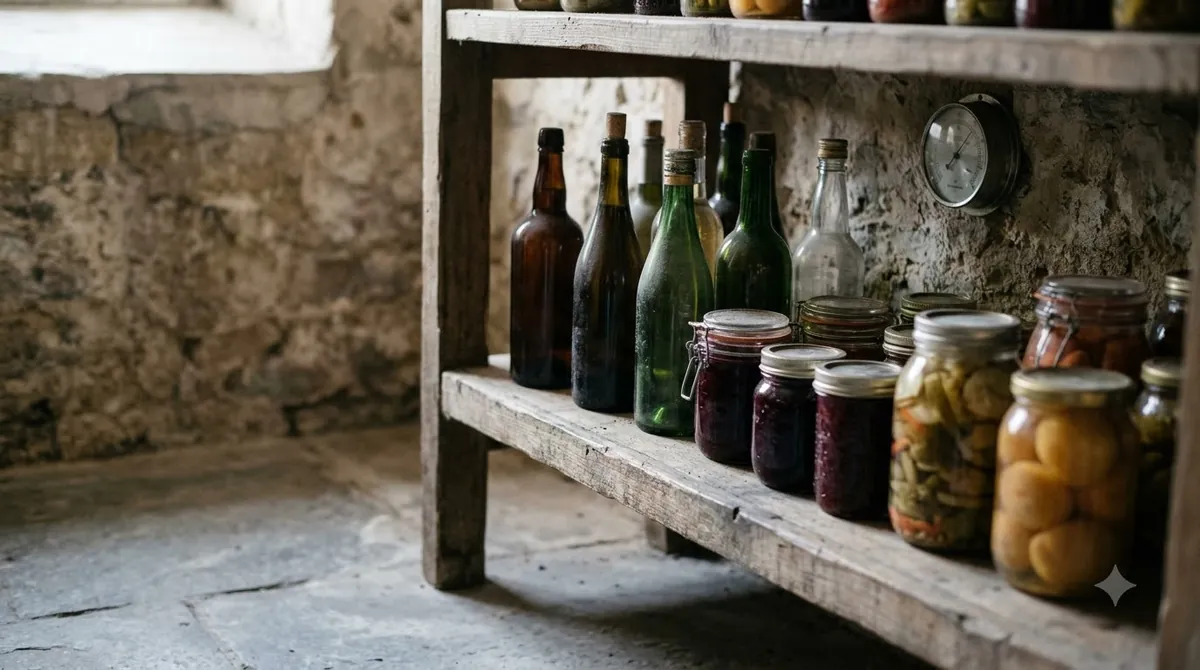
The first consideration is its regional character. Riverstone comes from the Arroyo Seco AVA in Monterey County, California. The producer explains that the vineyards contain Elder loam, sandy loam, and cobblestones deposited by the Arroyo Seco River. Cool growing conditions and winds from nearby Monterey Bay help preserve natural acidity while allowing Chardonnay grapes to develop ripe fruit flavors. The official J. Lohr Riverstone Chardonnay page provides additional information about the vineyard, wine style, and recommended food pairings.
The second consideration is the production method. The 2024 production outline describes barrel fermentation followed by 7 to 9 months of maturation in American, Hungarian, and French oak. The wine also underwent 74% malolactic fermentation. These details help explain why the finished Chardonnay has both citrus freshness and a creamy, oak-influenced character.
| Buying factor | Riverstone details | What it means |
|---|---|---|
| Grape composition | 100% Chardonnay | Pure varietal Chardonnay character |
| Growing region | Arroyo Seco AVA, Monterey County | Cool-climate California fruit |
| Alcohol content | 14.1% ABV for 2024 | Relatively full alcohol presence |
| Malolactic fermentation | 74% for 2024 | Contributes to a rounder impression |
| Oak maturation | 7 to 9 months for 2024 | Develops oak and texture characteristics |
| Oak varieties | American, Hungarian, French | Different oak influences in the finished wine |
| Residual sugar | 0.25% for 2024 | Dry wine style |
| Recommended cellaring | Up to 5 years from vintage | Designed primarily for relatively early enjoyment |
| Standard bottle size | 750 ml | Approximately 5 standard 5-ounce pours |
The figures in this table refer to the 2024 production outline unless otherwise specified. Alcohol levels and winemaking details can change between vintages, so these specifications should not automatically be applied to every Riverstone release.
For a closer look at the alcohol figure and how it affects the overall drinking experience, see the dedicated J. Lohr Chardonnay alcohol content discussion.
Third, consider how much richness you want. The wine’s 14.1% ABV in the 2024 vintage contributes to its relatively substantial presence. That does not mean it will necessarily taste hot or harsh, but it is not a particularly low-alcohol Chardonnay. Its acidity and citrus flavors help balance the weight.
Fourth, consider the finish. Riverstone’s tasting descriptions mention hazelnut, cocoa, citrus cream, and a hint of oak. These characteristics provide a more developed finish than a simple citrus-driven white. If you enjoy Chardonnay that retains fruit while adding toasted and creamy notes, this combination is an important reason to consider it.
Step-by-Step: How to Choose the Right J. Lohr Chardonnay
Choosing the right J. Lohr bottle becomes easier when you work through the label, style, vintage, and intended meal in order. The following steps help prevent confusion between the producer’s barrel-aged Riverstone and its unoaked Chardonnay offerings.
-
Identify the specific Chardonnay.
Start by finding the Riverstone name on the J. Lohr Estates label. The producer’s Chardonnay portfolio also includes Paperwhite, which is described as unoaked. These wines are not interchangeable in terms of style, even though both use Chardonnay grapes.
-
Confirm the vintage.
Look at the year printed on the bottle. The 2024 Riverstone has documented alcohol of 14.1% and 7 to 9 months of oak maturation. The 2023 vintage was recorded at 14% ABV by Wine Enthusiast. These figures show why it is important to distinguish one release from another.
-
Decide how much oak you prefer.
Riverstone is barrel-fermented and aged in oak. If you enjoy toasted brioche, hazelnut, baking spice, and creamy textures, this production approach may suit your palate. If those characteristics sound too rich, consider the producer’s Paperwhite unoaked Chardonnay instead.
-
Match the wine with your food.
Riverstone works particularly well with seafood, creamy sauces, poultry, and cheeses. For example, shrimp scampi complements its citrus character, while roast chicken and triple-crème brie work with its fuller texture.
-
Choose an appropriate serving temperature.
Serve Riverstone at approximately 50 to 55°F. This temperature range allows the wine to retain refreshing acidity while making its peach, citrus cream, and oak characteristics easier to appreciate. Avoid serving it directly from an extremely cold refrigerator.
-
Plan to drink it within the intended window.
J. Lohr recommends enjoying Riverstone upon release or within five years of its vintage. This is a practical guideline for preserving the balance of fruit, acidity, and oak rather than treating the bottle as a long-term collectible.
When comparing descriptions, the J. Lohr Chardonnay tasting notes provide additional context for the aromas, palate, and finish that distinguish this wine from lighter California Chardonnay styles.
Tip: If you are uncertain whether Riverstone will suit your palate, compare its description with an unoaked Chardonnay before buying. The difference between barrel-aged creaminess and fresh, direct fruit character is often more important than the winery name or grape variety.
Types and Styles Explained: Riverstone, Paperwhite, and Other Chardonnay Options
J. Lohr’s Chardonnay portfolio includes wines with different levels of oak influence and different winemaking approaches. Understanding those distinctions helps shoppers select a bottle based on flavor preference rather than assuming every Chardonnay from the same producer will taste alike.
Riverstone: Barrel-Aged California Chardonnay
Riverstone is the central style discussed in this review. It comes from the Arroyo Seco AVA in Monterey County and combines Chardonnay fruit with barrel fermentation and maturation. The producer describes its signature profile using ripe citrus, white nectarine, Meyer lemon, peach, hazelnut, cocoa, and baking spices.
Lees aging is an important part of the style. Lees are the yeast cells and other particles left after fermentation. Stirring wine with its lees can contribute a broader texture and additional complexity. J. Lohr’s tasting material describes weekly lees stirring during nine months of barrel aging, while its 2024 production outline specifies 7 to 9 months of maturation.
The result is a Chardonnay that combines fresh fruit with a rounded texture. It can appeal to people who enjoy oak-influenced California whites but still want enough acidity to accompany food.
Paperwhite: Unoaked Chardonnay
Paperwhite is an alternative for drinkers who prefer Chardonnay without the more obvious toasted and creamy character associated with barrel aging. J. Lohr identifies Paperwhite as an unoaked Chardonnay within its Estates range.
This distinction is useful when selecting wine for different occasions. Riverstone is more appropriate when a meal includes butter, cream, roasted poultry, or richer seafood preparations. An unoaked style can be a better match for lighter dishes, fresh vegetables, and meals where citrus and freshness are more important than texture.
Arroyo Vista and October Night: Additional Chardonnay Styles
J. Lohr also lists Arroyo Vista and October Night in its Chardonnay portfolio. These wines provide additional ways to explore the producer’s approach to Monterey Chardonnay rather than treating Riverstone as the only option.
The producer describes Arroyo Vista as part of its Vineyard Series, with clone 76 as its backbone, extended barrel fermentation and aging, and hand-stirring of the lees. October Night is also part of the Vineyard Series and features the distinctive Musqué Chardonnay clone. Its description emphasizes aromatics, rich mouthfeel, and food-pairing acidity.
These differences matter because a wine’s style depends on more than its grape variety. Vineyard location, clone selection, fermentation, oak treatment, and aging all contribute to its character. Someone who enjoys Riverstone might also appreciate exploring these other bottlings, but the differences in production mean that the wines should not be assumed to taste identical.
For a straightforward buying decision, Riverstone is the logical starting point for drinkers seeking barrel-aged California Chardonnay, while Paperwhite is the clearer alternative for those who prefer an unoaked expression.
Common Mistakes When Buying and Drinking J. Lohr Chardonnay
The most common mistakes involve confusing dryness with acidity, assuming every vintage tastes identical, and serving the wine too cold. Understanding these points helps Riverstone show its intended balance of fruit, oak, and freshness.
Assuming Creaminess Means Sweetness
Riverstone is a dry Chardonnay. The 2024 production outline lists residual sugar at 0.25%, which the producer describes as dry. Its creamy impression comes from winemaking and texture rather than a dessert-wine sweetness level.
Fruit aromas can also create an impression of sweetness. Ripe peach, apricot, and baked apple may smell sweet even when the wine itself contains relatively little residual sugar. This distinction is particularly important for shoppers who prefer dry wine but enjoy ripe fruit flavors.
Expecting Every Vintage to Taste Exactly the Same
Vintage conditions influence the finished wine. The 2024 growing season included a cool spring and summer followed by warmer September weather, according to J. Lohr. The producer also describes a relatively short harvest period for that vintage.
Independent reviews illustrate the variation. Wine Enthusiast’s 2023 review highlights candied apple, honeysuckle, toasted brioche, and baked apple, while its 2022 review emphasizes lemon chiffon cake, wet stone, cream, and vanilla meringue. The underlying style remains recognizable, but the individual flavor balance changes.
For another perspective on the 2023 release, Wine Enthusiast’s Riverstone Chardonnay review provides an independent assessment of its aromas, flavors, and overall quality.
Confusing Oak with Excessive Butteriness
Oak aging can introduce toasted, nutty, and baking-spice impressions. Malolactic fermentation can soften the wine’s acidity and contribute to a rounder mouthfeel. However, these processes do not mean that every barrel-aged Chardonnay will have the same strongly buttery character.
Riverstone combines oak with fruit and acidity. Its producer’s notes emphasize Meyer lemon and white nectarine alongside hazelnut, cocoa, and citrus cream. That combination is more useful as a buying guide than simply describing the wine as buttery.
Serving It Too Cold
Very cold white wine can conceal aromas and make its texture seem less expressive. Riverstone is better served around 50 to 55°F than at the colder temperatures commonly used for sparkling wine.
At the opposite extreme, serving it too warm can make the alcohol seem more noticeable and reduce the refreshing impression of acidity. A moderate serving temperature helps preserve the balance between ripe fruit and barrel-aged richness.
Pairing It with Food That Overwhelms Its Character
Chardonnay can be versatile, but some combinations are more successful than others. Riverstone’s oak and creamy texture work particularly well with roasted poultry, shellfish, and dishes containing butter or cream. Strong chili heat, on the other hand, can make its alcohol seem more pronounced.
Highly acidic dishes also need consideration. Lemon-heavy sauces, vinaigrettes, and strongly acidic tomato preparations can make a wine with less acidity seem comparatively flat. Riverstone’s natural freshness helps, but the overall balance of the meal remains important.
Care and Storage Tips for Preserving Freshness and Flavor
Correct storage and serving practices help protect Riverstone’s fruit, acidity, and oak character. A consistent storage temperature near 55°F, careful handling, and a serving temperature of 50 to 55°F are sensible starting points.
Store Unopened Bottles Properly
Keep unopened bottles in a cool, dark place away from direct sunlight and major temperature changes. A storage temperature near 55°F is a useful target for wine intended to remain in good condition.
If the bottle has a traditional cork closure, store it on its side so the cork remains in contact with the wine. Avoid placing it near ovens, radiators, windows, or other sources of heat. Repeated temperature fluctuations can be more damaging than a slightly imperfect but consistent storage environment.
Riverstone is not generally presented as a wine requiring decades of cellar aging. J. Lohr recommends enjoying it upon release or within five years of the vintage. For most buyers, purchasing a bottle with the intention of drinking it within that period is more appropriate than planning extended storage.
Chill Before Serving
Place the bottle in a refrigerator before serving and allow it to reach approximately 50 to 55°F. If the wine becomes too cold, let it warm gradually in the glass. This helps its aromas become more expressive.
A standard 750 ml bottle provides approximately five 5-ounce servings. Use a reasonably sized white wine glass with enough room for the aromas to develop. Filling the glass only partway also makes it easier to swirl the wine without spilling.
Handle Opened Bottles Carefully
After opening, reseal the bottle and refrigerate it. Most opened still white wines retain acceptable drinking quality for approximately three to five days when properly stored, although freshness can decline sooner depending on exposure to oxygen and the wine’s condition.
Keep the bottle upright after opening to minimize the wine’s exposed surface area. If you do not plan to finish it, a smaller airtight wine container can help reduce oxygen exposure. Avoid leaving an opened bottle on a warm kitchen counter overnight.
Use the Right Glass and Food Pairings
A medium-sized white wine glass is suitable for Riverstone. Its bowl should allow room for the aromas of peach, citrus, hazelnut, and baking spices to develop without requiring an oversized glass designed for a more powerful red wine.
For food, the producer specifically recommends several dishes that complement the wine’s characteristics:
- Seafood: Shrimp scampi, mussels in white wine sauce, and sautéed scallops complement its citrus and creamy notes.
- Poultry: Sesame-apricot chicken and roast chicken work with its ripe fruit and rounded texture.
- Cheese: Triple-crème brie, Gruyère, and Asiago provide a satisfying contrast to its acidity.
- Soup: Tuscan bean soup offers a savory pairing for its fuller body and nutty finish.
For a simple dinner, serve Riverstone with roasted chicken and vegetables, followed by a mild cheese course. For a seafood meal, shrimp scampi or mussels provide a natural match. These combinations allow the wine’s fruit and oak character to complement the meal instead of competing with it.
Frequently Asked Questions
Is J. Lohr Chardonnay made from organically grown grapes?
Riverstone is identified by J. Lohr as a Certified California Sustainable Winegrowing wine, which is a sustainability certification rather than an organic certification. The producer explains that its certification requires at least 85% of the grapes to come from certified sustainable vineyards and that the wine must be produced in a certified sustainable winery. This designation should not be confused with certified organic wine.
Does J. Lohr Riverstone Chardonnay contain animal-derived fining agents?
The published 2024 Riverstone production outline describes grape composition, fermentation, oak maturation, and bottling chemistry but does not establish whether animal-derived fining agents were used. People following vegan wine requirements should seek confirmation from the producer for the specific vintage rather than assuming that every Chardonnay is vegan.
Does J. Lohr Riverstone Chardonnay use a screw cap?
Closure specifications should be confirmed for the particular release and bottle being purchased. Packaging can change between vintages and distribution markets. The producer’s technical information focuses primarily on grape composition, vineyard origin, and winemaking rather than establishing one universal closure specification for every release.
Can J. Lohr Riverstone Chardonnay be used for cooking?
Yes, a dry Chardonnay can be used in dishes such as shrimp scampi, mussels in white wine sauce, and cream-based poultry preparations. Riverstone’s oak and ripe fruit character may be noticeable in a finished sauce, especially when the wine is reduced substantially. Use a small amount and balance it with stock, butter, herbs, or other ingredients appropriate to the recipe.
Is J. Lohr Riverstone Chardonnay suitable for a wine gift?
It can be a suitable gift for someone who enjoys California Chardonnay with ripe fruit and barrel-aged texture. Its established Arroyo Seco origin and recognizable Chardonnay profile make it a relatively straightforward choice for someone familiar with American white wines. For a recipient who strongly prefers crisp, unoaked wines, J. Lohr’s Paperwhite Chardonnay may be a more appropriate alternative.
J. Lohr Estates Riverstone Chardonnay is a worthwhile choice for drinkers who appreciate dry California Chardonnay with ripe citrus, peach, creamy texture, and oak-derived complexity. Its combination of freshness and richness makes it particularly versatile with seafood, poultry, and cheese. Choose Riverstone for a barrel-aged style, or explore Paperwhite if a lighter, unoaked expression is closer to your preference.
More in Wine Brands
 Louis Latour Wine Price: Compare Bottles by Style and TierUpdated Nov 20, 2026
 Yellow Tail Moscato Price: What to Expect Before You BuyUpdated Nov 20, 2026
 Sutter Home Sweet Red Review: Find the Right Food PairingsUpdated Nov 20, 2026
 Franzia Chillable Red Review: Find the Right Serving StyleUpdated Nov 20, 2026
 Veuve Clicquot Rose Review: Flavor, Food Pairings and Buying AdviceUpdated Nov 20, 2026
 Rombauer Wine Price: Compare Bottles Before You BuyUpdated Nov 20, 2026