

We may earn a commission when you buy through links on this page, at no extra cost to you. Learn more.
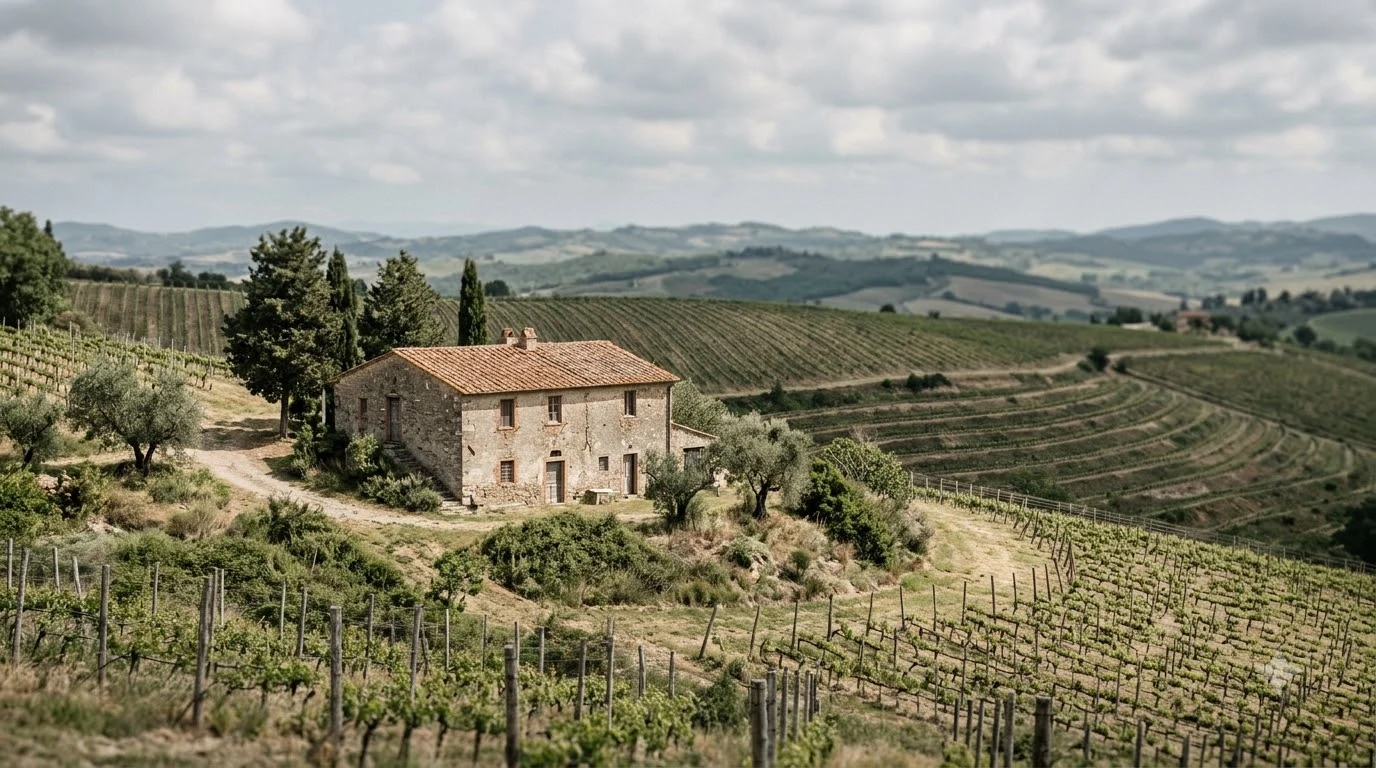
Israel wine tasting offers an opportunity to explore distinctive Mediterranean wines from regions including the Golan Heights, Galilee, Judean Hills, and Negev. The country’s vineyards grow familiar international grapes such as Cabernet Sauvignon, Merlot, Syrah, and Chardonnay alongside lesser-known local varieties. Understanding the differences in altitude, climate, soil, and winemaking helps visitors recognize regional styles and choose wines that suit their preferences.
Israel has a long history of grape growing, but its contemporary wine industry is particularly interesting because it combines historic vineyard traditions with modern winemaking techniques. Northern mountain vineyards, Mediterranean coastal sites, and high-altitude desert locations create an unusually broad range of growing conditions within a relatively small country. Whether exploring Israeli wine at a local tasting room, visiting wineries during a trip, or comparing bottles at home, a little regional knowledge makes each glass more meaningful.
Understanding Israel’s Wine Regions and Growing Conditions
Israel’s wine character is shaped by five traditionally recognized wine regions, with smaller growing areas and substantial differences between individual vineyards. The main distinction is between cooler northern and mountain locations, warmer coastal areas, and the dry southern desert.
The traditional regional classification includes Galilee, Shomron, Samson, Judean Hills, and Negev. Galilee includes the Golan Heights, Upper Galilee, and Lower Galilee. Shomron encompasses the Carmel area and surrounding mountain and coastal vineyards, while Samson includes the Judean Foothills and central coastal plain.
Regional terminology is also evolving. Israel’s official geographical mapping initiative establishes eight major wine regions and 18 subregions, providing more detailed geographical distinctions. These classifications reflect differences in temperature, rainfall, soil, elevation, and distance from the Mediterranean Sea. The new framework helps consumers understand where grapes originate rather than treating the country as one uniform growing area. The Israeli government’s official wine-region mapping announcement explains the geographical approach and the requirements for voluntarily identifying regional origin on wine labels.
For a visitor, the practical takeaway is that two wines made from Cabernet Sauvignon can taste quite different depending on where the grapes were grown. A cooler mountain vineyard may produce a wine with more noticeable freshness and firmer structure, while a warmer site can encourage riper fruit and a fuller impression. Winemaking choices, including harvest timing, fermentation, oak treatment, and blending, also influence the finished wine.
Elevation is particularly important. Mountain vineyards can experience substantial differences between daytime and nighttime temperatures. Cooler nights help preserve grape acidity during ripening, while sunny days support the development of ripe fruit flavors. Coastal vineyards experience maritime influences, whereas desert vineyards must contend with low rainfall and pronounced temperature changes.
Soil also contributes to regional differences. Volcanic basalt is associated with northern vineyards, while limestone, chalk, terra rossa, clay, and sandy loam occur in other growing areas. Soil alone does not determine a wine’s flavor, but its drainage properties and relationship with vineyard climate influence how vines grow and how grapes develop.
These differences make regional comparisons one of the most useful approaches to Israeli wine. Rather than beginning with expensive or famous bottles, compare wines from two regions made with the same grape. A Galilee Cabernet Sauvignon alongside a Judean Hills Cabernet Sauvignon, for example, offers a practical introduction to the relationship between place and wine style.
Golan Heights and Galilee: Israel’s Northern Wine Country
The Golan Heights and Galilee are essential starting points for understanding Israeli wine because their elevated vineyards and cooler growing conditions support a broad range of red and white varieties. Cabernet Sauvignon, Syrah, Chardonnay, and Sauvignon Blanc are useful grapes to explore in these northern regions.
The Galilee stretches across northern Israel, with vineyards occupying different elevations and landscapes. According to the Israeli Wine regional profile, elevations range from approximately 200 to 1,200 meters. The region includes Mediterranean and cooler continental influences, while its soils range from terra rossa and limestone to volcanic basalt.
The Upper Galilee is particularly interesting for its mountain vineyards and relatively cool conditions. Its growing environment supports Cabernet Sauvignon, Syrah, Merlot, Chardonnay, and Sauvignon Blanc. The combination of elevation and cooler nights can help preserve acidity while allowing grapes to develop ripe flavors. This balance makes the region a useful place to explore both structured reds and aromatic whites.
Notable producers associated with the Galilee include Galil Mountain, Dalton, Recanati, Pelter, and Tabor. These wineries provide examples of the region’s varied approach to international grape varieties and contemporary Israeli blends. A tasting that includes a Sauvignon Blanc, a Chardonnay, and a red blend can reveal more about regional diversity than focusing exclusively on Cabernet Sauvignon.
The Golan Heights deserves separate attention. Its volcanic plateau rises from approximately 400 meters to 1,200 meters in the regional profile published by Israeli Wine. Volcanic basalt soils, cooler continental conditions, and substantial elevation differences distinguish its vineyards from many warmer Mediterranean sites.
Quality wine-grape vineyards were first planted in the Golan in 1976. Golan Heights Winery became an important name in the development of the region’s modern wine reputation. Other producers associated with the area include Bazelet HaGolan and Odem Mountain.
The northern and southern Golan should not be treated as identical. The northern section has higher elevations and cooler conditions, while the southern section is generally lower and warmer. These differences can affect ripening speed, acidity, and the character of the finished wine.
Cabernet Sauvignon, Merlot, Syrah, Pinot Noir, and Chardonnay are among the varieties identified in the Golan Heights regional profile. Pinot Noir is particularly useful for visitors who want to compare a lighter-bodied red with the region’s more structured Cabernet Sauvignon and Syrah bottlings.
Tip: For a first northern Israel tasting, compare a Golan Heights Chardonnay with a Galilee Sauvignon Blanc, followed by a Golan Cabernet Sauvignon and a Galilee Syrah. This four-wine progression introduces different grapes, textures, and regional expressions without making the tasting overly complicated.
Visitors interested in comparing northern mountain wines with European mountain-influenced styles may also enjoy exploring Alsace wine tasting. Although the climates, grapes, and winemaking traditions differ, both regions demonstrate why vineyard location matters when evaluating wine.
Judean Hills, Shomron, and Samson: Mountain and Coastal Styles
Central Israel offers a different perspective on the country’s wine production, with mountain vineyards around Jerusalem, historic growing areas near Mount Carmel, and warmer vineyards in the Judean Foothills. Cabernet Sauvignon, Syrah, Carignan, Merlot, and Chardonnay are important grapes to explore across these areas.
The Judean Hills surround Jerusalem and include vineyards in mountainous locations with substantial differences between daytime and nighttime temperatures. According to the Israeli Wine regional profile, vineyard elevations generally range from approximately 600 to 900 meters. Limestone, chalk, and terra rossa are important soil types.
These conditions support structured wines with a combination of ripe fruit and freshness. Cabernet Sauvignon and Syrah are particularly useful varieties for understanding the region’s red-wine character, while Chardonnay offers an opportunity to explore its white wines. Carignan also deserves attention because it demonstrates how Mediterranean grape varieties can contribute a different expression from the familiar international selections.
Several notable wineries are associated with the Judean Hills, including Domaine du Castel, Tzora, Clos de Gat, Flam, and Yatir. Their wines provide different interpretations of mountain-grown grapes and contemporary Israeli winemaking. Visitors can compare single-variety bottlings with blends to understand how producers balance structure, fruit, and oak.
Shomron includes the Carmel mountain range, the Zichron Yaakov area, the northern coastal plain, and central mountain vineyards. The region has particular historical importance because Baron Edmond de Rothschild supported vineyard development here during the 1880s.
The Carmel area includes some long-established Carignan vineyards. Certain older plantings are maintained as free-standing bush vines rather than being trained along conventional trellising systems. Carignan is especially interesting for visitors who want to explore Mediterranean red grapes beyond Cabernet Sauvignon and Merlot.
Shomron also includes cooler central mountain sites, where limestone-rich soils and elevation create different conditions from the coastal plain. The regional profile identifies elevations of approximately 300 to 800 meters in the broader Shomron area. Merlot, Cabernet Sauvignon, Shiraz, and Viognier are among the varieties grown there.
Samson, also known as Shimshon, includes the central coastal plain and Judean Foothills. The foothills contain deep chalk and clay soils, with vineyard elevations generally ranging from 150 to 350 meters in the regional profile published by Eretz Gefen. These warmer conditions can encourage ripe fruit development and fuller-bodied wines.
The three central growing areas are therefore worth comparing rather than grouping into one general style. A Judean Hills Syrah, a Carmel Carignan, and a Samson red blend can illustrate how altitude, soil, and climate influence the expression of Mediterranean varieties.
Travelers interested in another Mediterranean region known for structured reds can also explore Bolgheri wine tasting. Comparing its Tuscan coastal reds with Israeli Cabernet Sauvignon-based wines provides a useful way to understand different approaches to warm-climate grape growing.
Negev Wines and Desert Vineyard Innovation
The Negev offers one of Israel’s most distinctive wine-growing environments because its vineyards operate under extremely dry desert conditions. High-altitude locations, drip irrigation, and substantial temperature differences between day and night help make grape growing possible in this challenging landscape.
The Negev occupies a large part of southern Israel, but its share of the country’s vineyard acreage is relatively small. The regional information published by Eretz Gefen identifies approximately 4% of Israel’s vineyards in the Negev. Many of its modern vineyards were planted from the 1990s onward.
Important growing locations include the Negev Highlands, around Mitzpe Ramon and Sde Boker. Some vineyards reach approximately 900 meters in elevation. Despite the desert setting, these higher sites can experience cold nights and morning fog, creating conditions quite different from those found in lower, hotter desert locations.
Rainfall is extremely limited. Eretz Gefen gives a general annual range of approximately 50 to 100 millimeters for the Negev Highlands. Drip irrigation is therefore essential to vineyard management, allowing growers to provide water directly to the vines.
The region’s soils include sandy material and loess. Dry conditions can reduce certain vineyard disease pressures, although extreme heat, water availability, and sun exposure remain important challenges. The considerable difference between daytime and nighttime temperatures can help grapes develop ripe fruit character while retaining useful acidity.
Cabernet Sauvignon, Shiraz, Merlot, and Grenache are among the varieties identified in the Israeli Wine regional profile. Eretz Gefen also highlights Chenin Blanc and Petit Verdot as varieties suited to particular Negev sites.
For a visitor, the most interesting comparison is often between a Negev red and a wine from the Golan Heights. Both may use Cabernet Sauvignon or Syrah, but their growing environments differ considerably. The Golan has volcanic soils and a cooler continental climate, while the Negev combines aridity, irrigation, and strong daily temperature variation.
Yatir, Carmey Avdat, and Ramat Negev are producers associated with the Negev regional profile. Exploring their wines offers an introduction to the agricultural challenges and creative decisions involved in desert viticulture.
White wine drinkers should not overlook the region. A Negev Chenin Blanc can provide a useful contrast to the richer impression often associated with warm-climate red blends. Comparing it with a northern Chardonnay also helps demonstrate the diversity of Israeli white wine production.
Israeli Grapes, Wine Styles, and What to Taste
Israeli wineries grow familiar international grapes alongside Mediterranean and local varieties, making grape selection one of the easiest ways to organize a tasting. Cabernet Sauvignon and Syrah are important red-wine starting points, while Chardonnay and Sauvignon Blanc provide useful introductions to white wines.
Cabernet Sauvignon is known for relatively high tannin, dark fruit character, and a firm structure. In Israel, it is grown in northern mountain vineyards, the Golan Heights, the Judean Hills, and other areas. Tasting Cabernet Sauvignon from different regions allows visitors to compare fruit ripeness, acidity, tannin, and oak influence.
Merlot generally has medium tannin and a softer impression than Cabernet Sauvignon. It can contribute roundness and approachable fruit to Israeli red blends. Syrah, also called Shiraz, generally has medium-plus to high tannin, with dark fruit and peppery characteristics that work particularly well in Mediterranean-style wines.
Carignan deserves special attention. It has a longstanding connection with the Carmel area, where older bush-vine vineyards provide an important link between historic growing practices and modern winemaking. Its wines can offer a different perspective from internationally familiar Bordeaux varieties.
Argaman is another interesting grape to encounter. It is an Israeli-developed red variety that has appeared in local wines, including varietal bottlings and blends. It is useful for visitors who want to move beyond the international grapes that dominate much of the country’s modern wine production.
White wine selections can be equally varied. Chardonnay has medium acidity and can be made in styles ranging from fresh and relatively restrained to fuller wines with oak influence. Sauvignon Blanc generally has high acidity and is often a good choice for visitors who prefer freshness and aromatic intensity.
Local white varieties also deserve recognition. Marawi, also known as Hamdani, Dabouki, and Jandali are grown in parts of the Judean Hills and surrounding areas. These varieties provide an opportunity to explore regional grape heritage rather than relying entirely on French-origin varieties.
| Grape or style | Typical structure | What to notice |
|---|---|---|
| Cabernet Sauvignon | High tannin | Dark fruit, firm structure |
| Merlot | Medium tannin | Softer texture, ripe fruit |
| Syrah | Medium-plus to high tannin | Dark fruit, pepper, spice |
| Carignan | Medium to high tannin | Red fruit, savory character |
| Chardonnay | Medium acidity | Apple, citrus, texture |
| Sauvignon Blanc | High acidity | Citrus, herbal aromas |
| Chenin Blanc | High acidity | Apple, citrus, freshness |
Blends are another important part of the Israeli wine scene. A producer may combine Cabernet Sauvignon with Merlot, Syrah, Carignan, or other varieties to achieve a particular balance of fruit, structure, and texture. Blending can also allow winemakers to work with grapes from different vineyard sites.
When tasting, begin by identifying the dominant grape, then consider the region and winemaking style. Notice whether the wine emphasizes freshness, ripe fruit, firm tannins, oak, or aromatic complexity. A useful progression is Sauvignon Blanc, Chardonnay, Merlot, Carignan, Syrah, and finally Cabernet Sauvignon, moving from lighter and fresher wines toward more structured reds.
Kosher Wine, Winemaking, and Israeli Wine Culture
Most Israeli wines are kosher, but not every bottle produced in Israel carries kosher certification. Understanding the difference between kosher production requirements and wine quality helps visitors evaluate bottles without making assumptions about their style or craftsmanship.
Kosher wine follows specific religious handling requirements throughout production. According to Wine.com, the rules concern handling from grape harvesting through bottling, with observant Jewish workers responsible for relevant stages of production under the applicable certification requirements.
Certification can be important to consumers who follow kosher dietary practices. However, it is not a measure of wine quality. A kosher wine can be simple and approachable, or it can be complex and suitable for extended cellaring. The same principle applies to non-kosher wines.
It is also useful to distinguish between kosher certification and the country of origin. Israeli wine is not automatically kosher simply because it was made in Israel. Consumers who require certification should look for the appropriate symbol or certification information on the bottle.
Another common misconception is that all Israeli wine follows one traditional winemaking style. In reality, producers work with international varieties, local grapes, regional blends, different fermentation approaches, and varying degrees of oak influence.
Some wines are designed to emphasize fresh fruit and immediate drinkability. Others have more substantial tannin and structure, with oak aging contributing additional texture and aromatic complexity. White wines may be made in fresh, unoaked styles or with greater richness from lees contact and barrel fermentation.
Modern Israeli winemaking also reflects the country’s varied agricultural conditions. Vineyard management is important in warm regions because growers must manage ripening, irrigation, canopy exposure, and harvest timing. In cooler mountain areas, maintaining fruit maturity while preserving acidity becomes a different priority.
For an informative tasting, compare a kosher-certified wine with a non-kosher Israeli wine if both are available. Focus on the grape, region, acidity, tannin, texture, and winemaking decisions. Certification and wine style are separate subjects, and neither automatically predicts the quality of the finished bottle.
Planning an Israeli Wine Tasting and Pairing Wines with Food
A successful Israeli wine tasting should include a mixture of regions, grape varieties, and wine styles, with food selected to complement the wines rather than overpower them. A flight of four to six wines is a practical starting point for exploring regional differences.
If visiting wineries, begin by choosing a region rather than trying to cover the entire country in one day. The Galilee and Golan Heights are useful destinations for exploring northern mountain wines, while the Judean Hills offer opportunities to visit vineyards around Jerusalem. The Carmel area provides another perspective through its historic vineyard culture.
Negev visits require a different approach because desert vineyard locations can involve substantial distances between destinations. Planning transport, tasting appointments, and travel times in advance makes the experience more manageable. Visitors should also confirm opening arrangements directly with individual wineries rather than assuming every producer operates a walk-in tasting room.
Spring and fall are generally attractive seasons for vineyard visits because temperatures can be more comfortable than during the hottest summer periods. Harvest activity varies with region, grape variety, and growing conditions. Some wineries may have limited visitor access during particularly busy production periods.
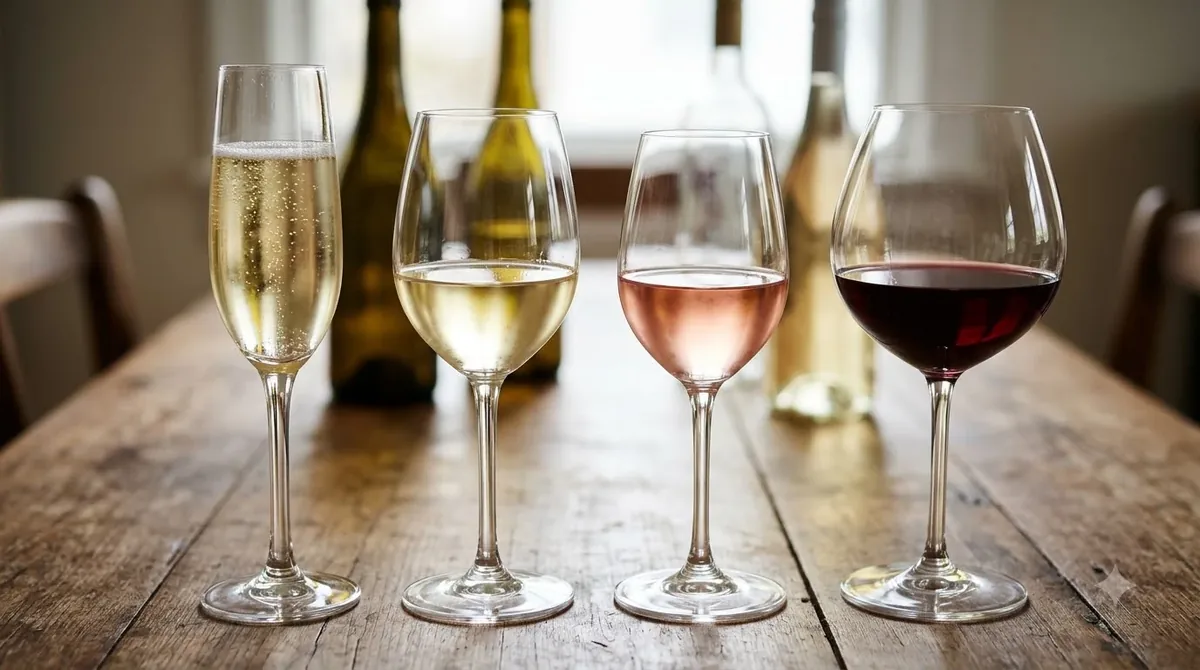
For a home tasting, arrange wines in a logical sequence. Start with dry whites, continue with rosé if available, and finish with red wines. Within the red category, move from lighter-bodied selections toward more tannic and full-bodied bottles.
Use standard tasting pours of approximately 5 ounces when serving wine at a meal, or smaller samples when comparing several wines. A standard 750-milliliter bottle provides approximately five such servings. For a guided tasting, smaller pours make it easier to evaluate several different regional styles.
Food Pairings for Israeli Wines
Israeli food offers many useful pairing opportunities because its culinary traditions include grilled meats, fresh vegetables, herbs, legumes, olive oil, cheeses, and aromatic spices.
Cabernet Sauvignon works well with grilled lamb, beef kebabs, and roasted meats. Its high tannin benefits from protein and fat, which soften the wine’s drying impression. Merlot is a useful alternative for dishes that benefit from a softer red wine, including roasted chicken with herbs and moderately seasoned meat dishes.
Syrah pairs naturally with grilled lamb, beef skewers, and dishes featuring cumin, coriander, or black pepper. Its fuller structure and savory character complement charred flavors. However, very spicy chili-based sauces can make wines with substantial alcohol and tannin seem hotter, so a less tannic wine is usually a better choice for intensely spicy food.
Carignan can accompany grilled vegetables, tomato-based dishes, roasted eggplant, and herb-seasoned meats. Its Mediterranean character makes it a useful match for dishes with olives, garlic, and savory herbs.
For white wines, Sauvignon Blanc is a good partner for lemon-dressed salads, fresh goat cheese, grilled vegetables, and seafood. Its high acidity works particularly well with acidic ingredients such as citrus and vinegar when the wine has equal or higher acidity.
Chardonnay is versatile with roasted chicken, grilled fish, creamy vegetable dishes, and mild cheeses. An unoaked or lightly oaked example is particularly useful with delicate seafood, while a fuller barrel-influenced Chardonnay can accompany richer preparations.
For hummus, falafel, and mezze, consider refreshing whites and rosé rather than automatically selecting a powerful red. Sauvignon Blanc can work with lemon and herbs, while a dry rosé provides flexibility across vegetables, chickpeas, and grilled dishes.
Salt and fat soften the perception of tannin, which can make structured reds more comfortable alongside rich foods. Conversely, oily fish generally clashes with tannic red wines. For salmon or other oily fish, a fresh white or a lighter red with low-to-medium tannin is usually a more suitable choice.
Sweet wines require a separate approach. The wine should be at least as sweet as the dessert. A dry Israeli red served with a very sweet pastry may taste bitter or excessively acidic, while a suitable sweet wine can provide a much more balanced finish.
Serving Temperatures and Tasting Technique
Serving temperature makes a noticeable difference to how Israeli wines express their fruit, acidity, alcohol, and tannin. Full-bodied reds served too warm may seem alcoholic, while very cold reds can appear harder and less aromatic.
Use these practical temperature ranges:
- Light-bodied white wines and rosé: 45–50 F.
- Full-bodied white wines: 50–55 F.
- Light-bodied red wines: 55–60 F.
- Full-bodied red wines: 60–65 F.
- Sweet white wines: 43–50 F.
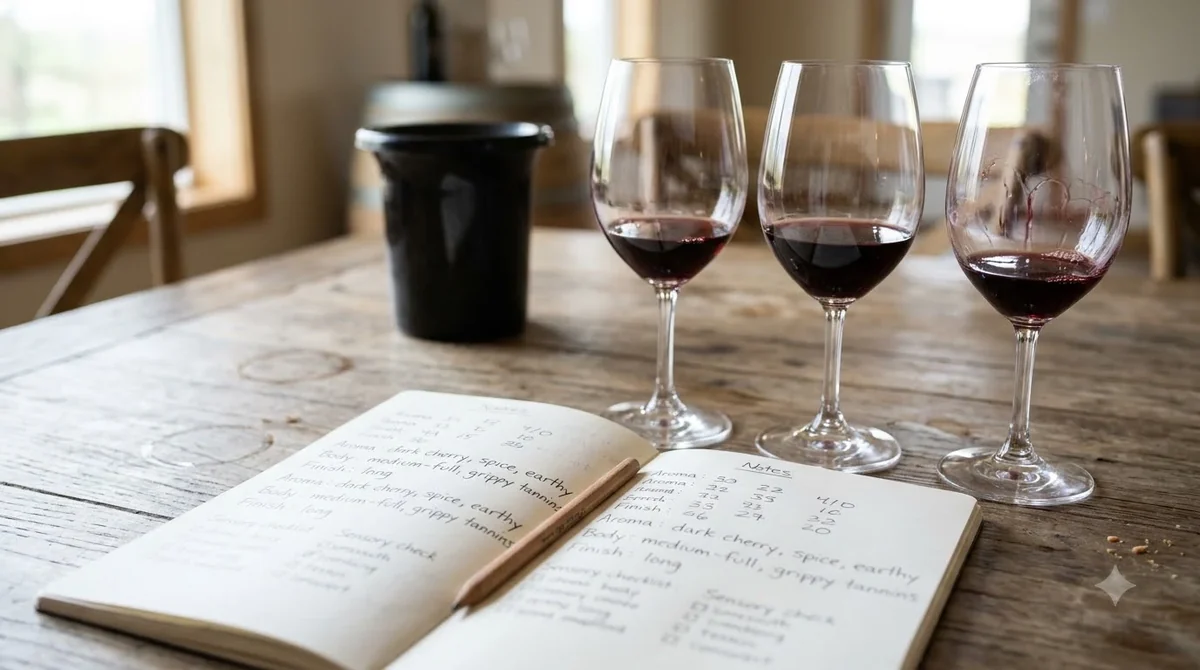
During the tasting, examine the wine’s appearance, aroma, palate, and finish. Look for clarity and color intensity, then smell the wine for fruit, herbs, spices, and oak. On the palate, consider acidity, body, tannin, alcohol, and the length of the finish.
For younger, full-bodied Israeli reds, decanting for approximately 30 to 60 minutes can help open the aromas and soften the initial impression. Older wines require more care because extended exposure to air may reduce their freshness.
Store unopened bottles on their sides in a cool location near 55 F, away from direct sunlight and temperature fluctuations. After opening, refrigerate still wines and generally aim to consume them within three to five days. These simple practices help preserve the qualities that make regional comparisons useful.
Frequently Asked Questions
What is the best Israeli wine region for beginners?
The Golan Heights is a useful starting point because its regional identity is easy to explore through Cabernet Sauvignon, Chardonnay, and Syrah. The Upper Galilee is another excellent introduction, particularly for visitors interested in comparing mountain-grown whites and reds. A tasting that includes wines from both areas provides a clear introduction to northern Israeli wine styles.
Does Israel produce wine from indigenous grape varieties?
Yes. Marawi, also called Hamdani, is an indigenous white grape associated with the Bethlehem and Hebron area. Dabouki and Jandali are other local white varieties. These grapes are particularly interesting for wine enthusiasts who want to explore historical regional varieties rather than focusing exclusively on international grapes.
Are Israeli wines available in the United States?
Yes. Israeli wines are distributed in the United States through wine retailers, specialist importers, and restaurants. Availability varies by state and importer, but American consumers can find examples from producers such as Golan Heights Winery, Recanati, Tzora, and Yatir. Checking the producer and regional information can help identify bottles that suit a particular tasting theme.
When does the Israeli grape harvest take place?
Harvest timing depends on grape variety, elevation, vineyard conditions, and the desired wine style. Israel’s warm growing conditions can bring some grapes to harvest earlier than in cooler European regions. Individual vineyards may harvest different varieties at different times, so a winery’s harvest schedule is more useful than relying on one nationwide date.
Can Israeli wines age in a cellar?
Yes. Some Israeli Cabernet Sauvignon, Syrah, and structured red blends have the tannin, acidity, and concentration needed for bottle development. Age-worthy examples are generally associated with careful vineyard selection and winemaking, although not every Israeli red is intended for long-term cellaring. Storage conditions and the individual wine’s structure are more important than country of origin alone.
Israel wine tasting becomes much more rewarding when each bottle is considered in relation to its grape varieties, growing conditions, and winemaking choices. From the volcanic vineyards of the Golan Heights to the limestone slopes of the Judean Hills and the irrigated vineyards of the Negev, the country’s regional diversity offers plenty to explore. Begin with a few contrasting wines, add suitable Mediterranean food pairings, and use each tasting to discover another part of Israel’s distinctive wine culture.
More in Wine Regions
 Willcox Wine Trail: Discover Arizona’s High-Elevation Wine CountryUpdated Nov 20, 2026
 Yakima Valley Wine Region: Find the Best Styles to TryUpdated Nov 20, 2026
 Vosne Romanee Wine Tasting: Identify Aromas and Choose Better PairingsUpdated Nov 20, 2026
 Yakima Valley Wine Festival: Find the Best Seasonal Wine EventsUpdated Nov 20, 2026
 Wales Vineyards: Discover Cool-Climate Wines and Where to VisitUpdated Nov 20, 2026
 Yountville Wine Festival: Discover Napa Wines and Local FoodUpdated Nov 20, 2026