

We may earn a commission when you buy through links on this page, at no extra cost to you. Learn more.
Is silver oak wine good? Yes, Silver Oak is a respected California wine producer known for polished, fruit-forward Cabernet Sauvignon, distinctive American oak aging, and consistent winemaking. Its wines offer ripe cherry and blackberry flavors, smooth tannins, and recognizable vanilla and spice characteristics. The Napa Valley Cabernet Sauvignon generally delivers a fuller, more structured experience, while the Alexander Valley bottling offers a softer, more approachable style. Silver Oak is particularly appealing to Cabernet drinkers who appreciate mature, oak-influenced wines and want a dependable bottle for special occasions.
Silver Oak has built its reputation around a focused approach to California Cabernet Sauvignon rather than a large collection of unrelated wine styles. Its extended aging program, attention to American oak, and wines from two prominent California appellations give buyers a fairly clear idea of what to expect. However, quality, personal preference, food pairing, and the occasion all matter when deciding whether a bottle deserves a place in your wine collection. This guide explains the differences, strengths, limitations, and practical buying considerations.
Who Should Buy Silver Oak Wine?
Silver Oak is a strong choice for people who enjoy Cabernet Sauvignon with ripe fruit, developed oak character, and smooth, structured tannins. Its wines suit special dinners, celebrations, business gifts, and collectors looking for California Cabernet with an established house style.
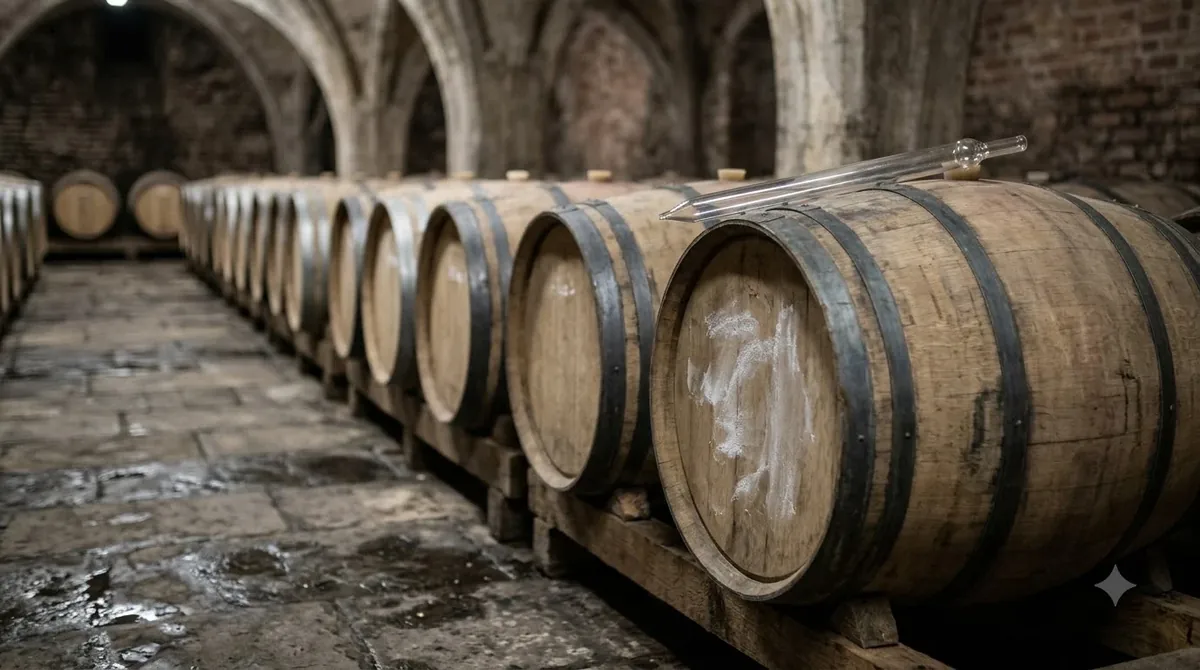
The winery’s focus is relatively straightforward. Founded by Ray Duncan and Justin Meyer in 1972, Silver Oak concentrated on Cabernet Sauvignon and developed a recognizable style built around American oak aging. The winery’s history began in an Oakville dairy barn, and its wines eventually became familiar names on restaurant wine lists. The Duncan family has owned the winery since Justin Meyer sold his share in 2001.
People who enjoy black cherry, cassis, blackberry, vanilla, and baking spice will probably find the house style appealing. These characteristics are especially attractive to drinkers who prefer Cabernet with a ripe fruit profile rather than extremely aggressive tannins or strongly earthy flavors. Silver Oak’s approach also makes its wines relatively accessible compared with young, tightly structured Cabernet Sauvignons that need substantial bottle aging before becoming enjoyable.
However, Silver Oak is not an automatic match for every wine drinker. Its signature use of American oak creates a noticeable stylistic identity. People who prefer restrained oak, lighter-bodied reds, delicate Pinot Noir, or wines dominated by fresh acidity may find its Cabernet too powerful or oak-influenced. Similarly, someone looking for an inexpensive everyday red may not find the winery’s premium positioning appropriate for regular purchases.
Silver Oak is particularly suitable for these occasions:
- Special dinners: Cabernet Sauvignon works well with substantial dishes such as grilled steak, roast beef, and lamb.
- Wine gifts: Its recognizable name and established reputation make it a familiar choice for Cabernet enthusiasts.
- Cellaring: The winery describes its Cabernets as capable of extended aging under appropriate conditions.
- Celebrations: Its mature, polished style can make a bottle suitable for anniversaries, holidays, and milestone events.
- Restaurant dining: Its fruit-forward character and structured profile can complement rich main courses.
For shoppers comparing established producers, the broader Wine Brands category can also help explain how winery reputation, grape variety, and regional identity influence a buying decision.
Key Factors to Compare Before Buying
Silver Oak’s quality is best understood by looking at its grape composition, regional differences, aging practices, and overall drinking style. These factors explain why two bottles from the same producer can offer noticeably different experiences.
| Buying factor | Silver Oak characteristic | What it means for buyers |
|---|---|---|
| Main grape | Cabernet Sauvignon | Structured red wine with pronounced tannins |
| Oak program | 100% American oak | Vanilla, sweet spice, and developed oak character |
| Napa Valley aging | Five years before release | More time for maturation before purchase |
| Alexander Valley aging | Four years before release | Approachable wine with an extended maturation program |
| Typical serving temperature | 60–65°F | Allows fuller-bodied red wine to show its aromas |
| Suggested decanting | 30–60 minutes for young full-bodied reds | Can help the wine open and soften in the glass |
| Standard bottle size | 750 ml | Approximately five 5-ounce servings |
Grape quality and composition
Cabernet Sauvignon provides the foundation of Silver Oak’s signature wines. This grape naturally produces substantial tannin, concentrated dark fruit flavors, and a structure that can support extended aging. Silver Oak also incorporates smaller quantities of other Bordeaux varieties in some bottlings, adding complexity and balance.
For example, the winery lists the 2019 Napa Valley Cabernet Sauvignon as 76.61% Cabernet Sauvignon, 18.13% Merlot, 2.56% Cabernet Franc, 2.32% Petit Verdot, and 0.38% Malbec. This combination illustrates how blending can contribute different dimensions to a Cabernet-based wine. Merlot can soften the structure, Cabernet Franc can contribute aromatic complexity, and Petit Verdot can add color and structure.
The 2019 Alexander Valley Cabernet Sauvignon has a different composition: 95.2% Cabernet Sauvignon, 2.5% Cabernet Franc, 1.9% Merlot, and 0.4% Petit Verdot. Its higher Cabernet Sauvignon proportion provides a useful illustration of why the regional wines should not be treated as identical expressions.
American oak aging
One of Silver Oak’s most important distinguishing features is its exclusive use of American oak for its signature Cabernet Sauvignon. According to the winery’s official story and winemaking overview, it farms 19 estate vineyards and owns a cooperage in Missouri, giving it control over important aspects of barrel selection and production.
American oak can contribute recognizable aromas and flavors, including vanilla, sweet spice, and sometimes dill or coconut-like notes. These characteristics complement the ripe fruit profile of Cabernet Sauvignon. They also give Silver Oak a more recognizable identity than producers relying primarily on French oak or a less pronounced barrel influence.
Oak influence is a matter of preference rather than a universal measure of quality. A buyer who enjoys vanilla and baking spice alongside black fruit may consider the style a major advantage. Someone who prefers a more restrained expression of Cabernet may prefer a producer using less new oak.
Consistency and maturation
Silver Oak’s extended maturation program is another reason its wines have developed a strong following. According to the Napa Valley Vintners Silver Oak winery profile, its historical approach included two years in American oak barrels followed by at least one year of bottle aging. The winery’s current descriptions identify five years before release for Napa Valley Cabernet Sauvignon and four years for Alexander Valley Cabernet Sauvignon.
This additional time allows the wine’s fruit, tannin, and oak components to integrate before consumers open the bottle. It also means buyers do not necessarily need to purchase a young Cabernet and store it for several years before enjoying it. The winery describes its wines as ready to drink upon release, although individual bottles can continue developing in suitable storage.
Step-by-Step: How to Choose the Right Silver Oak Bottle
Choosing Silver Oak becomes easier when the decision starts with the occasion and preferred wine style rather than the label alone. The following five steps help distinguish between the two main Cabernet Sauvignon expressions and select a bottle that matches the meal.
-
Decide how much structure you enjoy.
Cabernet Sauvignon is naturally high in tannin, which produces a drying sensation along the gums and cheeks. If you enjoy a fuller, more structured red, begin with Napa Valley Cabernet Sauvignon. If you prefer a softer and more approachable style, consider Alexander Valley.
-
Choose the regional expression.
Napa Valley Cabernet Sauvignon generally emphasizes depth, structure, and concentrated fruit. Alexander Valley offers a more approachable expression, with red and black fruit, freshness, and smooth texture. These are useful starting points for choosing between the labels.
-
Compare the vintage descriptions.
Look for tasting information about black cherry, blackberry, cassis, vanilla, and spice. For example, Silver Oak’s 2019 Napa Valley description highlights black cherry and floral notes, while its 2019 Alexander Valley description emphasizes red cherry, raspberry, blackberry, iris, vanilla, and clove.
-
Match the wine to the meal.
For grilled ribeye, roasted lamb, or beef tenderloin, the structure of Cabernet Sauvignon makes a natural match. For a meal featuring lighter poultry or vegetable dishes, consider whether a less tannic wine would provide a better balance.
-
Consider when you plan to drink it.
Silver Oak’s extended aging program means its releases have already received substantial maturation. A bottle intended for immediate enjoyment does not necessarily need years of additional cellaring. For a long-term collection, consider the vintage, storage conditions, and the winery’s published drinking-window guidance.
Tip: If buying Silver Oak for someone whose Cabernet preferences are unknown, Alexander Valley is a useful starting point because of its approachable fruit-forward character. Choose Napa Valley when the recipient particularly enjoys fuller-bodied, structured California Cabernet Sauvignon.
Another practical consideration is bottle presentation. A standard 750 ml bottle provides approximately five 5-ounce servings, making it suitable for a dinner with several guests. For a larger gathering, plan the number of bottles around the food menu and the number of people drinking wine rather than assuming that one bottle will serve everyone generously.
Types and Styles of Silver Oak Wine Explained
Silver Oak’s two principal Cabernet Sauvignon expressions come from Napa Valley and Alexander Valley. Both reflect the producer’s American oak philosophy, but regional differences influence their fruit character, structure, and overall personality.

Napa Valley Cabernet Sauvignon
Silver Oak Napa Valley Cabernet Sauvignon is generally the more substantial choice for buyers who enjoy depth, structure, and concentrated dark fruit. The 2019 vintage provides a useful example: the winery describes black cherry aromas, floral notes, a fruit-forward entry, and silky tannins. Its published blend contains more than three-quarters Cabernet Sauvignon, supported by four additional Bordeaux varieties.
The 2018 Napa Valley bottling offers another example of the regional style. Its tasting description identifies strawberry, fresh carnation, black pepper, vanilla, and blackberry. The wine develops across the mid-palate, with integrated tannins and a balanced finish. These characteristics make Napa Valley an appealing choice for drinkers who want a substantial red with both fruit and developed oak notes.
It is particularly suitable for grilled beef, prime rib, braised short ribs, and lamb. The wine’s tannin structure works well with the protein and fat in these dishes. Salt and fat also soften the perception of tannin, helping the combination feel more balanced.
Alexander Valley Cabernet Sauvignon
Silver Oak Alexander Valley Cabernet Sauvignon offers a softer, fruit-forward alternative. The 2019 bottling features red cherry, raspberry, blackberry, iris, vanilla, and clove. The winery also describes its acidity and mid-palate lift, which help keep the wine lively despite its substantial Cabernet Sauvignon foundation.
The 2018 Alexander Valley vintage provides a slightly different aromatic profile, featuring cassis, caramel, juniper, and pomegranate. Its juicy fruit core and silky mouthfeel illustrate why this expression appeals to people who enjoy Cabernet but prefer a less forceful experience.
Alexander Valley is a particularly good option for roast beef, grilled pork, mushroom dishes, and moderately rich pasta. Its fruit-forward profile can also work with herb-seasoned lamb and dishes featuring roasted vegetables. It remains a full-bodied red wine, so it should not be confused with a light-bodied red such as Pinot Noir.
Understanding the regional difference
Neither expression is automatically superior. Napa Valley is a sensible choice for someone seeking a fuller, more structured Cabernet, while Alexander Valley is an attractive option for drinkers who prioritize smooth texture and approachable fruit.
The difference is also useful when comparing Silver Oak with other California producers. Some wineries emphasize intense extraction, firm tannins, and powerful oak, while others focus on freshness and restrained barrel influence. Silver Oak occupies a recognizable position built around mature, polished Cabernet Sauvignon with an identifiable American oak character.
For a closer look at the producer’s signature regional selection, see our guide to Silver Oak Cabernet. Readers comparing different expressions can also explore Silver Oak red wine to understand the broader red-wine category.
Common Mistakes When Buying Silver Oak
Silver Oak has an established reputation, but buying based on brand recognition alone can lead to disappointment. Understanding the producer’s style and the differences between its regional wines helps prevent common purchasing mistakes.
Assuming every bottle tastes the same
The Napa Valley and Alexander Valley Cabernet Sauvignons share a recognizable house identity, but they are not interchangeable. Their blends, fruit profiles, and regional expressions differ. A person who prefers the freshness and red-fruit character of Alexander Valley may not automatically prefer the more structured Napa Valley bottling.
Vintage differences also matter. Weather conditions during the growing season influence ripeness, acidity, tannin development, and aromatic expression. The 2018 and 2019 tasting descriptions demonstrate that even consecutive vintages can present different combinations of fruit, spice, and texture.
Expecting a light-bodied red
Cabernet Sauvignon is a naturally substantial grape variety. Its tannins and fuller body make it suitable for hearty meals, but less appropriate for delicate dishes where the wine might overwhelm the food.
For example, pairing Silver Oak Cabernet with grilled ribeye is generally more successful than serving it with delicate white fish. Oily fish can also clash with tannic red wine, creating an unpleasant metallic impression. For seafood, a fresh white wine with sufficient acidity is usually a more suitable direction.
Serving the wine too warm
Many people serve red wine at ordinary room temperature, but a warm indoor environment can make a full-bodied Cabernet seem heavy and emphasize its alcohol. A serving temperature of 60–65°F is a better target for Silver Oak Cabernet Sauvignon.
If the bottle has been stored in a warm room, placing it in the refrigerator briefly can help bring the temperature down. Avoid serving it excessively cold, since low temperatures can suppress the wine’s aromas and make tannins feel more prominent.
Ignoring personal oak preferences
American oak is a defining part of Silver Oak’s identity. It contributes vanilla and spice characteristics that some drinkers find attractive and others find too prominent. Buyers who usually choose unoaked or lightly oaked reds should consider this distinction before purchasing a bottle for a special occasion.
Assuming expensive automatically means better
Reputation and production quality do not guarantee that every bottle will suit every palate. A well-made Cabernet can still be the wrong choice for someone who prefers crisp white wines, lighter reds, or wines with minimal oak influence. The best purchase is one that matches the drinker’s preferences and the intended meal.
Care, Serving, and Storage Tips
Proper handling helps preserve Silver Oak’s aromas, structure, and balance. Serving temperature, decanting, glassware, and storage conditions all influence how the wine performs after opening.
Serve at the right temperature
For Silver Oak’s full-bodied Cabernet Sauvignon, aim for 60–65°F. This temperature range allows the wine’s fruit, vanilla, and spice aromas to emerge without making the alcohol seem overly prominent. If a bottle has been kept at room temperature in a warm home, a short period of refrigeration can help prepare it for serving.
Decant young Cabernet Sauvignon
A young full-bodied Cabernet can benefit from approximately 30–60 minutes in a decanter. Exposure to air can help the wine open, making its fruit and oak aromas easier to recognize. It can also help soften the impression of firm tannins.
Older bottles require more care. Mature Cabernet Sauvignon may contain sediment, and excessive aeration can cause delicate developed aromas to fade. For an older vintage, decant slowly and separate the clear wine from any sediment near the shoulder of the bottle.
Use suitable glassware
A large-bowled red wine glass gives Cabernet Sauvignon room to release its aromas. The broader bowl also makes it easier to swirl the wine and examine its color. Fill the glass to approximately 5 ounces rather than filling it to the rim.
This serving size allows sufficient room for swirling and provides a useful reference for calculating how many glasses a bottle will supply. A 750 ml bottle contains approximately five standard 5-ounce pours.
Store unopened bottles correctly
Store Silver Oak bottles away from direct sunlight, heat, and large temperature fluctuations. A cool, dark location near 55°F is a useful target. Bottles sealed with natural cork should generally be stored horizontally to help keep the cork from drying out.
Long-term storage conditions matter particularly for buyers planning to keep Cabernet for several years. A consistently cool cellar is preferable to a kitchen cabinet, garage, or display shelf exposed to sunlight and changing temperatures.
Preserve opened bottles
After opening, reseal the bottle and place it in the refrigerator. Most opened still wines remain enjoyable for approximately three to five days, depending on the wine, oxygen exposure, and storage conditions.
Before serving again, allow the Cabernet to warm slightly from refrigerator temperature. This helps restore its aromatic expression. If the wine smells noticeably like vinegar or has developed unpleasant stale aromas, its quality may have deteriorated.
Choose food pairings carefully
Silver Oak Cabernet Sauvignon pairs especially well with food containing protein, fat, and savory flavors. Grilled steak, beef short ribs, roast lamb, and aged hard cheeses are natural options. The fat and salt in these foods help soften the perception of Cabernet’s tannins.
Rich mushroom dishes can also work well, particularly when prepared with herbs, butter, or roasted garlic. Avoid pairing highly tannic red wine with extremely spicy food because alcohol and tannin can intensify chili heat. For sweet dishes, a wine should generally be at least as sweet as the dessert, making Cabernet a poor match for most sugary desserts.
Frequently Asked Questions
Is Silver Oak considered a luxury wine brand?
Silver Oak is positioned as a premium California wine producer with an established presence in the American Cabernet Sauvignon market. Its long maturation program, estate vineyard investments, and dedicated cooperage contribute to its premium identity. Its wines are commonly associated with celebratory dining and wine collecting.
Who makes Silver Oak wine?
Silver Oak is operated by the Duncan family, with David and Tim Duncan representing the second generation. The winery’s ownership history began with Ray Duncan and Justin Meyer in 1972. Justin Meyer sold his share to the Duncan family in 2001.
Does Silver Oak make wine other than Cabernet Sauvignon?
Although Cabernet Sauvignon defines the brand, Silver Oak also offers Sauvignon Blanc through its wine portfolio. The winery’s signature identity and long-established reputation, however, remain closely connected to its Napa Valley and Alexander Valley Cabernet Sauvignon bottlings.
Does Silver Oak use French oak barrels?
Silver Oak’s signature Cabernet Sauvignon program uses American oak exclusively. The winery’s cooperage in Missouri gives it involvement in sourcing and preparing the oak used for its barrels. This choice is central to the producer’s recognizable vanilla, sweet spice, and oak-influenced character.
How many glasses can you pour from a magnum of Silver Oak?
A standard magnum contains 1.5 liters, equivalent to two standard 750 ml bottles. At a conventional 5-ounce serving size, it provides approximately ten glasses. This format can be convenient for dinner parties because a larger bottle may also mature differently from an equivalent quantity divided between two smaller bottles.
Silver Oak is a good choice for Cabernet Sauvignon enthusiasts who appreciate ripe fruit, smooth structure, and distinctive American oak influence. Its Napa Valley and Alexander Valley bottlings offer different expressions, allowing buyers to select a wine that suits their preferences and occasion. For someone seeking an established California Cabernet with an extended aging program and a recognizable house style, Silver Oak deserves serious consideration.
More in Wine Brands
 Louis Latour Wine Price: Compare Bottles by Style and TierUpdated Nov 20, 2026
 Yellow Tail Moscato Price: What to Expect Before You BuyUpdated Nov 20, 2026
 Sutter Home Sweet Red Review: Find the Right Food PairingsUpdated Nov 20, 2026
 Franzia Chillable Red Review: Find the Right Serving StyleUpdated Nov 20, 2026
 Veuve Clicquot Rose Review: Flavor, Food Pairings and Buying AdviceUpdated Nov 20, 2026
 Rombauer Wine Price: Compare Bottles Before You BuyUpdated Nov 20, 2026