

We may earn a commission when you buy through links on this page, at no extra cost to you. Learn more.
Is rombauer chardonnay good? Yes, Rombauer Chardonnay is a very good California white wine, particularly for drinkers who enjoy ripe fruit, creamy texture, buttery nuances, and noticeable oak. Its Carneros Chardonnay combines peach, melon, citrus, vanilla, and barrel-derived spice with refreshing acidity. It is not the right choice for everyone, especially people who prefer lean, mineral-driven, unoaked whites, but its balance of richness and freshness makes it a compelling option for fans of full-bodied Chardonnay.
Rombauer has become a recognizable name among American Chardonnay drinkers because its wines deliver a distinctive combination of generous fruit, creamy mouthfeel, and oak influence. The important question is not simply whether the wine is good, but whether its particular style matches your preferences. Understanding its flavor, production methods, alcohol level, food compatibility, and serving requirements will help you decide whether a bottle belongs on your table.
Who Should Buy Rombauer Chardonnay?
Rombauer Chardonnay is best suited to people who enjoy full-bodied white wines with ripe orchard fruit, a rounded texture, and recognizable oak character. Its Carneros Chardonnay is particularly appealing if you like California Chardonnay with peach, melon, vanilla, and a creamy finish rather than a sharply acidic, restrained style.
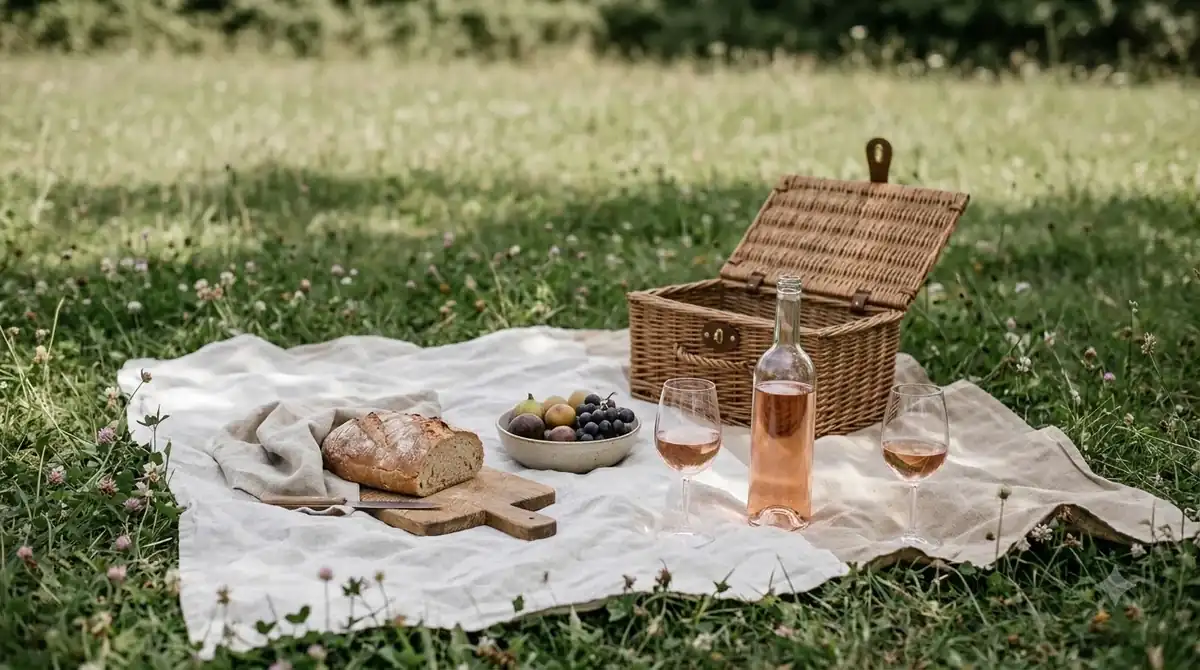
There are several reasons this wine appeals to a broad audience. First, its fruit profile is immediately recognizable. Yellow peach, ripe melon, and citrus create a generous aromatic impression without requiring extensive wine knowledge to appreciate. Second, the creamy midpalate and vanilla nuances provide the richer character many Chardonnay enthusiasts actively seek. Third, bright acidity helps prevent the wine from feeling completely heavy.
It is also a sensible choice for someone who wants a recognizable bottle for a dinner party. Chardonnay is familiar to many American wine drinkers, and Rombauer offers a clearly defined style that can work with roasted poultry, creamy pasta, seafood with butter-based sauces, and richer vegetable dishes.
However, the wine’s richness is also its main limitation. Someone who usually drinks Chablis, unoaked Chardonnay, Albariño, or high-acid Sauvignon Blanc might find Rombauer too generous in texture and oak influence. The 14.6% ABV listed for the 2024 Carneros bottling also makes it a relatively substantial white wine rather than a particularly light option.
How to recognize a good match
- Choose it if: You enjoy buttery Chardonnay, ripe peach, vanilla, oak, and a full-bodied palate.
- Consider another style if: You prefer green apple, restrained fruit, pronounced minerality, and little or no oak.
- Choose it for food if: Your meal includes roast chicken, lobster with butter, creamy risotto, or grilled corn.
- Think twice if: You want a very light white wine for spicy food or delicate raw seafood.
The distinction is especially useful for people exploring the broader Wine Brands category. A producer’s reputation does not mean every bottle will suit every palate. The most satisfying purchase is one that matches the style you actually enjoy.
Key Factors to Compare Before Buying
Four characteristics explain most of Rombauer Chardonnay’s appeal: fruit intensity, oak influence, creamy texture, and acidity. Looking at these elements together gives a more useful assessment than relying on the word buttery alone.
| Factor | Rombauer Carneros Chardonnay | What It Means for You |
|---|---|---|
| Grape composition | 100% Chardonnay | A varietal white wine rather than a blended white |
| Alcohol | 14.6% ABV for 2024 | A relatively full-bodied wine |
| Oak aging | 9 months | Contributes vanilla, spice, and texture |
| New oak | 33% of barrels | Provides noticeable but moderated oak influence |
| Oak types | American and French | Combines different oak-derived aromatic characteristics |
| Standard bottle | 750 ml | Approximately 5 standard 5-ounce pours |
| Other bottle sizes | 375 ml and 1.5 liters | Options for smaller or larger gatherings |
| Serving temperature | 50–55°F | Allows a full-bodied white to show its aromas and texture |
The production details are particularly revealing. According to Rombauer’s official Chardonnay information, the 2024 Carneros bottling spends nine months in American and French oak barrels, with 33% new oak. This is a meaningful oak program, but it does not mean that the entire wine tastes exclusively of wood. Ripe fruit, acidity, and barrel influence work together to create its recognizable profile. The producer’s official Carneros Chardonnay description and technical details provide additional information about its composition and production.
Professional assessments also support its quality. Wine Enthusiast awarded the 2024 Carneros Chardonnay 91 points, placing it in the publication’s 90–93 Excellent and Highly Recommended category. Its tasting description highlights roasted apple, buttered popcorn, candied lemon, quince, crystallized ginger, and ripe nectarine.
Decanter awarded the same vintage 93 points, emphasizing yellow stone fruit, Meyer lemon, mango, vanilla, oak spice, and bright acidity. These assessments suggest that the wine’s richness does not necessarily come at the expense of freshness or balance.
For another useful reference, the producer’s Rombauer Chardonnay tasting notes can help you understand the relationship between its fruit aromas, creamy texture, and oak-derived flavors before selecting a bottle.
Tip: Do not judge Rombauer solely by whether you detect butter. Look for the combination of ripe fruit, vanilla, acidity, and texture. A well-balanced Chardonnay should have more to offer than a single prominent flavor.
Step-by-Step: How to Choose the Right Bottle
Choosing Rombauer Chardonnay becomes easier when you start with your preferred wine style and work through the bottle size, vintage, and occasion. These five steps help prevent a mismatch between what you expect and what the wine actually delivers.
-
Decide whether you enjoy full-bodied Chardonnay.
Think about previous bottles you have enjoyed. If you like creamy California Chardonnay with peach, vanilla, and oak, Rombauer is a promising option. If you usually choose crisp, unoaked whites, its style may feel too rich.
-
Choose the appropriate Rombauer Chardonnay expression.
The Carneros bottling is the recognizable starting point. The producer also offers Proprietor Selection, Buchli Station, and Home Ranch Chardonnay. Buchli Station is described as particularly focused, with Meyer lemon, lychee, ginger, and mouthwatering acidity. Home Ranch emphasizes ripe peach, pineapple, and a plush peaches-and-cream profile.
-
Consider the vintage.
Different harvests can produce different expressions of fruit, acidity, and texture. For example, Decanter described the 2024 Carneros Chardonnay as initially tightly coiled, with the potential to develop a richer, more tropical character over several months. A tasting description for one vintage should not automatically be treated as an exact prediction for every other vintage.
-
Select a bottle size.
The standard 750 ml bottle provides approximately five 5-ounce servings. A 375 ml half bottle provides roughly two and a half servings, while a 1.5-liter magnum provides approximately ten. Smaller formats are useful when you want to explore the wine without committing to a full bottle.
-
Match the wine with your occasion.
For a dinner featuring roast chicken or creamy pasta, Rombauer is a natural candidate. For an outdoor lunch with delicate salads or raw oysters, a lighter and more restrained white may be more appropriate. Think about the food and the guests’ preferences before making the final choice.
One additional consideration is alcohol content. The producer lists 14.6% ABV for the 2024 Carneros Chardonnay, while other vintages can differ. If this specification matters to your purchase decision, compare the information for the exact vintage you are considering. More information is available in this explanation of Rombauer Chardonnay alcohol content.
Types and Styles of Rombauer Chardonnay Explained
Rombauer produces several Chardonnay expressions rather than relying on one identical style across every vineyard and bottling. Although they share the Chardonnay grape and the producer’s interest in rich texture, their individual fruit profiles and levels of concentration provide different experiences.
Carneros Chardonnay
Carneros is the most useful starting point for understanding the familiar Rombauer style. The producer describes yellow peach, ripe melon, citrus, creamy vanilla, and buttery nuances, supported by bright acidity. The 2024 bottling is made from 100% Chardonnay and undergoes nine months of aging in American and French oak barrels.
This is the expression to consider if you want the recognizable combination of ripe fruit, creamy texture, and oak. It is also the most straightforward choice for someone buying Rombauer for the first time.
Proprietor Selection Chardonnay
Proprietor Selection presents a more concentrated expression in the winery’s description. Melon, white peach, lemon, and pronounced stone fruit are accompanied by a creamy, full mouthfeel and a long finish.
Consider this bottling if you already enjoy the standard Carneros Chardonnay and want to explore another expression from the same producer. Its richer presentation makes it particularly interesting alongside substantial seafood dishes and roasted poultry.
Buchli Station Chardonnay
Buchli Station takes a more focused direction. Rombauer describes aromas of candied ginger, lychee, and Meyer lemon, with citrus flavors and distinctive salinity associated with the vineyard’s terroir.
Its mouthwatering acidity and focused finish make it an interesting choice for someone who appreciates the Rombauer approach but wants a Chardonnay with a more citrus-driven profile. It can be a useful alternative when a conventional buttery Chardonnay feels too rich.
Home Ranch Chardonnay
Home Ranch is described as luxurious and plush, with ripe yellow peach, subtle straw, pineapple, and vanilla. The winery highlights a peaches-and-cream character supported by lively acidity.
This is an appealing direction for people who want a generous white wine with a soft, rounded palate. It can complement roasted chicken, lobster, and creamy vegetable dishes, particularly when the food has enough richness to match the wine.
Joy Late Harvest Chardonnay
Joy is a different proposition from the dry Chardonnay expressions. Rombauer describes this late-harvest bottling as a Sauternes-style dessert wine, with vanilla, peach, and honey characteristics.
It is intended for dessert-oriented occasions rather than as a direct substitute for standard Carneros Chardonnay. Serve it with a suitable dessert or enjoy a small pour on its own. For successful pairing, remember that the wine should generally be at least as sweet as the dessert.
The important distinction is that Rombauer Chardonnay is not one uniform flavor profile. Someone who finds the standard bottling too rich might prefer the more focused citrus character of Buchli Station, while a drinker who enjoys particularly generous fruit may appreciate Home Ranch.
Common Mistakes When Buying or Drinking Rombauer
Most disappointments with Rombauer Chardonnay come from expecting a different style rather than from a fundamental quality problem. Understanding its oak treatment, alcohol, fruit character, and serving temperature helps avoid the most common mistakes.
1. Assuming buttery means sweet
Buttery Chardonnay is not automatically sweet wine. Butter-like sensations can come from winemaking choices, including malolactic conversion and oak maturation. These processes influence texture and aroma without necessarily leaving significant residual sugar.
Rombauer specifically explains that malolactic conversion changes malic acid, which has a sharper apple-like character, into lactic acid, which produces a softer impression. The resulting creaminess can remind drinkers of butter or dairy even when the wine is dry.
2. Expecting an unoaked Chardonnay
Rombauer explicitly uses oak barrels for its Chardonnay. Its combination of French and American oak contributes to the wine’s aromatic and textural character. Anyone looking for a clean, stainless-steel-driven Chardonnay should choose another style instead of expecting this bottling to taste neutral.
3. Confusing fruit richness with high sweetness
Ripe peach, melon, mango, and vanilla can create an impression of sweetness even in a dry wine. This is an important distinction for people who enjoy aromatic white wines but do not want an actual dessert-style beverage.
Consider the difference between the standard Carneros Chardonnay and Joy Late Harvest Chardonnay. They are both Chardonnay-based wines, but their intended drinking occasions and sweetness profiles are different.
4. Serving it too cold
Extremely cold temperatures can mute aromas and make the wine seem less expressive. Full-bodied white wines generally show better at approximately 50–55°F than at refrigerator temperatures close to freezing.
Allowing the wine to warm slightly in the glass can reveal more peach, citrus, vanilla, and oak spice. This is particularly useful if the first pour seems less aromatic than expected.
5. Pairing it with food that is too delicate
A rich Chardonnay can overwhelm very delicate dishes. For example, a simple preparation of raw white fish may be better served by a lighter, more acidic wine. Rombauer is more naturally suited to fish with butter sauce, grilled seafood, roast chicken, and creamy dishes.
Another common mistake is pairing a high-alcohol, full-bodied white with extremely spicy food. Alcohol can intensify chili heat, making the combination less comfortable. A cooler, lower-alcohol wine may be a better choice for dishes dominated by hot peppers.
Serving, Care and Storage Tips
Rombauer Chardonnay benefits from thoughtful serving because temperature has a substantial effect on its aromas and texture. A few straightforward steps help preserve the wine’s fruit, maintain freshness, and make each glass more enjoyable.
Serve at 50–55°F
Full-bodied white wines are generally best served between 50°F and 55°F. This temperature range gives the wine enough chill to remain refreshing while allowing its richer aromatic components to emerge.
If the bottle has been refrigerated for several hours, let it stand briefly before pouring. Avoid serving it extremely cold straight from the refrigerator if you want to appreciate its complete aromatic profile.
Use an appropriate glass
A medium-to-large white wine glass with a reasonably wide bowl is a practical choice. The extra space allows aromas of peach, melon, vanilla, and citrus to collect above the wine while providing room to swirl.
A standard 5-ounce pour is sufficient for evaluating the wine’s aroma, acidity, and finish. You can always pour another serving without filling the glass to the rim.
Store unopened bottles correctly
For longer storage, keep bottles in a cool, dark location near 55°F, away from direct sunlight, temperature fluctuations, and strong vibrations. Bottles sealed with natural cork should generally be stored on their sides to keep the cork from drying out.
Although Rombauer Chardonnay can be enjoyed without extensive aging, proper storage is still important. Avoid leaving the bottle in a hot car, beside an oven, or on a sunny kitchen counter.
Preserve opened wine
Once opened, reseal the bottle securely and place it in the refrigerator. Most still wines remain enjoyable for approximately three to five days after opening, although the exact period depends on exposure to oxygen and the wine’s condition.
Take the bottle out briefly before serving again so it can approach the recommended 50–55°F range. If the wine develops noticeably stale aromas, loses its fresh fruit character, or tastes unpleasantly oxidized, it is past its best drinking condition.
Make the most of food pairings
Rombauer Chardonnay’s richness makes it especially versatile with dishes that contain butter, cream, or roasted flavors. Consider these combinations:
- Roast chicken: The savory meat and browned skin complement the wine’s creamy texture and ripe fruit.
- Lobster with butter: The richness of the sauce matches the wine’s weight and vanilla notes.
- Grilled salmon: The fish’s substantial texture works better with full-bodied Chardonnay than with a very delicate white.
- Mushroom risotto: Earthy mushroom flavors and creamy rice complement the rounded palate.
- Roasted corn: The natural sweetness and browned edges work with the wine’s ripe fruit profile.
- Roasted butternut squash: Its sweet, savory character pairs well with peach and vanilla notes.
Food preparation matters just as much as the main ingredient. A grilled fish with lemon butter is a more natural match than the same fish served with a very delicate, uncooked citrus dressing. Similarly, rich pasta sauces generally work better than extremely acidic tomato preparations.
Frequently Asked Questions
Is Rombauer Chardonnay considered a luxury wine?
Rombauer is generally positioned as a premium California Chardonnay rather than an everyday entry-level white. Its vineyard-specific expressions, oak program, and professional recognition support that positioning. Whether it feels luxurious enough depends on your expectations and the occasion.
Does Rombauer Chardonnay contain malolactic fermentation products?
Malolactic conversion is a winemaking process rather than an ingredient added to the finished wine. It transforms malic acid into lactic acid through bacterial activity. Rombauer identifies this conversion as a contributor to the creamy character of its Chardonnay.
Can Rombauer Chardonnay be used in cooking?
Yes, a dry Chardonnay can be used in dishes such as cream sauces, mushroom risotto, and pan sauces for chicken. Its richer fruit and oak character can contribute depth to a recipe. Use a wine whose flavor you would also enjoy drinking rather than relying on cooking to disguise an unpleasant bottle.
Does Rombauer Chardonnay need to breathe after opening?
It does not require extensive decanting in the way some young, structured red wines can. However, giving the wine approximately 10–15 minutes in a glass can help its aromas become more expressive. Swirling gently is usually sufficient to release additional fruit and oak notes.
Is Rombauer Chardonnay suitable for a wine gift?
It can make a good gift for someone who already enjoys California Chardonnay, especially wines with creamy texture and noticeable oak. A 750 ml bottle is a practical format for a dinner invitation, while a 1.5-liter magnum is more suitable for a larger celebration. For someone whose preferences are unknown, a less stylistically assertive white wine may be a safer choice.
Overall, Rombauer Chardonnay is a strong choice if you appreciate ripe California fruit, oak influence, creamy texture, and enough acidity to keep a full-bodied white interesting. Its Carneros bottling is the natural starting point, while Proprietor Selection, Buchli Station, and Home Ranch provide additional styles to explore. If buttery, generous Chardonnay is what you enjoy, Rombauer deserves a place on your shortlist; if you prefer lean, unoaked whites, another expression of Chardonnay will probably make you happier.
More in Wine Brands
 Louis Latour Wine Price: Compare Bottles by Style and TierUpdated Nov 20, 2026
 Yellow Tail Moscato Price: What to Expect Before You BuyUpdated Nov 20, 2026
 Sutter Home Sweet Red Review: Find the Right Food PairingsUpdated Nov 20, 2026
 Franzia Chillable Red Review: Find the Right Serving StyleUpdated Nov 20, 2026
 Veuve Clicquot Rose Review: Flavor, Food Pairings and Buying AdviceUpdated Nov 20, 2026
 Rombauer Wine Price: Compare Bottles Before You BuyUpdated Nov 20, 2026