

We may earn a commission when you buy through links on this page, at no extra cost to you. Learn more.
Whether is riesling keto friendly depends entirely on the bottle’s sweetness level, as bone-dry styles contain roughly 1 to 1.5 grams of carbs per 5-ounce glass while sweet styles pack 7 grams or more. Because Riesling spans a wider spectrum of residual sugar than almost any other white grape, blanket rules about avoiding it miss the point. Choosing dry bottles labeled “Trocken” or checking alcohol by volume allows you to fit this aromatic white into a low-carb daily budget without guesswork.
Most people assume every bottle of Riesling tastes like liquid candy, which is why it frequently ends up on forbidden lists for low-carb eaters. That reputation comes from the sweet, low-alcohol bottles that dominated American grocery shelves decades ago, not from the grape itself. Understanding how fermentation, label terms, and alcohol levels interact makes it easy to separate crisp, carb-friendly bottles from dessert pours.
What Is Riesling and Why Do Carbs Vary So Much?
Riesling is an aromatic white wine grape originally from Germany’s Rhine region that produces wines ranging from razor-sharp and bone-dry to syrupy sweet. The carb count in your glass comes directly from residual sugar, which is the natural grape juice sugar left unfermented after yeast finishes working.
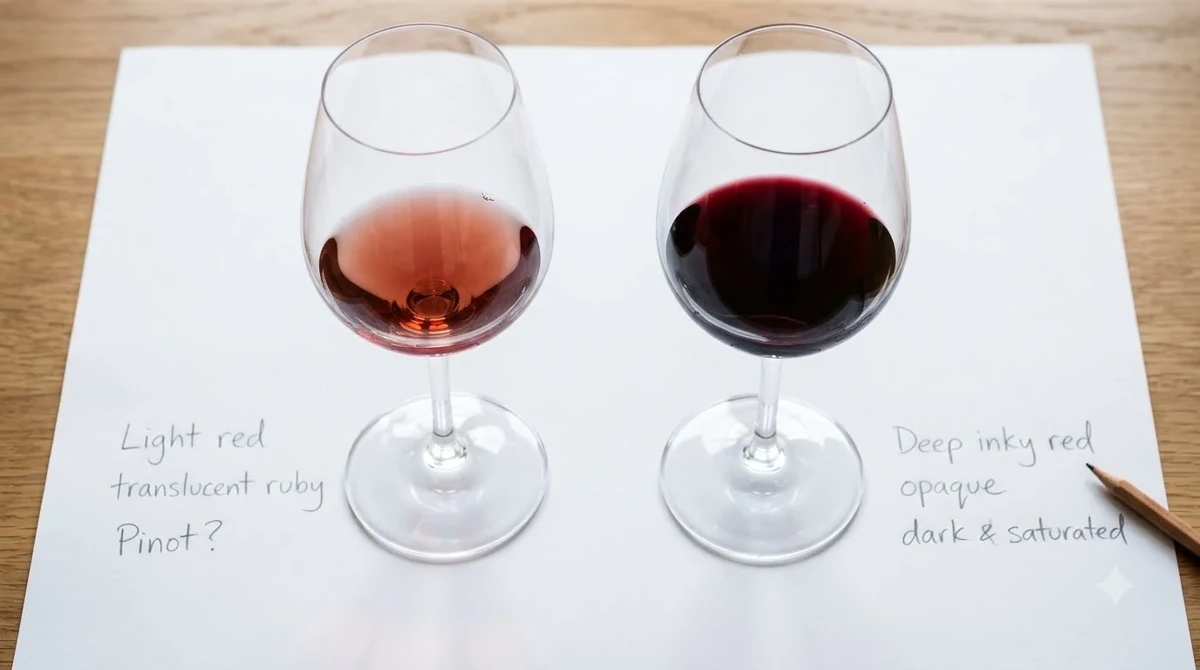
During fermentation, yeast consumes grape sugars and converts them into ethanol and carbon dioxide. If the winemaker lets the yeast eat virtually all available sugar, the finished wine is dry and contains minimal carbohydrates. According to Wine Folly’s guide to keto wines, you can calculate exact carbohydrates by multiplying residual sugar in grams per liter by 0.15 for a standard 150-milliliter (about 5-ounce) pour.
Winemakers working with Riesling often halt fermentation early by chilling the tank or filtering out yeast. They do this because Riesling carries naturally bracing acidity, and leaving a touch of sugar behind softens that tart edge into a balanced, crowd-pleasing texture. As a result, two bottles of Riesling sitting side by side on a shelf can have drastically different nutritional profiles even though both come from the exact same grape variety.
When a wine has less than 4 grams per liter of residual sugar, a 5-ounce glass holds well under 1 gram of carbohydrates. Even European dry Rieslings that reach the legal ceiling of 9 grams per liter—permitted when total acidity is sufficiently high—still land around 1.35 grams of carbs per serving. Once you step into off-dry or late-harvest territory, however, residual sugar climbs rapidly and can consume a large share of a 20-to-30-gram daily carb allowance in a single glass.
Riesling Sweetness Levels and Carb Counts
Riesling is categorized into distinct sweetness tiers based on how much residual sugar remains in the bottle after fermentation. Knowing where a bottle falls on this spectrum tells you immediately whether it fits a ketogenic macro target or belongs on the skip list.
| Riesling Style or Label Term | Residual Sugar (g/L) | Typical ABV | Estimated Carbs (5 oz / 150 ml) | Keto Suitability |
|---|---|---|---|---|
| Trocken / Bone-Dry | Up to 9 g/L (often under 4 g/L) | 12% – 13.5% | 0.6 – 1.4 g | Best fit |
| Halbtrocken / Feinherb (Off-Dry) | 9 – 18 g/L | 10.5% – 12.5% | 1.4 – 2.7 g | Moderate fit |
| Kabinett (Traditional Off-Dry) | 18 – 45 g/L | 7.5% – 9.5% | 2.7 – 6.8 g | Caution (small pour) |
| Spätlese (Late Harvest) | 45 – 90 g/L | 7.5% – 9% | 6.8 – 13.5 g | Avoid on strict keto |
| Auslese / Eiswein (Dessert) | 90 – 260+ g/L | 6% – 8.5% | 13.5 – 39+ g | Not keto friendly |
Dry Riesling, often labeled Trocken in Germany and Austria, sits comfortably alongside classics like is pinot grigio keto friendly and is chardonnay keto friendly in terms of low carb impact. Reviewers at Wine Folly highlight specific dry examples like Dr. Loosen’s Ürziger Würzgarten Dry Riesling at roughly 1 gram of carbs and 105 calories per 5-ounce serving. Because dry Riesling relies on crisp acidity and mineral character rather than sugar for flavor, it delivers plenty of sensory complexity without spiking carbohydrate intake.
Off-dry styles labeled Halbtrocken or Feinherb sit in a middle ground that still works for many low-carb drinkers who budget carefully. At roughly 1.5 to 2.7 grams of carbs per pour, a single glass leaves ample room for non-starchy vegetables, nuts, and dairy throughout the rest of the day. Trouble starts when you move into traditional Prädikat tiers like Kabinett, Spätlese, or Auslese without seeing the word “Trocken” next to them, since those late-harvest classifications indicate riper grapes and substantially higher leftover sugar.
Flavor Profile and How Alcohol Impacts Ketosis
Dry Riesling tastes vibrant, zesty, and fruit-driven with notes of lime, green apple, white peach, and crushed wet stone, yet it finishes completely clean without sugary weight. Even when a wine is fermented dry, fragrant aroma compounds can trick your brain into expecting sweetness before the tart acidity wipes your palate clean.
That distinction between fruity aroma and actual sugar matters when you are tracking macros. Fruit flavors in wine come from volatile esters and terpenes in the grape skin, not from sucrose or glucose. A bone-dry Riesling smells intensely floral and citrusy while containing almost zero fermentable carbohydrates, making it feel far more indulgent than plain spirits or hard seltzers.
Beyond carbs, alcohol itself affects how your body maintains ketosis. Your liver prioritizes metabolizing ethanol over burning fatty acids, which temporarily pauses ketone production until the alcohol clears your system. Lower-alcohol dry Rieslings around 12% ABV carry fewer alcohol-derived calories—roughly 95 to 105 calories per 5-ounce glass—than rich 15% ABV reds, giving your body less ethanol to process while keeping carbs minimal.
Where Dry Riesling Grows Best
Riesling thrives in cool-climate wine regions where long growing seasons develop intense aromatics while preserving razor-sharp natural acidity. According to Wine Enthusiast’s Riesling varietal overview, the grape is most celebrated across Germany, France’s Alsace region, Austria, Australia, and cool pockets of North America.

If you want reliable dry styles for a low-carb lifestyle, geography is one of your strongest clues on the store shelf:
- Alsace, France: Alsatian winemakers traditionally ferment their Riesling completely dry, producing structured, mineral-driven wines around 12.5% to 13.5% ABV with minimal residual sugar.
- Clare Valley and Eden Valley, Australia: These South Australian regions are famous for bone-dry, lime-scented Rieslings fermented in stainless steel with crisp finishes and negligible carbs.
- Rheingau and Pfalz, Germany: Unlike the steeper, slate-heavy Mosel Valley—which leans toward lower-alcohol off-dry bottles—Rheingau and Pfalz produce abundant Trocken Rieslings with fuller body and dry precision.
- Finger Lakes, New York, and Washington State: Many producers in New York’s Finger Lakes and Washington’s Columbia Valley explicitly print “Dry Riesling” or a sweetness scale on the back label so shoppers know exact dryness before buying.
Exploring regional differences across Wine by Type shows how dramatically climate and local winemaking tradition shape the same grape. While Mosel bottles often hover around 8% to 9.5% ABV with noticeable sweetness, bottles from Alsace or Clare Valley almost always deliver complete fermentation and low carb counts.
How to Spot a Keto-Friendly Bottle on the Label
Because wine labels in the United States do not require nutrition panels, reading bottle clues is the fastest way to avoid hidden sugar. Checking three simple details on the front and back label will tell you within seconds whether a Riesling fits your carb budget.
First, look at the alcohol by volume (ABV) printed in small text near the bottom of the label. Because yeast converts sugar into alcohol, a Riesling sitting at 12% ABV or higher has fermented nearly all of its grape sugar dry. Conversely, a bottle listed at 7.5% to 9.5% ABV almost certainly stopped fermentation early, leaving substantial residual sugar behind.
Second, scan for explicit dryness terms and sweetness scales. German and Austrian bottles use Trocken for dry, while American and Australian producers typically print Dry right on the front label or feature an International Riesling Foundation taste profile scale on the back. If that scale pointer sits all the way to the left under “Dry,” you are looking at roughly 1 gram of carbs or less per glass.
Tip: Search the wine’s exact name and vintage plus the words “tech sheet” or “residual sugar” on your phone in the store aisle—producers publish exact grams-per-liter figures on downloadable trade sheets even when the bottle label stays silent.
Third, watch out for sparkling Riesling (often labeled Sekt in Germany), which follows sparkling sweetness rules rather than still-wine rules. Just as shoppers checking whether is cava keto friendly look for “Brut Nature” or “Extra Brut,” you should look for “Brut” or “Trocken” on sparkling Riesling and skip anything marked “Demi-Sec” or “Mild.”
How to Serve and Pair Dry Riesling
Dry Riesling shines when served chilled at 45°F to 50°F (7°C to 10°C), which takes about 90 minutes in a standard kitchen refrigerator from room temperature. Serving it ice-cold straight from a freezer mutes its delicate citrus and stone-fruit aromatics, while letting it warm above 55°F makes the high acidity feel overly sharp.
A standard tulip-shaped white wine glass with a slightly tapered rim concentrates Riesling’s floral and lime bouquet while directing the wine cleanly across the palate. Unlike heavy oaked whites that benefit from decanting, young dry Riesling should be poured straight from the chilled bottle so it retains every bit of freshness and natural zip.
At the dinner table, dry Riesling is one of the easiest low-carb food wines you can open because its electric acidity cuts straight through rich fats and salty proteins:
- Fatty meats and pork: Roast pork belly, bratwurst, bacon-wrapped chicken thighs, and crispy duck legs all feel lighter alongside a sip of tart dry Riesling.
- Seafood and shellfish: Raw oysters, seared scallops, lemon-butter salmon, and sashimi match the wine’s bright citrus and mineral profile without adding carbs.
- Low-carb vegetables and cheese: Roasted asparagus, Brussels sprouts, fresh goat cheese, aged Gouda, and brie pair effortlessly with bone-dry styles.
When cooking spicy keto dishes like Thai green curry or Sichuan stir-fry made with low-carb vegetables, a dry or barely off-dry Feinherb Riesling cools palate heat without relying on sugary mixers or sweet sauces.
Frequently Asked Questions
How many carbs are in a 5-ounce glass of dry Riesling?
A standard 5-ounce (150 ml) pour of bone-dry Riesling contains between 0.6 and 1.5 grams of carbohydrates. Wines with under 4 grams per liter of residual sugar sit below 1 gram of carbs per glass, while German Trocken wines at the 9 grams per liter limit reach about 1.35 grams.
Can you tell if a Riesling is keto friendly just by looking at the ABV?
Yes, alcohol by volume is one of the most reliable shortcuts on a wine label. Rieslings with 12% ABV or higher have fermented almost all grape sugar into alcohol and are typically dry and low-carb, whereas bottles between 7.5% and 9.5% ABV usually retain significant residual sugar.
What is the difference between Trocken and Kabinett Riesling on keto?
Trocken is a legal German designation meaning dry, with 9 grams per liter or less of residual sugar and roughly 1 gram of carbs per glass. Kabinett refers to grape ripeness at harvest and often produces off-dry wines containing 3 to 7 grams of carbs per glass unless the label explicitly states “Kabinett Trocken.”
Does drinking dry Riesling kick you out of ketosis?
One 5-ounce glass of dry Riesling adds only about 1 gram of carbs, so it will not exceed a typical 20-to-30-gram daily keto carb limit on its own. However, your liver temporarily pauses fat burning while metabolizing alcohol, so keeping portions moderate and pairing the wine with high-fat, low-carb food helps maintain steady progress.
Riesling does not deserve its reputation as a sugar trap once you know how to read the label. Stick to dry regions like Alsace and Clare Valley, look for “Trocken” or an ABV of 12% or higher, and you can enjoy a crisp, aromatic pour while keeping daily carbohydrates comfortably in check.
More in Wine Types & Grapes
 Zinfandel Sugar Content: Dry Red vs. White Zinfandel GramsUpdated Nov 21, 2026
 Best Zinfandel Substitute Options for Sipping and CookingUpdated Nov 21, 2026
 Zweigelt Food Pairing: Best Dishes, Cheeses, and Serving TipsUpdated Nov 21, 2026
 Zinfandel Tannins Explained: How Structure Shapes Every BottleUpdated Nov 21, 2026
 Zinfandel Sweetness Level: Dry Red vs. Sweet White Zin ExplainedUpdated Nov 21, 2026
 Xinomavro Food Pairing: Best Dishes, Styles, and Serving TipsUpdated Nov 21, 2026