

We may earn a commission when you buy through links on this page, at no extra cost to you. Learn more.
If you are wondering is mulled wine sweet or dry, the finished drink is almost always off-dry to sweet, even though it is traditionally made from a dry base wine. Winemakers and home cooks start with a dry, fruit-forward red or white wine so the drink keeps its bright acidity and structure, then add sugar, honey, maple syrup, or fruit juice alongside warming spices. The final sweetness level depends entirely on the recipe or regional style, ranging from lightly sweetened French vin chaud to rich, dessert-like Nordic glögg.
Because mulled wine is a prepared spiced beverage rather than a single fermented wine style, its sweetness is adjustable rather than fixed in the vineyard or cellar. Understanding how the base wine, added sweeteners, heating temperature, and regional traditions interact will help you predict how sweet a mug of mulled wine will taste—and how to dial the sugar up or down when making a batch at home.
What Mulled Wine Is and Why It Tastes Sweet
Mulled wine is a heated, spiced wine beverage crafted by gently warming wine with aromatics like cinnamon, cloves, star anise, and citrus peel, almost always balanced with an added sweetener. While the underlying wine starts out dry, the finished drink lands squarely in the off-dry to sweet spectrum.
The contrast between a dry base and a sweet finish is intentional. When wine is heated, volatile fruit aromas lift into the steam while tannins and bitter spice compounds from cloves or citrus pith can feel sharper on the palate. Adding sugar, honey, or cider rounds off those rough edges and creates the cozy, velvety texture people associate with winter markets and holiday gatherings.
Historically, spicing and sweetening wine served a practical purpose. According to Wine Folly, Europeans in the Victorian era—and Greeks and Romans centuries earlier—heated wine with honey and spices to rescue bottles that had oxidized or turned sharp during storage and shipping. Today, the goal is comfort rather than preservation, yet the core formula of dry wine plus warming aromatics and sweetener remains unchanged.
Base Wine vs. Finished Drink Sweetness
Most classic mulled wine recipes call for a dry, medium- to full-bodied red wine, meaning the finished sweetness comes from ingredients stirred into the pot rather than residual grape sugar. Choosing a dry base prevents the final drink from turning syrupy once sugar and fruit are added.
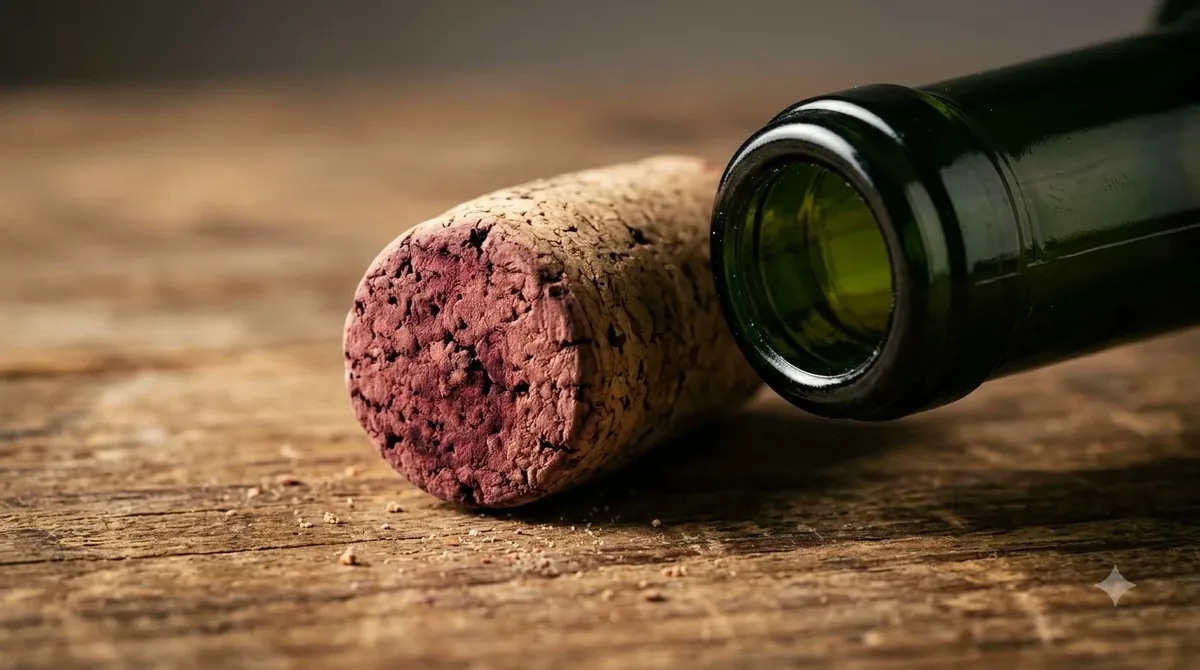
Wine educators at Wine Folly recommend bold, fruit-driven red grapes such as Zinfandel, Syrah, Malbec, Garnacha, or Merlot because their ripe dark berry notes stand up to pungent baking spices without excessive astringency. Heavily oaked or fiercely tannic reds like young Cabernet Sauvignon can turn bitter when warmed, while super-sweet dessert wines become cloying once honey or brown sugar enters the saucepan.
White and rosé versions follow the same principle, though aromatic grapes behave slightly differently under heat. Dry or off-dry Chenin Blanc, Riesling, and Moscato bring floral lift and stone-fruit character to white mulled wine, requiring a lighter hand with added sweeteners than a bone-dry red. If you enjoy exploring how fermentation leaves different levels of residual sugar across bottles, browsing Wine by Type clarifies why starting with a dry table wine gives you far more control at the stove.
Sweetness Spectrum Across Regional Mulled Wine Styles
Across Europe, mulled wine goes by many names, and each regional tradition lands at a different point on the dry-to-sweet scale. Some cultures favor a brisk, citrus-bright cup with minimal sugar, while others fortify the pot with spirits, dried fruit, and generous sweeteners.
| Style / Region | Typical Base Wine | Sweeteners & Additions | Overall Sweetness |
|---|---|---|---|
| French Vin Chaud | Dry red wine (such as Rhône blends) or white wine | Light sugar or honey, sliced orange or lemon, Cognac or Eau de Vie | Off-dry to medium-sweet |
| German Glühwein | Dry red wine | Granulated sugar, cinnamon, cloves, star anise, orange or lemon peel | Medium-sweet |
| German Feuerzangenbowle | Dry red wine | Rum-soaked sugarloaf caramelized and dripped directly into the pot | Sweet and smoky |
| Nordic Glögg | Dry red wine, Port, or Madeira | Sugar or honey, brandy, raisins, slivered almonds, cardamom | Rich and noticeably sweet |
| Spanish Vino Caliente | Dry red wine (such as Tempranillo) | Sugar, clementine, lemon peel, vanilla bean, Brandy de Jerez | Medium-sweet |
As documented in VinePair’s global roundup of mulled wine styles, French vin chaud leans closer to the drier, more aromatic end of the spectrum, letting citrus and a splash of Cognac shine without heavy sugar. German Glühwein, familiar from December outdoor markets, strikes a middle-of-the-road balance where white sugar softens tart red wine and clove spice.
At the sweetest extreme sits Nordic glögg and Portuguese vinho quente, both of which frequently incorporate fortified wines like Port or Madeira alongside raisins and extra sugar. Meanwhile, American holiday recipes often swap straight granulated sugar for unfiltered apple cider or maple syrup, producing a medium-sweet, orchard-scented cup that appeals to casual wine drinkers.
Factors That Control How Sweet Mulled Wine Tastes
Four variables determine whether your mug of mulled wine tastes barely sweet or richly dessert-like: the base wine’s residual sugar, the type and amount of sweetener, acidic citrus additions, and how long the pot heats. Adjusting any single element shifts the perceived balance on your palate.
Sweetener choice affects both sugar intensity and mouthfeel. Granulated white sugar dissolves cleanly and boosts sweetness without altering aroma, whereas brown sugar, honey, and maple syrup contribute caramel, floral, or earthy notes that make the drink taste fuller and slightly sweeter than the same spoonful of white sugar. Using unfiltered apple cider or orange juice adds natural fruit sugars alongside acidity, creating a softer, rounder sweetness.
Temperature and cooking time also play a subtle role. Alcohol begins evaporating around 172 degrees Fahrenheit, and boiling mulled wine drives off both alcohol and delicate aromatics while concentrating sugars and tannins. Keeping the liquid at a gentle bare simmer—warm enough to steam without bubbling aggressively—preserves the wine’s freshness so you do not have to over-sweeten the batch to cover cooked, bitter flavors.
Tip: Start with half the sweetener called for in a recipe, let the spices steep for 15 minutes over low heat, and taste the warm wine before adding more sugar or honey—heat amplifies perceived sweetness on the palate.
How to Make Mulled Wine Drier or Sweeter
Because mulled wine is assembled in a saucepan or slow cooker rather than bottled at a fixed sweetness level, you can easily tailor a batch to suit dry-wine purists or guests with a sweet tooth. Small tweaks to citrus, spices, and fortification keep the cup balanced in either direction.
To keep mulled wine on the drier, crisp side, choose a fruity yet completely dry red like Merlot, Grenache, or Tempranillo, skip fruit juices, and sweeten sparingly with just one or two tablespoons of honey or raw sugar per 750-milliliter bottle. Leaning on bright lemon strips, fresh ginger, cardamom pods, and a splash of dry brandy adds complexity and warmth without relying on heavy sugar. Fans of crisp styles like Brut Champagne or a dry rosé often prefer this leaner approach because the wine’s natural acidity stays front and center.
To make a sweeter, more indulgent batch, blend a dry red wine with a splash of Ruby Port or sweet vermouth, use brown sugar or maple syrup, and garnish mugs with brandied raisins or blood orange slices. Whole spices—cinnamon sticks, star anise pods, and whole cloves—infuse cleanly without leaving gritty residue, letting the richer sweetness feel smooth rather than chalky.
Serving Temperature, Glassware, and Food Pairings
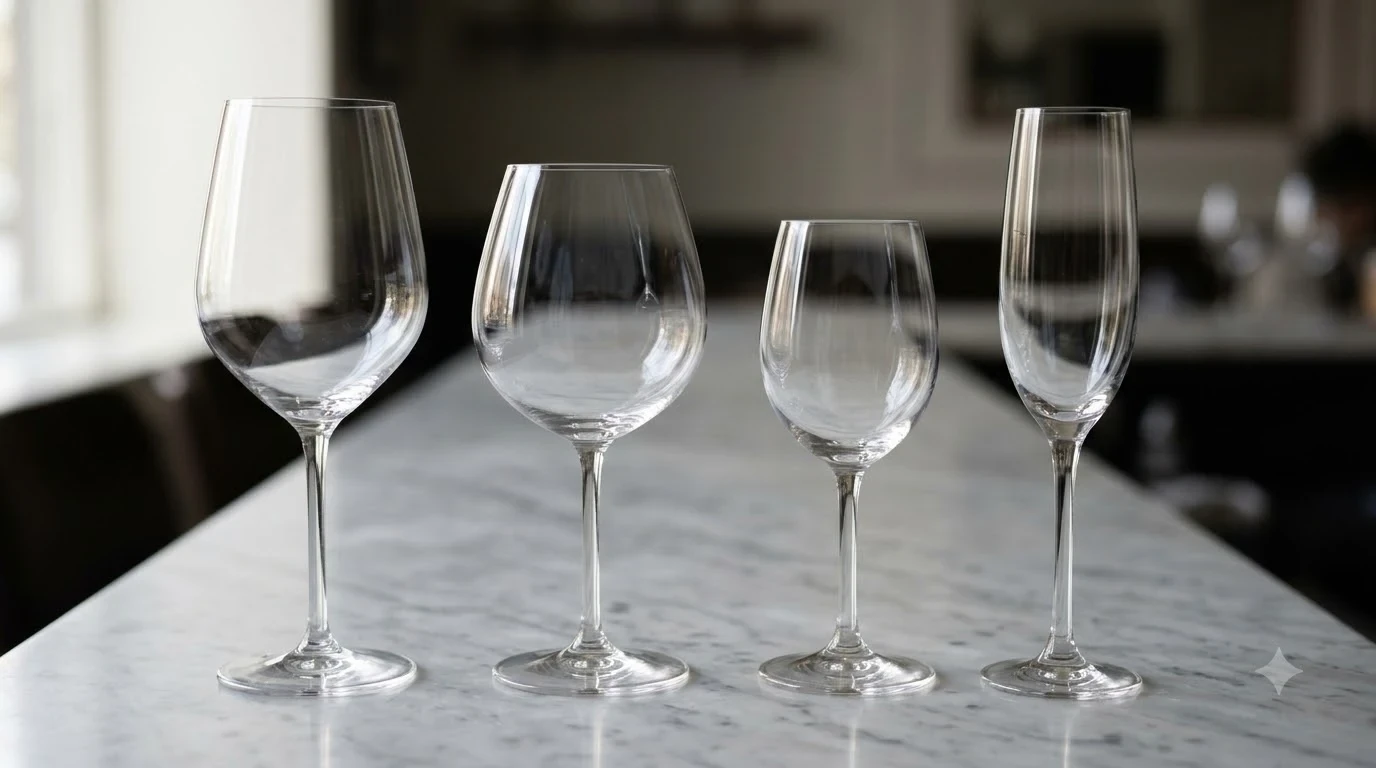
Mulled wine is best served hot but never scalding, ideally warm enough to hold comfortably in a mug while releasing fragrant steam. Serving it in heatproof glass mugs, ceramic coffee mugs, or thick-walled tumblers keeps hands warm and prevents delicate stemware from cracking under thermal stress.
Food pairings work best when they match the drink’s sweetness and spice profile without clashing with warm red wine. Because off-dry to sweet mulled wine has noticeable sugar and baking-spice intensity, savory-salty bites and lightly spiced baked goods perform far better than ultra-sweet frosted desserts, which can make the wine taste flat or overly acidic by comparison.
Aged cheeses like sharp cheddar, Gruyère, and Manchego pair effortlessly with warm spiced red wine, as their salt and nuttiness balance the sweet fruit notes. Spiced nuts, prosciutto-wrapped figs, gingerbread cookies, shortbread, and dark chocolate bark also complement cinnamon, clove, and orange peel without overwhelming the palate.
Frequently Asked Questions
Is mulled wine supposed to be made with sweet or dry wine?
Mulled wine is traditionally made with a dry, fruit-forward red wine such as Merlot, Zinfandel, Syrah, or Garnacha. Starting with a dry bottle lets you control the exact amount of sugar, honey, or cider added to the pot so the finished drink tastes balanced rather than overly syrupy.
Is store-bought bottled mulled wine sweet or dry?
Most commercially bottled mulled wines and Glühwein sold in grocery and wine shops are pre-sweetened and taste medium-sweet to sweet right out of the bottle. Because the spices and sugar are already blended in, you only need to warm them gently on the stovetop rather than adding extra sweetener.
Can you make mulled wine without adding any sugar?
Yes, you can make unsweetened mulled wine, though simmering dry red wine with cloves, cinnamon, and citrus peel without any sweetener can taste noticeably tart and slightly bitter. Using a very ripe, fruit-forward red wine or adding a splash of unfiltered apple cider provides gentle natural sweetness without refined sugar.
Does heating mulled wine make it taste sweeter?
Warmth enhances aroma and softens acidity, which makes any added sugar or ripe fruit character feel richer and more prominent on the tongue. However, boiling mulled wine for too long evaporates alcohol and concentrates bitter tannins, so gentle heating is essential for a smooth, balanced cup.
Whether you prefer a lightly sweetened French-style vin chaud or a rich, spiced mug of Glühwein, mulled wine bridges the gap between dry table wine and cozy cold-weather comfort. Starting with a smooth, dry bottle gives you complete control over the sweetness in every batch.
More in Wine Types & Grapes
 Zinfandel Sugar Content: Dry Red vs. White Zinfandel GramsUpdated Nov 21, 2026
 Best Zinfandel Substitute Options for Sipping and CookingUpdated Nov 21, 2026
 Zweigelt Food Pairing: Best Dishes, Cheeses, and Serving TipsUpdated Nov 21, 2026
 Zinfandel Tannins Explained: How Structure Shapes Every BottleUpdated Nov 21, 2026
 Zinfandel Sweetness Level: Dry Red vs. Sweet White Zin ExplainedUpdated Nov 21, 2026
 Xinomavro Food Pairing: Best Dishes, Styles, and Serving TipsUpdated Nov 21, 2026