

We may earn a commission when you buy through links on this page, at no extra cost to you. Learn more.
When asking is moscato keto friendly, the answer is no for traditional bottles because a standard 5-ounce glass typically packs 15 to 22.5 grams of carbohydrates from unfermented grape sugar. Classic styles like Moscato d’Asti sit around 5% to 5.5% ABV with roughly 100 to 150 grams per liter of residual sugar, which can take up half or more of a strict 20-to-30-gram daily keto carb limit in a single pour. While rare dry versions of Muscat do exist and contain far less sugar, almost every bottle labeled Moscato on American retail shelves is a sweet wine best skipped on a ketogenic plan.
Walking down the wine aisle while following a low-carb or ketogenic diet can feel confusing, especially since wine bottles rarely display nutrition facts or sugar counts. Moscato is famous for its light, refreshing feel and low alcohol content, which leads many shoppers to assume it is a lighter choice for their carb budget. Understanding how winemakers craft Moscato—and how residual sugar directly translates into net carbs—makes it much easier to decide whether a pour fits your goals or if another bottle belongs in your glass.
What Makes Traditional Moscato High in Carbs
Traditional Moscato is high in carbs because winemakers intentionally halt fermentation early, leaving large amounts of natural grape sugar unfermented in the finished bottle. That leftover sugar, known as residual sugar, converts directly into carbohydrates in every glass.
During standard winemaking, yeast consumes the natural fructose and glucose in grape juice and converts them into ethanol and carbon dioxide. For dry wines, the yeast works until virtually all the sugar is gone, resulting in higher alcohol and minimal carbohydrates. With Moscato—particularly classic Italian styles like Moscato d’Asti—winemakers chill the tank down once the wine reaches around 5% to 5.5% ABV. Chilling puts the yeast to sleep, trapping a little carbon dioxide for a gentle fizz while leaving an abundance of grape sugar behind.
According to Wine Folly’s guide to keto wines, multiplying a wine’s residual sugar in grams per liter by 0.15 gives you the approximate grams of carbs in a standard 150-milliliter (5-ounce) serving. Because typical Moscato d’Asti carries between 100 and 150 grams per liter of residual sugar, that math works out to 15 to 22.5 grams of carbs per 5-ounce glass. Wine Folly notes that a can of cola holds roughly 115 grams per liter of sugar, meaning a standard sweet Moscato rivals regular soda in sugar concentration.
Moscato Styles and Their Keto Impact
Not every wine made from the Muscat grape family shares the exact same sweetness level, though most bottles sold as Moscato fall well outside keto guidelines. Knowing the difference between classic Italian frizzante, pink blends, fortified dessert bottles, and rare dry bottlings helps clarify what is actually in the glass.
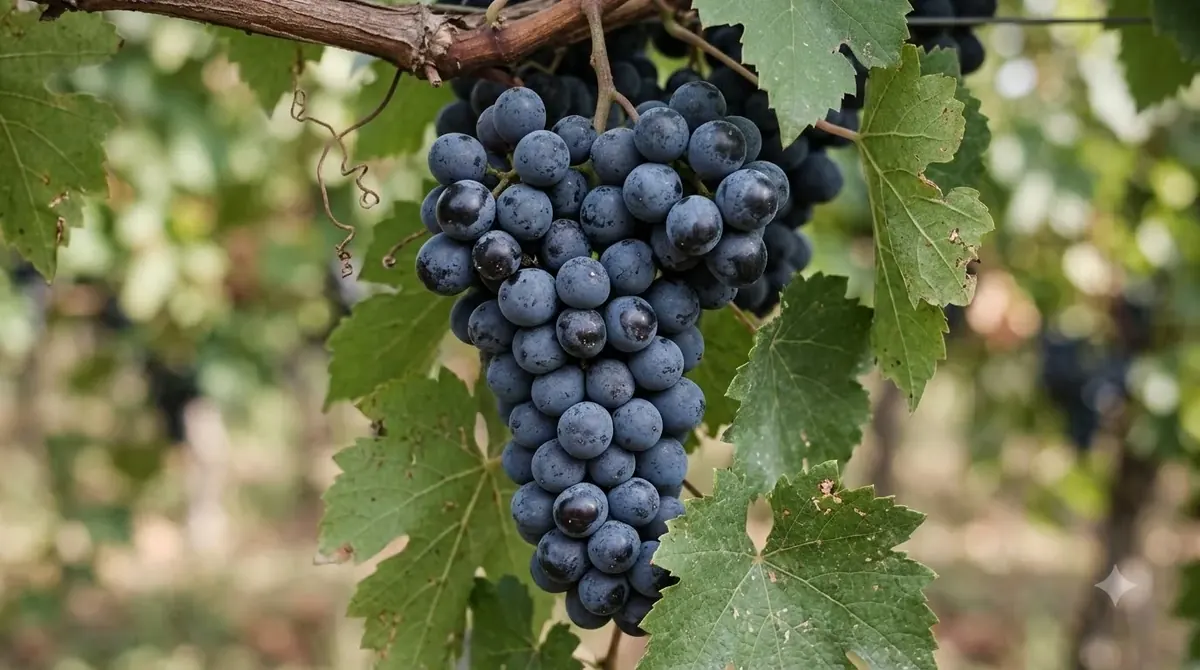
The most common bottle in the United States is semi-sparkling Moscato d’Asti or fully sparkling Asti Spumante from northern Italy’s Piedmont region. Decanter reviews highlight Asti Spumante bottles sitting around 7% ABV with 90 to 95 grams per liter of residual sugar, and Moscato d’Asti examples reaching 131 grams per liter of residual sugar at 5% ABV. Pink Moscato, typically made by blending Muscat with a splash of red wine such as Merlot for color and berry notes, follows the same sweet winemaking playbook and carries a similarly heavy sugar load.
Fortified dessert styles push the carbohydrate count even higher. Wines like French Muscat de Beaumes-de-Venise, Portuguese Moscatel de Setúbal, and Italian passito styles made from dried grapes concentrate natural sugars even further. On the opposite end of the spectrum, winemakers in regions like Austria, Spain, Sicily, and parts of the United States occasionally ferment Muscat grapes all the way to dryness. As Decanter notes in its overview of Moscato styles, still dry white Moscatos deliver all the exotic jasmine and citrus peel aromas of the grape without the sugar, though they are far less common than their sweet counterparts.
| Wine Style | Typical ABV | Residual Sugar (g/L) | Estimated Carbs (5 oz / 150 ml) | Keto Suitability |
|---|---|---|---|---|
| Moscato d’Asti (Sweet, Frizzante) | 5% – 5.5% | 100 – 150 g/L | 15 – 22.5 g | Not keto friendly |
| Asti Spumante (Sweet, Sparkling) | 7% | 90 – 95 g/L | 13.5 – 14.3 g | Not keto friendly |
| Dry Muscat / Austrian Muskateller | 11.5% – 13% | 0 – 12.5 g/L | 0 – 1.9 g | Keto friendly in moderation |
| Brut Sparkling Wine / Cava | 11.5% – 12.5% | 0 – 12 g/L | 1.5 g or less | Keto friendly |
| Dry Pinot Grigio / Chardonnay | 12% – 13.5% | 0 – 10 g/L | 0 – 3.2 g | Keto friendly |
Why Low Alcohol Does Not Mean Low Carb in Wine
A common trap for low-carb wine drinkers is equating a lower alcohol percentage with fewer calories and fewer carbohydrates. In reality, alcohol and residual sugar have an inverse relationship during fermentation.
Because yeast turns grape sugar into alcohol, a winemaker who stops fermentation early gets a wine with lower alcohol and higher sugar. Conversely, allowing yeast to finish fermenting all the available sugar produces a drier wine with a higher alcohol by volume, usually between 11.5% and 13.5% ABV for standard table wines. A 6-ounce pour of Moscato d’Asti still lands around 110 to 170 calories, with a substantial portion of those calories coming directly from unfermented grape sugar rather than ethanol.
Even when a wine has zero carbohydrates, alcohol itself changes how the body processes energy. Wine Folly points out that whenever alcohol enters the bloodstream, the body prioritizes metabolizing ethanol as its primary fuel source before returning to burning stored fat. Drinking a sweet wine like Moscato compounds that pause by introducing a sudden spike of simple sugars alongside the alcohol.
How to Spot a Rare Dry Muscat Bottle
If you love the floral, peach, and orange-blossom aromatics of Moscato, you do not have to give up the grape entirely. Hunting down a dry Muscat allows you to enjoy the signature perfume of the variety while keeping carbohydrates under 2 grams per glass.
Start by checking the alcohol by volume printed on the front or back label. If the bottle lists an ABV between 5% and 8%, fermentation was stopped early and the wine will be sweet. Dry Muscat bottlings—often labeled as Dry Muscat, Dry Muscat Canelli, Austrian Muskateller, or dry Spanish Moscatel—typically register between 11.5% and 13% ABV because the yeast converted nearly all the grape sugar into alcohol.
Looking up the winery’s technical sheet online is the most reliable way to verify exact sugar numbers before buying. Because federal labeling rules do not require nutrition panels on wine bottles, producers publish residual sugar (RS) figures on downloadable spec sheets for trade buyers and curious drinkers. For example, tech sheets for domestic dry Muscat bottlings from Napa Valley, Walla Walla Valley, and Texas Hill Country list residual sugar between 0.4 and 7.1 grams per liter, which translates to roughly 0.06 to 1.1 grams of carbs per 5-ounce pour.
Tip: Check the ABV on the wine label before buying—any Moscato under 9% ABV is almost certainly loaded with residual sugar, while dry Muscat styles typically sit between 11.5% and 13% ABV.
Better Keto-Friendly Wine Alternatives to Moscato
When you want something crisp, refreshing, or bubbly without spending hours hunting for a specialty dry Muscat, several widely available wines deliver similar refreshment for a fraction of the carbs. Choosing dry styles keeps residual sugar low while preserving bright fruit and floral character.
If it is the gentle fizz and party-ready feel of Moscato d’Asti you miss most, look toward dry sparkling wines. Exploring whether is cava keto friendly reveals that Spanish sparkling wines labeled Brut, Extra Brut, or Brut Nature contain very little residual sugar—usually 1.5 grams of carbs or less per 5-ounce glass. Brut Champagne and dry domestic sparkling wines offer that same celebratory lift without the sugar crash.
For still white wines with lively orchard fruit and citrus notes, dry European and domestic whites fit comfortably into a daily carb allowance. Checking is pinot grigio keto friendly shows why crisp Italian Pinot Grigio and French Muscadet—which is made from Melon de Bourgogne grapes and should never be confused with sweet Muscat—are staples for low-carb drinkers. If you prefer a rounder mouthfeel with stone-fruit flavors, reviewing is chardonnay keto friendly highlights how dry Chardonnay and Sauvignon Blanc deliver lush fruit around 3 grams of carbs per serving. You can also compare sweetness levels across dozens of styles in our Wine by Type guide before your next shop.
Frequently Asked Questions
How many carbs are in a 5-ounce glass of Moscato?
A standard 5-ounce (150-milliliter) serving of traditional Moscato d’Asti contains roughly 15 to 22.5 grams of carbohydrates. That figure comes from its high residual sugar concentration, which typically sits between 100 and 150 grams per liter. Sparkling Asti Spumante is slightly lower at around 90 to 95 grams per liter, or roughly 13.5 to 14.3 grams of carbs per pour.
Is Pink Moscato keto friendly?
No, Pink Moscato is not keto friendly. Winemakers create Pink Moscato by blending sweet white Muscat wine with a small splash of red wine, such as Merlot, for color and strawberry flavor. It undergoes the same halted fermentation as white Moscato and contains similarly high levels of residual sugar.
Is there any such thing as dry Moscato?
Yes, winemakers can ferment Muscat grapes completely dry, producing aromatic white wines with under 2 grams of carbs per glass. Look for bottles explicitly labeled Dry Muscat, Austrian Muskateller, or dry Sicilian Moscato with an alcohol level around 11.5% to 13% ABV. Avoid bottles simply labeled Moscato or Moscato d’Asti, as those terms almost always signify a sweet wine.
Why does Moscato have lower alcohol than other wines?
Moscato typically has a low alcohol content of 5% to 7% ABV because winemakers chill the tanks during fermentation to stop the yeast early. Since yeast converts grape sugar into alcohol, halting the process leaves much of the sugar unfermented in the bottle. That unfermented sugar is what makes Moscato sweet, low in alcohol, and high in carbohydrates.
While classic Moscato brings unmistakable peach and floral charm to the glass, its high residual sugar makes it incompatible with a standard ketogenic carb budget. Checking bottle ABV numbers, searching out specialty dry Muscat bottlings, or reaching for crisp Brut sparkling wines and dry whites lets you enjoy bright, aromatic pours without derailing your low-carb routine.
More in Wine Types & Grapes
 Zinfandel Sugar Content: Dry Red vs. White Zinfandel GramsUpdated Nov 21, 2026
 Best Zinfandel Substitute Options for Sipping and CookingUpdated Nov 21, 2026
 Zweigelt Food Pairing: Best Dishes, Cheeses, and Serving TipsUpdated Nov 21, 2026
 Zinfandel Tannins Explained: How Structure Shapes Every BottleUpdated Nov 21, 2026
 Zinfandel Sweetness Level: Dry Red vs. Sweet White Zin ExplainedUpdated Nov 21, 2026
 Xinomavro Food Pairing: Best Dishes, Styles, and Serving TipsUpdated Nov 21, 2026