

We may earn a commission when you buy through links on this page, at no extra cost to you. Learn more.
Yes, is madeira gluten free is a question with a straightforward answer: traditional Madeira wine is naturally gluten-free because it is made exclusively from fermented grapes and fortified with a neutral grape-based spirit. Neither the fruit, the yeast fermentation, nor the high-proof grape brandy used to halt fermentation contains wheat, barley, or rye. While trace cross-contact from barrel-sealing paste or certain fining agents is theoretically possible during aging, finished Madeira meets the federal standard of less than 20 parts per million of gluten.
Madeira stands apart from almost every other bottle in the wine cellar thanks to its signature heating and oxidation process, which gives it burnt caramel, roasted walnut, and candied orange peel aromas alongside remarkable shelf life. Because it is a fortified wine rather than a standard table wine, drinkers managing gluten sensitivity often wonder whether the added spirit introduces grain alcohol. Understanding how producers make, fortify, and age this Portuguese island specialty clarifies why it fits comfortably into a gluten-free lifestyle—and where to exercise a little caution at the store or restaurant.
What Makes Madeira Wine Naturally Gluten-Free
Traditional Madeira is made entirely from wine grapes and distilled grape spirit, leaving no room for gluten-containing grains in its core recipe. From harvest on the Portuguese island of Madeira to bottling, every primary ingredient comes straight from the vineyard.
Winemakers produce authentic Madeira from authorized island grape varieties, most notably Sercial, Verdelho, Bual (Boal), Malvasia (also known as Malmsey), Terrantez, and the workhorse red grape Tinta Negra. Like the grapes used in dry table wine styles, these varieties are pure fruit and naturally free of gluten proteins. During fermentation, yeasts convert natural grape sugars into alcohol without the addition of barley malt or cereal grains.
Because Madeira is a fortified wine, producers interrupt fermentation by adding a clear, flavorless, high-proof alcohol. According to Wine Folly, this fortifying spirit is a vinous—meaning grape- and wine-based—alcohol distilled to 96% ABV, resulting in finished Madeira wines between 17% and 22% ABV. Unlike certain flavored wine coolers or spirit-based cocktails that rely on grain neutral spirits or malt beverages, authentic Madeira uses grape-derived brandy, keeping the beverage completely free of grain ingredients from start to finish.
Potential Cross-Contact During Winemaking and Aging
Although Madeira contains no gluten ingredients, rare winemaking practices—specifically wheat-paste barrel sealing and protein-based fining—can theoretically introduce microscopic traces of gluten. Even so, laboratory testing and food-safety authorities consistently confirm that finished wines remain well below the 20 parts per million threshold required for gluten-free status.

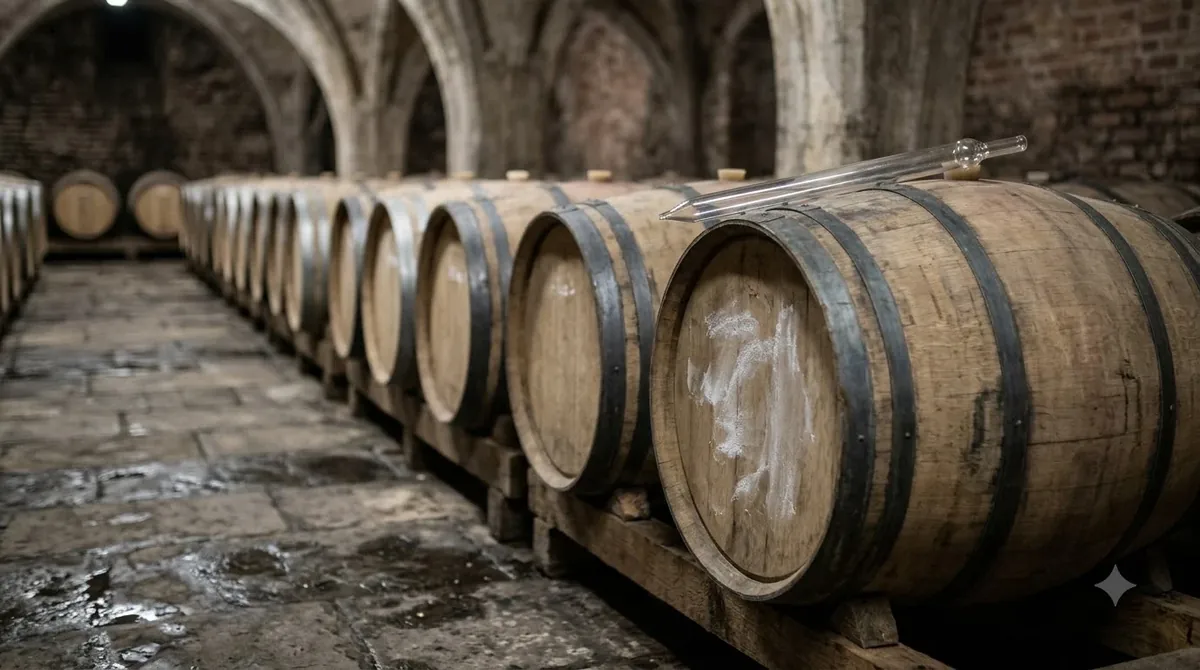
The first point of potential contact involves traditional cooperage techniques. Historically, some barrel makers applied a small amount of flour-and-water paste to seal the croze—the groove where the barrel head meets the wooden staves—on oak casks used for aging fortified wines like Port and Madeira. According to the California Wine Institute, referencing guidance from the University of Chicago Celiac Disease Center, wines aged in barrels lined with wheat paste are unlikely to retain enough gluten to trigger a reaction. Modern coopers increasingly rely on beeswax, paraffin, or pressure-fitted joints, and wineries routinely steam and sanitize barrels before filling them.
The second theoretical source is fining, a clarification step in which winemakers add a binding agent to pull suspended proteins, tannins, or yeast particles to the bottom of a tank or cask so they can be filtered out. Most producers use naturally gluten-free fining agents such as bentonite clay, egg whites, casein, or pea protein, though hydrolyzed wheat gluten is legally permitted in small quantities in some regions. According to Beyond Celiac, even when trace contact occurs during fining or cask aging, standard wine remains safe and well under the FDA’s 20 ppm limit.
Tip: If you are extra sensitive to trace proteins, look for younger Estufa-aged Madeiras fermented and heated in stainless steel tanks rather than long-aged Canteiro bottles stored for decades in seasoned oak casks.
How Madeira Aging Methods Affect Purity and Style
Madeira producers use two distinct heating and aging methods—Estufa and Canteiro—to caramelize sugars and oxidize the wine, neither of which introduces gluten. Choosing between them depends on your flavor preference and whether you want minimal wood contact.
In the Estufa method, commonly used for three- to five-year-old blends made from Tinta Negra, the wine rests in temperature-controlled stainless steel tanks warmed by internal hot-water coils for at least three months, reaching up to 122°F (50°C). Because stainless steel vessels require no barrel paste and offer zero wood contact during the heating phase, Estufa-aged Madeira undergoes an exceptionally clean production cycle. Once cooled and rested, the wine delivers bright notes of dried apricot, roasted nuts, and toasted sugar.
In the Canteiro method, reserved for higher-tier varietal wines and long-aged reserves, producers place the fortified wine directly into seasoned oak casks stored in warm attic lofts beneath the sun-baked roofs of Madeira lodges. Over five, ten, twenty, or even fifty-plus years, natural ambient heat slowly concentrates the wine through evaporation, yielding intense layers of black walnut, orange peel, and savory spice. While Canteiro wines spend decades in wood, the casks used in Madeira are typically neutral, reused barrels seasoned over many vintages rather than newly pasted oak.
| Madeira Style or Grape | Sweetness Level | Typical Aging Method | Gluten-Free Status |
|---|---|---|---|
| Sercial | Extra Dry (under 49 g/L RS) | Canteiro (Oak Cask) | Naturally gluten-free |
| Verdelho | Medium-Dry (54–78 g/L RS) | Canteiro (Oak Cask) | Naturally gluten-free |
| Bual (Boal) | Medium-Sweet (78–100 g/L RS) | Canteiro (Oak Cask) | Naturally gluten-free |
| Malvasia (Malmsey) | Sweet (over 100 g/L RS) | Canteiro (Oak Cask) | Naturally gluten-free |
| Rainwater / Finest (Tinta Negra) | Dry to Medium-Dry | Estufa (Stainless Steel) | Naturally gluten-free |
Madeira vs. Other Wines and Cooking Blends
Pure Madeira wine shares the same naturally gluten-free foundation as classic dry table wines, though shoppers should distinguish authentic island bottles from supermarket cooking wines or flavored wine cocktails. Knowing how labels differ prevents accidental exposure to hidden additives.
Like still white and red table wines—whether you are checking if Sauvignon Blanc is gluten-free, verifying if Pinot Noir is gluten-free, or confirming if Cabernet Sauvignon is gluten-free—authentic Portuguese Madeira relies solely on grapes and standard fermentation. The key structural difference is fortification with neutral grape spirit, which raises alcohol content and preserves the wine against spoilage even months after opening. Because that spirit comes from distilled wine rather than grain mash, Madeira carries no more gluten risk than an unfortified bottle.
Caution is warranted when shopping outside the fine-wine aisle for “Madeira cooking wine” or pre-mixed wine beverages. Grocery-store cooking wines often contain added salt, caramel coloring, stabilizers, or flavorings that are not regulated under traditional wine appellation rules, and flavored wine coolers frequently use barley malt as an alcohol base. Always verify that the bottle carries official Portuguese Denominação de Origem Protegida (DOP) Madeira labeling rather than generic culinary seasoning blends.
Practical Buying, Serving, and Cooking Tips
Buying, pouring, and cooking with authentic Madeira requires only a few simple habits to keep your glass and kitchen completely gluten-free. A quick label check and mindful food pairing go a long way.
When selecting a bottle, check the back label for the official IVBAM (Instituto do Vinho, do Bordado e do Artesanato da Madeira) seal, which guarantees the wine was produced and bottled on the island under strict grape-only regulations. Serve Madeira slightly cool at 55°F to 60°F (12°C to 15°C) in a small tulip-shaped glass, pouring modest three-ounce servings to highlight its vibrant acidity and concentrated aromatics. Once opened, a bottle stays fresh on a cool shelf for several months—or even over a year—without oxidizing further.
In the kitchen, Madeira is a classic pantry staple for deglazing pans and building rich reduction sauces for roasted meats, mushrooms, and poultry. To keep a traditional Madeira sauce gluten-free, thicken the reduced wine and stock with cornstarch, arrowroot, or cold butter mounted at the end rather than whisking in all-purpose wheat flour. If ordering Madeira-glazed dishes at a restaurant, always ask the kitchen how the pan sauce is thickened before ordering.
Frequently Asked Questions
Is Madeira wine safe for people with celiac disease?
Yes, authentic Madeira wine is widely recognized by celiac organizations as safe to drink because it is made from grapes and grape-derived fortifying spirit. Even in rare cases where barrels or fining agents involve trace wheat products, finished wine tests well below the federal 20 parts per million threshold for gluten-free foods.
Does the fortifying alcohol in Madeira contain gluten?
No, the high-proof spirit added to Madeira is distilled from wine grapes rather than wheat, barley, or rye. Producers add neutral vinous alcohol at roughly 96% ABV to stop fermentation and bring the finished bottle to between 17% and 22% ABV.
Is grocery store Madeira cooking wine gluten-free?
Not necessarily, because commercial cooking wines sold in supermarket condiment aisles often contain added salt, preservatives, and flavorings outside standard wine regulations. For reliable gluten-free purity and better flavor, buy an authentic bottle of Portuguese Madeira from a wine shop instead.
Can oak barrels add gluten to aged Madeira?
While coopers historically used small amounts of wheat paste to seal barrel grooves, studies and celiac centers note that negligible residue transfers into the wine. Modern cooperages largely favor wax or mechanical seals, and long-aged Madeira casks are thoroughly washed and reused over many decades.
Authentic Madeira wine offers rich, nutty complexity without relying on gluten-containing grains at any stage of fermentation or fortification. By choosing genuine DOP-certified Portuguese bottles and pairing them with naturally gluten-free thickeners in the kitchen, you can enjoy this resilient fortified classic with confidence.
More in Wine Types & Grapes
 Zinfandel Sugar Content: Dry Red vs. White Zinfandel GramsUpdated Nov 21, 2026
 Best Zinfandel Substitute Options for Sipping and CookingUpdated Nov 21, 2026
 Zweigelt Food Pairing: Best Dishes, Cheeses, and Serving TipsUpdated Nov 21, 2026
 Zinfandel Tannins Explained: How Structure Shapes Every BottleUpdated Nov 21, 2026
 Zinfandel Sweetness Level: Dry Red vs. Sweet White Zin ExplainedUpdated Nov 21, 2026
 Xinomavro Food Pairing: Best Dishes, Styles, and Serving TipsUpdated Nov 21, 2026