

We may earn a commission when you buy through links on this page, at no extra cost to you. Learn more.
Whether is lambrusco keto friendly comes down to the sweetness level printed on the bottle, because dry versions labeled secco or brut fit easily into a low-carb routine while sweet styles do not. A standard 5-ounce (150 ml) pour of dry Lambrusco typically carries between 0.3 and 2 grams of carbohydrates and sits around 10.5 to 11.5 percent ABV. By contrast, semi-sweet (amabile) and sweet (dolce) bottlings can hold 6 to 10 grams or more of sugar per glass, quickly consuming a daily ketogenic carb budget.
Because Italy’s famous sparkling red spans a dramatic spectrum from bone-dry to dessert-level sweet, grabbing a random bottle off the shelf is a gamble on a low-carb eating plan. Checking a few Italian label terms and knowing how winemakers ferment the bubbles will tell you immediately if a bottle belongs in your glass.
What Makes Lambrusco Either Keto-Friendly or High-Carb
Lambrusco is not a single uniform recipe, so its carb count depends entirely on how much unfermented grape sugar remains in the finished wine. Winemakers craft it across four official sweetness tiers—secco, semisecco, amabile, and dolce—and only the driest tier keeps carbohydrates low enough for strict ketosis.
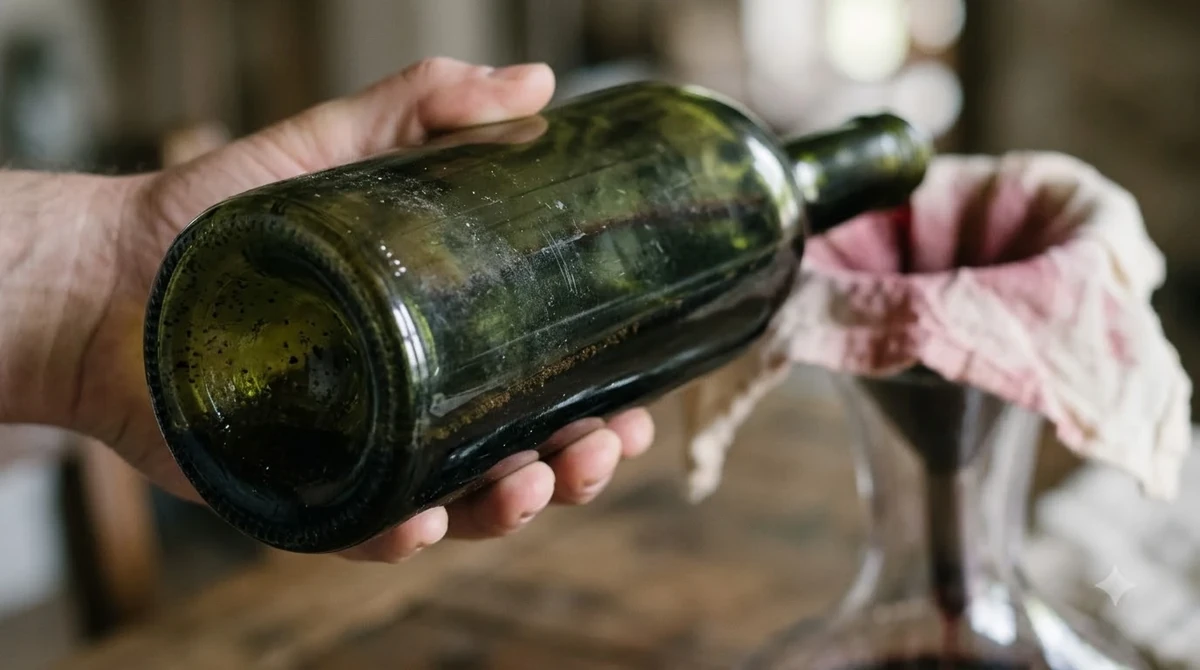
During fermentation, yeast consumes natural grape sugars (glucose and fructose) and converts them into alcohol and carbon dioxide. When a producer allows the yeast to finish converting nearly all of that sugar, the resulting wine is dry and contains minimal residual sugar, which directly translates to minimal carbohydrates. According to Wine Folly’s keto wine guide, you can estimate the carbohydrate count of any 150 ml (5-ounce) glass by multiplying its residual sugar in grams per liter by 0.15.
Many shoppers assume all Lambrusco is sugary because mass-market exports in the 1970s and 1980s favored sweet, easy-drinking styles. In its home region of Emilia-Romagna, however, locals traditionally drink crisp, savory, dry Lambrusco alongside rich meals. Those dry bottlings are fermented out completely or left with just a trace of sugar to soften the grape’s naturally brisk acidity, keeping total carbs well under 2 grams per serving.
Carbs and Sugar Across Lambrusco Sweetness Levels
The Italian word printed on the front or back label is your most reliable clue to a bottle’s carbohydrate load. Comparing the four standard sweetness categories side by side makes it easy to see which bottles fit a 20-to-30-gram daily carb allowance and which ones behave more like soda.
| Label Term | Sweetness Style | Typical Residual Sugar (g/L) | Estimated Carbs per 5 oz (150 ml) | Keto Suitability |
|---|---|---|---|---|
| Brut / Pas Dosé | Bone-dry to very dry | 0 to 12 g/L | 0 to 1.8 g | Best choice |
| Secco | Dry | 2 to 15 g/L | 0.3 to 2.2 g | Good fit in moderation |
| Semisecco | Off-dry | 15 to 35 g/L | 2.2 to 5.2 g | Borderline; measure carefully |
| Amabile | Medium-sweet | 35 to 50 g/L | 5.2 to 7.5 g | Poor fit; spikes daily carbs |
| Dolce | Sweet | Over 50 g/L | 7.5 g and up | Avoid on keto |
Notice that European sparkling wine rules allow a small range of residual sugar even inside dry categories because high natural acidity balances sweetness on the palate. A secco Lambrusco made from tart grapes might hold around 7 to 12 grams per liter of residual sugar—yielding roughly 1 to 1.8 grams of carbs per 5-ounce glass—whereas a bone-dry ancestral-method bottling can drop below 3 grams per liter, or less than half a gram of carbs.
Alcohol by volume also matters when tracking macros, even though pure ethanol contains zero carbohydrates. Most authentic Lambrusco sits between 10.5 and 11.5 percent ABV, which is noticeably lighter than warm-climate still reds that routinely reach 14 or 15 percent ABV. Lower alcohol means fewer alcohol-derived calories per glass—around 95 to 110 calories in a dry pour—and less metabolic slowdown while your liver processes the drink.
How Production Methods Affect Residual Sugar
Understanding how bubbles get into the bottle explains why certain Lambrusco styles are consistently drier than others. Producers rely on two primary sparkling techniques, and each leaves a distinct fingerprint on sugar levels and texture.
The first and most widespread technique is the Charmat (tank) method, where secondary fermentation occurs in pressurized stainless-steel tanks. Large commercial wineries can chill the tank mid-fermentation to halt yeast activity early, trapping unfermented grape sugar inside the wine to create crowd-pleasing amabile or dolce styles. Quality-focused producers also use the Charmat method to craft crisp secco wines, so tank fermentation alone does not disqualify a bottle—you simply need to verify the dryness term on the label.
The second technique is Metodo Ancestrale (also labeled rifermentato in bottiglia), in which winemakers bottle the wine before primary fermentation finishes so the remaining sugar converts into natural fizz inside the glass. According to Wine Folly’s overview of Lambrusco, these traditional bottlings showcase tart red fruit, rhubarb, and earthy notes with fine, lively bubbles. Because the yeast consumes virtually all leftover sugar in the sealed bottle, ancestral-method Lambruscos are reliably bone-dry and often labeled Brut Nature, Pas Dosé, or Secco.
Popular Lambrusco Varieties and What They Taste Like
Lambrusco is actually a family of related native Italian grape varieties rather than a single cultivar, and each grape brings different acidity and tannin levels that influence how dry the wine feels. Knowing the main DOC appellations printed on the bottle helps you predict both flavor and typical sweetness.
Lambrusco di Sorbara produces the lightest-colored, most aromatic expression, often pouring a translucent ruby or deep rosé hue. Reviewers at wine publications note its zippy citrus-like acidity and aromas of wild strawberry, violet, and hibiscus. Because Sorbara carries naturally high acidity, producers frequently vinify it in a razor-sharp secco style that tastes refreshing and stays ultra-low in carbohydrates.
Lambrusco Grasparossa di Castelvetro comes from the foothills south of Modena and delivers a darker, fuller-bodied wine with black cherry fruit and noticeable tannic grip. Producers sometimes leave a touch more residual sugar in Grasparossa to soften those firm tannins, making amabile versions fairly common. If you prefer this bolder style on a ketogenic diet, look explicitly for the word secco on the front label.
Lambrusco Salamino di Santa Croce bridges the gap between Sorbara’s brightness and Grasparossa’s depth, offering deep purple color, lively froth, and balanced dark berry notes. Similarly, broad regional labels like Reggiano DOC or Lambrusco dell’Emilia IGT cover larger production zones where both dry and sweet styles coexist, making label-reading essential before you buy.
Tip: If a bottle does not state secco or brut anywhere on the front or back label, check the alcohol percentage—bottlings around 7.5% to 8.5% ABV were almost certainly stopped early during fermentation and contain high residual sugar, whereas 11% to 11.5% ABV signals full fermentation and dry, low-carb character.
How to Serve and Pair Dry Lambrusco on Keto
Serving dry Lambrusco properly brings out its refreshing crunch and keeps you satisfied with a single measured pour. Unlike heavy still reds served near room temperature, sparkling reds shine when chilled to roughly 45 to 55°F (7 to 13°C), about 30 to 45 minutes in the refrigerator before opening.
Pouring into a standard tulip-shaped white wine glass or universal stemware rather than a narrow flute gives the wine’s violet and berry aromatics room to open while preserving its frothy mousse. Because dry Lambrusco pairs brisk acidity with gentle tannins and carbonation, it acts as a palate cleanser alongside high-fat, low-carb foods.
Emilia-Romagna is famous for cured meats and aged cheeses, which happen to be staples of a ketogenic menu. Classic zero-carb pairings include thinly sliced Prosciutto di Parma, mortadella, salami, aged Parmigiano-Reggiano chunks, roasted porchetta, and bunless grilled burgers. The bubbles slice right through rich fats and salt without needing bread or pasta on the plate.
How Dry Lambrusco Compares to Other Keto-Friendly Wines
If you already rotate a few reliable low-carb bottles at home, dry Lambrusco occupies a unique middle ground between crisp white sparklers and structured still reds. Exploring different wine styles shows how its macros stack up against popular keto standbys.
Compared with traditional Spanish sparklers—if you have ever wondered whether Cava fits a keto diet—a secco Lambrusco carries roughly the same carbohydrate count as a standard Brut Cava (around 1 to 2 grams per glass) while delivering red-berry fruit and light tannin. If you want something even drier, a Brut Nature Cava or ancestral-method Lambrusco will both sit near zero sugar.
Among still whites, shoppers checking how many carbs are in Pinot Grigio or whether Chardonnay works on keto will find similar numbers—typically 1 to 2 grams of carbs per 5-ounce pour for dry examples. Dry Lambrusco gives red-wine drinkers a chilled, effervescent alternative with lower alcohol than full-bodied Cabernet Sauvignon or Merlot, making it an easy warm-weather or dinner-party option.
Frequently Asked Questions
How many carbs are in a 5-ounce glass of dry Lambrusco?
A standard 5-ounce (150 ml) serving of dry secco Lambrusco typically contains between 0.3 and 2 grams of carbohydrates. Bone-dry ancestral-method bottlings labeled Brut Nature or Pas Dosé sit at the bottom of that range, while fuller-bodied secco styles with a hint of balancing fruit sit closer to 1.5 or 2 grams.
Is Riunite Lambrusco keto friendly?
Classic Riunite Lambrusco is made in the semi-sweet amabile style, which contains noticeable residual sugar to create its soft, fruity profile. Because a single glass can pack around 6 to 8 grams of carbohydrates, traditional amabile bottlings are not ideal for strict ketosis unless carefully budgeted.
What Italian word on a Lambrusco label means dry?
Look for the word secco (dry) or sparkling designations like Brut, Extra Brut, or Brut Nature on the label. Avoid bottles labeled semisecco (off-dry), amabile (medium-sweet), or dolce (sweet), as those terms indicate higher levels of unfermented grape sugar.
Does alcohol in dry Lambrusco kick you out of ketosis?
Dry Lambrusco does not contain enough sugar to spike blood glucose, so it will not knock you out of ketosis through carbohydrates. However, your liver prioritizes metabolizing alcohol before burning dietary or body fat, which temporarily pauses fat burning until the drink is cleared.
Stick to bottles labeled secco or brut with an alcohol level near 11 percent ABV, and you can enjoy Lambrusco’s lively dark-berry fizz without derailing your carb goals. Measure out a standard 5-ounce pour, serve it well chilled alongside cured meats or aged cheese, and savor a classic Italian table wine that fits cleanly into a ketogenic lifestyle.
More in Wine Types & Grapes
 Zinfandel Sugar Content: Dry Red vs. White Zinfandel GramsUpdated Nov 21, 2026
 Best Zinfandel Substitute Options for Sipping and CookingUpdated Nov 21, 2026
 Zweigelt Food Pairing: Best Dishes, Cheeses, and Serving TipsUpdated Nov 21, 2026
 Zinfandel Tannins Explained: How Structure Shapes Every BottleUpdated Nov 21, 2026
 Zinfandel Sweetness Level: Dry Red vs. Sweet White Zin ExplainedUpdated Nov 21, 2026
 Xinomavro Food Pairing: Best Dishes, Styles, and Serving TipsUpdated Nov 21, 2026