


We may earn a commission when you buy through links on this page, at no extra cost to you. Learn more.
Is La Vieille Ferme Rose Good? Yes, La Vieille Ferme Rosé is a good choice for everyday drinking if you enjoy dry, refreshing French rosé with approachable strawberry, raspberry, and peach flavors. Made by Famille Perrin from Cinsault, Grenache, and Syrah, it offers fresh fruit, lively acidity, and an uncomplicated drinking style. It is particularly suitable for casual lunches, outdoor gatherings, seafood, salads, and grilled food, although drinkers seeking a complex, age-worthy rosé may prefer something more ambitious.
La Vieille Ferme has a recognizable place in the accessible French wine category, helped by its distinctive rooster label and straightforward approach to winemaking. Its rosé is designed around freshness and fruit rather than heavy oak, powerful structure, or elaborate aging. Understanding its sweetness, flavor profile, grape blend, and food compatibility makes it easier to decide whether this bottle fits your preferences.
Who This Wine Is For
La Vieille Ferme Rosé is best suited to people who want a dry, fruit-forward French wine that is easy to serve without a special occasion. Its combination of approachable fruit flavors, refreshing acidity, and moderate alcohol makes it a practical option for informal meals and social gatherings.
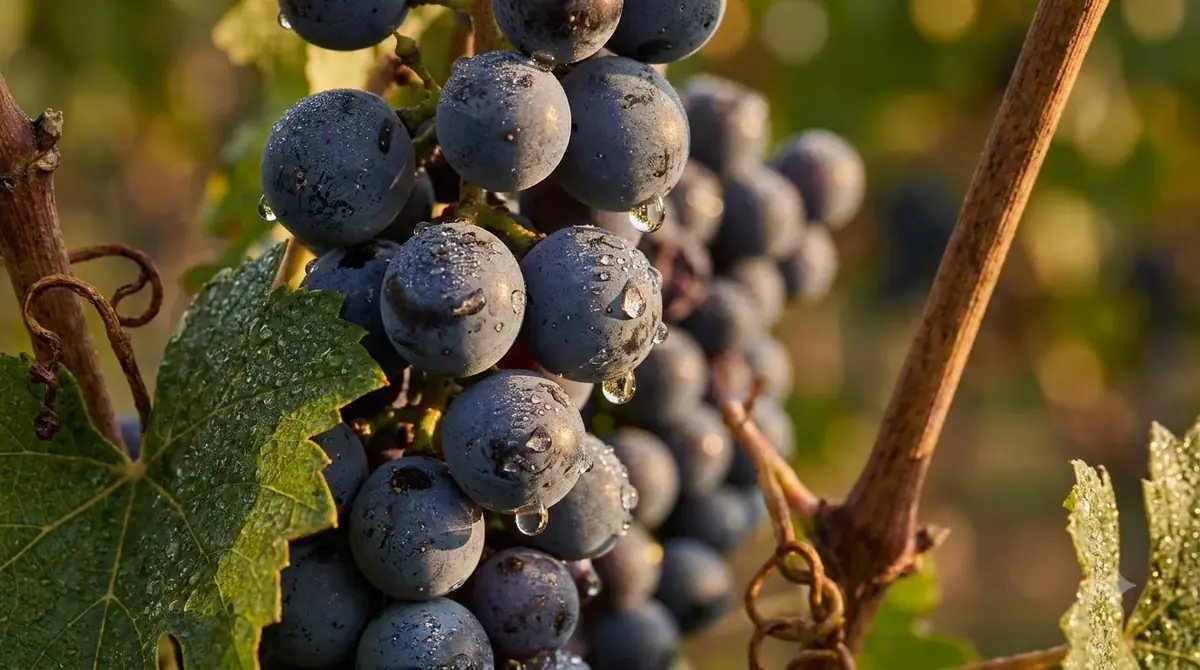
For someone discovering French rosé, this wine offers a useful introduction to a style that emphasizes freshness rather than sweetness. The producer identifies it as a dry wine made from three familiar southern French varieties: Cinsault, Grenache, and Syrah. Those grapes contribute different elements to the finished blend, helping create a wine that feels fruity without becoming excessively heavy.
The wine is particularly appealing to drinkers who enjoy strawberry, raspberry, peach, and citrus characteristics. These flavors make it approachable even for people who do not regularly explore French regional wines. Its pale pink appearance also suits the familiar image of a refreshing warm-weather rosé, although it is not limited to summer drinking.
It can work well for several occasions:
- Casual entertaining: A useful bottle to serve alongside appetizers, cheese, olives, and simple snacks.
- Weeknight meals: Its refreshing character suits salads, seafood, grilled chicken, and uncomplicated dinners.
- Outdoor gatherings: The light, fruit-driven profile works well at picnics, barbecues, and garden lunches.
- New rosé drinkers: The combination of recognizable fruit flavors and a dry finish offers an approachable introduction.
- Everyday French wine buyers: It provides a recognizable French producer and grape blend without requiring extensive wine knowledge.
However, expectations matter. This is not the ideal choice for someone looking for a powerful, deeply textured rosé with pronounced oak, complex aging characteristics, or an exceptionally long finish. Its appeal is based on drinkability and balance rather than extraordinary depth.
Buyers who usually prefer sweet pink wines should also understand the distinction. La Vieille Ferme Rosé is dry, so its strawberry and peach flavors should not be mistaken for residual sugar or dessert-wine sweetness. Fruitiness describes the aromas and flavors, not necessarily the amount of sugar in the wine.
For a closer look at the bottle and its characteristics, the dedicated La Vieille Ferme Rosé overview provides another useful starting point.
Key Factors to Compare Before Buying
The most useful buying considerations are sweetness, grape composition, alcohol level, flavor intensity, and serving temperature. Together, these characteristics help establish whether the wine matches the style and occasion you have in mind.
| Factor | Producer Information or Typical Profile | What It Means for Buyers |
|---|---|---|
| Wine type | Still rosé | Suitable for casual meals and aperitifs |
| Country | France | French fruit-forward rosé style |
| Designation | Vin de France | Broad French wine designation |
| Grapes | Cinsault, Grenache, Syrah | Fresh fruit and balanced character |
| Sweetness | Dry | Not a sweet or dessert-style rosé |
| Alcohol | 12.5% ABV on the US producer listing | Moderate alcohol for a still wine |
| Bottle size | 750 ml | Approximately five standard 5 oz pours |
| Closure | Screwcap | Convenient opening and resealing |
| Recommended serving | 10–12°C (50–54°F) | Chilled but not excessively cold |
| Fermentation | Approximately 15 days | Temperature-controlled stainless steel |
These details come from Famille Perrin’s US product information and its producer technical sheet. Alcohol figures can differ between vintages and market listings. For example, Wine.com lists a 2021 bottling at 13% ABV, while the US producer product information gives 12.5%. This is a useful reminder that different bottlings should not automatically be treated as identical.
Dryness and sweetness
Sweetness is one of the most important considerations when buying rosé. La Vieille Ferme is classified as dry, meaning its fruit-forward character does not make it comparable to sweeter pink wines.
Its strawberry and peach aromas can create an impression of ripe fruit, but the overall profile is balanced by refreshing acidity. That combination makes the wine suitable for appetizers and savory meals rather than exclusively sweet foods.
Alcohol content
The US producer listing gives an alcohol level of 12.5% ABV. This is a moderate level for a still wine and contributes to its approachable style. It is not an alcohol-free or particularly low-alcohol wine, so buyers should consider the actual strength of the bottle when planning a meal or gathering.
For more detail, the separate La Vieille Ferme Rosé alcohol content explanation can help clarify the differences between listed vintages and serving quantities.
Grape composition
The blend uses Cinsault, Grenache, and Syrah. Rather than relying on a single grape, the producer combines varieties to create a balanced rosé with fruit, freshness, and enough structure to accompany food.
The exact percentages should not be assumed to remain identical across every vintage. Wine Enthusiast, for example, identifies its reviewed 2017 bottling as 40% Cinsault, 40% Grenache, and 20% Syrah. That breakdown is useful historical information, not a guaranteed formula for every subsequent release.
For buyers, the important takeaway is that the blend is intended to produce an accessible, fruit-oriented wine rather than a highly tannic or heavily structured red-wine alternative.
Step-by-Step: How to Decide Whether to Buy It
A sensible buying decision starts with your preferred sweetness level and continues through flavor expectations, food plans, and serving conditions. These steps help prevent a mismatch between the wine you purchase and the experience you actually want.
-
Decide whether you enjoy dry rosé.
La Vieille Ferme is a dry wine. If you generally prefer sweet pink wines with pronounced sugar, this bottle may taste more tart and restrained than expected. If you enjoy crisp, savory wines with fresh fruit aromas, its style is more likely to suit you.
-
Consider your preferred fruit flavors.
The producer identifies strawberry, raspberry, peach, citrus, and floral characteristics. Its technical sheet also mentions crushed strawberries, vine peaches, pear drops, and roses. Buyers who enjoy fresh red-fruit and stone-fruit profiles should find these characteristics appealing.
-
Check the grape blend.
Cinsault, Grenache, and Syrah form the core of the wine. This combination is useful for people who enjoy southern French blends and want something more characterful than a very simple, sweet pink wine.
-
Match the bottle to your food plans.
Consider whether you will serve seafood, tomato salad, grilled chicken, prawns, or appetizers. These foods work naturally with the wine’s freshness and fruit character. For particularly rich or spicy dishes, consider how the seasoning and preparation may affect the pairing.
-
Plan the serving temperature.
The producer recommends 10–12°C, or approximately 50–54°F. Refrigerate the bottle before serving and allow it a little time to warm if it becomes excessively cold. This helps preserve the fruit aromas and keeps the acidity from dominating the experience.
-
Choose the appropriate bottle size.
The US producer listing identifies a 750 ml bottle. That represents approximately five standard 5 oz glasses, making it a practical size for a small dinner or a couple of guests sharing wine with food.
-
Think about your expectations for complexity.
This is primarily a fresh, approachable rosé. If your priority is easy drinking, fruit, and versatility, it makes sense. If you are shopping for a complex wine to cellar or discuss in detail with experienced collectors, consider a more specialized rosé instead.
Tip: Chill La Vieille Ferme Rosé to approximately 50–54°F before serving. Avoid leaving it in an ice bucket for an extended period if it becomes excessively cold, since very low temperatures can make delicate strawberry, peach, and floral aromas harder to appreciate.
Types and Styles Explained
Understanding the grape varieties and winemaking choices helps explain why this rosé tastes fresh, fruity, and relatively light on the palate. Its character comes from blending three grapes and using temperature-controlled stainless-steel fermentation rather than relying on oak aging.
Cinsault: Freshness and delicate fruit
Cinsault is an important southern French grape used in rosé production. In a blend such as this, it contributes to a fresh, approachable character and helps support a lighter drinking style.
It works particularly well alongside Grenache and Syrah because the finished wine does not depend on a single grape’s characteristics. Instead, the blend creates a more balanced expression of fruit and freshness.
Grenache: Ripe fruit character
Grenache is widely associated with southern French wines. In rosé blends, it can contribute ripe red-fruit impressions and a rounded palate. Strawberry and other fresh fruit characteristics fit naturally into the flavor profile described by the producer.
For someone who enjoys fruit-forward wines without wanting obvious sweetness, Grenache-based rosé blends can offer an appealing middle ground between delicate fruit and a dry finish.
Syrah: Structure and flavor
Syrah is generally associated with more structured red wines, but it also has an important role in southern French rosé blends. It contributes another layer to the overall composition and helps create a wine with more personality than a simple single-variety pink wine.
The finished La Vieille Ferme Rosé remains a fresh, accessible style rather than a powerful wine dominated by tannin or oak.
Stainless-steel winemaking
The producer’s technical sheet describes a process designed to preserve the grapes’ freshness. Harvesting takes place early in the morning, followed by pneumatic pressing and settling before fermentation.
Fermentation lasts approximately 15 days in temperature-controlled stainless-steel tanks. Afterward, the wine remains in stainless-steel vats and receives light fining before bottling.
This approach avoids introducing prominent oak flavors that might compete with the fresh fruit profile. It also suits the intended drinking style: clean, lively, aromatic, and ready to enjoy without extended bottle aging.
How the tasting profile develops
The wine’s appearance is pale pink with silvery highlights. Its aromas include floral notes, particularly roses, alongside crushed strawberries. The palate develops into peach and pear-drop impressions, while the saline finish provides a more savory counterpoint to the fruit.
Independent reviews provide additional context. Wine Enthusiast’s review of the 2017 bottling identified melon, orange, red currant, strawberry, and cantaloupe characteristics. Its assessment described a relatively straightforward wine with enough acidity to support its fruit.
These descriptions demonstrate why vintage matters. Different growing conditions and blending decisions can produce variations in aroma, alcohol, and finish even when the overall house style remains recognizable.
For the producer’s own description of its wine, including its grape blend and winemaking details, consult the official Famille Perrin La Vieille Ferme Rosé product page.
For a more detailed description of the individual characteristics, see the La Vieille Ferme Rosé tasting notes.
Common Mistakes When Buying and Serving Rosé
The biggest mistakes involve assuming that every pink wine is sweet, serving rosé too cold, or expecting an everyday-style wine to deliver the complexity of a premium bottle. Avoiding these assumptions helps bring out the strengths of La Vieille Ferme.
Assuming pink means sweet
Color does not determine sweetness. La Vieille Ferme Rosé has a pale pink appearance, but the producer classifies it as dry. Its fruity aromas may suggest ripe berries and peaches, yet the finish is refreshing rather than dessert-like.
This distinction matters when serving guests. Someone who specifically enjoys sweet rosé may prefer a different wine, while a drinker who likes dry white wine may appreciate the freshness of this French bottle.
Serving it straight from an excessively cold refrigerator
Very cold temperatures can mute aromatic wines. If the bottle is served significantly below the producer’s recommended 50–54°F range, some of its floral and fruit characteristics may become less noticeable.
A short period outside the refrigerator can help the wine reach a more suitable temperature. The goal is to retain refreshing coolness while allowing the aroma to develop in the glass.
Pairing it with overly heavy dishes
Although rosé is versatile, it does not automatically work with every food. Extremely rich sauces, strongly smoked ingredients, and heavily spiced dishes can overwhelm a lighter wine.
For example, a delicate seafood dish with lemon and herbs is generally a more natural match than heavily smoked meat covered in a powerful barbecue sauce. The latter may require a fuller-bodied wine with greater intensity.
Confusing fruitiness with sugar
Strawberry, peach, raspberry, and melon aromas can make a dry wine seem sweeter than it actually is. These are sensory characteristics that come from the grapes and winemaking process, not proof that the wine contains substantial residual sugar.
Understanding this difference is especially useful when comparing rosé with sweeter alternatives. A dry wine can smell intensely fruity while still finishing crisp and refreshing.
Expecting every vintage to taste identical
Different vintages can show variations in fruit ripeness, acidity, alcohol, and aromatic intensity. Historical professional reviews also demonstrate that descriptions and alcohol figures can vary between releases.
It is more reasonable to expect a recognizable house style than an identical tasting experience from every bottle. This is particularly important when comparing older professional reviews with current producer information.
Buying it for long-term cellaring
La Vieille Ferme Rosé is intended to be enjoyed for its freshness rather than stored for many years. Its fruit-forward character is the main attraction, so keeping bottles for extended periods is unlikely to improve the experience.
Buy it for a meal, gathering, or near-term occasion rather than treating it like a collectible wine that needs a long period of bottle development.
Care and Storage Tips
Proper storage and serving make a meaningful difference to the experience of drinking rosé. Keep the bottle away from heat and direct sunlight, serve it chilled, and refrigerate any remaining wine promptly after opening.
Before opening
Store unopened bottles in a cool, dark location away from strong temperature fluctuations. A wine-storage temperature near 55°F is a useful general target, although a short-term household storage arrangement can work if the environment remains consistently cool.
For bottles intended for relatively near-term consumption, protection from sunlight and heat is more important than creating an elaborate wine cellar. Avoid leaving rosé in a hot car, beside an oven, or on a sunny kitchen counter.
The screwcap closure makes this wine convenient to open and reseal. Unlike wines that require a corkscrew, it can be opened quickly when guests arrive and closed again if the bottle is not finished.
Serving temperature and glassware
Famille Perrin recommends serving La Vieille Ferme Rosé at 10–12°C. This corresponds to approximately 50–54°F and provides a useful balance between refreshing coolness and aromatic expression.
A standard white wine glass is suitable. There is no need to purchase specialized rosé glassware to enjoy this bottle. A clean glass with enough room to swirl the wine gently will help release its strawberry, peach, and floral aromas.
Pour approximately 5 oz per serving. A standard 750 ml bottle provides around five such glasses, which makes it easy to estimate quantities for a small gathering.
After opening
If you do not finish the bottle, reseal it and place it in the refrigerator. As a general guideline, still wines can retain acceptable freshness for approximately 3–5 days after opening, although rosé is often most enjoyable during the first few days.
Air exposure gradually changes the wine’s aromas and flavors. If the remaining wine develops a noticeably dull, oxidized, or unpleasant character, it is no longer showing its best qualities.
For entertaining, it is usually better to open a fresh bottle when necessary rather than keeping an opened rosé for an extended period in the hope that it will improve.
Planning quantities for gatherings
A 750 ml bottle yields approximately five standard glasses. For a small gathering of four people, one bottle may be sufficient for a single modest pour per person, while a longer lunch may require additional bottles depending on the food and the guests’ preferences.
Keep extra bottles chilled rather than placing every bottle on the table at once. This helps maintain the desired temperature throughout the meal and prevents unnecessary exposure to room temperature.
Frequently Asked Questions
Is La Vieille Ferme Rosé considered a Provence rosé?
The producer identifies the US-listed wine as Vin de France rather than a specific Provence appellation. It is described as Provence-style in the US product information, but that stylistic description does not make it an appellation-controlled Provence wine. Buyers should distinguish the wine’s regional designation from its general southern French rosé character.
Does La Vieille Ferme Rosé contain sulfites?
Yes. The producer’s US product listing identifies sulfites as an allergen. Sulfites are commonly associated with wine production and preservation, and their presence is relevant to people who need to check ingredient and allergen information before purchasing.
Does La Vieille Ferme Rosé use a cork or screwcap?
The producer’s US product listing identifies a screwcap closure. This makes the bottle convenient to open without a corkscrew and easier to reseal after serving. The closure itself does not determine the wine’s quality or sweetness.
Can La Vieille Ferme Rosé be used for wine cocktails?
Yes, its dry fruit profile makes it suitable for simple wine-based drinks. It can be combined with sparkling water, citrus, or fresh berries for a light summer spritzer. Avoid adding too much sweetener, since the wine already has recognizable fruit aromas.
Is La Vieille Ferme Rosé suitable for vegetarian food?
It can work particularly well with vegetable-based dishes such as tomato salad, grilled zucchini, and Mediterranean preparations with herbs and olive oil. The producer specifically recommends tomato salads and cold buffets. For vegetarian dishes with substantial acidity, matching the wine’s freshness to the food helps maintain balance.
Overall, La Vieille Ferme Rosé is a worthwhile everyday French rosé for drinkers who appreciate dry, fresh, fruit-driven wines. Its Cinsault, Grenache, and Syrah blend, approachable flavor profile, and versatility with casual food make it a sensible choice for relaxed meals and entertaining. Choose it for freshness and easy enjoyment rather than exceptional complexity, and serve it properly chilled to get the most from the bottle.
More in Wine Brands
 Louis Latour Wine Price: Compare Bottles by Style and TierUpdated Nov 20, 2026
 Yellow Tail Moscato Price: What to Expect Before You BuyUpdated Nov 20, 2026
 Sutter Home Sweet Red Review: Find the Right Food PairingsUpdated Nov 20, 2026
 Franzia Chillable Red Review: Find the Right Serving StyleUpdated Nov 20, 2026
 Veuve Clicquot Rose Review: Flavor, Food Pairings and Buying AdviceUpdated Nov 20, 2026
 Rombauer Wine Price: Compare Bottles Before You BuyUpdated Nov 20, 2026