

We may earn a commission when you buy through links on this page, at no extra cost to you. Learn more.
If you are wondering is garnacha sweet or dry, standard red and rosé Garnacha wines are almost always fermented completely dry. Although the grape bursts with ripe strawberry, raspberry, and candied red-fruit aromas that trick the palate into expecting sugar, winemakers ferment nearly all of its natural grape sugar into alcohol. The only sweet exceptions are fortified dessert styles—such as French Vin Doux Naturel from Banyuls, Maury, and Rasteau—where grape spirit is intentionally added to halt fermentation.
That contrast between sugary-smelling fruit and a crisp, dry finish is the defining charm of Garnacha, known internationally as Grenache. Understanding how climate, ripeness, and winemaking shape this red grape helps explain why a glass can taste plush and juicy without containing actual residual sugar.
What Is Garnacha and Why Does It Taste Fruity?
Garnacha is a thin-skinned, late-ripening red wine grape native to northeastern Spain that produces medium- to full-bodied dry wines with moderate acidity and supple tannins. Because the variety thrives in sun-drenched, arid climates, its berries accumulate high levels of natural sugar on the vine before harvest.
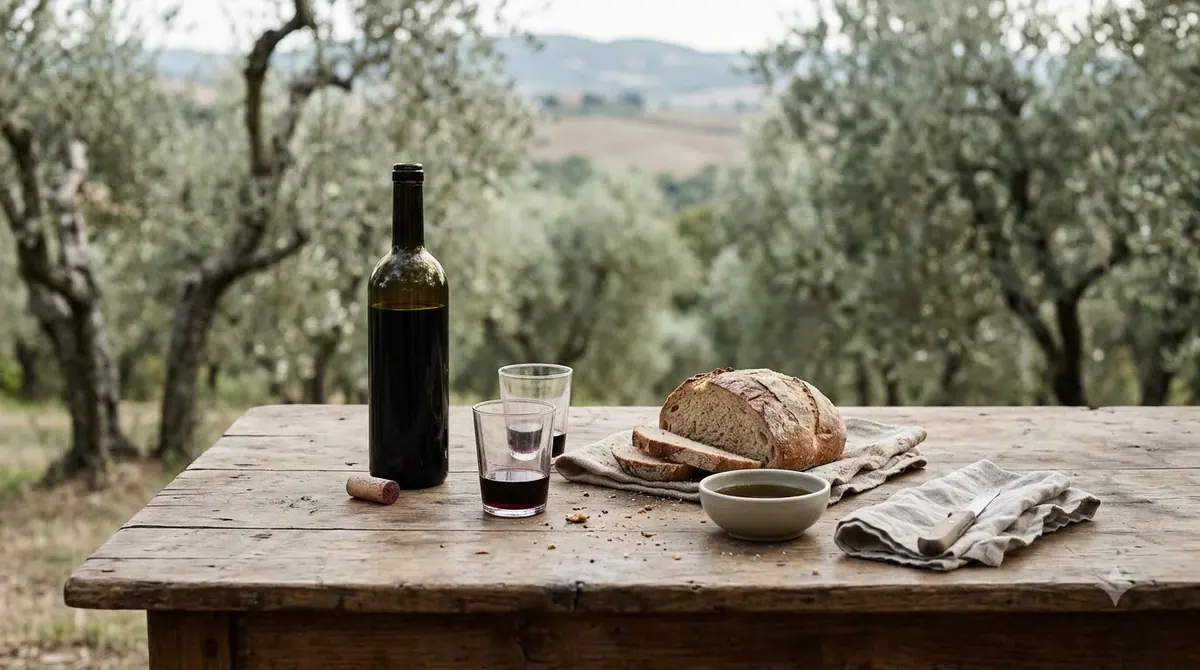
During standard table-wine fermentation, yeast consumes virtually all of that accumulated grape sugar and converts it into ethanol. As a result, typical bottles finish with negligible residual sugar—often under two grams per liter—putting Garnacha squarely in the dry wine category alongside Cabernet Sauvignon and Merlot. Rather than leaving sugar behind, the grape’s high ripeness translates into elevated alcohol levels, commonly landing between 13.5% and 16% ABV.
The reason first-time drinkers often question whether Garnacha is sweet comes down to a sensory illusion known as fruit-forward perception. According to Wine Folly’s comprehensive guide to Grenache, primary tasting notes include stewed strawberry, grilled plum, blood orange, and dried herbs. Blind tasters frequently identify the grape by a signature aroma reminiscent of candied red fruit and cinnamon. When your nose detects sweet red berries alongside a plush, warming texture from higher alcohol, your brain registers richness—even though your tongue experiences a completely dry finish.
If you are comparing sweetness across different bottles in our Wine by Type guide, Garnacha behaves very differently from naturally sweet wines. Unlike an aromatic white where fermentation is stopped early—a distinction we cover in our breakdown of is moscato sweet or dry—dry red Garnacha delivers pure fruit flavor without syrupy weight on the mid-palate.
Flavor Profile and Styles of Garnacha
Garnacha spans a wide spectrum of dry styles, ranging from bright, unoaked rosés to concentrated, oak-aged reds, alongside rare fortified sweet wines. Winemaking choices, vine age, and regional climate determine whether a bottle leans toward fresh red berries or dark, spiced complexity.
In its lightest red expression, young Garnacha fermented in stainless steel or neutral vessels highlights juicy strawberry, hibiscus, red cherry, and ruby-red grapefruit. These bottles carry medium-low tannins and a smooth, refreshing finish that drinks effortlessly without heavy oak influence. Moving up in intensity, old-vine and oak-matured bottlings develop deeper layers of grilled plum, red licorice, anise, leather, dried oregano, and tobacco.
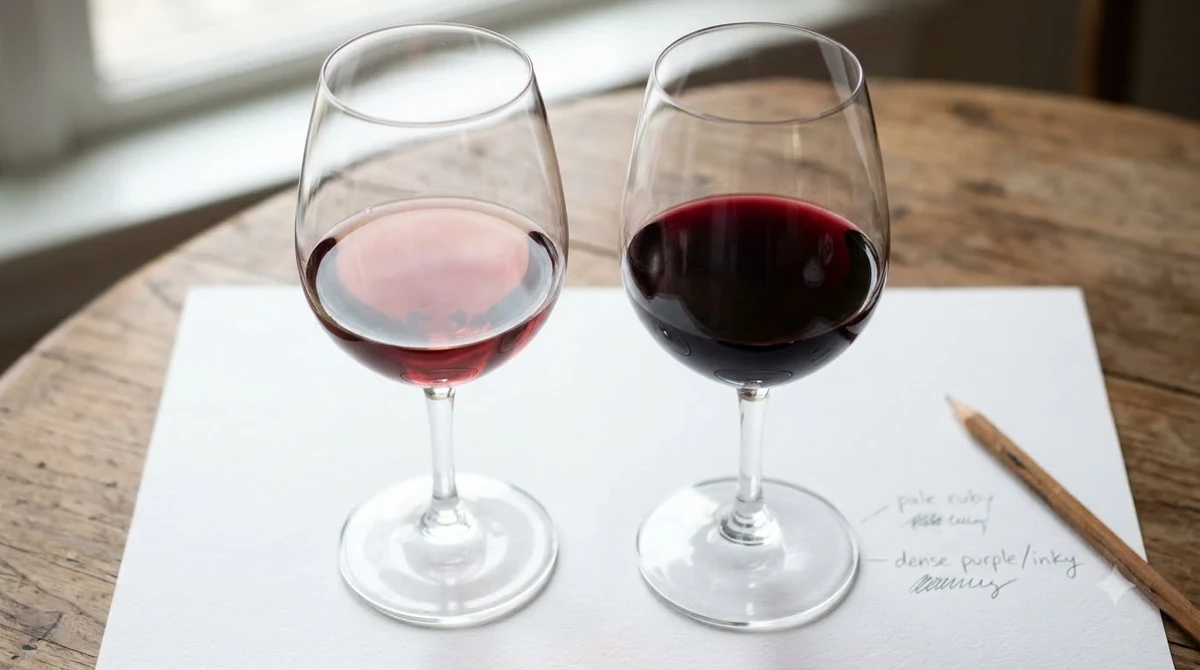
Beyond single-varietal reds, Garnacha serves as the backbone for two other major wine categories. First, its thin skins and moderate pigment make it one of the world’s premier grapes for dry rosé, producing pale pink to ruby-hued wines brimming with crisp citrus and fresh berry notes. As detailed in our look at is rose sweet or dry, European-style rosés made from Garnacha are almost universally dry despite their vibrant fruit aromatics. Second, winemakers produce sweet fortified Garnacha—labeled as Vin Doux Naturel in southern France—by adding neutral grape spirit mid-fermentation, locking in rich natural sweetness and flavors of fig, dark chocolate, and spiced plum.
| Garnacha Style | Sweetness Level | Typical ABV | Key Flavor Notes |
|---|---|---|---|
| Young / Unoaked Red Garnacha | Dry | 13.5% – 14.5% | Fresh strawberry, red cherry, hibiscus, ruby grapefruit |
| Old-Vine / Oak-Aged Red | Dry | 14.5% – 16.0% | Grilled plum, black cherry, red licorice, cinnamon, leather |
| Garnacha Rosé (Rosado) | Dry (rarely off-dry) | 12.0% – 13.5% | Watermelon, citrus zest, crushed raspberry, dried herbs |
| Garnacha Blanca (White) | Dry | 13.0% – 14.5% | Green pear, white peach, orange blossom, toasted almond |
| Vin Doux Naturel (Fortified) | Sweet | 15.0% – 17.0% | Stewed fig, candied cherry, cocoa, warm baking spices |
Where Garnacha Grows Around the World
While Garnacha originated in northeastern Spain—specifically in the regions of Aragon and Navarra—it is now one of the most widely planted red grapes across the Mediterranean and New World wine regions. Each terroir puts a distinct stamp on the grape’s balance between ripe fruit, herbal savoriness, and alcohol warmth.
In Spain, Garnacha thrives across high-elevation vineyards and rugged, rocky soils. Appellations like Campo de Borja, Calatayud, and Cariñena in Aragon produce expressive, fruit-driven reds at accessible price points, while Priorat in Catalonia relies on ancient, low-yielding bush vines rooted in steep slate soils to craft dense, mineral-rich wines. Across the border in France’s Southern Rhône Valley, the grape is known as Grenache Noir and anchors famous blends such as Châteauneuf-du-Pape and Côtes du Rhône. Reviewers at Wine Folly note that French Grenache leans slightly more savory than its Spanish counterpart, showing dried lavender, oregano, and tobacco alongside red cherry fruit.
Elsewhere in Europe, the Italian island of Sardinia cultivates the grape under the local name Cannonau, yielding warm, generous reds with distinct Mediterranean herb aromatics. In the New World, old-vine plantings in South Australia’s Barossa Valley and McLaren Vale produce plush, raspberry-scented bottlings, while California’s Central Coast and Santa Barbara County craft bright, aromatic expressions with crisp acidity and floral lift.
How to Serve Garnacha for Best Balance
Serving Garnacha slightly cooler than standard room temperature—ideally between 55°F and 60°F (13°C to 16°C) for lighter reds, and up to 64°F (18°C) for fuller, oak-aged bottles—keeps its naturally high alcohol feeling crisp and integrated. Serving the wine too warm exaggerates ethanol heat and flattens its delicate red-berry aromatics.
To hit the sweet spot at home, place a room-temperature bottle of red Garnacha in the refrigerator for 20 to 30 minutes before pulling the cork. If you are pouring Garnacha rosé or Garnacha Blanca, chill the bottle thoroughly to roughly 45°F to 50°F (7°C to 10°C) so its citrus and stone-fruit notes stay snappy.
Glassware and aeration also play a meaningful role in unlocking Garnacha’s aromatics. A large, wide-bowled red wine glass gives the wine’s volatile berry and spice compounds room to open up. For structured, old-vine reds or Rhône-style blends, decanting for 30 minutes softens any youthful edge and lets secondary notes of anise, leather, and dried herbs emerge cleanly.
Tip: If a high-ABV red Garnacha tastes slightly “hot” or overly boozy on the first pour, put the bottle back in the fridge for 15 minutes—a quick chill immediately tames alcohol warmth and brings fresh strawberry notes back into focus.
Best Food Pairings for Dry Garnacha
Garnacha’s combination of juicy red fruit, moderate tannins, and subtle herbal spice makes it one of the most versatile food-pairing wines at the dinner table. Because it lacks the heavy, astringent tannins of Cabernet Sauvignon, it complements both savory roasted meats and mildly spiced dishes without clashing.
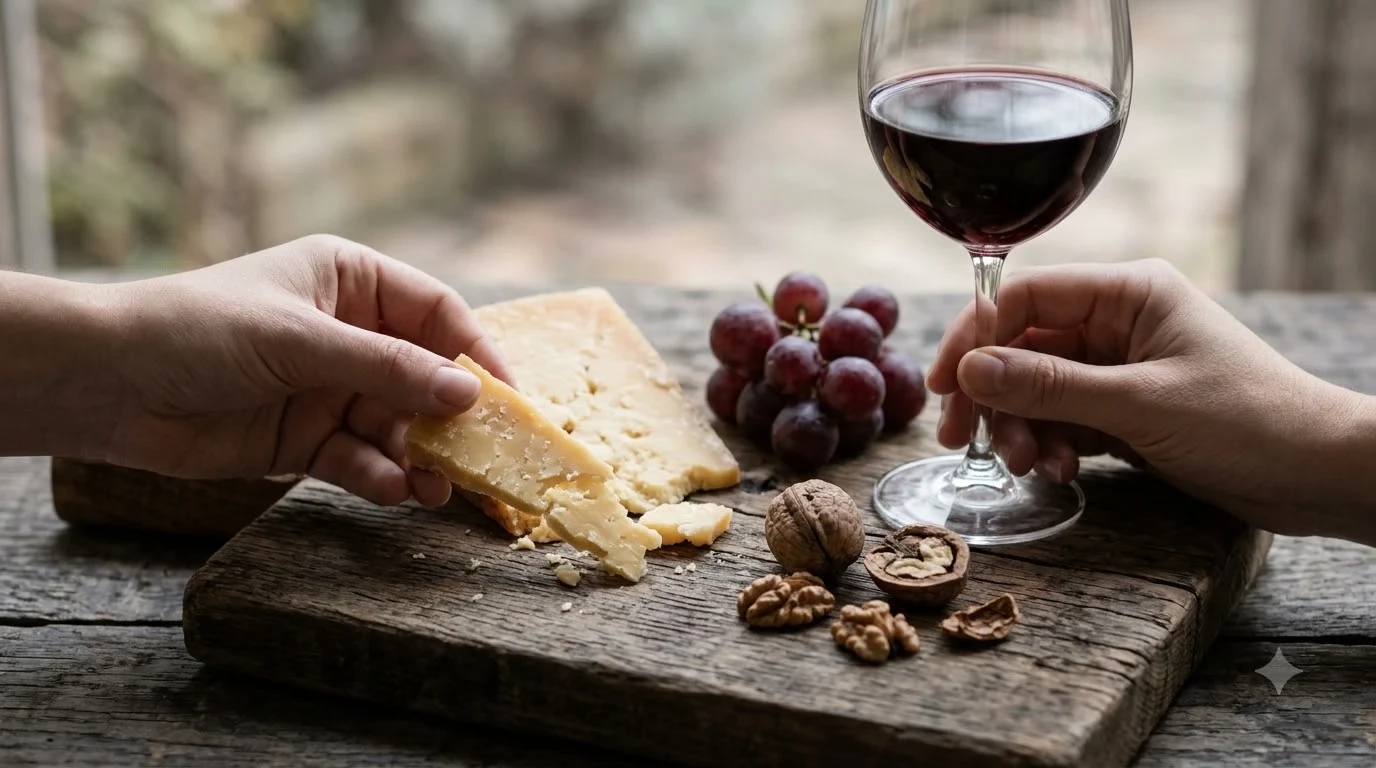
In its native Spain, Garnacha is the quintessential partner for a traditional tapas spread. Salt-cured jamón serrano, chorizo, roasted red peppers, and aged Manchego cheese highlight the wine’s bright berry core while the wine’s natural acidity cuts through rich fats. Moving to main courses, medium-bodied bottles shine alongside herb-crusted roast chicken, grilled pork tenderloin, and charred Mediterranean vegetables like eggplant and zucchini.
Fuller-bodied, old-vine Garnacha stands up easily to braised lamb shanks, smoky barbecue ribs, and grilled ribeye steak. The wine’s ripe fruit profile also acts as a natural foil for warm, aromatic spices—making slightly chilled red Garnacha a smart match for Moroccan lamb tagine, cumin-rubbed roasted meats, and moderately spiced curry dishes.
How to Choose a Bottle of Garnacha
Reading the regional origin, grape synonyms, and alcohol percentage on the front and back labels tells you almost everything about how dry, rich, or earthy a bottle of Garnacha will taste before you buy.
First, scan the label for regional synonyms so you do not overlook great bottles. Spanish producers spell the grape Garnacha (or Garnatxa in Catalonia), French and New World winemakers label it Grenache, and Italian bottles from Sardinia call it Cannonau. If a bottle from southern France lists Côtes du Rhône or Châteauneuf-du-Pape without naming a single grape on the front label, Garnacha is almost certainly the primary variety in the blend.
Second, use alcohol by volume (ABV) and oak cues to match the bottle to your palate. Bottles sitting around 13.5% to 14% ABV from cooler or higher-altitude sites typically offer brighter acidity and fresher red-fruit flavors. Bottles reading 15% ABV or higher, or carrying terms like “Old Vine” or “Viñas Viejas,” deliver a fuller, velvety mouthfeel with deeper spice and dark-fruit concentration. Just as checking dosage terms helps clarify is brut champagne sweet or dry, verifying that a Garnacha is a standard table wine rather than a fortified Banyuls or Maury guarantees a crisp, dry pour.
Frequently Asked Questions
Is Garnacha sweet or dry compared to Pinot Noir?
Both Garnacha and Pinot Noir are fermented dry, meaning neither contains noticeable residual sugar. However, Garnacha typically feels riper, fuller-bodied, and slightly warmer on the palate because it grows in hotter climates and reaches higher alcohol levels than Pinot Noir.
Are Garnacha and Grenache the exact same grape?
Yes, Garnacha and Grenache are two regional names for the exact same red wine grape variety. Winemakers in Spain use the original Spanish name Garnacha (or Garnatxa), while producers in France, Australia, and the United States use the French spelling Grenache.
Does sweet Garnacha wine exist?
Yes, though it is a distinct specialty category rather than standard table wine. In southern France, winemakers produce sweet fortified Garnacha known as Vin Doux Naturel—most famously in Banyuls, Maury, and Rasteau—by adding neutral grape brandy during fermentation to preserve natural grape sugars.
Why does dry Garnacha smell like candy or strawberry jam?
Garnacha naturally develops high concentrations of fruity aroma compounds that evoke stewed strawberry, raspberry, and cinnamon. Even though yeast ferments all the actual sugar into alcohol, these sweet-smelling fruit esters create a lush perception of sweetness on the nose and mid-palate.
Whether you pour a crisp, chilled Rosado on a warm afternoon or uncork an old-vine Spanish red for dinner, Garnacha proves that a wine can taste vibrantly fruity without a trace of sweetness. Knowing how climate, alcohol level, and regional labeling shape each bottle makes it easy to pick a dry style that fits any meal or mood.
More in Wine Types & Grapes
 Zinfandel Sugar Content: Dry Red vs. White Zinfandel GramsUpdated Nov 21, 2026
 Best Zinfandel Substitute Options for Sipping and CookingUpdated Nov 21, 2026
 Zweigelt Food Pairing: Best Dishes, Cheeses, and Serving TipsUpdated Nov 21, 2026
 Zinfandel Tannins Explained: How Structure Shapes Every BottleUpdated Nov 21, 2026
 Zinfandel Sweetness Level: Dry Red vs. Sweet White Zin ExplainedUpdated Nov 21, 2026
 Xinomavro Food Pairing: Best Dishes, Styles, and Serving TipsUpdated Nov 21, 2026